

Baroque Lady Portrait Painting
A baroque lady portrait painting captures elite subjects in oil on canvas or panel through seventeenth and eighteenth-century European traditions.
Baroque Lady Portrait Painting
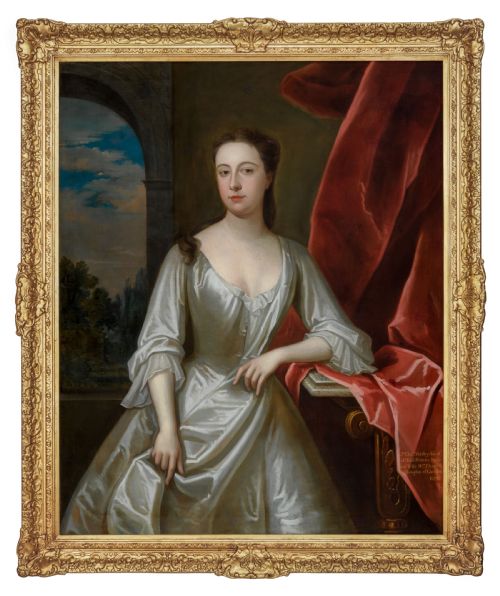
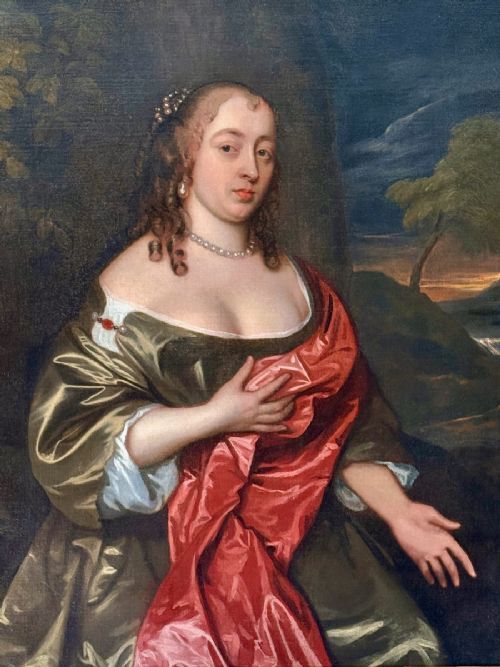
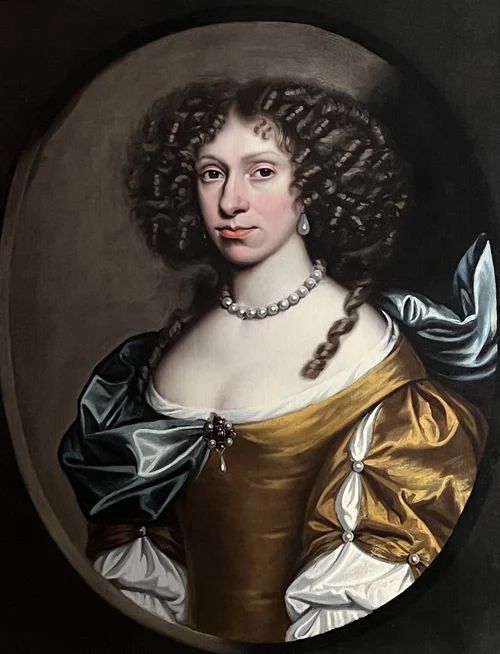
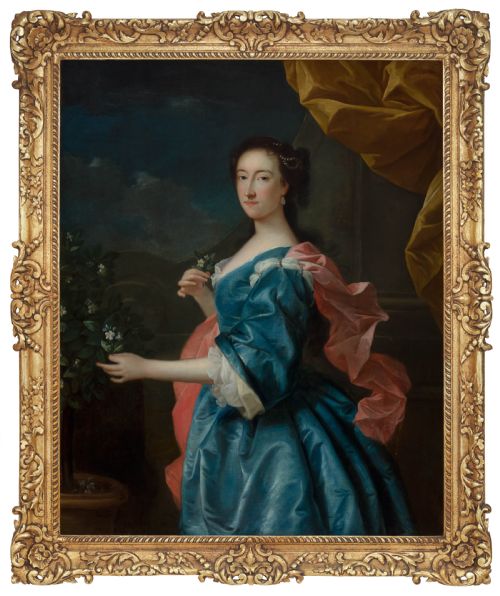
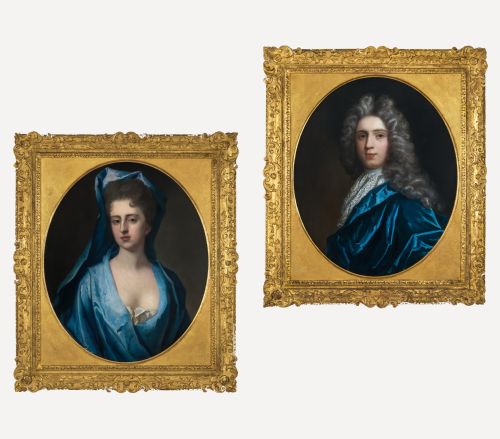
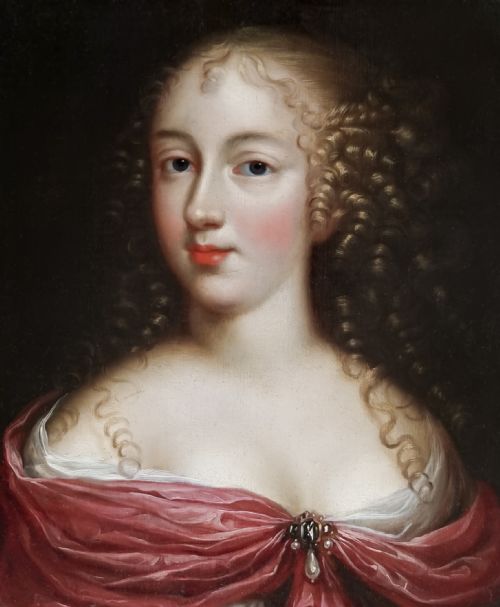
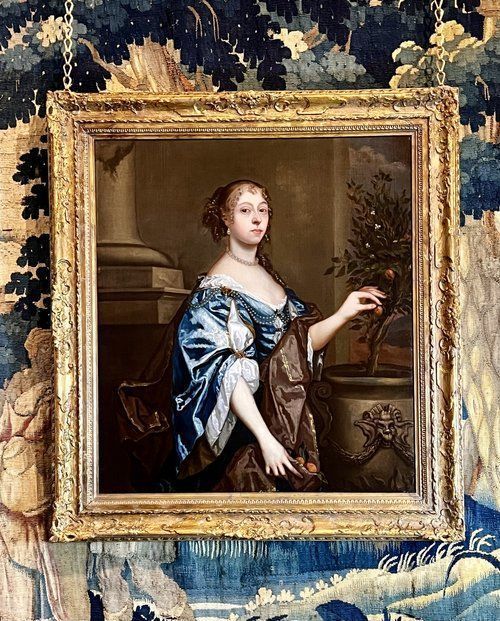
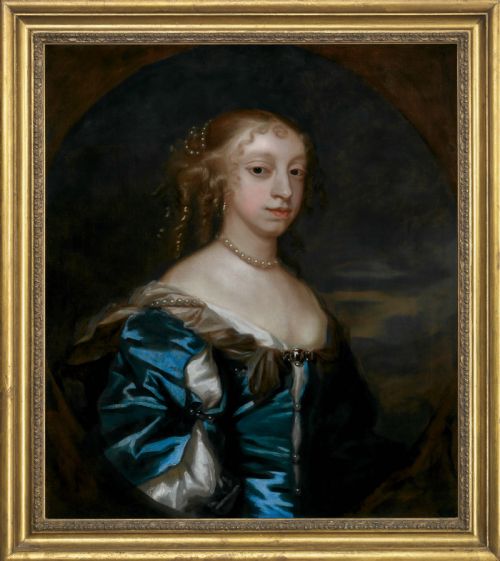
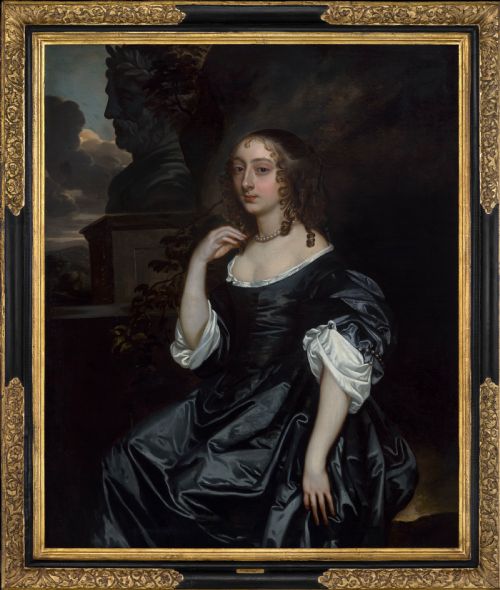
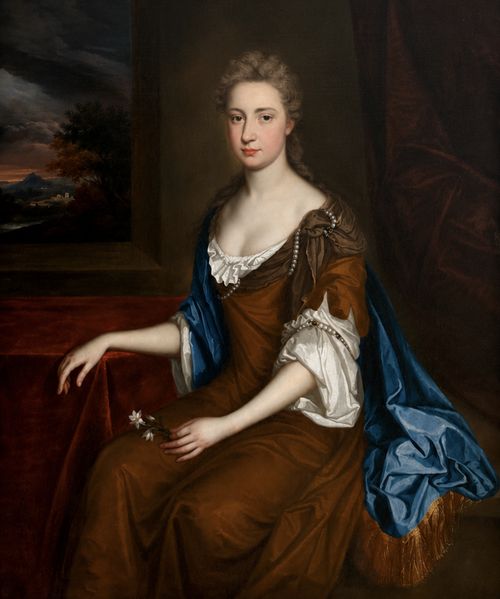
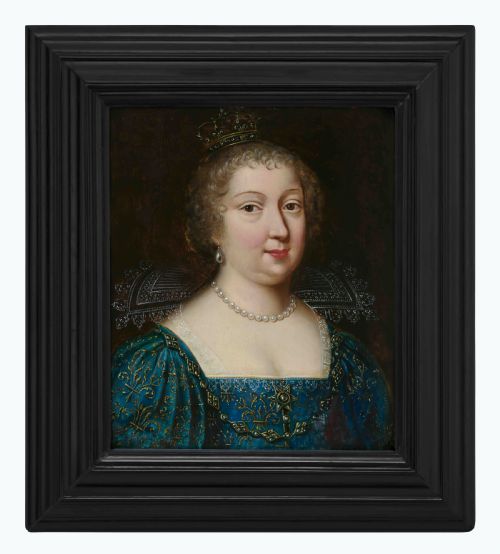
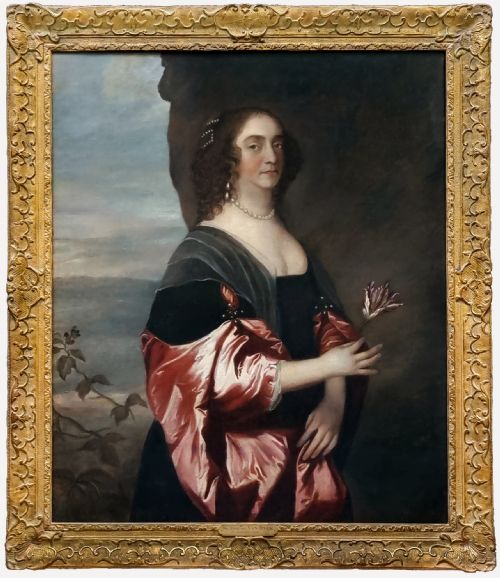
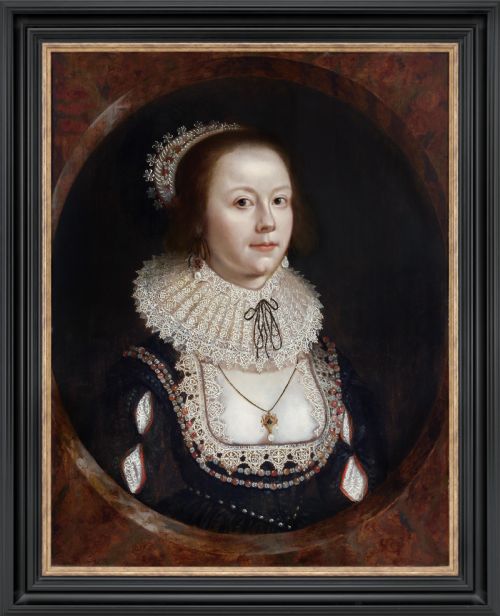
A baroque lady portrait painting depicts noblewomen from the seventeenth and eighteenth centuries, often shown in elaborate attire with pearls, lace, and satin gowns. These works span English, Dutch, and French schools, reflecting the grandiose aesthetic of the period.
Buyers will encounter oils on canvas and panel produced by studio circles, followers, or named masters of the era. Subjects frequently appear alongside symbolic elements such as orange trees, birds, or architectural backdrops.
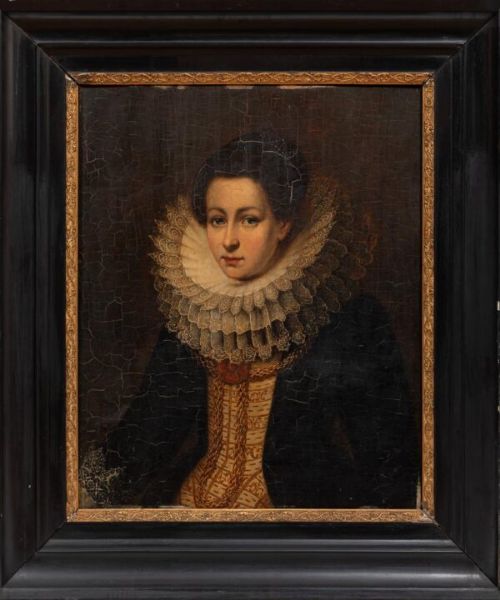
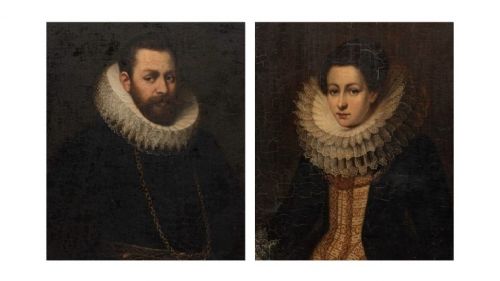
The selection ranges from early seventeenth-century panel works featuring intricate ruff collars to grander canvases from 1700 onwards. Many examples preserve contemporary frames of gilded wood or gold leaf.
Materials and painting techniques
Artists applied oil paint to prepared canvas or wood panels, building rich textures for fabrics like velvet, silk, and satin. Painters used layered pigments to render flesh tones, embroidery, and jewellery with precise definition.
Current listings feature oil on canvas and oil on panel mediums enclosed in gilded wood and gold leaf frames.
Distinctions in quality
The skill in rendering hands, facial expression, and textile folds separates master works from routine studio output. Superior examples display subtle light play on silk and pearls, whereas lesser pieces show stiffer drapery and repetitive brushwork.
Provenance and attribution to principal artists or close circles elevate a canvas. Condition matters significantly, particularly the stability of the oil layer and the preservation of the original wood panel or canvas tension.
Sir Godfrey Kneller·Sir Peter Lely·Michael Dahl·Thomas Murray·Nicolaes Maes·Cornelius Johnson
The Baroque Lady Portrait Painting Glossary
- Circle of
- A designation indicating the artist worked closely within the immediate milieu of a master, adopting their specific style and techniques.
- Giltwood
- Wood carved and coated with gold leaf or metallic powder, forming the decorative surface of period frames.
- Oil on Panel
- A painting technique utilising wooden boards as a rigid support medium instead of woven fabric.
- Ruff
- A stiffened, pleated collar worn around the neck during the late sixteenth and early seventeenth centuries.
- Studio of
- A term denoting production by assistants working under the direct supervision or in the workshop of a master painter.
Baroque Lady Portrait Painting: Frequently Asked Questions
How should I hang an oil portrait?
Hang paintings away from direct sunlight and steady heat sources to protect the oil paint and canvas.
Ensure the wall supports the combined weight of the canvas and heavy gilded wood frame safely.
How do I identify seventeenth-century costume?
Look for distinct garments such as stiffened ruff collars, velvet gowns, and jewelled bodices depicted in the subject's attire.
Portrait clothing styles changed rapidly across decades, offering clear clues to the date of execution.
What is the difference between studio and circle works?
Studio pieces emerged from the master's primary workshop with direct participation from assistants and pupils.
Circle works describe independent painters working in the distinct manner of a master without direct supervision.
How do I clean an antique oil painting?
Dust surfaces gently with a dry, soft brush, avoiding any moisture or chemical cleaning agents.
Consult a professional conservator for deeper cleaning or varnish removal to prevent damaging the pigment.