


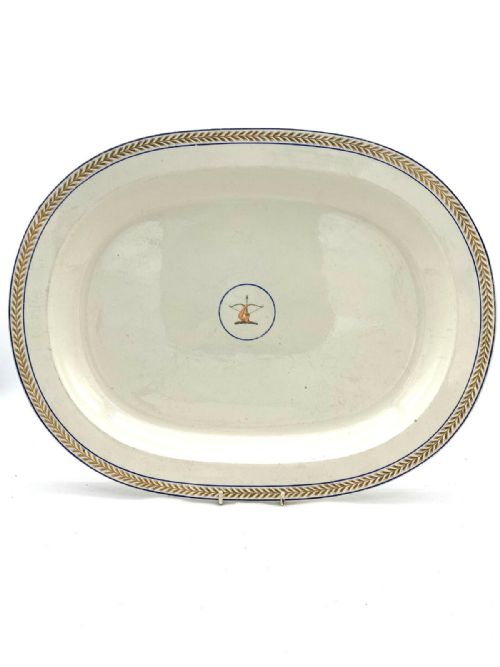
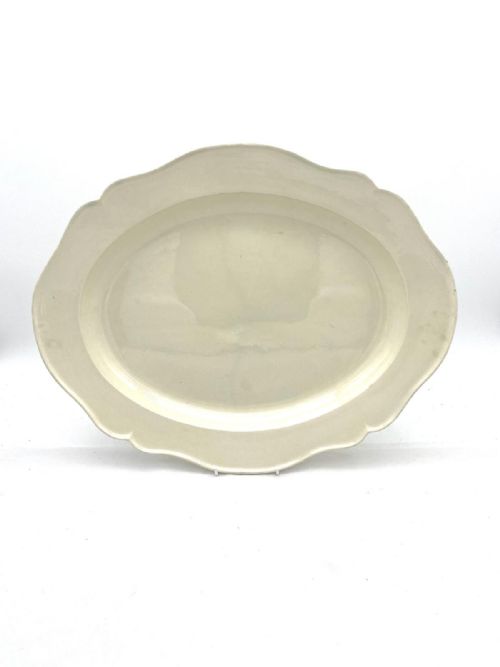
Antique Oval Platter
An antique oval platter brings warmth to a dining table, offering generous proportions and rich historical craftsmanship for modern homes.
Antique Oval Platter
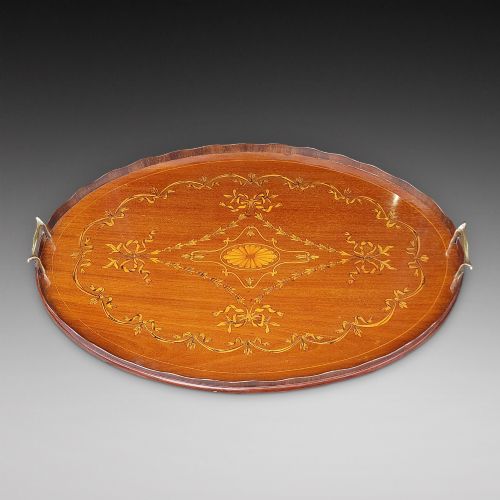
An antique oval platter encompasses a wide variety of serving dishes, trays, and chargers designed for presentation at the table. These pieces span multiple centuries, appearing in forms ranging from Georgian mahogany serving trays to Victorian earthenware meat platters.
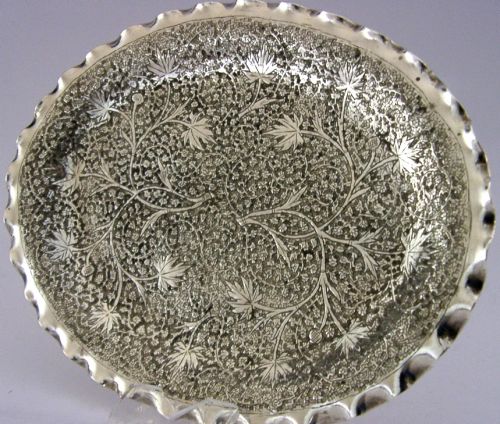
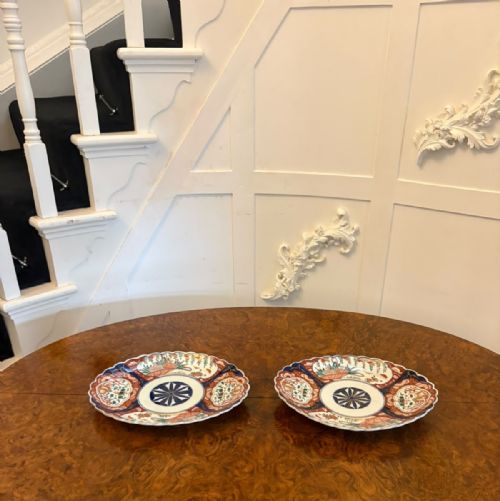
Buyers will encounter diverse regional origins and aesthetics, including English creamware, French faience, Japanese Imari porcelain, and Anglo-Indian silver. The selection balances functional dining wares with decorative trays intended for display.
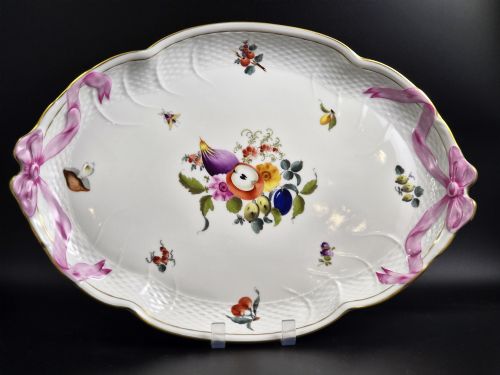
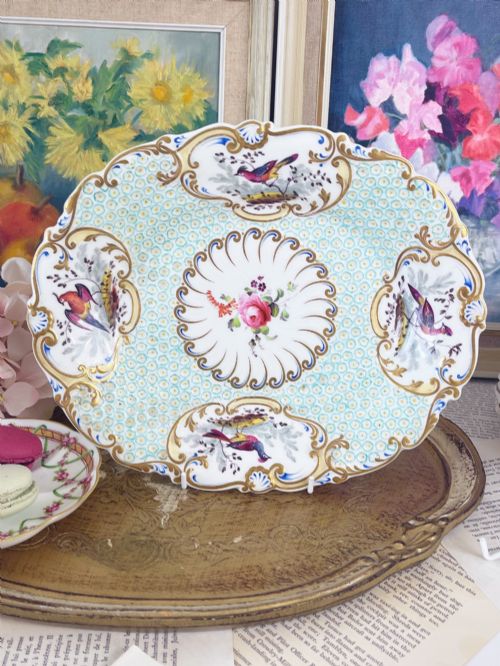
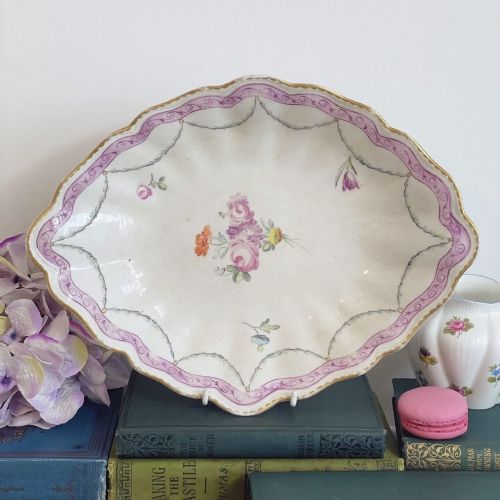
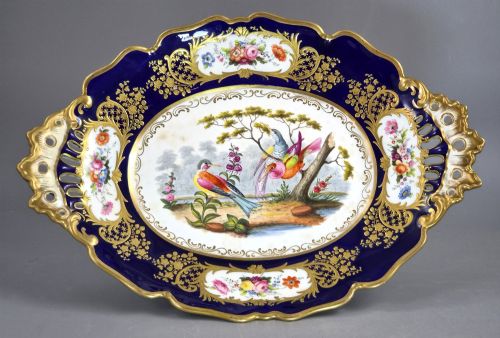
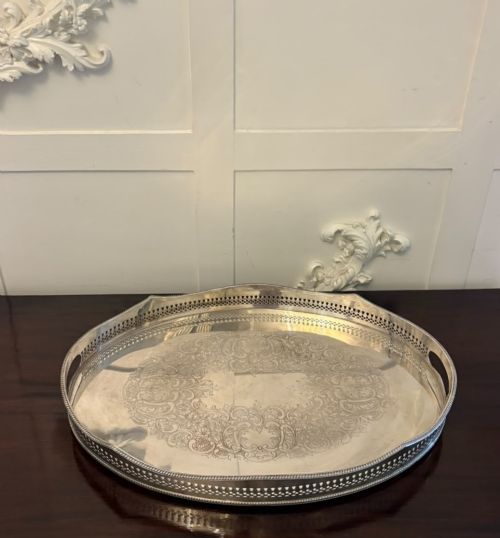
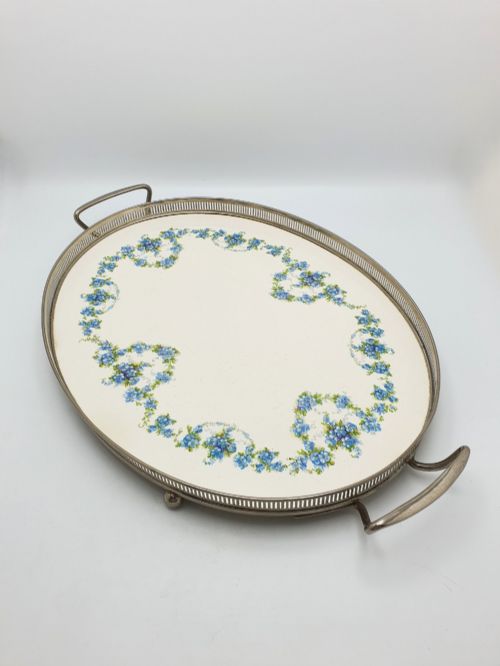
Ceramic examples often feature blue and white transfer printing or hand-painted polychrome flowers, while metal iterations showcase silver plate, repousse copper, or solid silver. Each piece reflects the domestic habits and dining customs of its specific period.
Materials and construction methods
Pottery and porcelain pieces rely on earthenware or creamware bodies shaped on wheels or pressed in moulds, then finished with hand-painted enamels or blue and white transfer printing under a clear glaze.
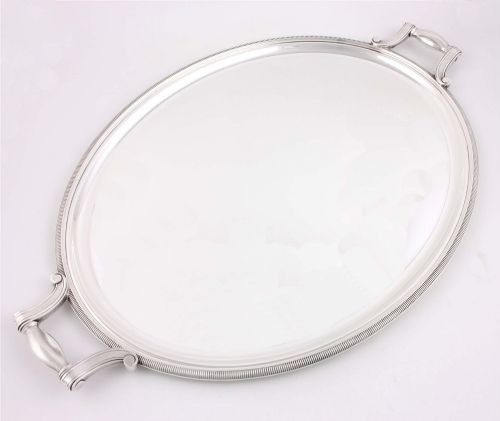
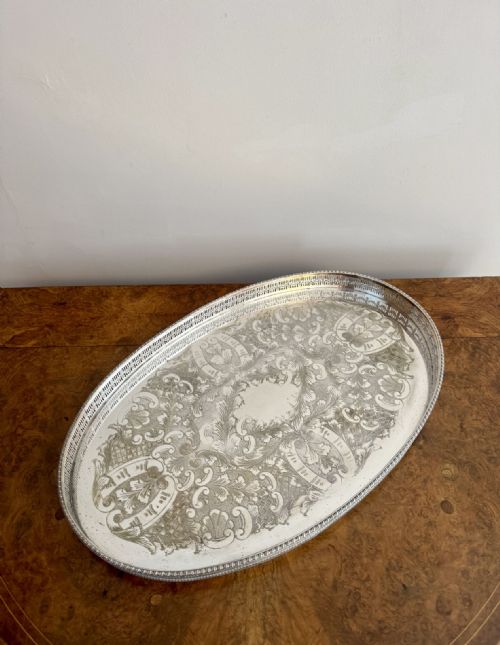
Metal platters and trays utilise solid silver, copper, or silver plate applied over base metals like brass or Old Sheffield plate, frequently shaped by hammering, repousse work, or copper coopered construction.
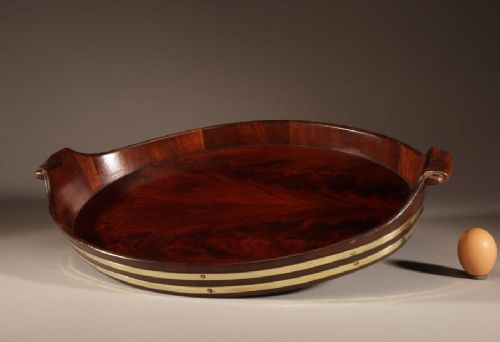
Wooden serving trays employ timbers such as mahogany and oak, frequently enhanced with marquetry inlay, brass handles, or raised galleries to secure glassware and china.
Listings feature items spanning the 18th Century, Georgian, Victorian, Edwardian, and 1920 periods.
Judging quality and execution
Quality rests upon the crispness of the transfer print, the delicacy of hand-painted details like polychrome flowers or fancy birds, and the retention of original surface patination on wood and metal.
Substantial weight in silver-plated or solid metal pieces indicates superior gauge and durability, whereas ceramics depend on the fineness of the paste and the stability of the glaze during firing.
H & R Daniel·Coalport·Mappin & Webb·Wedgwood·Thomas Bradbury & Sons·Hugh Wallis·Henry Wilkinson·Walker & Hall·Robert Breading
The Antique Oval Platter Glossary
- Creamware
- A fine-grained earthenware developed in the eighteenth century, known for its warm cream-coloured glaze. Wedgwood notably produced armorial platters in this refined ceramic body.
- Transfer printing
- A decoration technique where an engraved copper plate transfers a design onto paper, which is then stamped onto the ceramic body before glazing. This method allowed for intricate scenes like the Piping Shepherd pattern.
- Repousse
- A metalworking technique where the artisan hammers the design from the reverse side to form a raised relief on the front. Arts and Crafts copper trays frequently utilise this expressive method.
- Old Sheffield plate
- An early form of composite metal made by fusing a thin sheet of silver to a thicker copper base. It is prized for the way the base copper subtly shows through worn high points.
- Imari
- A style of Japanese porcelain featuring a distinct palette of underglaze blue, iron red, and gilt highlights. These dishes were widely exported to the West during the nineteenth century.
Antique Oval Platter: Frequently Asked Questions
How were these platters originally used?
These pieces served multiple dining and domestic functions, from presenting large joints of meat at Georgian feasts to carrying tea services in Edwardian drawing rooms.
Larger chargers and platters accommodated substantial roasts, while smaller trays organised drinks, bowls, and decorative items for daily household service.
Can I use an antique platter for food?
Many ceramic and metal platters remain structurally sound for serving dry foods, bread, or fruit during family gatherings and dinner parties.
Due to age, historic glazes or worn silver plate require gentle hand washing to preserve the delicate hand-painted motifs and original surfaces.
How do I date a ceramic platter?
Dating relies on identifying the ceramic body type, such as eighteenth-century creamware versus nineteenth-century earthenware, alongside any maker marks or blue underglaze stamps.
Stylistic cues like transfer-printed pastoral scenes or hand-painted polychrome floral borders also anchor pieces to specific decades like the Georgian or Victorian eras.
How do I care for a copper tray?
Copper and brass trays benefit from minimal cleaning using appropriate non-abrasive metal polishes only when necessary to remove harmful tarnish.
Preserving the natural patinated surface accumulated over a century is generally preferred by collectors over achieving a bright, mirror-like finish.