



Antique Ottoman Textile
These antique ottoman textile pieces bring rich embroidered panels, waistcoats, and rugs spanning the seventeenth to the early twentieth century into your home.
Antique Ottoman Textile
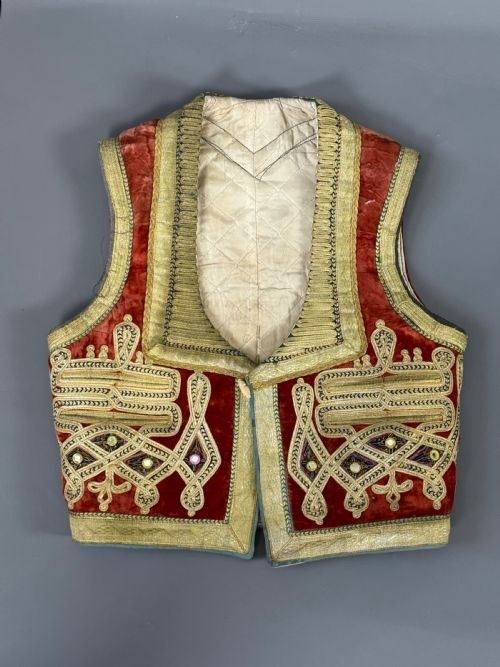
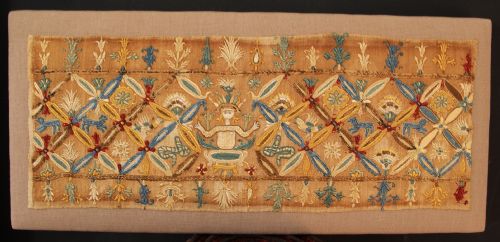
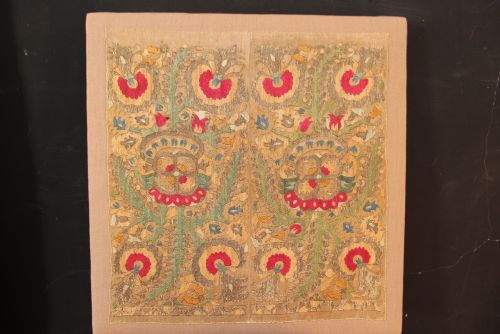
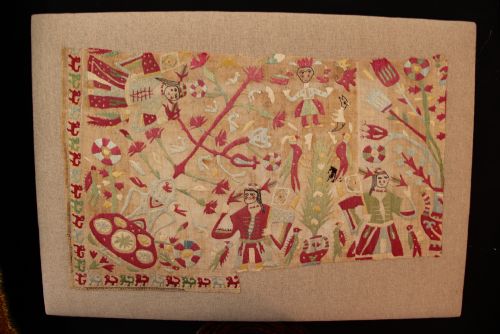
When you search for an antique ottoman textile, you encounter an array of embroidered fragments, bedsheet borders, hand towel end panels, waistcoats, jackets, and prayer rugs originating from Turkey, Greece, and the wider Ottoman world. These works span the seventeenth, eighteenth, nineteenth, and early twentieth centuries, reflecting diverse regional textile traditions.
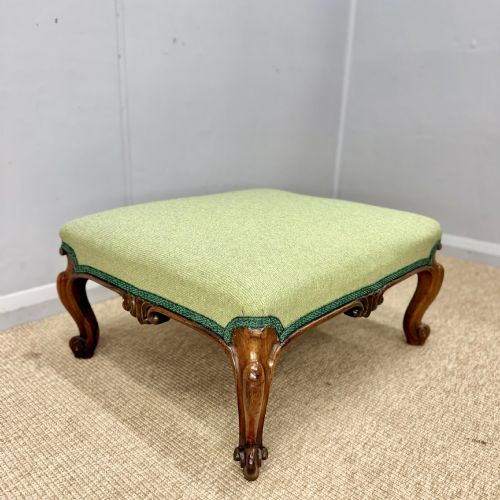
The pieces most frequently met on this page include nineteenth-century embroidered fragments and silk tülbent scarfs alongside eighteenth-century Greek island works from Skyros, Crete, and Epirus. Collectors also find large nineteenth-century coverlets, hangings, Balkan kilims, and Ladik prayer rugs alongside upholstered footstools.
Geographic origins vary widely within the broader Ottoman sphere, encompassing Greek folk art styles, Balkan Ottoman designs, and Turkish or Kurdish craftsmanship. Each region imparts distinct patterns and textile structures to the surviving panels, fragments, and garments.
Judging quality in these textiles
Quality rests upon the density and complexity of the embroidery work, particularly in gold or metal thread, and the preservation of the underlying silk, linen, or cotton ground. Finely executed eighteenth-century Greek island borders and intricate Turkish jackets demonstrate superior needlecraft compared to simpler or heavily worn fragments.
The integrity of the textile structure and the clarity of regional design motifs, whether on a Ladik prayer rug, a Balkan kilim, or an Ottoman coverlet, distinguish finer examples. Original mounting and careful preservation of fragile silk and metallic threads elevate the standing of individual panels and garments.
Object forms range from small embroidered fragments and hand towel end panels to large Balkan kilims and country house ottomans.
The Antique Ottoman Textile Glossary
- Tülbent
- A lightweight silk scarf or headcovering produced within the Ottoman tradition, frequently embellished with gold embroidery.
- Kilim
- A flat-woven carpet or rug originating from regions including the Balkans and Turkey, created without a pile.
- Bedsheet border
- An embroidered panel sewn along the edge of a traditional bed linen, particularly prominent in Greek island textiles from places like Skyros.
- Prayer rug
- A small rug featuring a mihrab design, such as those from Ladik, utilised for ritual prayer.
- Fragment
- A surviving portion of a larger historical textile or garment, preserved for its remaining embroidery or fabric work.
Antique Ottoman Textile: Frequently Asked Questions
How do I care for an antique textile?
Keep textile panels and garments away from direct sunlight to prevent silk and cotton fibres from fading. Avoid hanging heavy fragments by a single point to protect the historic weave.
Consult a textile conservator before undertaking any cleaning. Gentle surface dusting is generally preferred over washing historic silk, wool, and metallic thread.
Where did these textiles originate?
The pieces originate from regions influenced by the Ottoman Empire, including Turkey, mainland Greece, and the Greek islands such as Skyros, Crete, and Epirus. Balkan and Kurdish areas also contribute distinct regional styles.
Local workshop traditions and domestic needlework shaped the specific patterns found on waistcoats, jackets, bedsheet borders, and prayer rugs.
How are framed textile fragments displayed?
Mounted fragments are typically secured behind glass within a supportive frame to protect fragile linen, silk, and gold embroidery from handling and dust. This method allows wall hanging without placing undue stress on the historic fibres.
Ensure framing materials are acid-free to prevent degradation of the fabric over time. Placement should avoid humid environments like kitchens and bathrooms.
What is the difference between a kilim and a prayer rug?
A kilim is a flat-woven textile produced without pile, often featuring geometric Balkan or Turkish designs suited for large floor spaces or wall hanging. They function primarily as decorative or floor coverings.
A prayer rug possesses a distinct niche or mihrab design intended to direct the placement of the rug during prayer, as seen in Ladik examples from the nineteenth century.