

19th Century Ottoman Dress
These 19th century ottoman dress selections bring period seating and textile work together for the collector who appreciates historic craftsmanship.
19th Century Ottoman Dress
When searching for 19th century ottoman dress, buyers encounter a selection spanning stools, footstools, ottomans, and historic waistcoats. The pieces originate from Victorian, Regency, and later nineteenth-century workshops across various European and global influences.
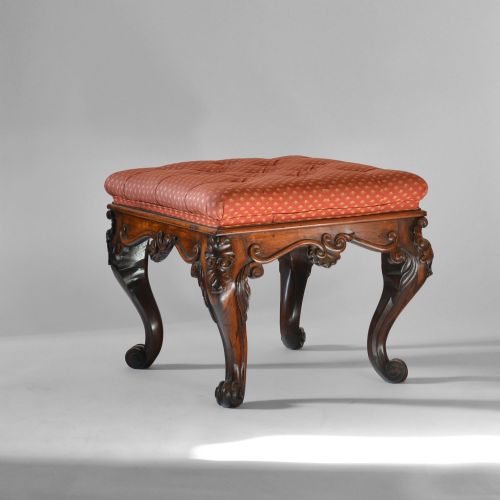
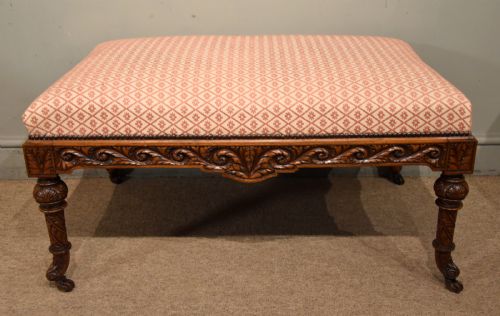
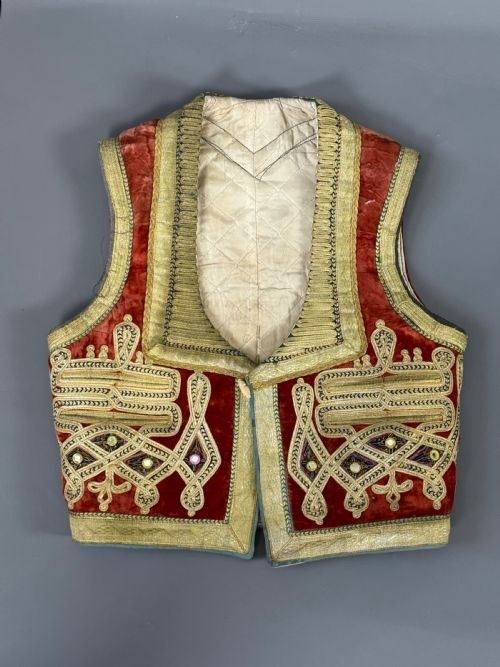
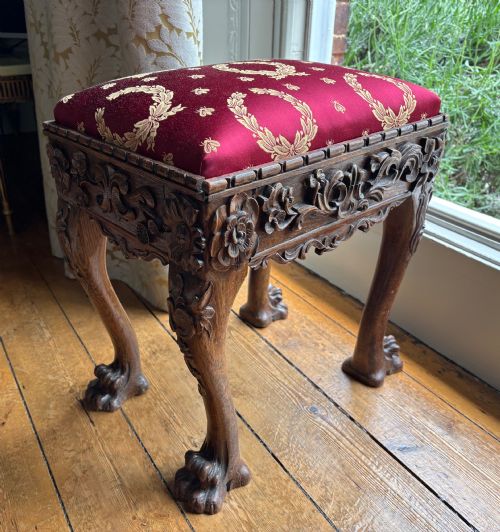
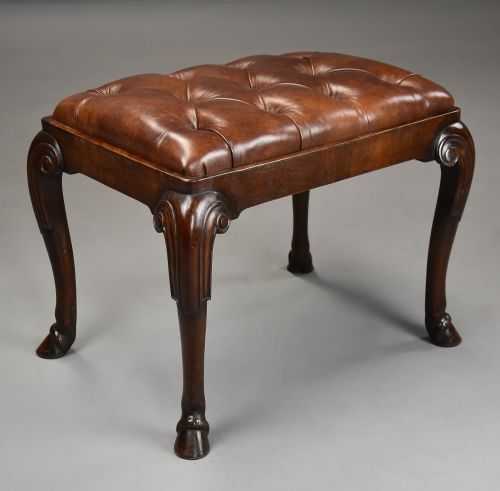
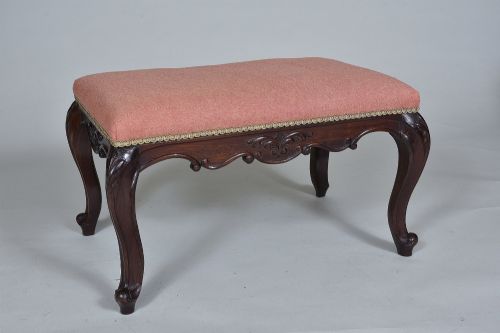
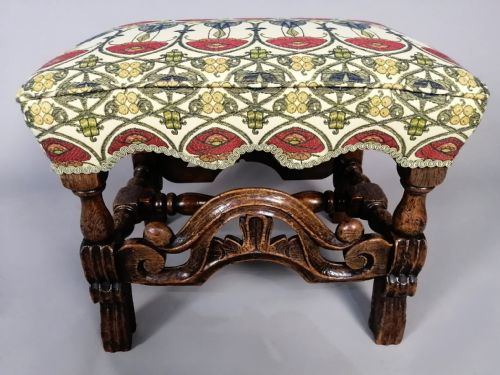
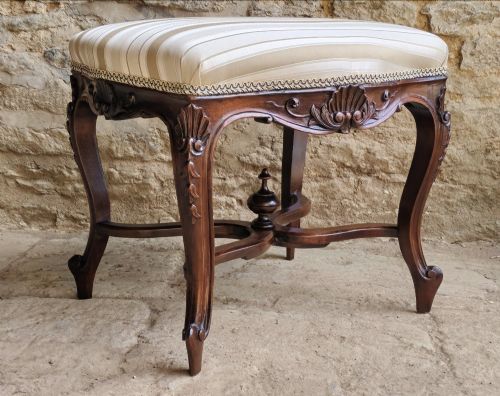
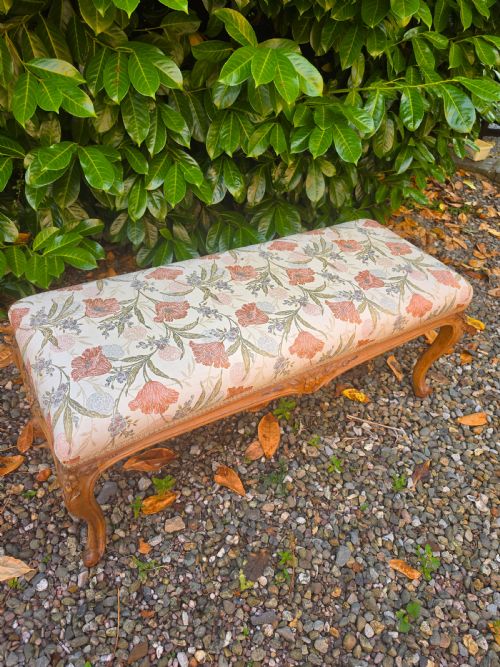
The most common forms on this page include mahogany, rosewood, and walnut stools alongside antique textiles and waistcoats. Carved wooden frames frequently pair with upholstered needlepoint or tapestry surfaces.
Materials and Construction
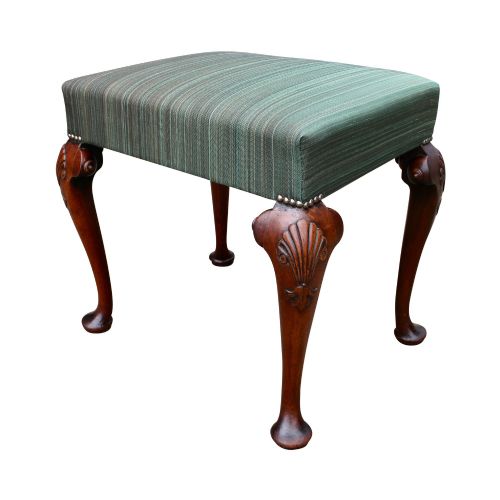
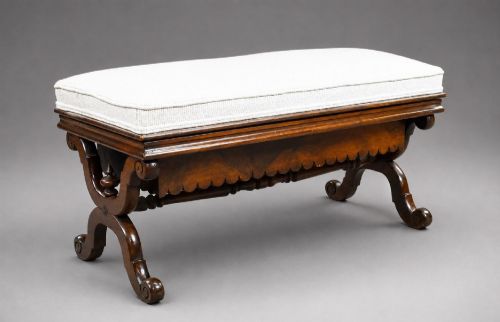
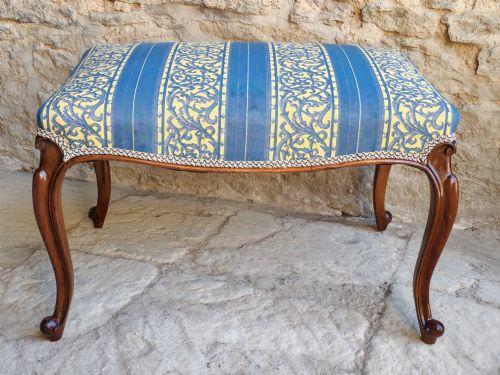
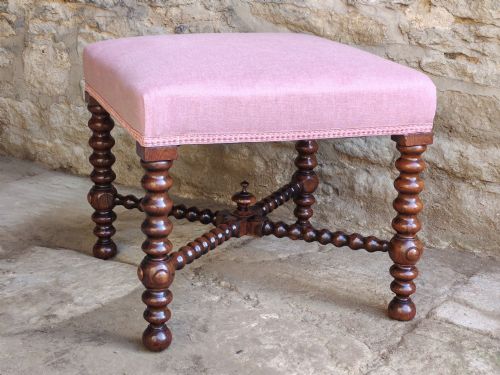
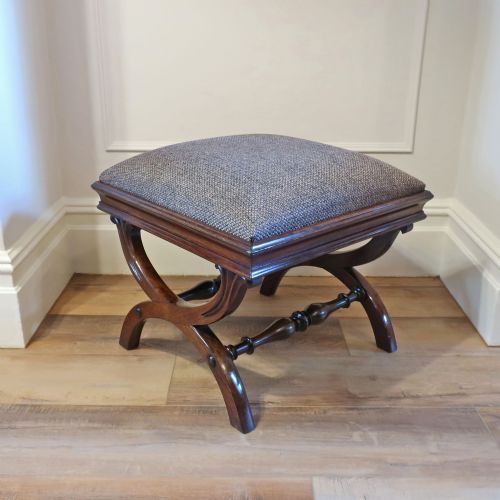
Cabinetmakers utilised dense hardwoods including mahogany, walnut, rosewood, and satin birch to construct sturdy frames. These timbers received hand-carved details in styles ranging from cabriole leg designs to spiral carving and x-frame structures.
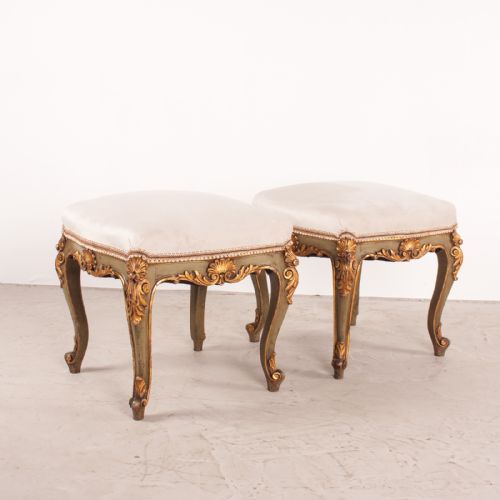
Upholstery relied on traditional textiles such as velvet, leather, and needlepoint tapestries secured to the wooden bases. Gilding and painted finishes also appear on select continental pieces.
Listings span the 19th century, incorporating Victorian, Regency, and Queen Anne revival styles executed in mahogany, walnut, and rosewood.
Assessing Quality and Execution
The standard of timber selection and the crispness of the hand-carved ornamentation separate superior examples from simpler work. Finer pieces display deeply shaped cabriole legs, robust joinery, and carefully chosen veneers like burr maple.
The integrity and preservation of the original upholstery, needlepoint, or leather coverings heavily influence the character of each piece. Superior examples retain textiles that complement the period of the wooden frame without losing structural tension.
LOIDRAULT FRERES PARIS
The 19th Century Ottoman Dress Glossary
- Cabriole leg
- A furniture leg that bends outward and then tapers downward to a foot, typical of Queen Anne and Victorian revival styles.
- Needlepoint
- Stitched textile work executed on canvas, commonly found on Victorian footstools and dressing stools.
- X-frame
- A seating support structure formed by intersecting curved or straight wooden members, seen in Regency designs.
- Giltwood
- Timber coated with a thin layer of gold leaf, observed on decorative continental pieces.
19th Century Ottoman Dress: Frequently Asked Questions
What materials make up a 19th century ottoman dress?
The listings combine solid hardwoods like mahogany, walnut, and rosewood with textiles including velvet, leather, and needlepoint.
Makers built sturdy wooden frames to support the upholstered seating surfaces and decorative waistcoats.
How do I identify the period of these items?
Stylistic cues such as Regency x-frames, Victorian cabriole legs, and Queen Anne revival forms indicate the era of manufacture.
Dates range across the nineteenth century, supported by characteristic carving techniques and material choices.
Where were these pieces originally crafted?
The items originate from English, continental European, Anglo-Indian, and Swedish workshops.
Regional preferences show in the choice of woods, such as satin birch in Sweden and rosewood in Anglo-Indian pieces.
How should I care for historic upholstered stools?
Protect the dense timber frames with appropriate furniture wax and keep them away from direct sunlight.
Preserve the antique needlepoint or leather textiles by limiting heavy friction and maintaining stable room humidity.