




19th Century Silk Embroidery
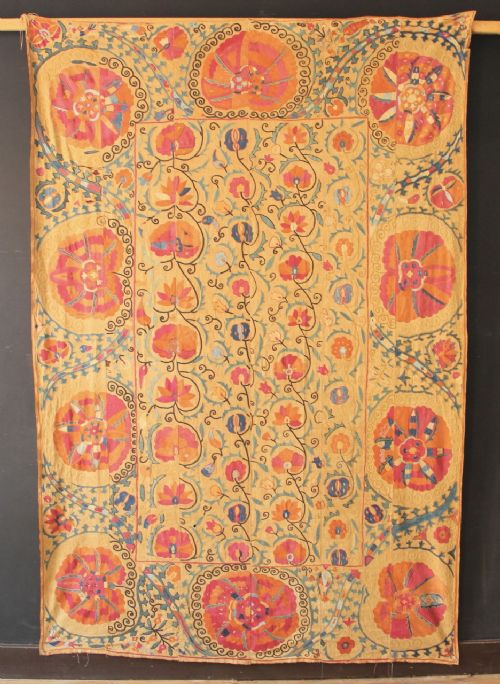
When you search for 19th century silk embroidery, you enter a vibrant world of needlework samplers, Central Asian suzanis, and framed pictures worked in lustrous thread.
19th Century Silk Embroidery
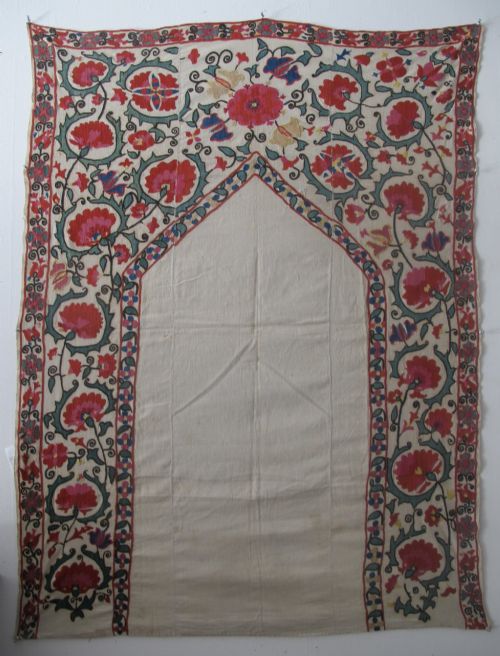
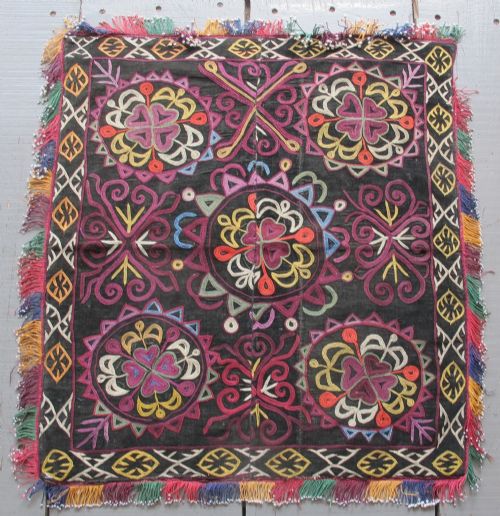
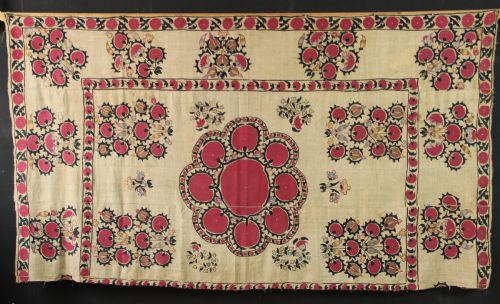
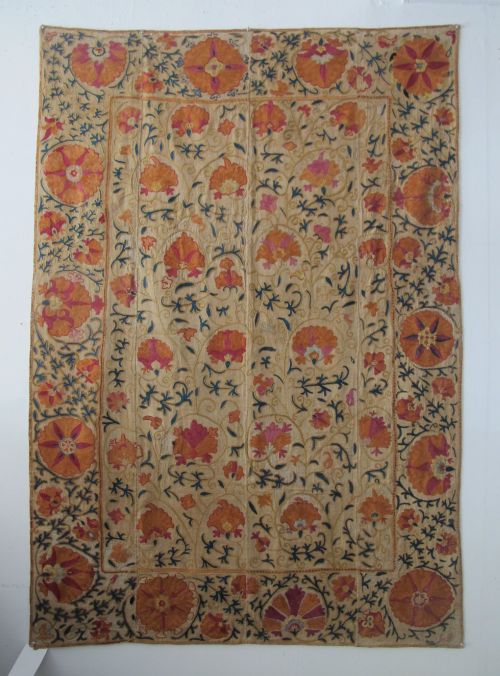
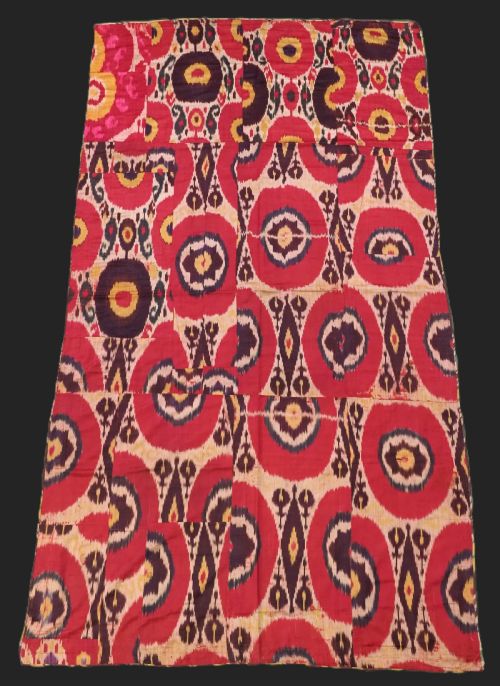
The 19th century silk embroidery selection encompasses a remarkable variety of global textile traditions, ranging from English schoolgirl samplers and hand-painted silk pictures to monumental Central Asian suzanis. Buyers searching this phrase frequently encounter large wall hangings, ceremonial coats, mirror covers, and delicate framed domestic scenes created across diverse cultures.
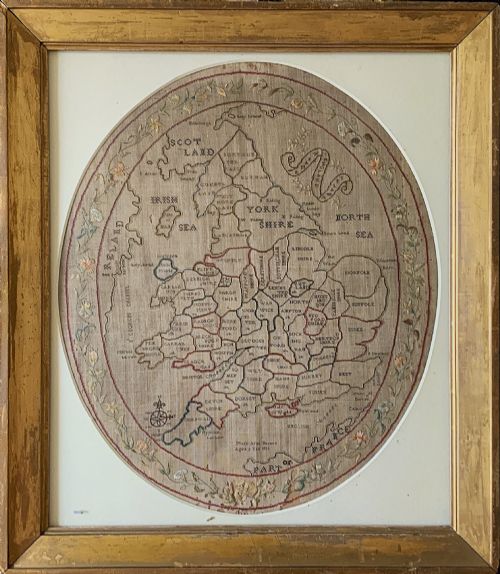
British and European examples often take the form of needlework maps, botanical studies, and narrative pieces worked by young makers, whilst regional pieces from Uzbekistan, Persia, and the Ottoman Empire showcase bold tribal motifs and intricate floral designs. These textiles served both functional household roles and ornamental display, reflecting the distinct domestic and ceremonial practices of their makers.
Materials and Technique
These textiles rely fundamentally on silk thread worked across ground materials such as linen, cotton, wool, and felt, sometimes supplemented by metal thread, glass, or watercolour elements. Artisans employed specialised needlework stitches to build dense surface textures, whether executing geometric regional patterns on heavy wool grounds or fine pictorial details on silk satin panels.
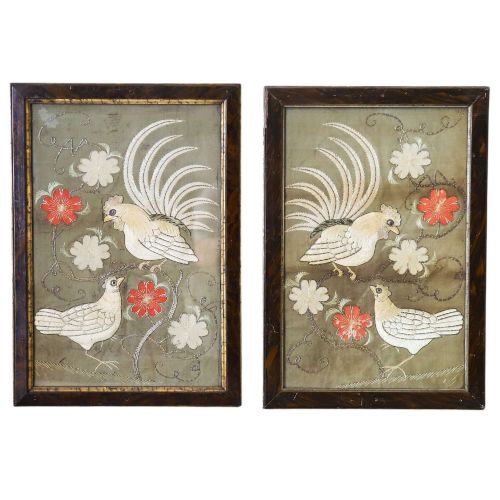
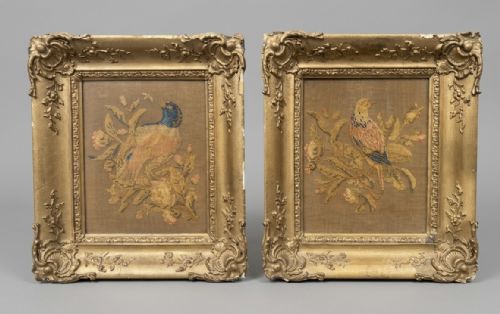
Framing and mounting techniques play an important historical role, with many European pieces preserved behind glass in period frames such as faux tortoiseshell, gilt moulding, or verre églomisé surrounds. Central Asian and Middle Eastern works frequently utilise robust cotton or velvet backings to support heavy embroideries designed for wall suspension or interior draping.
Object forms include needlework samplers, framed picture panels, mirror covers, ceremonial coats, and large-scale wall hangings from European and Asian traditions.
Evaluating Quality
Quality in these textiles resides in the precision of the needlework, the density of the thread coverage, and the integrity of the surviving ground material. Superior examples display confident execution of complex motifs, such as intricate medallion variants or architectural elements, with minimal thread loss and stable structural foundations.
The vibrancy of the original silk dyes and the sophistication of the composition further distinguish finer items from standard decorative pieces. Original framing, authentic period mounting, and well-preserved borders on large-scale wall hangings elevate the overall standing of an individual textile.
The 19th Century Silk Embroidery Glossary
- Suzani
- A large, embroidered wall hanging or decorative cover originating from Central Asia, traditionally worked in silk on a cotton or linen ground with striking floral or medallion motifs.
- Sampler
- A piece of needlework produced by a young maker to demonstrate proficiency in various stitches and alphabets, frequently incorporating dates, names, and genealogical records.
- Verre Églomisé
- A decorative technique involving cold painting and gilding on the reverse side of glass, frequently used for historic picture frames.
- Appliqué
- A sewing technique where pieces of fabric, such as red felt or silk, are applied to a larger ground material to build up a design.
- Crest
- A decorative needlework element or heraldic device often found on formal European textile panels and framed family records.
19th Century Silk Embroidery: Frequently Asked Questions
How should I hang a large antique suzani?
Large Central Asian textiles require even weight distribution to prevent structural stress on the antique ground fabric. Conservation-grade velcro attachment or a sleeved linen backing sewn along the top edge allows safe wall mounting.
Avoid direct display in strong sunlight to protect natural silk threads from fading and textile degradation over time.
What is the difference between a sampler and a pictorial embroidery?
Samplers focus on lettering, numbers, and repetitive stitch samples, often created by school-age children as educational exercises. They typically record a name, age, and date alongside formal borders and motifs.
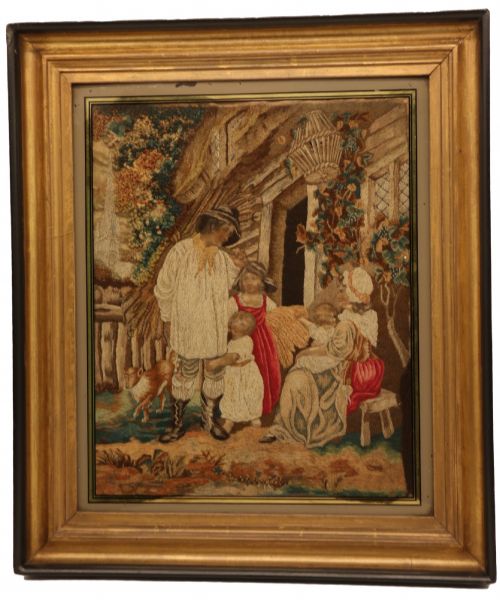
Pictorial embroideries present complete narrative scenes, landscapes, or portraits, combining stitchwork with watercolour elements or specialised frames for domestic display.
How do I care for 19th century silk textiles?
Maintain stable indoor humidity and moderate temperatures away from heat sources to preserve delicate protein-based silk fibres. Professional textile conservators should handle any necessary cleaning or stabilization work.
Keep framed works sealed properly against dust and insects using archival materials behind the glass.
Can I identify the origin of a Central Asian embroidery?
Regional centres such as Bokhara, Tashkent, and Samarkand developed distinct colour palettes, specific floral arrangements, and unique ground cloth preferences. Examining the primary stitch structure and design layout helps localize the piece.
Tribal groups like the Lakai utilised specific small-scale formats and dynamic geometric forms that differ from urban workshop output.