

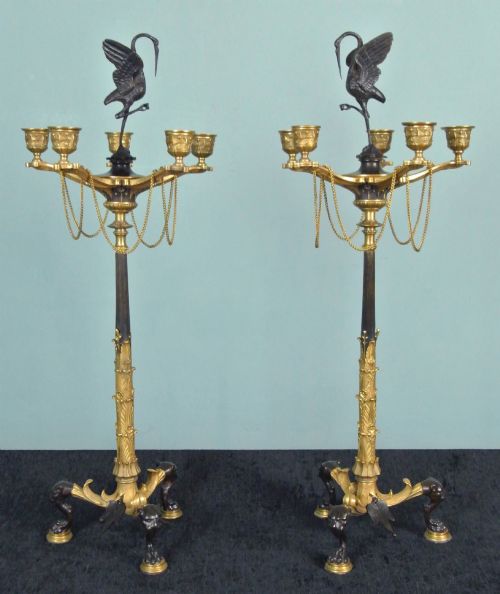
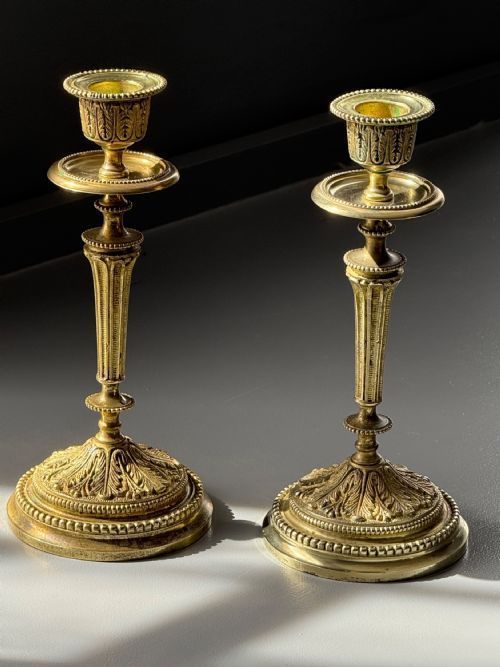
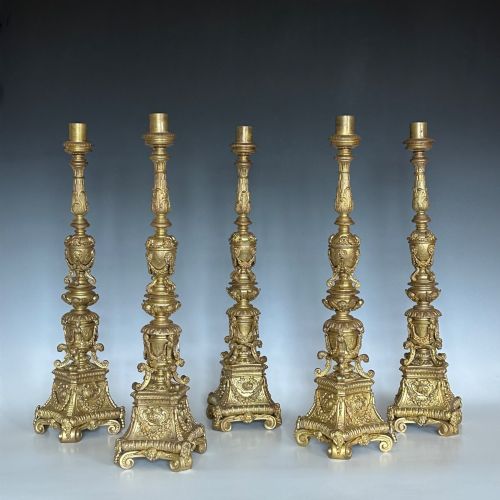
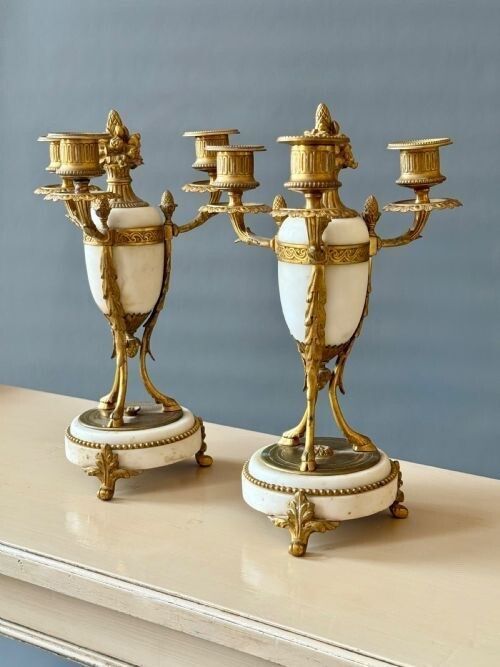
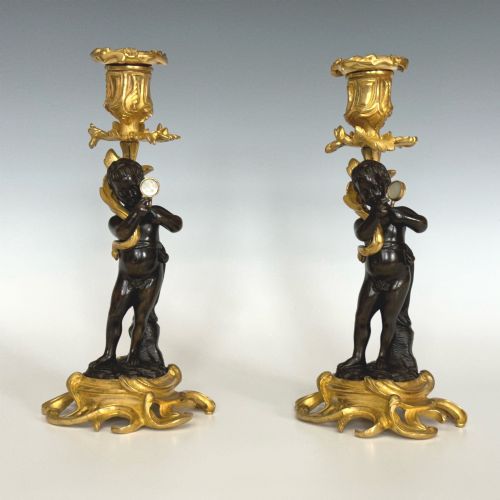
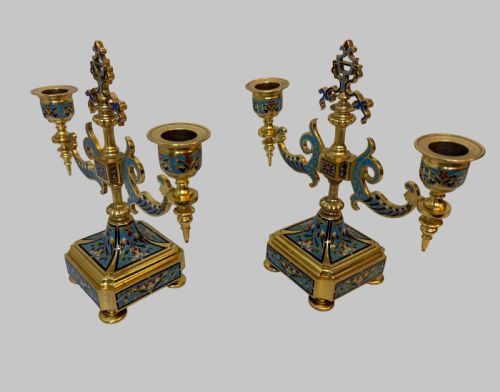

Antique Ormolu Candle Stand
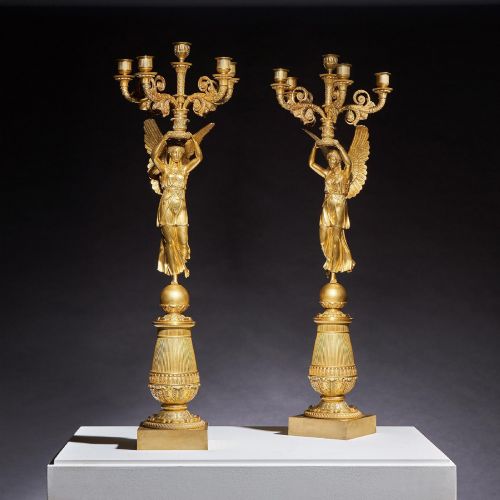
An antique ormolu candle stand brings dramatic metallic lustre and classical French design to a mantelpiece or side table.
Antique Ormolu Candle Stand
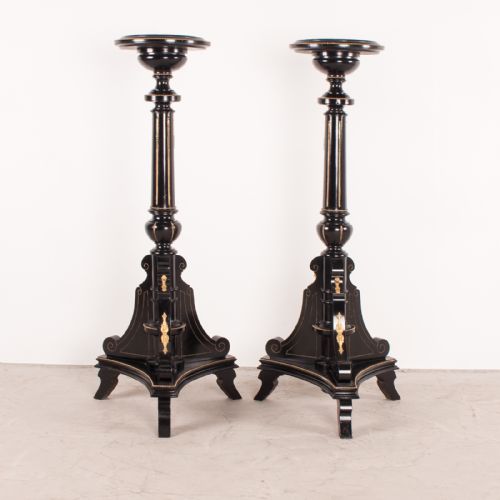
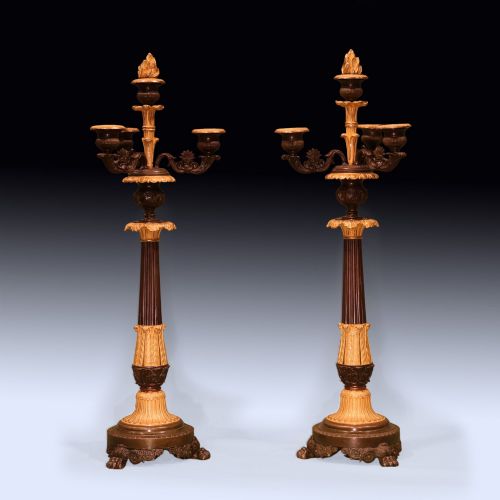
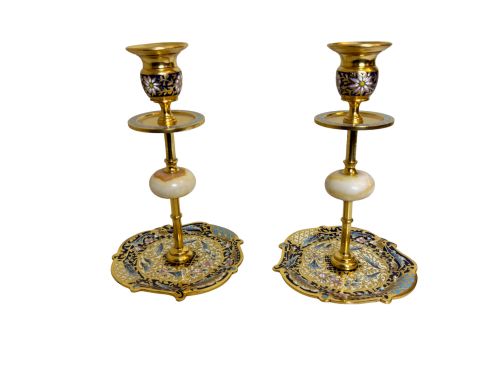
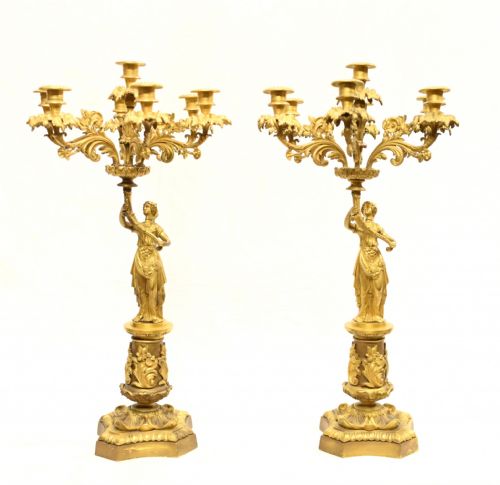
When searching for an antique ormolu candle stand, buyers encounter a variety of lighting forms including single candlesticks, multi-branched candelabra and elevated torcheres designed to hold candles securely.
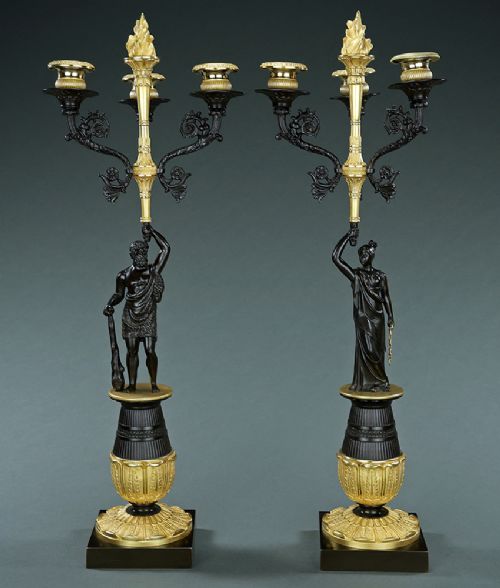
The selections available span multiple periods from the eighteenth to the late nineteenth century, with nineteenth-century French Empire, Louis XVI style and Victorian interpretations appearing most frequently.
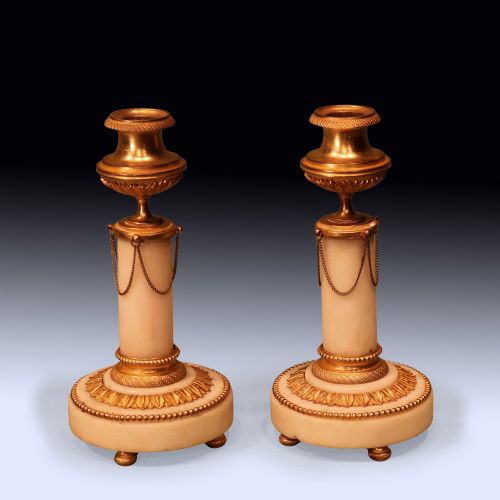
These objects typically combine metallic components with contrasting materials like white marble, onyx or patinated bronze to create decorative lighting for domestic interiors.
Materials and construction
Maker workshops utilised bronze, brass and gilt bronze, often applying a fine gold amalgamation known as ormolu to achieve a bright, durable metallic finish.
Many examples incorporate natural stone elements such as white marble or onyx bases, alongside patinated bronze figures and cast brass details.
Complex pieces combine chased and gilt metal components with fitted candle nozzles, bobeches and occasionally champleve enamel decoration.
Materials recorded across the inventory include gilt bronze, patinated bronze, white marble, onyx and champleve enamel.
Assessment of quality
Quality rests upon the crispness of the chasing in the gilt bronze and the weight and density of the underlying metal and stone components.
The integration of figural elements, such as caryatids, mythological subjects or animals, demonstrates the sculptor's skill and the workshop's ambition.
Superior pairs display balanced proportions, deep mercurial gilding that retains its varied matte and burnished textures, and firm structural joints.
Barbedienne·Pierre Philippe Thomire·Rabiat·Auguste Cain
The Antique Ormolu Candle Stand Glossary
- Ormolu
- A gilded bronze finish produced by applying a mercury and gold mixture to a bronze object and heating it. This technique creates a rich golden surface that defines many decorative French objects from the eighteenth and nineteenth centuries.
- Candelabra
- A branched lighting fixture designed to hold multiple candles simultaneously. They often feature removable branches allowing them to function as single candlesticks.
- Torchere
- A tall stand or pedestal originally intended to support a candle or torch. Nineteenth-century examples frequently take the form of decorative wooden or metal columns.
- Patinated Bronze
- Bronze treated with chemical solutions to produce a dark, weathered or coloured surface. This dark tone contrasts effectively with bright ormolu mountings.
- Bobeche
- A small collar or drip pan fitted below the candle nozzle to catch melting wax. They protect the decorative arms and shaft of the stand from damage.
Antique Ormolu Candle Stand: Frequently Asked Questions
What is the difference between ormolu and gilt bronze?
Ormolu specifically describes objects finished with a traditional mercury gilding process on a bronze base, creating a distinctively warm and durable golden layer.
Gilt bronze is a broader term that encompasses various methods of applying gold leaf or liquid gold to a bronze foundation.
How were these stands used historically?
These pieces provided illumination in domestic interiors before electric lighting, placed on tables, desks and mantelpieces to reflect candlelight into the room.
Larger candelabra and torcheres also served as decorative status objects during formal dinners and evening receptions.
Can these candle stands hold modern candles?
Most antique candle nozzles accept standard taper candles, though slight variations in nineteenth-century sizing may require minor adjustments for a secure fit.
Collectors often utilise fitted beeswax tapers to prevent dripping and protect the original metal surfaces from heat damage.
How do I identify French Empire style pieces?
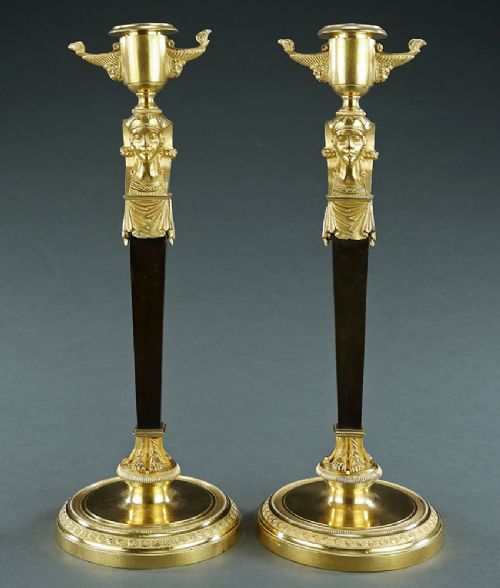
French Empire pieces typically display strict classical symmetry, martial motifs, Egyptian revival elements, and robust patinated bronze figures contrasted with bright ormolu.
Common decorative themes include sphinxes, caryatids, laurel wreaths and mythological subjects popular during the early nineteenth century.