







Antique Ormolu Bowl
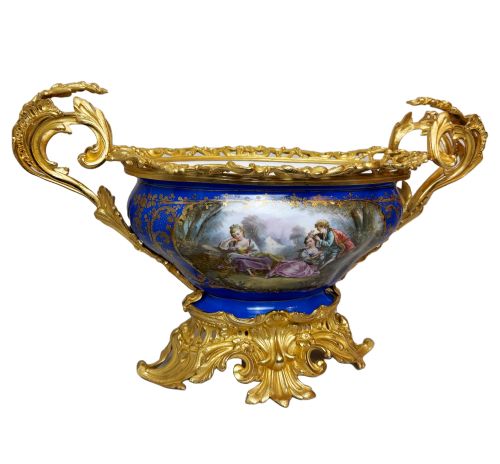
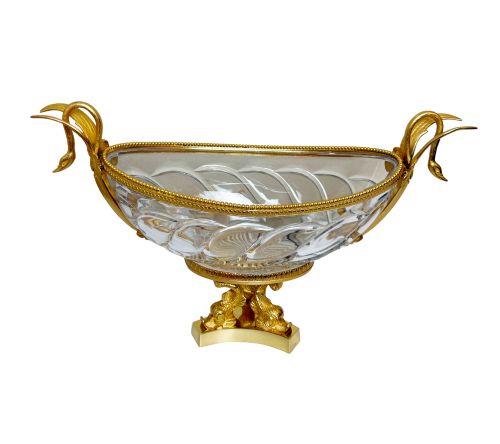
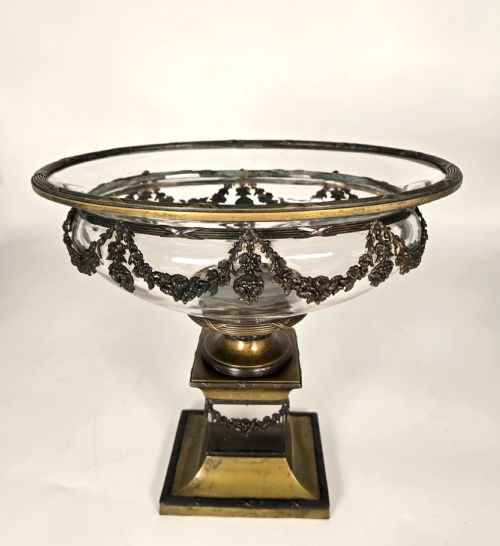
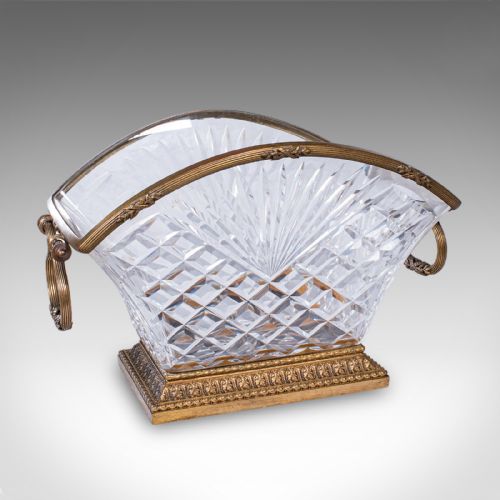
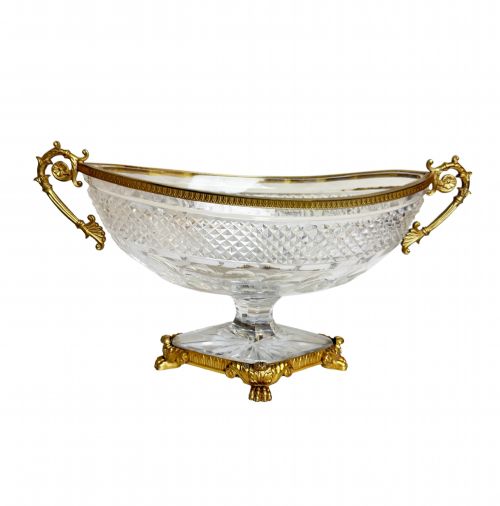
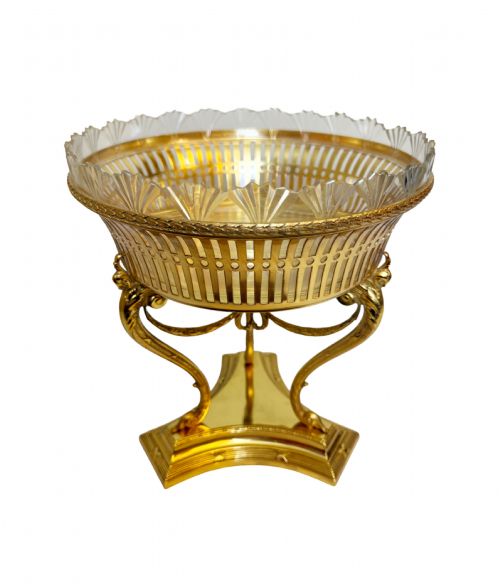
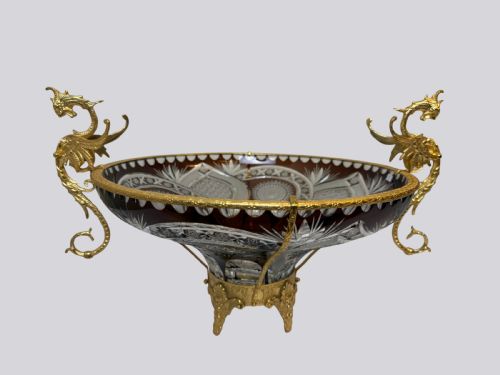
An antique ormolu bowl brings gilt bronze mounts together with porcelain, cut crystal, and marble for a dramatic centrepiece.
Antique Ormolu Bowl
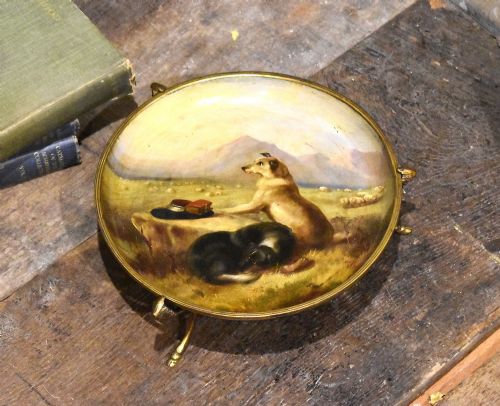
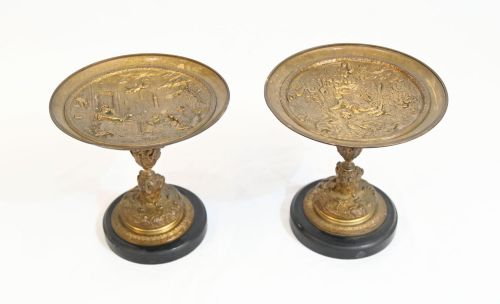
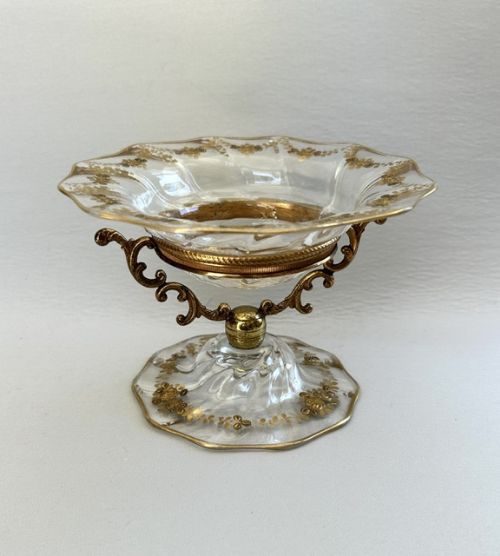
The antique ormolu bowl takes many forms across this selection, appearing primarily as centrepieces, comports, tazzas, and jardinieres. These pieces emerge from nineteenth-century workshops, spanning Victorian productions and the 1880s and 1890s.
French taste dominates the inventory, with French Rococo Revival, Empire, and Neoclassical styles setting the tone. Buyers meet items combining gilt bronze with Sevres style porcelain, champleve enamel, and cut glass inserts.
Grand Tour pieces and mounted oriental wares also feature, demonstrating the wide scope of nineteenth-century decorative arts. The typical vessel sits on a shaped base or pedestal, serving a purely decorative function on a dining table or console.
Materials and construction
Ormolu, or gilt bronze, provides the structural mounts and frames that define these objects. Artisans cast the bronze before applying a fine layer of gold via mercury gilding or electroplating, achieving a warm, durable finish.
Vessels combine this metalwork with diverse body materials, including hand-cut crystal, coloured glass, onyx, marble, and papier mache. Enamel work such as champleve and cloisonne often decorates the mounts, while porcelain inserts hail from Sevres or Paris factories.
Antique Ormolu Bowl Retail Price Guide 2026
Typical asking prices for ormolu bowl among the pieces listed under this phrase on Sellingantiques today, from the lower quarter to the upper quarter. They describe what is for sale here now, not the wider market.
Listings feature cut crystal, Sevres style porcelain, and champleve enamel paired with gilt bronze across the nineteenth century.
Assessing the work
Quality rests heavily on the crispness of the bronze casting and the depth of the gilding. Superior mounts display sharp relief in foliage, cherubs, or classical motifs, while lesser examples show softer edges and muddy details.
The integration between the metal mounts and the central bowl dictates the overall success of the piece. Fine mountings fit the contours of the glass, porcelain, or stone precisely without relying on excessive adhesives or loose pins.
Christofle Paris·Louis Pierre Malpass·Samson Porcelain
The Antique Ormolu Bowl Glossary
- Ormolu
- Gilt bronze produced by applying finely ground gold to a bronze base. This technique was widely utilised in French decorative arts.
- Tazza
- A shallow saucer-like dish mounted on a stem and foot. These items function as decorative table centrepieces.
- Champleve
- An enamelling technique where troughs are dug into a metal surface and filled with vitreous enamel. The metal partitions remain visible between the coloured areas.
- Comport
- A raised dish used for serving fruit or sweets on a formal table. In nineteenth-century interiors, they served largely as decorative centrepieces.
- Jardiniere
- An ornamental pot or stand designed to hold plants or flowers. They frequently incorporate metal mounts and porcelain bodies.
Antique Ormolu Bowl: Frequently Asked Questions
How were antique ormolu bowls used?
These vessels functioned primarily as decorative centrepieces on dining tables, sideboards, or console tables during the nineteenth century. They held fruit, flowers, or simply displayed the artistry of their metal and glass components.
Today, they remain purely decorative objects suited for prominent placement in a reception room or hallway.
How do I clean ormolu and gilt bronze?
Dust gilt bronze gently with a soft, dry brush to prevent dirt accumulation in the recessed areas. Avoid all commercial metal polishes, as abrasive compounds will strip away the thin layer of gold.
Water and harsh chemical cleaners must also be kept away from the surface to preserve the historical finish.
What is the difference between an ormolu bowl and a tazza?
An ormolu bowl refers broadly to any vessel featuring gilt bronze mounts, regardless of its overall shape or depth. A tazza specifically describes a shallow bowl or dish raised on a stem and foot.
Many tazzas incorporate ormolu mounts around the rim, stem, or marble base.
Are these bowls always French?
While the majority of pieces reflect French taste, styles, and manufacturing centres like Paris or Sevres, items also originate from other European traditions. Grand Tour souvenirs and Bohemian glass pieces appear alongside French works.
English makers also adopted these continental styles during the Victorian period.