


Antique Orientalist Watercolour
These antique orientalist watercolour works capture distant scenes on paper and card, offering collectors a glimpse into nineteenth and early twentieth-century travels.
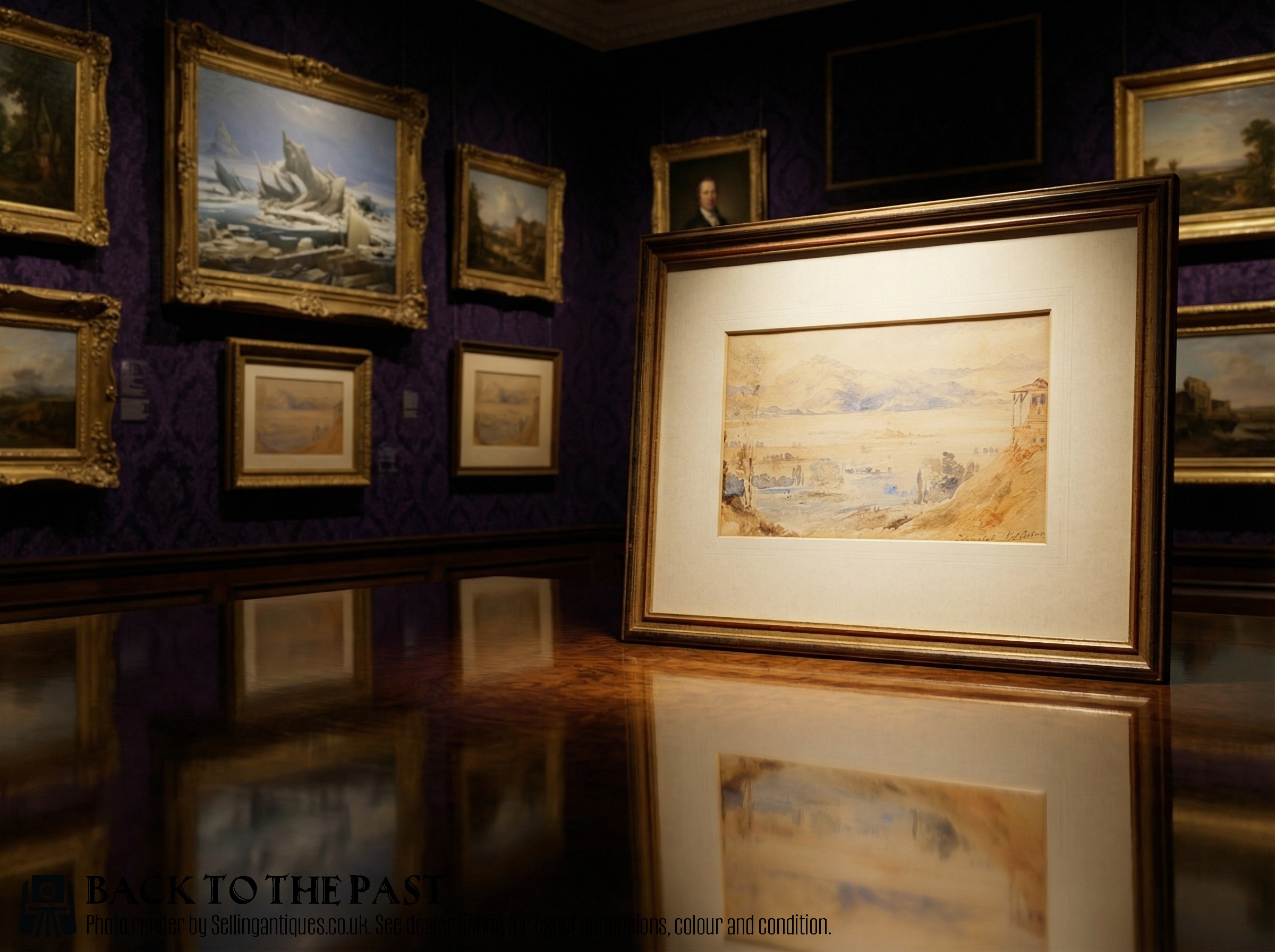
Antique Orientalist Watercolour
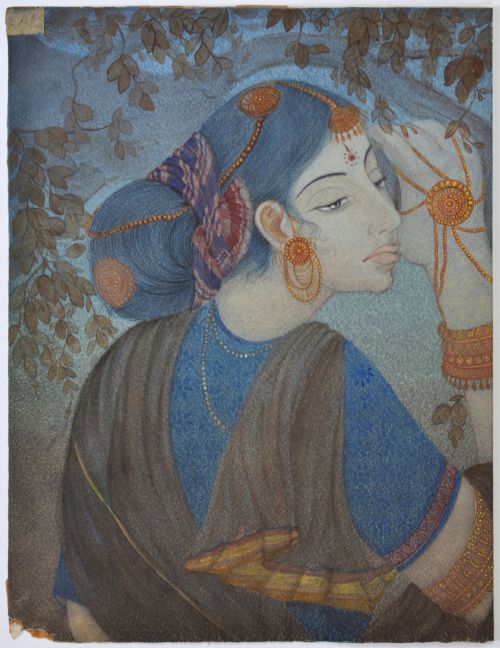
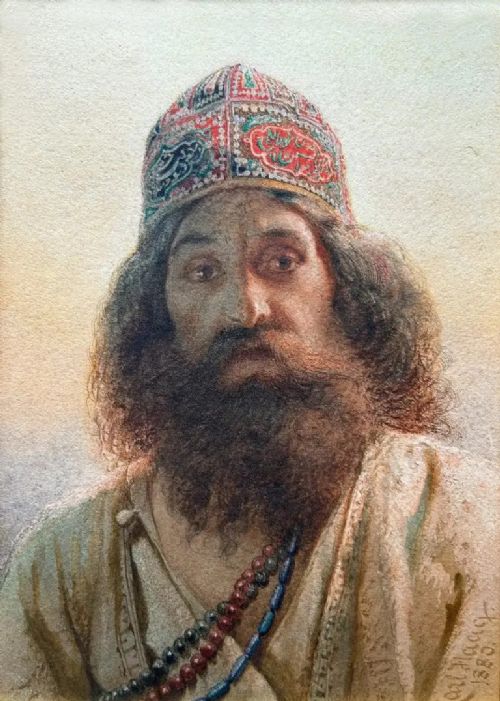
An antique orientalist watercolour brings together paintings on paper and card depicting Middle Eastern, North African and Asian subjects. These works span periods from the early nineteenth century through to the mid-twentieth century, capturing landscapes, figures and architectural scenes.
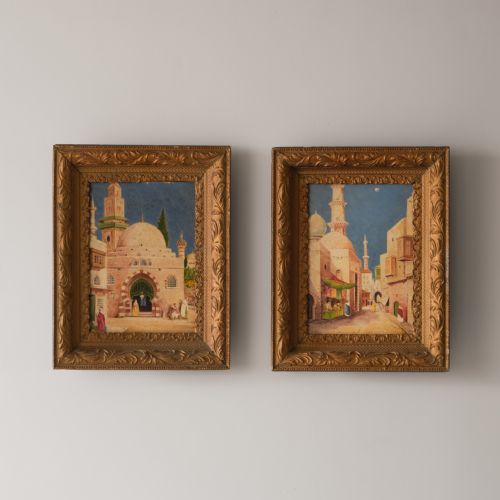
The selection includes framed paintings, watercolours combined with gouache, and early prints associated with orientalism and related revival styles. Pieces range from naive portrayals of cities like Baghdad to detailed studies by known artists working in the tradition.
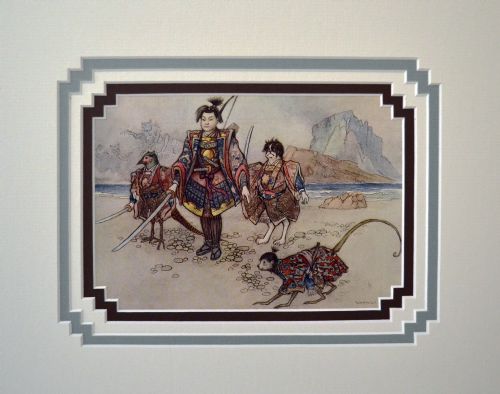
Buyers will encounter framed works in wood and gilt wood alongside mounted paintings on board. Subjects stretch from the Suez Canal and Egyptian riverbanks to Indian temples and Japanese fairy tale illustrations.
How they were made
Artists applied watercolour and gouache onto supports of paper, card and board, often building the composition through delicate washes. Pigments were handled to capture the intense light and atmospheric conditions of distant landscapes.
Finished works were typically mounted behind glass and housed in wooden, ebonised or gilt wood frames appropriate to their period of origin.
The listings span from the early nineteenth century through to nineteen-forty, utilising paper, card, glass, wood, and gilt wood.
What varies in quality
Quality rests in the precision of the brushwork and the sureness of the wash technique, separating hastily executed tourist pieces from masterly topographical studies. The handling of light and architectural detail reveals the artist's firsthand familiarity with the subject matter.
The integrity of the original paper support and the preservation of pigment vibrancy significantly affect the standing of a piece. Original framing in period wood or gilt surrounds further distinguishes superior examples.
Carl Haag·Warwick Goble·Edwin Lord Weeks·Charles Bellay·Earl Haig
The Antique Orientalist Watercolour Glossary
- Watercolour
- A painting method where fine pigment is suspended in a water-based, translucent solution. It is traditionally applied to paper or card to create luminous washes of colour.
- Gouache
- An opaque water-based paint often combined with watercolour in these works to add solid highlights and dense areas of colour. It dries to a smooth, matte finish.
- Orientalism
- An artistic movement depicting the cultures, peoples and landscapes of the Near East, Middle East and North Africa. It was particularly prominent among European and American painters during the nineteenth and early twentieth centuries.
- Ebonised
- Wood finished with a dark stain or polish to imitate genuine ebony. This treatment was common for nineteenth-century picture frames.
Antique Orientalist Watercolour: Frequently Asked Questions
What is an antique orientalist watercolour?
An antique orientalist watercolour is a painting on paper or card depicting scenes from the Middle East, North Africa or Asia, produced during the nineteenth or early twentieth centuries.
These artworks record landscapes, architecture and daily life observed by travellers, military personnel and professional artists of the period.
How should I display these watercolours?
These works require placement away from direct sunlight to prevent the watercolour pigments and paper supports from fading over time.
Displaying them behind glass in their original wooden or gilt frames helps protect the delicate painted surface from atmospheric moisture and dust.
How do I date an orientalist painting?
Dating relies on examining the characteristics of the paper, the framing materials, and any signatures, dates or inscriptions noted on the work.
Stylistic cues within the clothing, architecture and landscape details also point toward specific decades such as the Victorian era or the early twentieth century.
Were these painted on location?
Many artists travelled extensively through regions like Egypt, the Levant and India, creating initial sketches and watercolour studies on the spot.
Others developed finished studio paintings later, working from field notes, sketches and photographs brought back from their travels abroad.