



Ochre Paper Landscape Art
Ochre paper landscape art captures rural and urban vistas through the fluid medium of watercolour and pigment applied directly to paper.
Ochre Paper Landscape Art
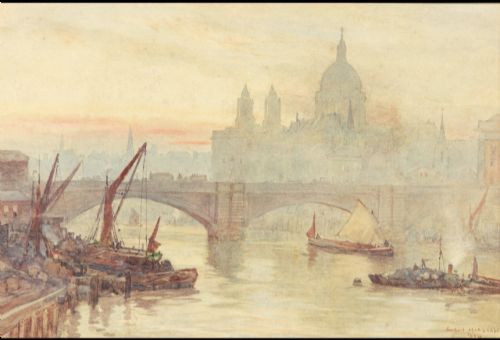
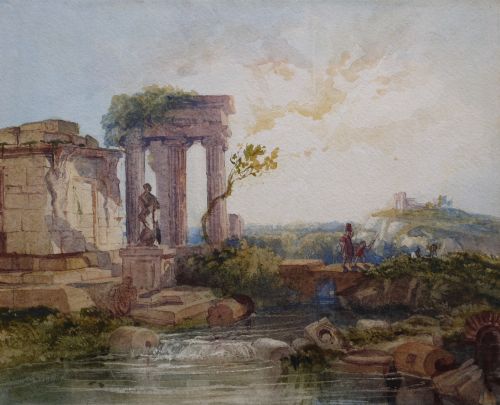
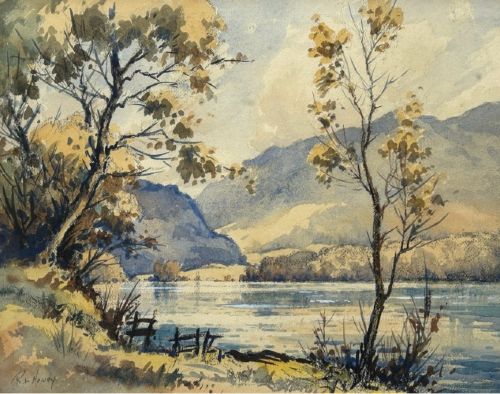
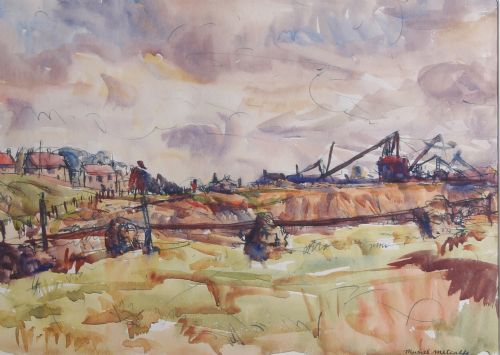
Buyers seeking ochre paper landscape art will encounter original watercolours, fine art paintings, and wall art produced across the nineteenth and twentieth centuries. These works span Victorian classical compositions, British Impressionism, and mid-century British school scenes.
The pieces typically depict rural countryside, lakes, coastal villages, and urban markets rendered in earthy pigments. Many examples originate from British artists documenting local topography or Grand Tour travels abroad.
Framed watercolours on paper form the primary focus of this selection, offering intimate views of landscapes from specific periods such as the Edwardian era and the nineteen-thirties.
Materials and technique
Artists utilise watercolour pigment and ink applied to paper sheets, frequently supported by wooden frames and protected beneath glass. The interaction between water-based paint and absorbent paper creates translucent washes and distinct tonal depths.
The combination of pigment, ink, and watercolour paint allows for both delicate atmospheric effects and sharper linear details in landscape depiction. These watercolours rely on the natural tone of the paper to supply highlights and background illumination.
Materials documented in these works include watercolour pigment, ink, paper, wood, and glass.
Assessing quality
Quality rests upon the artist's handling of pigment and the precision of the brushwork in capturing light and topography. Stronger examples display confident spatial depth and atmospheric control rather than flat washes.
Condition of the paper and the preservation of watercolour pigment under glass dictate the visual integrity of the finished work. Well-preserved pieces retain their original tonal balance without excessive fading from light exposure.
Richard Principal Leitch·Thomas Ellison·Robert Leslie Howey·David Roberts·Edwin Lord Weeks·Arthur Tucker·Charles James Lauder·Rowland Henry Hill·Clara Montalba·Benedetto Salviati·Joseph W Milliken·Frederick Mayor·Fred Stead·William Lucas·Arthur Claude Strachan·George Hamilton Constantine·George Sykes·John J Hamer·Fred Lawson·Yves Brayer·Tom Dudley·Arthur Severn·Joseph West·Charles Ashmore
The Ochre Paper Landscape Art Glossary
- Watercolour
- A painting method in which the pigments are suspended in a water-based solution. It produces transparent layers of colour on paper supports.
- Pigment
- The finely ground natural or synthetic coloured powder that forms the colouring agent in paints and inks. It determines the base hue of the landscape.
- Grand Tour
- A traditional cultural excursion of Europe undertaken by upper-class young European men of the eighteenth and nineteenth centuries. It generated demand for topographical landscape paintings.
- Impressionism
- A style of painting that focuses on the accurate depiction of light in its changing qualities. It emerged in British art through landscape interpretations of everyday scenes.
Ochre Paper Landscape Art: Frequently Asked Questions
What is ochre paper landscape art?
These works are original watercolours and paintings on paper featuring natural and urban views. They originate from various periods including the Victorian era and the mid-twentieth century.
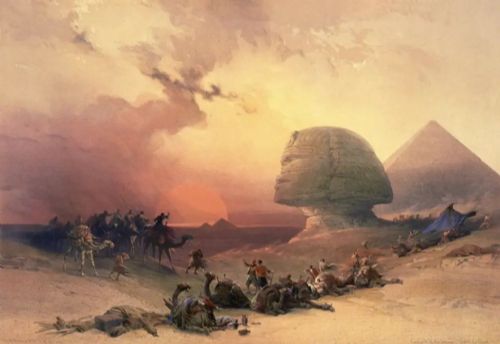
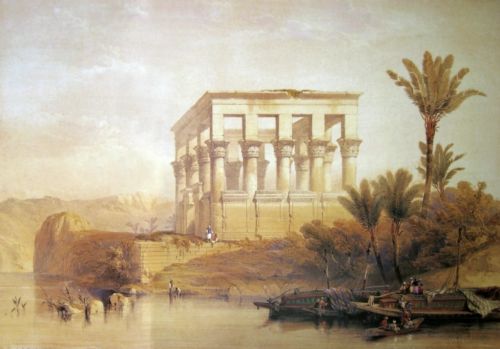
Subjects range from British lakes and Yorkshire towns to Venetian canals and orientalist desert scenes.
How should I frame these watercolours?
Watercolours on paper require protection behind glass to prevent atmospheric damage and fading. Acid-free mounts should separate the paper from the glass to preserve the pigment.
Keeping them away from direct sunlight ensures the longevity of the paper and the integrity of the watercolour wash.
How do I identify the period of a piece?
Dating relies on stylistic clues such as the attire of figures, architectural details, and framing techniques. Victorian and Edwardian works often bear distinct signatures, dates, or inscription styles.
Subject matter can also indicate the era, particularly with Grand Tour scenes or specific regional British school movements.
Were these pieces created outdoors?
Many landscape watercolours began as plein air sketches executed on location. Artists frequently worked directly from nature to capture transient light effects before finishing the pieces in a studio.
Inscriptions on the reverse or margin often record the exact location and date of the subject.