

Edwardian Framed Watercolour Painting
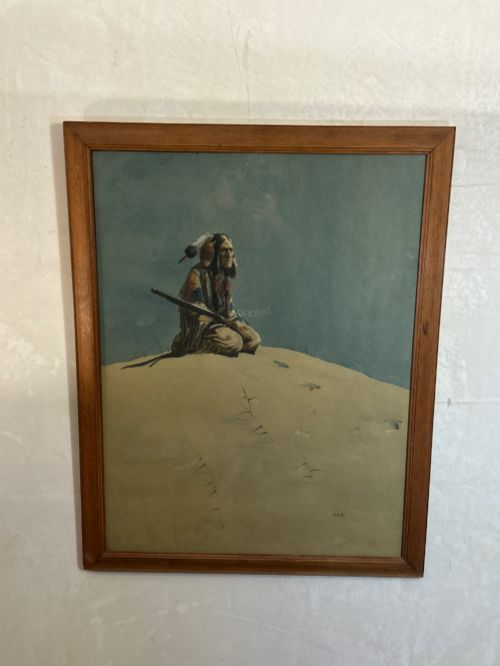
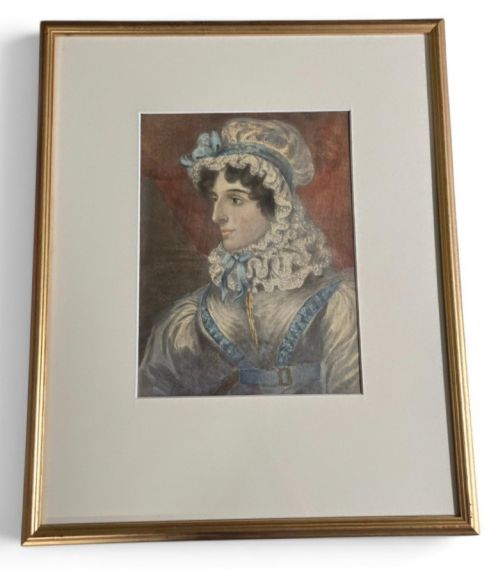
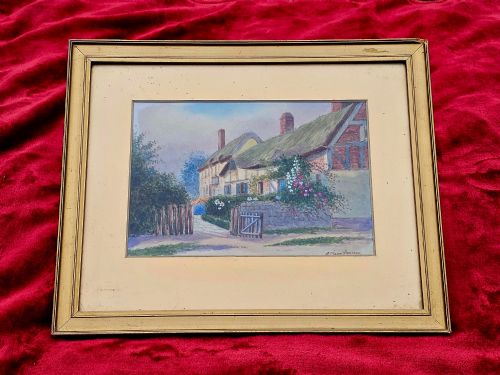
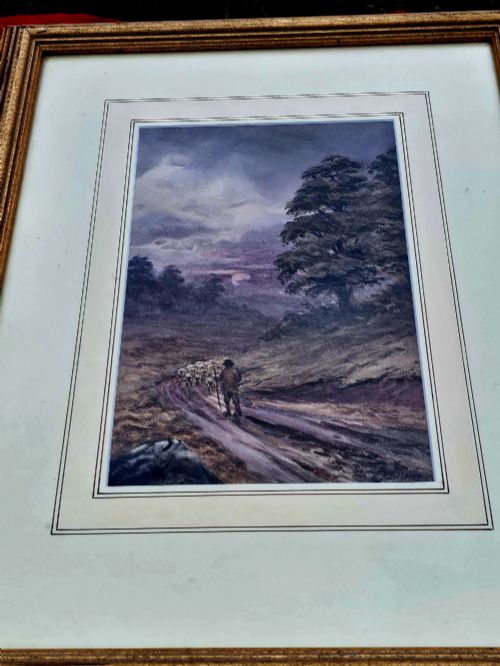
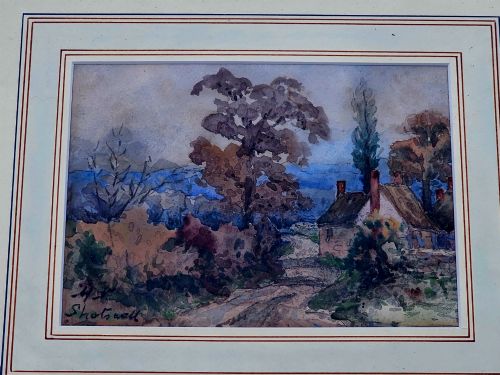
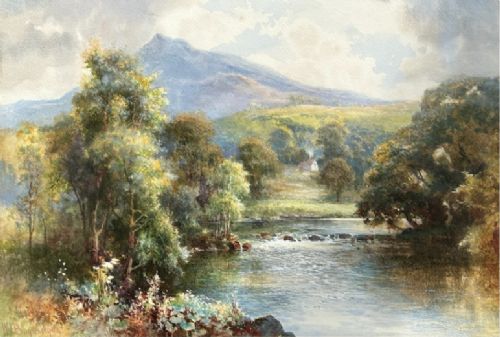
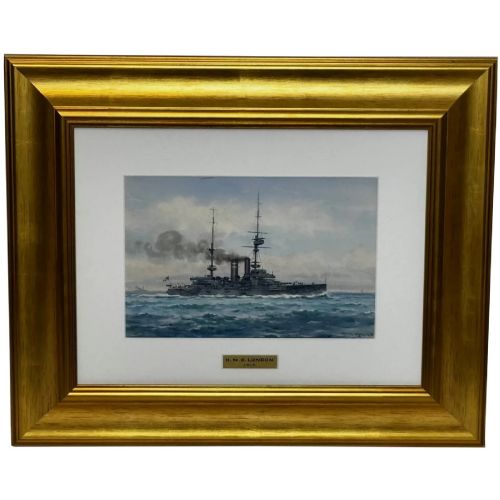
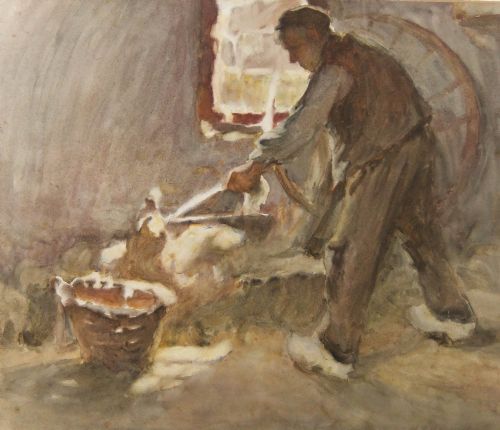
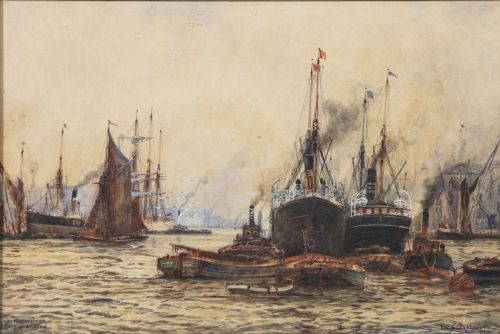
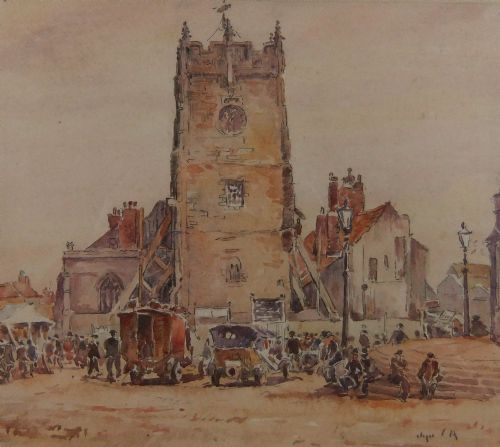
An edwardian framed watercolour painting captures landscapes, maritime scenes and intimate figures through delicate pigments on paper preserved under glass.
Edwardian Framed Watercolour Painting
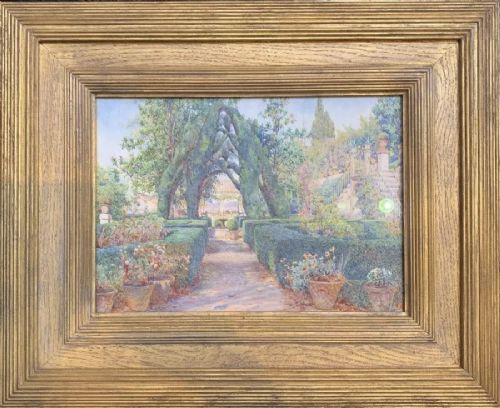
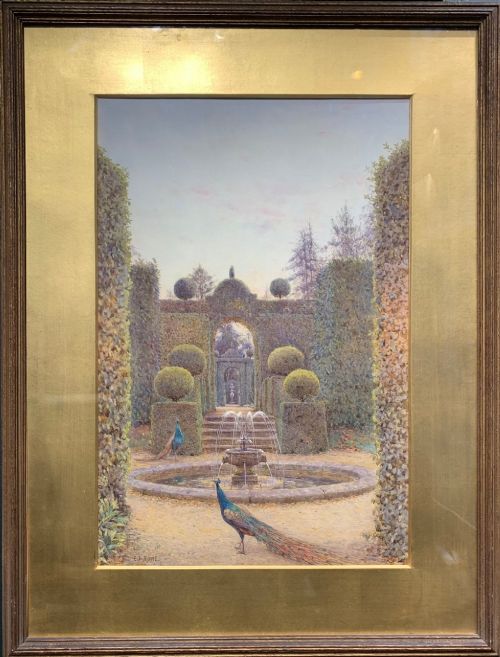
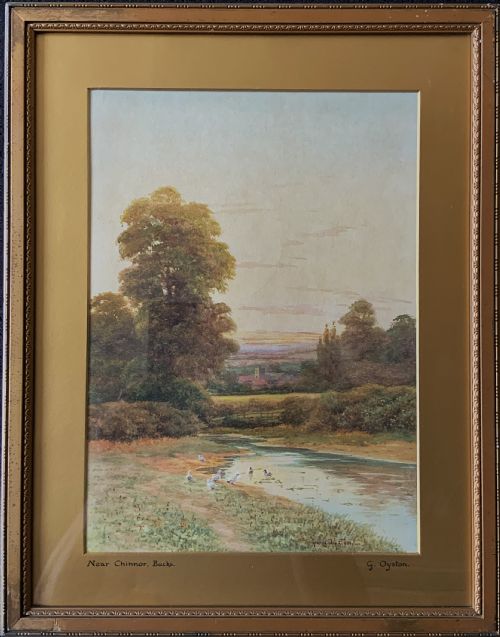
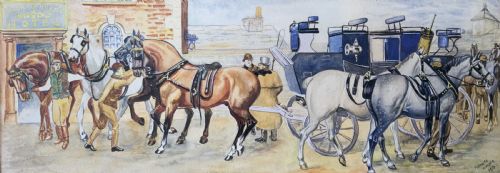
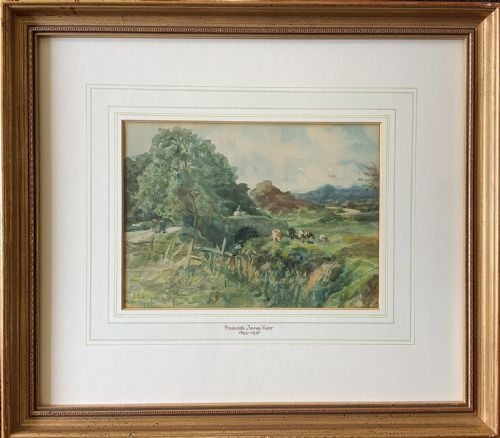
When you search for an edwardian framed watercolour painting, you encounter original works spanning rural landscapes, coastal harbours, garden studies and genre scenes created during the early twentieth century and surrounding decades. The pieces on this page reflect diverse artistic movements, including British Impressionism and maritime recording, capturing the light and mood of the era through fluid brushwork.
Most examples you meet are framed in wood or gilded mouldings that complement the delicate nature of the medium. These artworks range from intimate miniature portraits to expansive depictions of Welsh rivers, Venetian markets, Yorkshire coasts and North African tributaries.
Makers and signatories include professional artists working within established traditions, recording everyday life, pastoral settings and naval vessels with meticulous pigment application on paper.
Materials and Technique
Watercolour pigment combined with water is applied to paper or card, sometimes supplemented with gouache for opaque highlights and body colour. This technique allows transparent washes of tone to build up luminosity, particularly in skies and bodies of water.
Works are protected beneath glass and housed within wooden frames, frequently featuring gold leaf or gilded wood mouldings that isolate the delicate surface from environmental moisture and handling.
A sailor on a French ironclad battleship once painted a sentimental watercolour tribute to his shipmates.
Determining Quality and Execution
Quality rests upon the confidence of the brushwork, the preservation of pigment vibrancy against fading, and the sensitivity with which light and atmospheric perspective are rendered. Stronger compositions demonstrate a sure command of tonal values across landscape and maritime subjects without muddying the washes.
The integrity of the original framing and the condition of the paper surface also influence the standing of a piece, distinguishing rapid illustrative sketches from deeply resolved gallery paintings.
John Hassall·Frank Watson Wood·Ernest Arthur Rowe·George Oyston·Henry Charles Fox
The Edwardian Framed Watercolour Painting Glossary
- Watercolour
- A painting method in which the paints are made of pigments suspended in a water-based solution. The technique relies on the transparency of the washes to create luminous effects on paper.
- Gouche
- An opaque water-based paint consisting of watercolour mixed with a white pigment to create a heavier, denser finish. Artists utilise it to add highlights and solid details to watercolour paintings.
- Impressionism
- A style of painting that focuses on the visual impression of the moment, especially the shifting effects of light and colour. British practitioners adapted these principles to local landscapes and coastal scenes.
- Gilded wood
- Wood that has been coated with a thin layer of gold leaf or metallic powder. It provides a reflective, ornate border suitable for framing fine art watercolours.
Edwardian Framed Watercolour Painting: Frequently Asked Questions
How do I hang a watercolour painting safely?
Keep watercolours away from direct sunlight to prevent the pigments from fading over time. Choose a wall with stable temperature and humidity levels to protect both the paper and the wooden frame.
Ensure the hanging wire and wall fixings are secure, as framed pieces under glass carry substantial weight. Professional picture hooks suited to your wall type provide the safest support.
How are watercolours and gouache different?
Watercolour relies on transparent washes where the white of the paper shines through the pigment. This creates luminous, glowing effects particularly suited to skies and water.
Gouache includes an added white filler that makes the paint opaque. Artists use it to introduce solid highlights, sharp details and dense areas of colour alongside transparent washes.
How do I identify an Edwardian watercolour?
Examine the subject matter, costume, architectural details and framing style for characteristics of the period. Many works bear signatures, dates or inscriptions identifying the artist and location.
Papers and mounting materials from the early twentieth century also exhibit specific ageing characteristics that help verify the date of creation alongside stylistic evidence.
Should I reframe an antique watercolour?
Retain the original frame whenever possible, as it forms part of the historical object and its aesthetic context. Antique wood and gold leaf mouldings contribute to the character of the piece.
Only consider conservation reframing if the current housing causes active damage to the paper or glass through acidity or broken seals.