




Antique Oriental Wall Rug
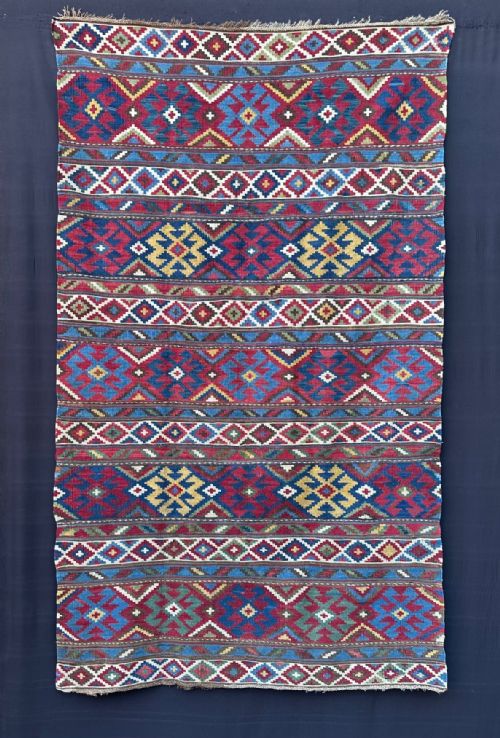
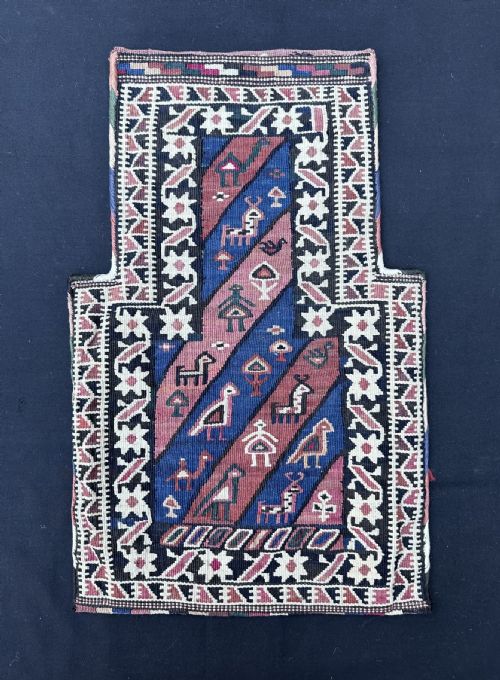
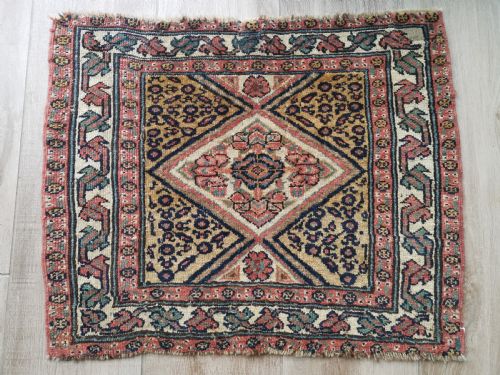
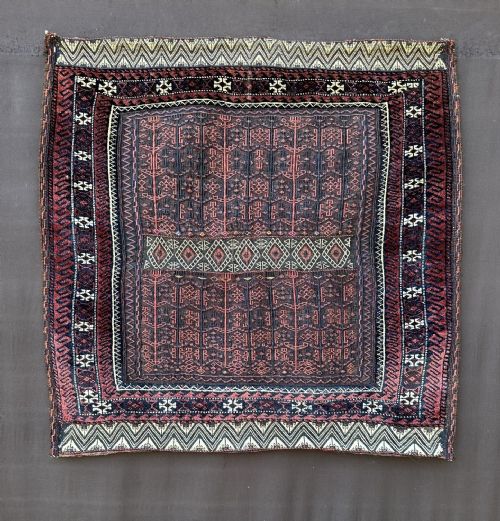
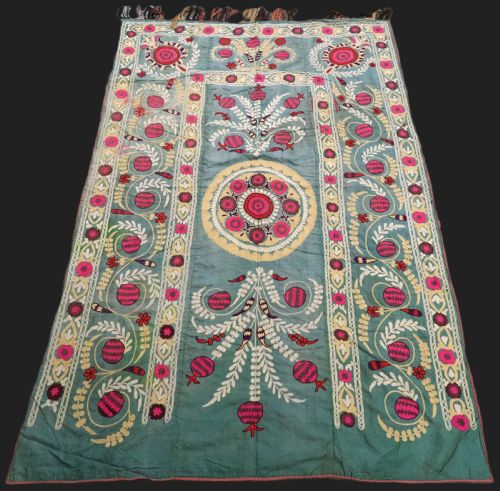
These antique oriental wall rug pieces encompass tribal weavings, storage bags, and embroideries created across Central Asia and Persia during the nineteenth and early twentieth centuries.
Antique Oriental Wall Rug
How they were made
The construction relies fundamentally on hand-spun wool, cotton, and silk, combined with natural dyes that yield enduring colour saturation. Artisans utilised techniques such as pile weaving, flatweaving, and intricate silk embroidery on cotton or felt foundations.
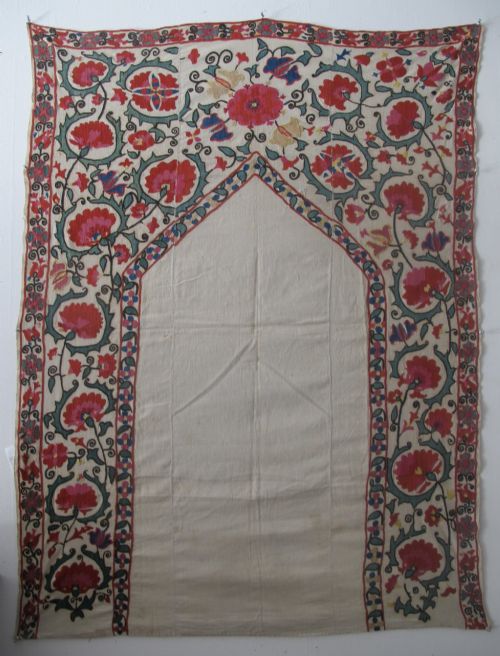
Nomadic workshops and village weavers executed precise geometric motifs, such as guls and tribal insignias, alongside floral and architectural embroidery. The integration of wool, silk thread, and applique work defines the structural integrity of these textiles.
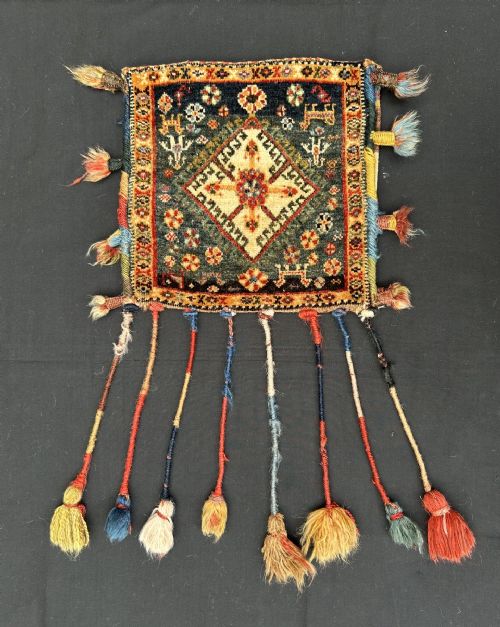
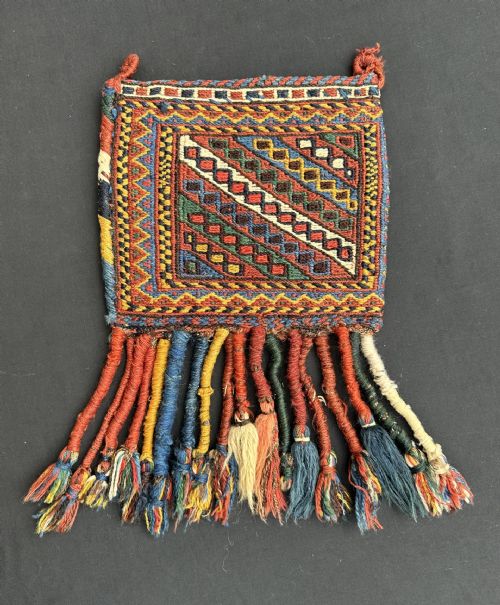
Many storage bags retain their original hanging loops, ready to hang exactly as nomads intended centuries ago.
What varies in quality
The distinction between tiers rests upon the density of the weave, the precision of the tribal motifs, and the clarity of the natural dyes. Superior examples exhibit finer knotting or embroidery work, maintaining structural balance across the entire textile.
Another measure of quality involves the preservation of original formats, such as complete bag faces with backs or intact hanging loops, which indicate careful historical handling by the producing tribes.
The Antique Oriental Wall Rug Glossary
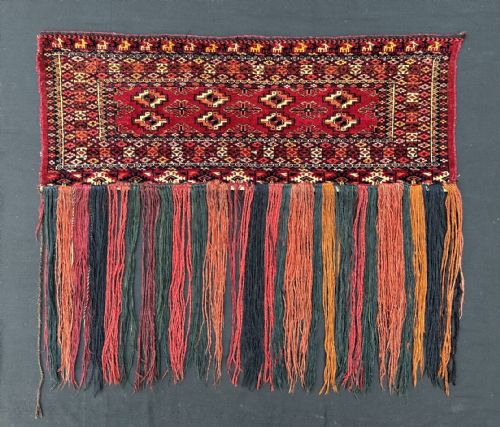
- Torba
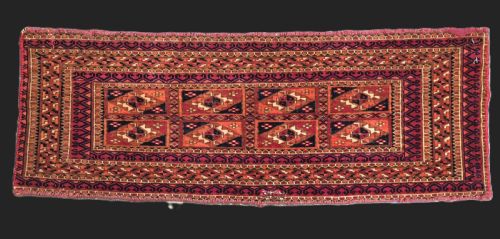
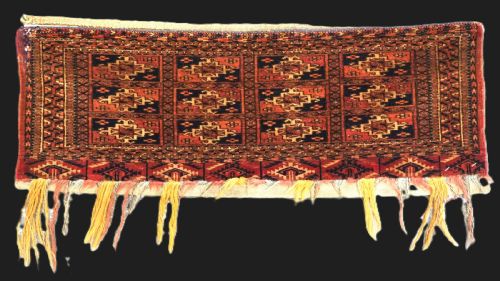
- A small Turkmen storage bag traditionally used inside a nomadic tent. These pieces frequently feature distinct tribal guls and make ideal wall displays.
- Suzani
- A large, embroidered wall hanging or bed cover originating from Uzbekistan and surrounding regions. They are worked in silk thread on cotton or silk foundations.
- Gul
- A primary medallion or repeating motif found in Central Asian tribal rugs and torbas. Each design often signifies a specific tribe or clan.
- Sofreh
- A spread or cloth used for dining or food preparation among nomadic groups. They display minimalist geometric layouts and practical flatweave construction.
- Chuval
- A large tent-storage bag produced by Turkmen tribes. They typically present multiple rows of major guls and sturdy construction.
Antique Oriental Wall Rug: Frequently Asked Questions
How do I hang an antique textile safely?
Mounting a textile requires distributing the weight evenly across the entire upper edge to prevent distortion of the foundation fibres. Using a sleeve attached with conservation-grade cotton stitching to a padded board is standard practice.
Avoid applying direct pressure with clips or nails that pierce the material. Professional framing with UV-filtering glass also protects the natural dyes from fading over time.
What is the difference between a torba and a chuval?
A torba is a smaller Turkmen storage bag, typically wider than it is high, designed for tent organisation. A chuval is significantly larger and functioned as a primary bedding or household goods sack.
Both formats display characteristic tribal guls, but their original utility dictated their distinct rectangular proportions.
How are different tribal designs identified?
Tribal attribution relies on the specific structural motifs, border arrangements, and colour palettes unique to groups like the Yomut, Tekke, or Ersari. The repeating guls act as visual signatures for specific nomadic confederations.
Reference literature detailing regional weaving habits helps verify the origin of particular bag faces and trappings.
Are these textiles fragile?
While centuries old, wool and silk weavings made with natural dyes possess considerable durability if handled with reasonable care. The density of the weave generally contributes to the structural resilience of the piece.
Displaying them away from direct sunlight and damp environments ensures the organic materials remain stable for decades.