





Antique Oriental Tray
An antique oriental tray brings centuries of craftsmanship into a room, offering both decorative presence and practical utility on a coffee or side table.
Antique Oriental Tray
When you search for an antique oriental tray, you encounter a diverse range of imported and British-made items spanning the eighteenth century through to the interwar period.
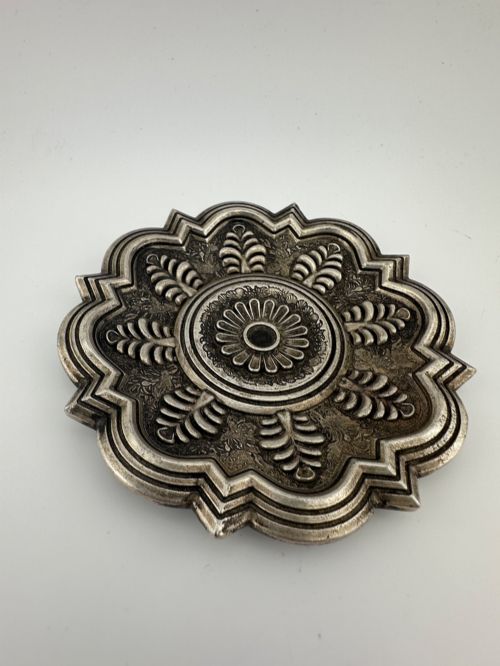
The selection on this page relies heavily on Japanese Meiji period metalwork and porcelain alongside Chinese export ceramics and carved hardwood furniture.
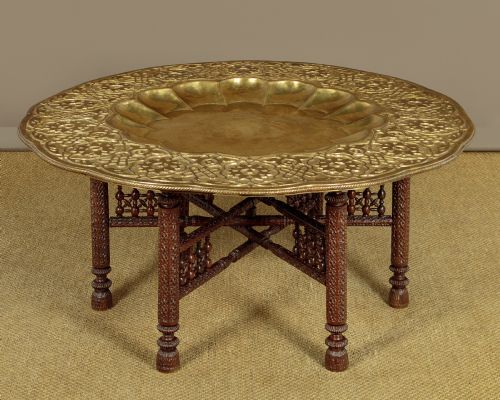
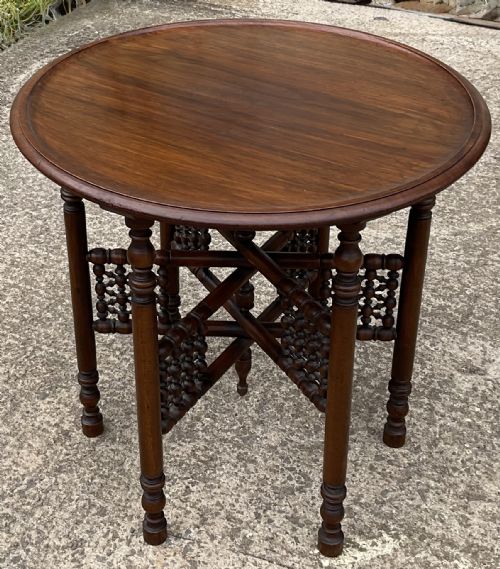
Many examples double as occasional furniture, featuring folding bases or stands that convert decorative serving platters into stable coffee tables.
How they were made
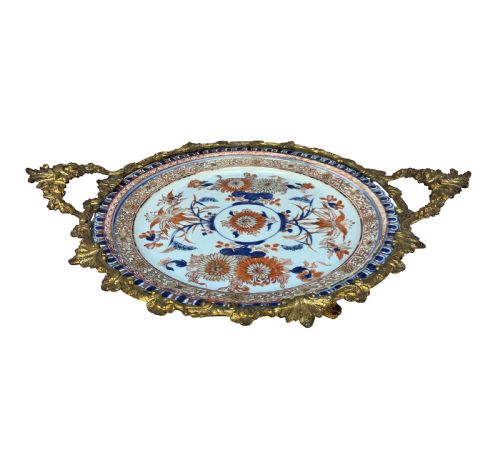
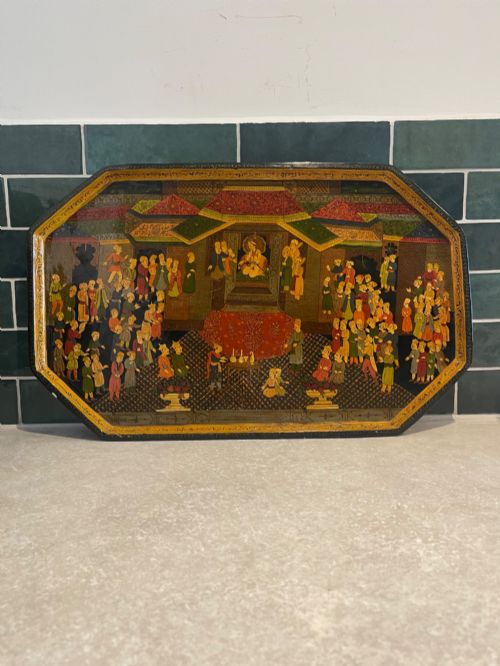
Artisans combined traditional materials such as hard lacquer, cloisonne enamel, bronze, and hardwood, frequently mounting porcelain plates in gilt bronze or brass.
Surface decoration required specialised techniques like gold leaf application, intricate wirework for enamel cells, and delicate hand-carving on papier-mache and timber.
Antique Oriental Tray Retail Price Guide 2026
Typical asking prices for oriental tray among the pieces listed under this phrase on Sellingantiques today, from the lower quarter to the upper quarter. They describe what is for sale here now, not the wider market.
Listings incorporate items spanning the eighteenth century through the nineteen-thirties, utilising porcelain, hard lacquer, brass, and carved hardwood.
What varies in quality
Quality rests in the crispness of the hand-carved detail and the stability of applied finishes like lacquer and enamel under close inspection.
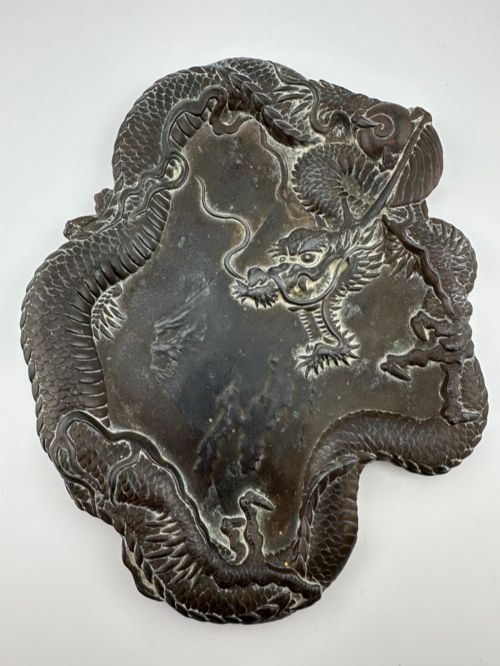
Pieces showing disciplined composition in motifs such as dragons, koi, and floral sprays command greater attention than hurried mass production.
The Antique Oriental Tray Glossary
- Cloisonne enamel
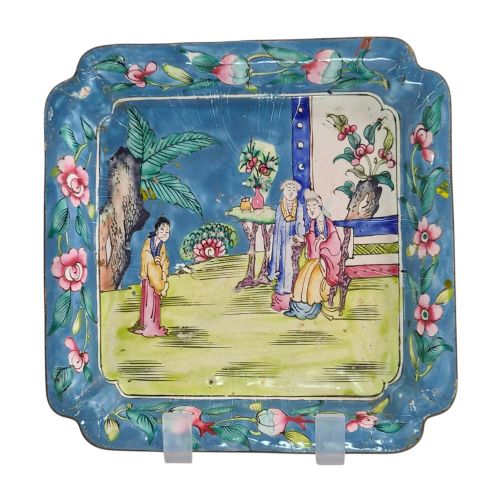
- A technique where flat wire is soldered to a metal base to form compartments filled with vitreous paste and fired. This method creates vibrant, multicolored pictorial designs across trays and plates.
- Imari
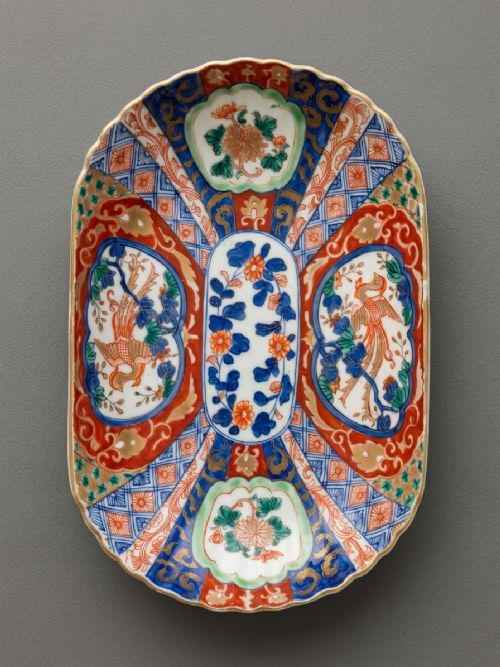
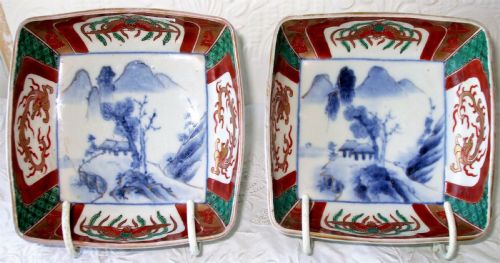
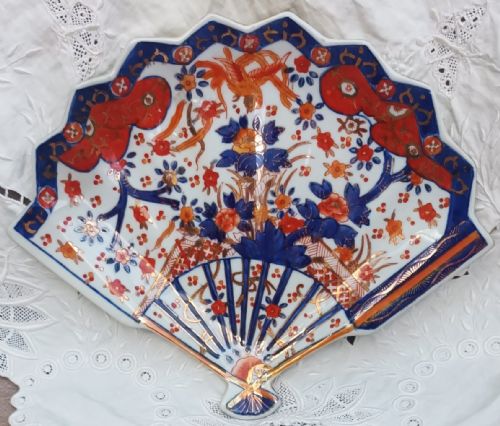
- A style of Japanese export porcelain characterised by underglaze blue and overglaze red, gold, and green decorations. It gained immense popularity in European interiors during historical trade periods.
- Chinoiserie
- European decorative design reflecting Chinese artistic motifs, popular during the eighteenth and early nineteenth centuries. It often manifests on lacquered tray tables and occasional furniture.
- Meiji Period
- The era of Japanese history lasting from 1868 to 1912, marked by the opening of trade with the West. Objects from this time display exceptional metalwork and meticulous enamel detailing.
- Famille Verte
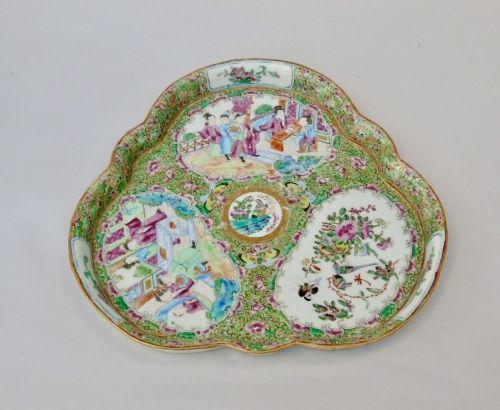
- A Chinese porcelain palette dominated by green enamel overglazes, developed during the Qing dynasty. It appears on decorative plates and large serving dishes.
Antique Oriental Tray: Frequently Asked Questions
How were these trays originally used?
Many served practical roles in tea ceremonies or for presenting food and drink in wealthy households.
Larger versions often rested on folding stands to function as movable side tables in drawing rooms.
How do I care for a lacquered tray?
Keep wooden and lacquered surfaces away from direct sunlight and excessive heat to prevent cracking. Dust gently with a dry, soft cloth rather than using liquid polishes.
Place protective mats underneath heavy items displayed on the surface to avoid scratching the delicate finish.
Are these items meant for daily use?
Most antique pieces demand gentle handling due to age, fragile enamels, and delicate gilt or lacquer work. They suit display and light service better than heavy daily tasks.
Table conversions provide sturdy foundations, but the top surfaces still benefit from careful treatment.
How do I distinguish Meiji period metalwork?
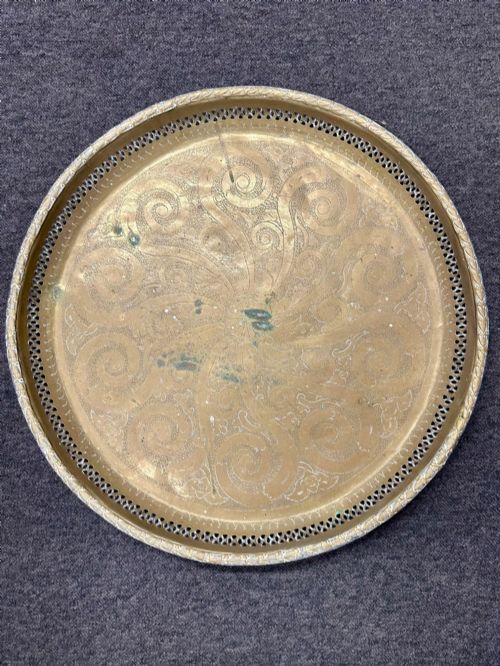
Meiji metalwork frequently incorporates patinated bronze, antimony, and mixed-metal inlay depicting traditional figures, dragons, and landscapes. The precision of the inlay work indicates the skill of the maker.
Signatures or studio marks sometimes appear on the reverse or base of these bronze and brass items.