


Antique Oriental Porcelain Set
An antique oriental porcelain set brings centuries of skilled ceramic tradition into your home, offering matching plates, vases, and tea services crafted in China and Japan.
Antique Oriental Porcelain Set
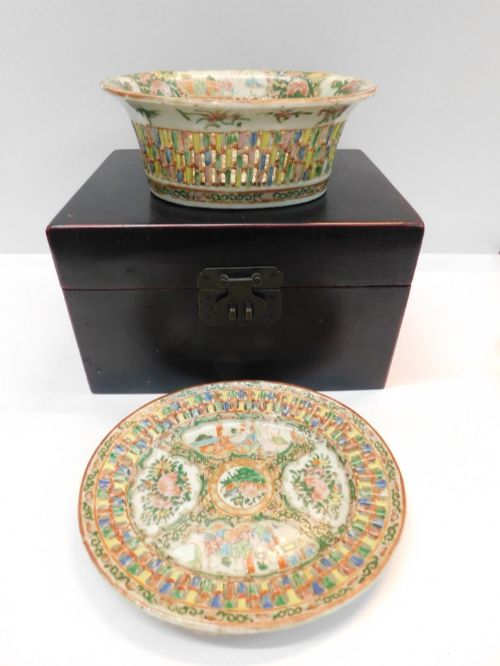
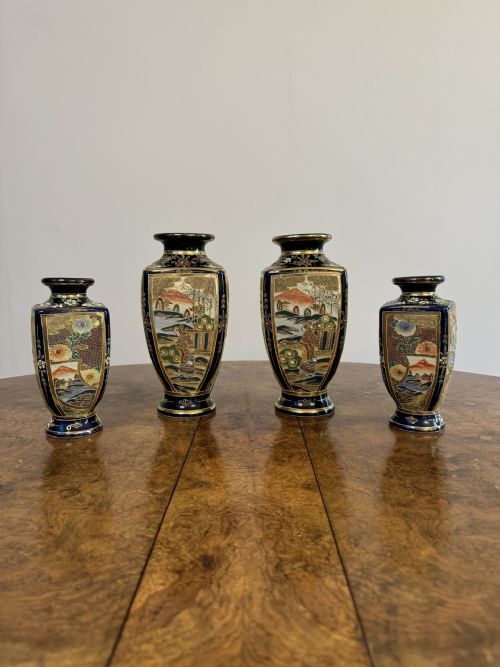
When you search for an antique oriental porcelain set, you encounter coordinated groupings of decorative plates, tea services, and matched vases originating from Chinese dynasties and Japanese periods. These groupings include matched sets of Imari plates, Satsuma bowls, and Chinese export tea wares spanning the eighteenth, nineteenth, and early twentieth centuries.
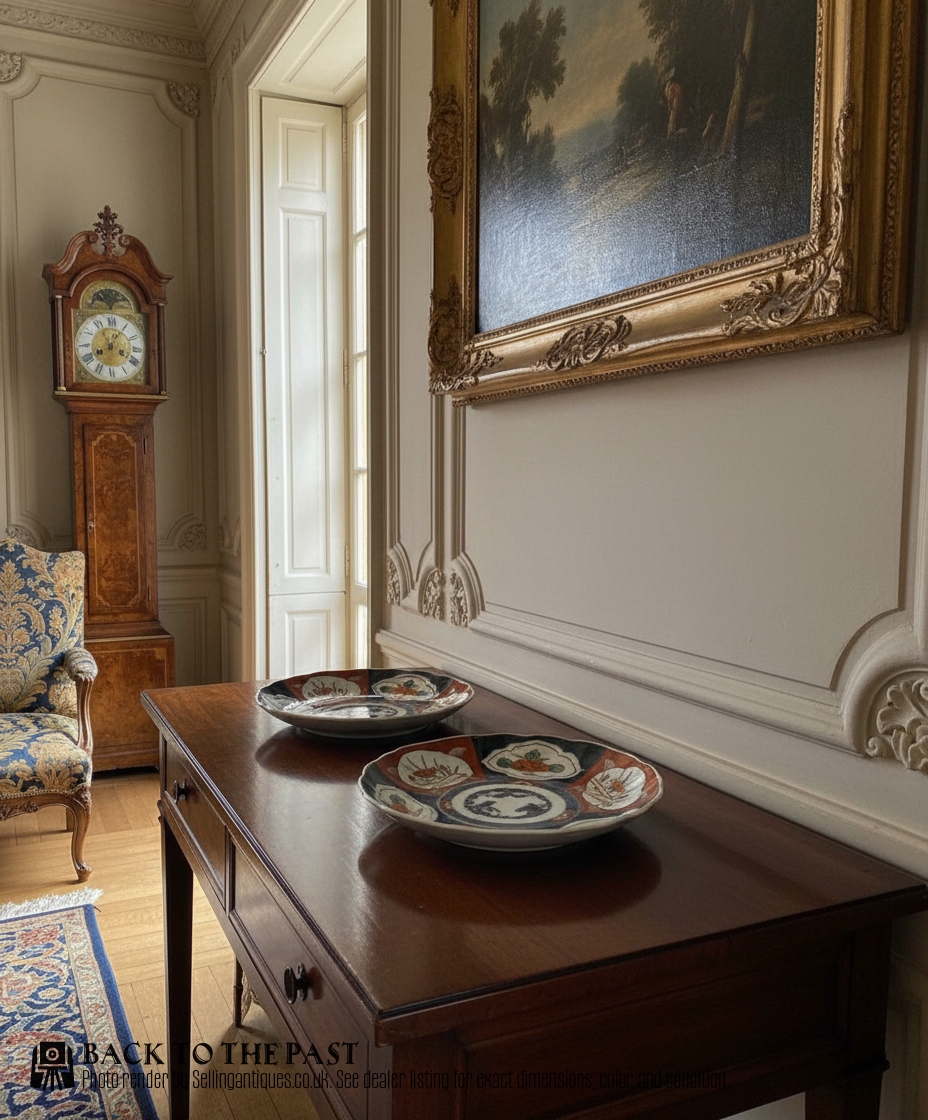
You are most likely to meet multi-piece gatherings of Japanese Imari plates and vases bearing traditional blue, iron-red, and gilt decoration. These collections range from small groups of dishes to larger garnitures designed for symmetrical display upon mantelpieces or furniture.
Materials and methods
Potters shaped fine porcelain clay before applying intricate underglaze and overglaze colours, frequently incorporating rich enamel pigments and gold leaf details. Workshops utilised wood-fired kilns to achieve the smooth vitrified bodies characteristic of these distant traditions.
Gilding and detailed hand-painting define the surface finish across many pieces, requiring precise brushwork for motifs such as flowers, figures, and geometric borders. The application of transparent glaze protects the delicate pigments beneath during daily use and long-term display.
Listings feature porcelain pieces spanning from the eighteenth century through the Meiji period and into the twentieth century.
Judging the work
Quality rests upon the crispness of the hand-painted brushwork, the evenness of the glaze, and the precision of the gilt detailing applied to the porcelain surface. Superior sets display careful control over the enamel palette and maintain a high degree of uniformity across every individual piece in the grouping.
The sophistication of the design execution and the preservation of the delicate gilding and enamel colours distinguish standard production ware from finer examples. Completeness within a matched service or garniture further elevates the standing of the pieces.
The Antique Oriental Porcelain Set Glossary
- Garniture
- A matched set of three or more vases designed for symmetrical display on a mantelpiece or cabinet top.
- Imari
- A style of Japanese porcelain featuring a distinct palette of underglaze blue, iron red, and added gold.
- Satsuma
- A type of earthenware with a fine crackle glaze, typically decorated with elaborate enamels and gilt.
- Qing Dynasty
- The final imperial dynasty of China, spanning the mid-seventeenth to the early twentieth century.
- Chinese Export
- Porcelain manufactured in China specifically for trade and sale to Western markets.
Antique Oriental Porcelain Set: Frequently Asked Questions
How do I display an antique oriental porcelain set?
Garnitures and matched vase sets look best arranged symmetrically on sturdy mantelpieces, sideboards, or dedicated display cabinets where their colours catch the light. Ensure pieces are placed away from heavy traffic areas to prevent accidental knocks.
For plate collections and tea services, use proper plate hangers or enclosed shelving to protect the delicate porcelain bodies and hand-painted enamel surfaces from dust and damage.
Can I use my antique tea service?
While these antique tea services were originally made for functional use, modern dishwashers and harsh detergents will quickly ruin fragile enamels and historic gilding. Hand washing in lukewarm water with mild soap is necessary if you choose to use them.
Given their age and historical value, most collectors prefer to keep antique porcelain sets strictly for display rather than everyday dining or beverage service.
What is the difference between Imari and Satsuma?
Imari pieces are hard-paste porcelain decorated in vibrant underglaze blues, iron reds, and gold leaf, resulting in a durable and colourful finish. They were produced primarily for export in large quantities during the Japanese periods.
Satsuma ware utilises a cream-coloured earthenware body covered in a fine network of transparent crackle glaze, then painted meticulously with dense floral or figural enamel scenes.