
Antique Oriental Enamel
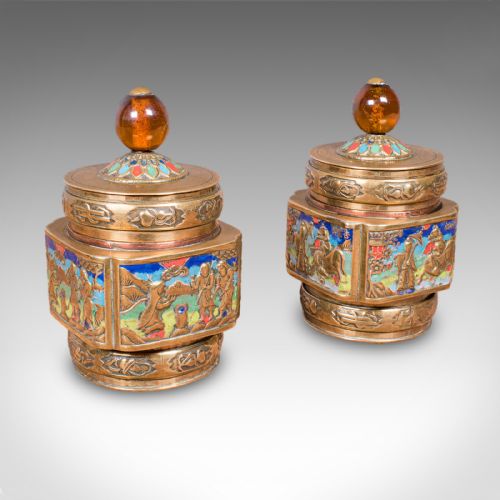
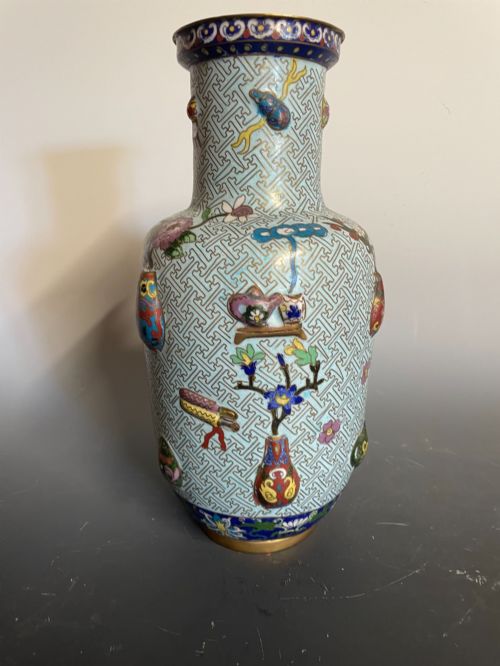
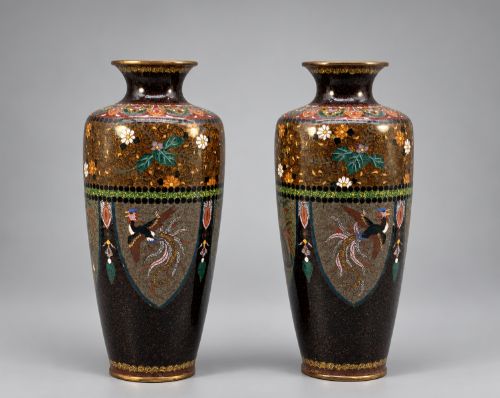
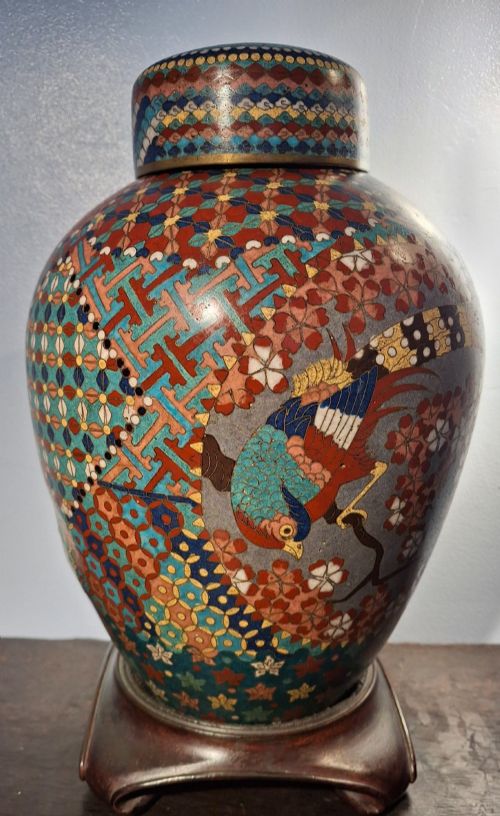
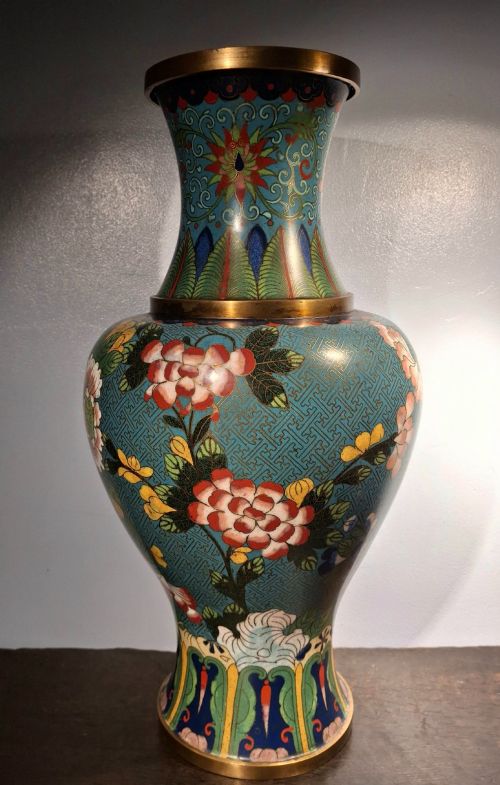
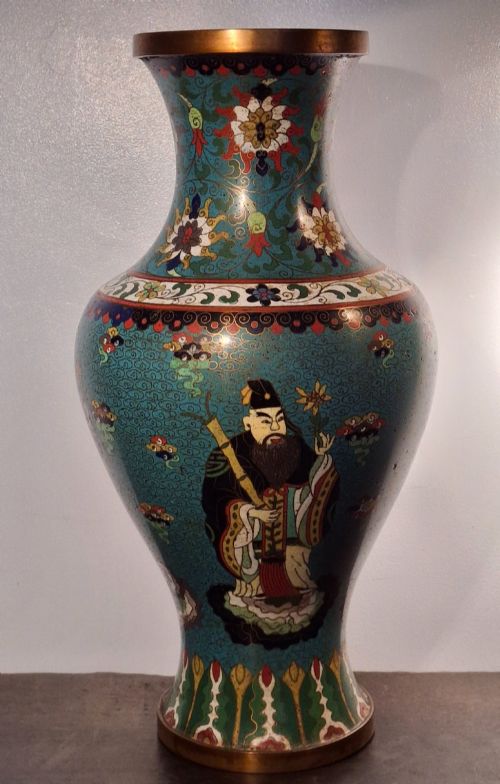
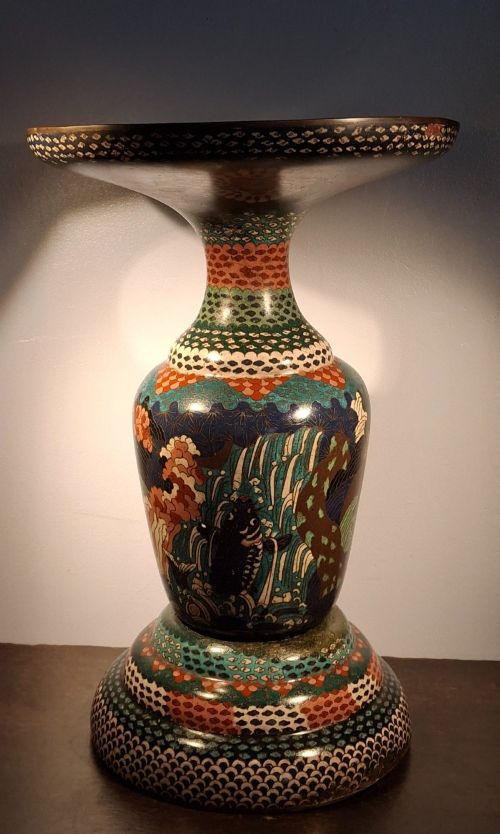
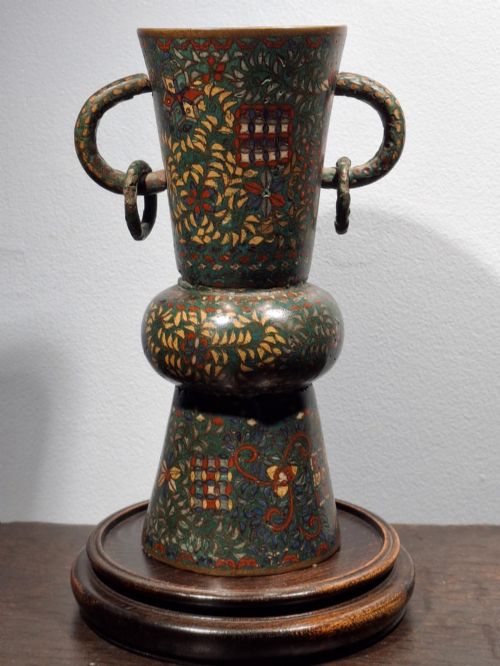
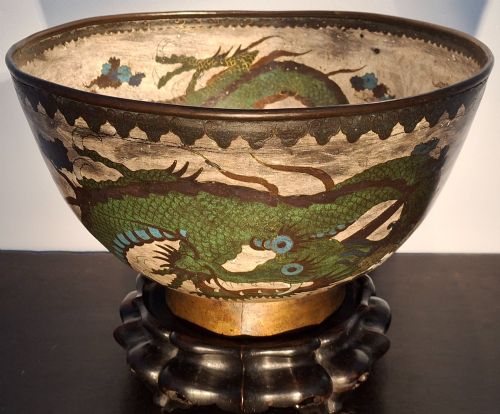
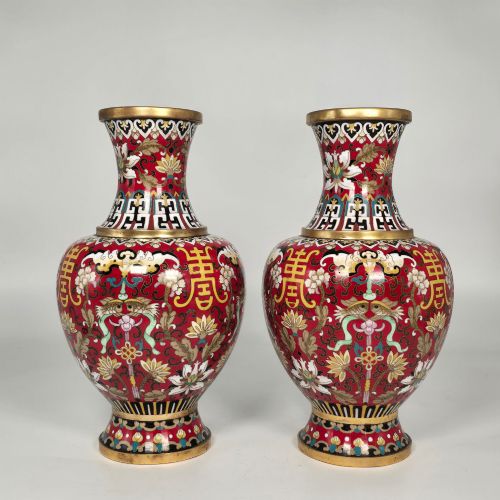
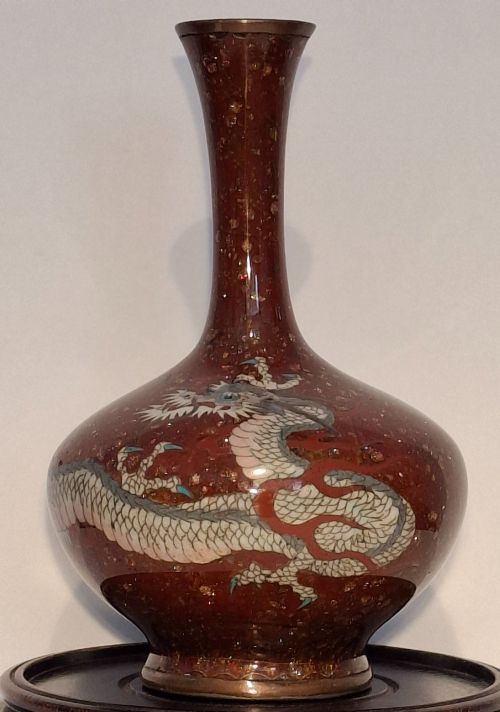
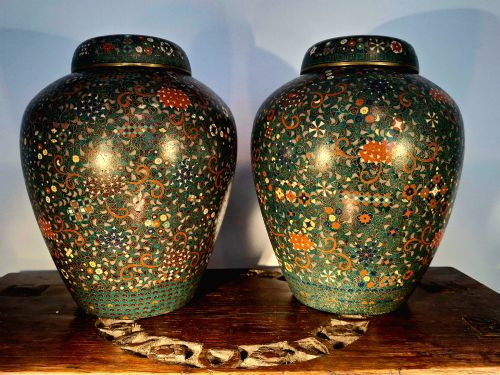
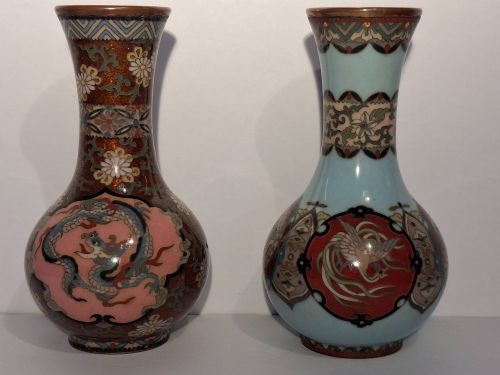
Antique oriental enamel brings together vibrant vessels and chargers from the Meiji period and Qing dynasty, prized for their intricate coloured surface work.
Antique Oriental Enamel
Antique oriental enamel encompasses a diverse array of decorative arts originating from China and Japan across the eighteenth, nineteenth, and early twentieth centuries. When exploring this selection, buyers frequently encounter pieces such as vases, decorative chargers, and censers alongside porcelain jars and bronze table lamps. These items reflect distinct aesthetic traditions from the Qing dynasty and Meiji period, ranging from scholarly brush washers to large floral bowls.
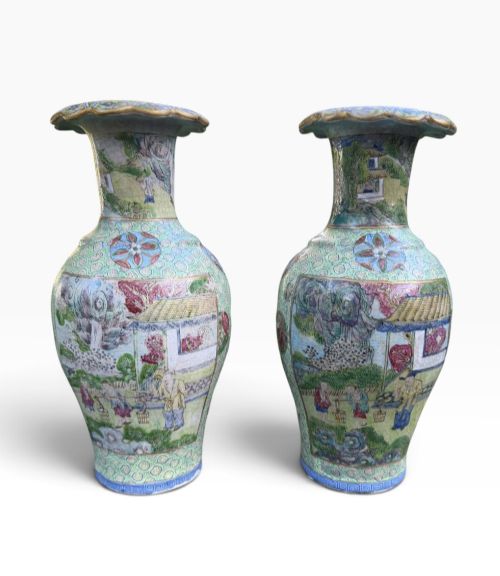
The objects available span several material categories, with cloisonné enamel, porcelain, and bronze forming the core of the inventory. Japanese pieces often showcase birds, flowers, and natural scenes across chargers and vases, while Chinese examples frequently feature famille rose palettes and mythical beasts. Whether examining a ginger jar or a champlevé lamp, each item demonstrates the enduring craftsmanship of eastern workshops.
How they were made
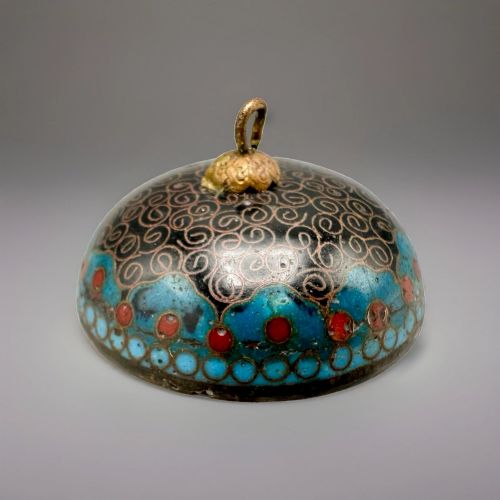
The creation of these works relies heavily on metalwork and ceramic traditions, particularly the application of vitreous pastes to bronze, copper, and brass surfaces. In cloisonné and champlevé techniques, fine wire cells or carved depressions hold the coloured enamel powders before high-temperature firing. Artisans then polish the metal ribbons and glass surfaces until smooth, achieving a durable and luminous finish.
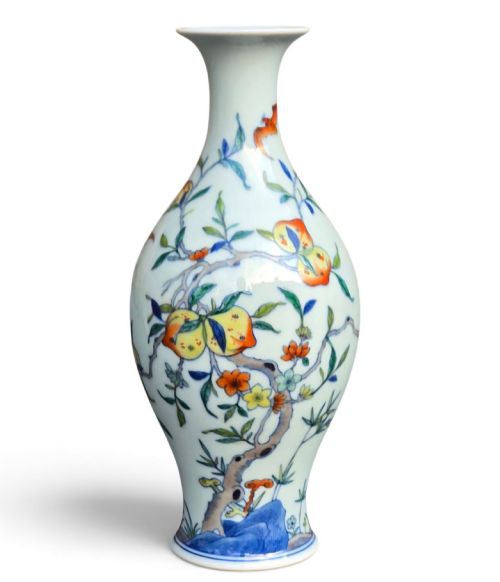
Ceramic pieces utilise porcelain or earthenware bodies decorated with hand-painted enamel pigments, sometimes enhanced with gold leaf and intricate moulded details. Workshops in regions such as Beijing, Kyoto, and Kobe employed specialised painters to apply rich palettes including famille rose and iron-red. The combination of precise metal forming and meticulous hand painting defines the physical character of these items.
Several bronze censers take the form of mythical beasts designed to exhale incense smoke through their jaws.
What varies in quality
Distinctions in quality often rest on the complexity of the design and the precision of the enamel work across the surface. Finer examples display immaculate cell-work or brush control, with balanced compositions of flora, fauna, or figural subjects that command attention. Lesser pieces may exhibit uneven enamel fills, simpler decorative schemes, or less refined mounting on bronze and brass components.
The reputation of the producing workshop or signature also influences the standing of an item within its period. Signed works from renowned Meiji period makers or pieces bearing specific imperial reign marks demonstrate superior mastery of materials. This execution of detail elevates certain chargers, vases, and figures above standard decorative production.
Maruni Kobe·Kinkōzan Workshop·Zhu Mao Ji
The Antique Oriental Enamel Glossary
- Cloisonné enamel
- A metalworking technique where thin metal wires are soldered to a base to form compartments filled with enamel paste and fired. This method creates detailed patterns bounded by delicate wire outlines.
- Champlevé
- A technique where troughs or cells are carved directly into a thick metal surface and filled with enamel before firing. It produces bolder lines than cloisonné.
- Famille rose
- A major palette of Chinese ceramic enamels introduced in the eighteenth century, characterised by opaque pink or rose colours. It allowed for subtle gradations of tone in floral and figural scenes.
- Satsuma
- A type of Japanese earthenware featuring a pale, crackled ivory glaze decorated with polychrome enamels and gold. It originates from the Satsuma Province and became prominent during the Meiji period.
- Censer
- A vessel designed for burning incense, frequently cast in bronze with intricate enamel or openwork covers. These objects often take the form of mythical beasts or tripod bowls.
Antique Oriental Enamel: Frequently Asked Questions
How do I clean antique enamel?
Maintenance requires only a soft, dry cloth to remove dust from the surface. Moisture and chemical cleaners can damage vulnerable metal wires and aged glazes.
Preserving the original patina means avoiding abrasive polishes entirely. Gentle handling ensures the longevity of both ceramic bodies and delicate metal mounts.
Are these pieces waterproof?
Most antique vessels, particularly those with metal wire construction or delicate interior glazes, are not watertight. Using them as functional vases for fresh flowers risks internal corrosion and staining.
Displaying these items dry protects the structural integrity of the enamel and metal. Collectors generally treat them as decorative objects rather than utility ware.
How do I date a piece?
Dating relies on stylistic markers, manufacturing techniques, and any reign marks or signatures present on the base. Nineteenth-century items often display distinct colour palettes and weight characteristics compared to later twentieth-century productions.
Comparing the style of decoration to documented periods like the Meiji era or Qing dynasty provides a reliable timeframe. Signature analysis further helps pinpoint the origin.
Where should I display them?
Placing these items in stable environments away from direct sunlight protects the vibrant enamel colours from fading over time. Secure surfaces prevent accidental tipping, especially for taller items like vases and lamps.
Allowing adequate space around chargers and censers highlights their intricate detail. Proper lighting enhances the metallic sheen of cloisonné and champlevé surfaces.