
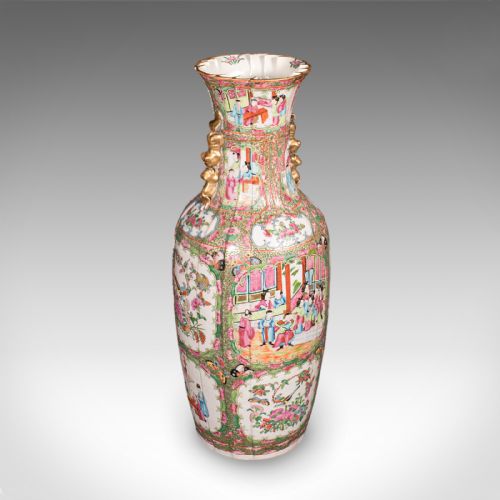


Antique Oriental Display Vessel
An antique oriental display vessel brings intricate enamel, bronze, and porcelain craftsmanship directly from Asian and Victorian workshops into your interior.
Antique Oriental Display Vessel
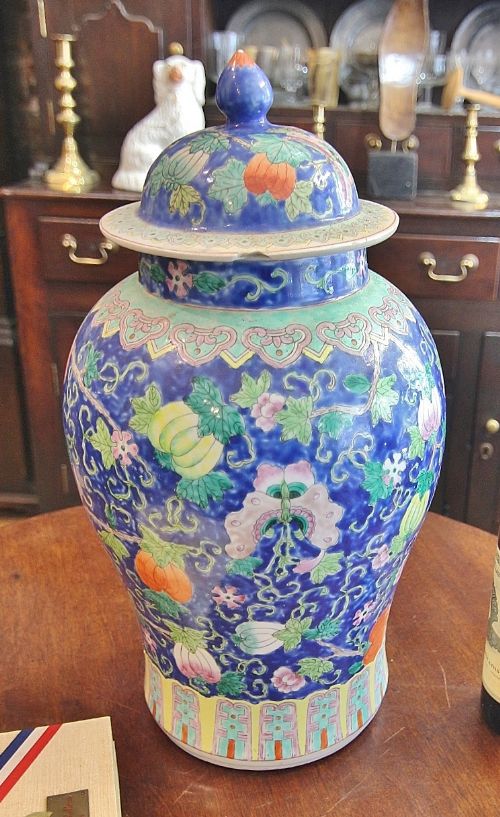
An antique oriental display vessel encompasses a rich variety of decorative forms designed to catch the eye, from large centre bowls and ginger jars to tall vases and urn stands. When searching for this phrase, collectors encounter items spanning the nineteenth century up to the nineteen-thirties, reflecting distinct periods such as the Meiji era and the Qing dynasty.
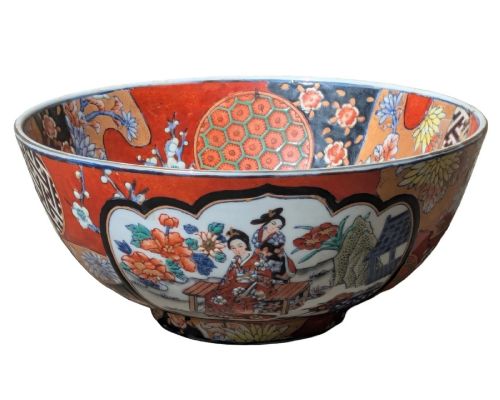
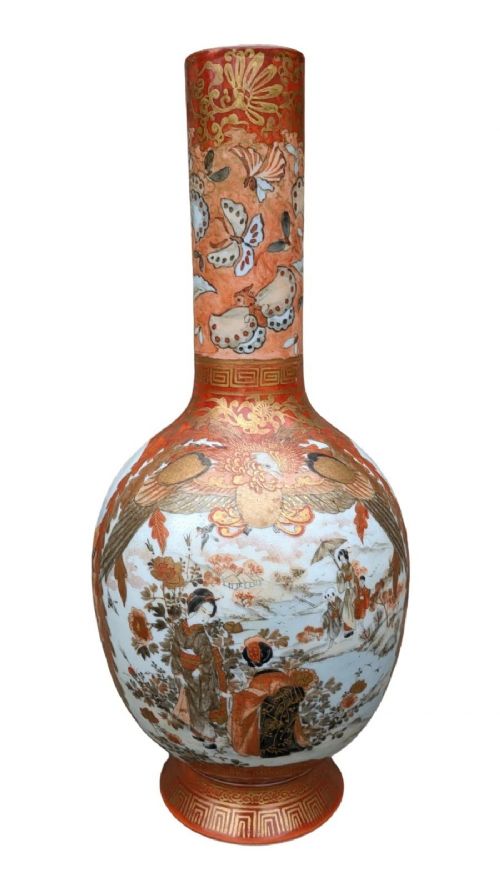
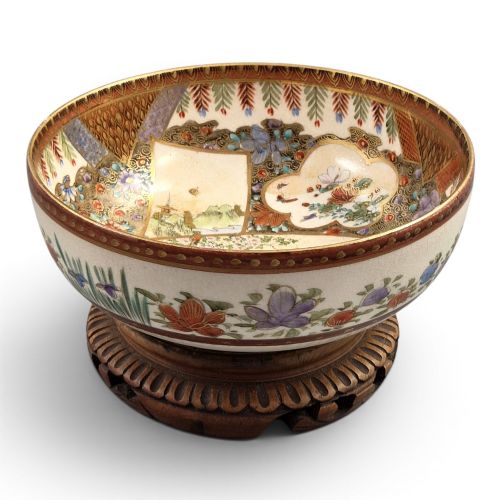
The objects appearing on this page lean heavily towards Japanese porcelain and earthenware alongside Chinese ceramics and heavy bronze vessels. Bowls, tea caddies, and miniature vases dominate the selection, often showcasing traditional motifs like foliage, figures, and elaborate patterning.
Materials and construction
Potters and metalworkers utilised a range of traditional techniques, shaping porcelain, earthenware, and bronze into complex forms before applying intricate glazes and surface treatments. Many pieces combine ceramic bodies with detailed hand-painting, using rich pigments alongside gold leaf to highlight figural processions and natural scenes.
Cloisonné enamel vessels required the meticulous soldering of thin metal wires to form cells, which were then filled with coloured paste and fired multiple times. Bronze and brass examples demonstrate expert casting methods, sometimes featuring moulded relief patterns or smooth patinated surfaces.
Wooden furniture pieces such as urn stands employ dense rosewood paired with inset marble tops, reflecting traditional joinery suited to supporting heavy bronze or ceramic display items.
Materials documented across the current inventory include porcelain, earthenware, gold leaf, bronze, brass, and rosewood.
Judging the work
Quality rests primarily on the crispness of the hand-painted detail and the precision of the gilding, where finer pieces display exceptionally steady brushwork and deep, lustrous enamels. The weight and balance of cast bronze bowls or the delicacy of thin-walled porcelain jars also signal superior craftsmanship.
Signed works by renowned makers or specific workshops generally elevate a piece, especially when the signatures or marks remain clear and undamaged by wear. The complexity of the design, such as dense figural panels or multi-layered moriage decoration, further separates standard production items from exceptional examples.
Kozan·Chosei·Tokyo Taizan·Kinkozan
The Antique Oriental Display Vessel Glossary
- Imari
- A style of Japanese porcelain featuring a distinctive palette of underglaze blue, iron red, and gold. These wares were heavily exported to Europe during earlier centuries and remained popular through the Victorian era.
- Satsuma
- A type of Japanese earthenware characterised by a ivory-coloured, crackled glaze. It is typically decorated with elaborate polychrome enamels and generous amounts of gold leaf.
- Cloisonné
- An enamelwork technique where thin metal wires are soldered to a metal base to create compartments filled with paste and fired. The resulting surface displays intricate geometric or pictorial patterns.
- Moriage
- A decorative technique in Japanese ceramics where slip is applied in raised dots or lines to create a textured, three-dimensional effect. This method often frames detailed religious or landscape panels.
- Qing
- The final imperial dynasty of China, lasting from the seventeenth to the early twentieth century. Ceramics from this period often exhibit refined glazes and large-scale painted compositions.
Antique Oriental Display Vessel: Frequently Asked Questions
What is an antique oriental display vessel?
These items are decorative ceramic, enamel, and metal containers made in Asian workshops or inspired by Eastern styles during the nineteenth and early twentieth centuries.
They include vases, ginger jars, and large bowls created primarily to ornament domestic interiors rather than for utilitarian storage.
How were these vessels used?
Most pieces served as decorative centrepieces on tables, mantelpieces, or dedicated plant and urn stands within Victorian and Edwardian homes.
Some lidded jars and tea caddies held dry goods or fragrant leaves, while larger bronze bowls and ceramic vases functioned purely to display floral arrangements.
How do I date a Satsuma vase?
Dating relies on examining the crackle of the glaze, the weight of the earthenware body, and the complexity of the painted figural scenes.
Pieces originating from the Meiji period often bear artist signatures or workshop marks on the base, helping to narrow down their production era.
Where did Imari porcelain originate?
Imari ware takes its name from the Japanese port town where porcelain produced in Arita was shipped to domestic and international markets.
The distinctive blue and red colour scheme became widely imitated across the globe during the height of its popularity.
How do I care for cloisonne enamel?
Enamel surfaces require gentle dusting with a soft, dry cloth to prevent the accumulation of dirt within the fine wire cells.
Moisture and harsh cleaning agents should be avoided entirely to protect the delicate metallic elements and coloured glass pastes.