

Antique Oriental Chests
Antique oriental chests bring centuries of craftsmanship and rich decorative finishes into a room, offering practical storage with distinctive cultural character.
Antique Oriental Chests
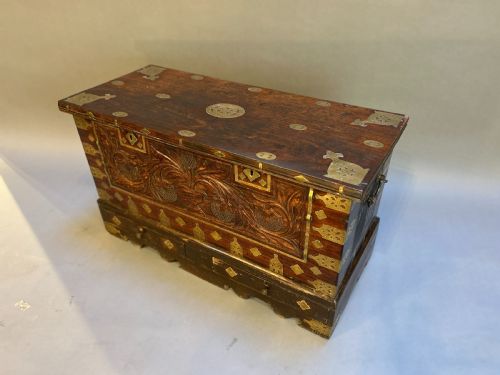
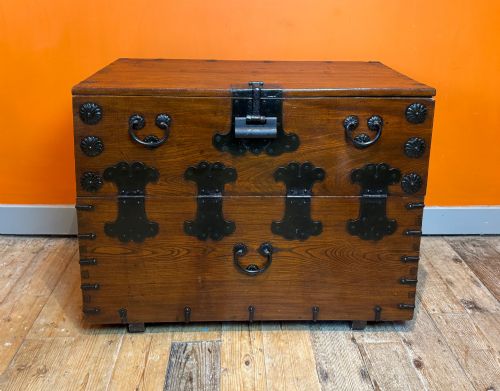
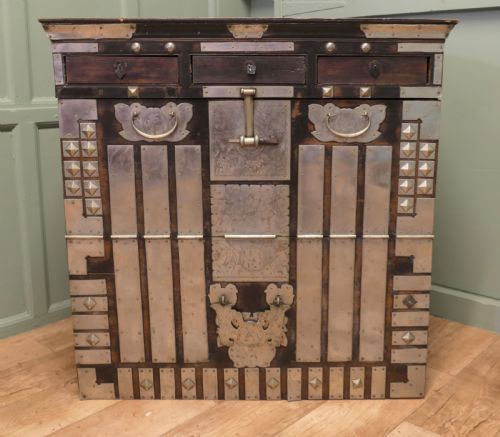
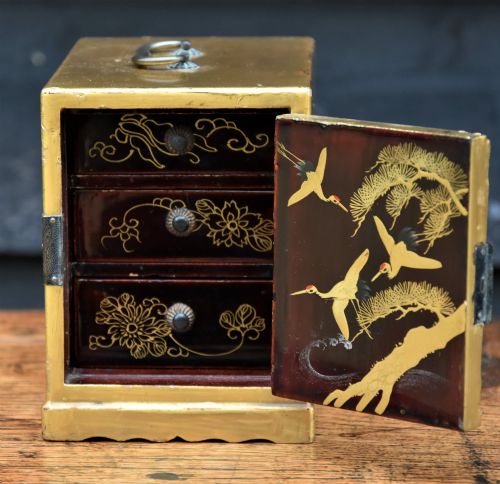
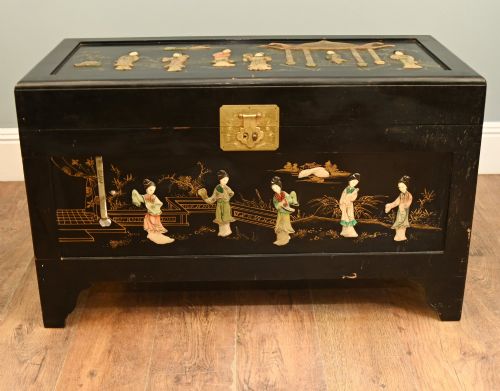
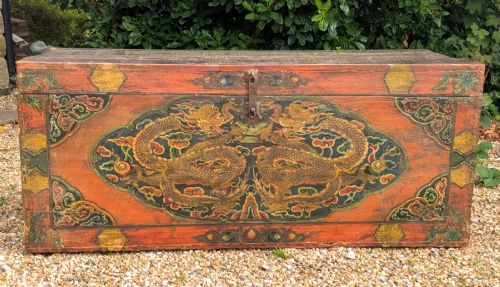
When searching for antique oriental chests, buyers encounter a diverse selection of storage forms originating from China, Japan, Tibet, Korea, and India. These pieces range from heavy camphor wood blanket boxes and painted wedding trunks to elaborate apothecary cabinets fitted with numerous small drawers.
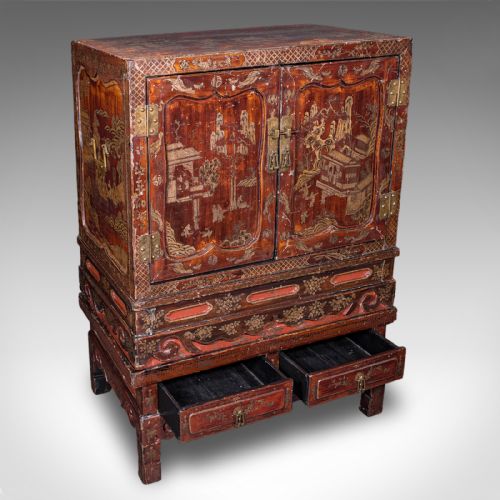
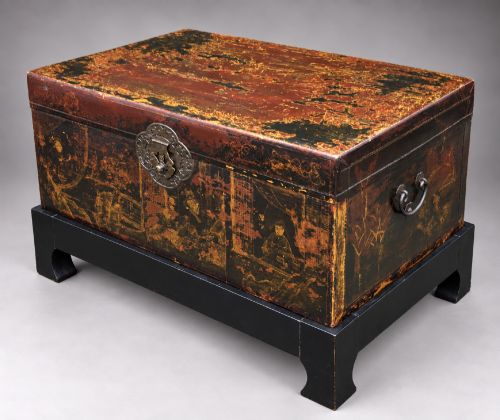
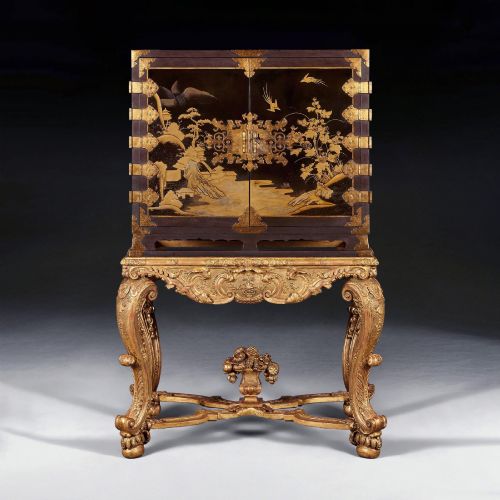
The most common examples on this page date from the nineteenth and early twentieth centuries, though earlier seventeenth and eighteenth-century items appear alongside later provincial styles. Forms vary considerably, encompassing simple domed trunks, low coffers, and sophisticated cabinets raised on stands.
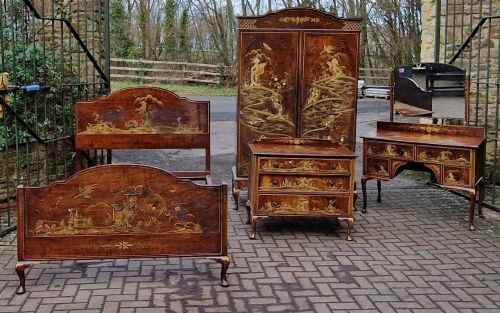
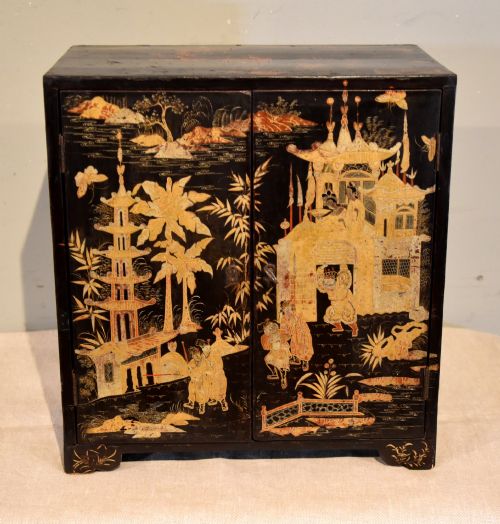
Stylistic influences span traditional Chinese designs, Japanese Meiji period lacquerwork, Chinoiserie interpretations, and intricate Korean burr elm constructions. Each region contributed distinct structural traits, hardware choices, and surface ornamentations that define their visual identity.
How they were made
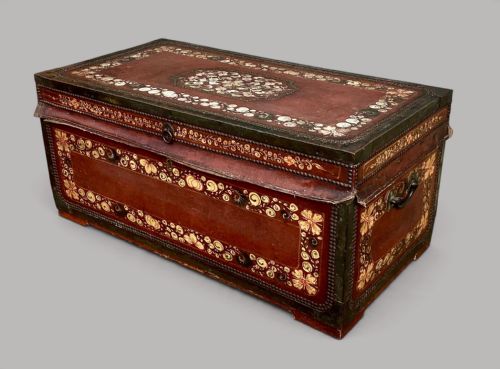
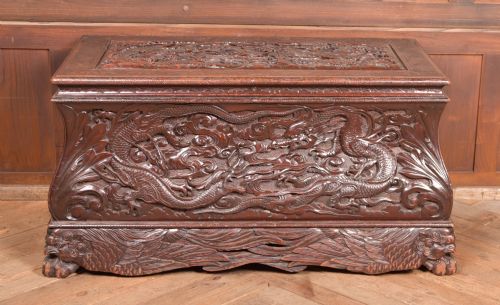
Wood selection formed the foundation of these pieces, with craftsmen utilising durable timbers such as camphor wood, elm, rosewood, huanghuali, and walnut. Camphor wood was particularly favoured for blanket boxes due to its natural aromatic properties, while denser woods served structural cabinetry and intricate carving.
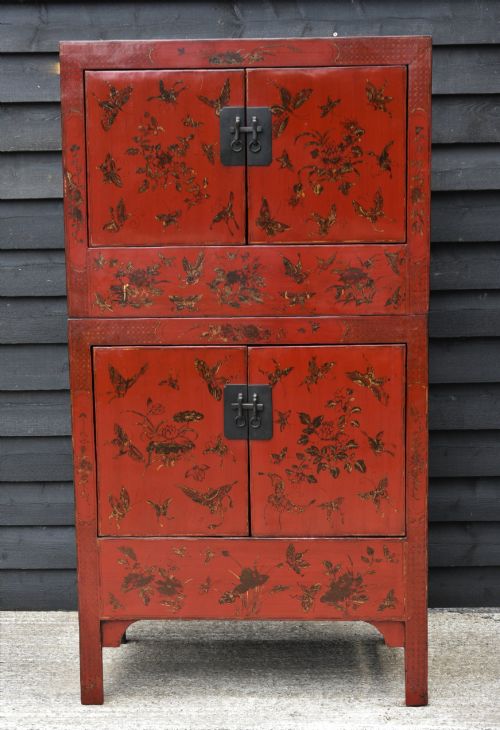
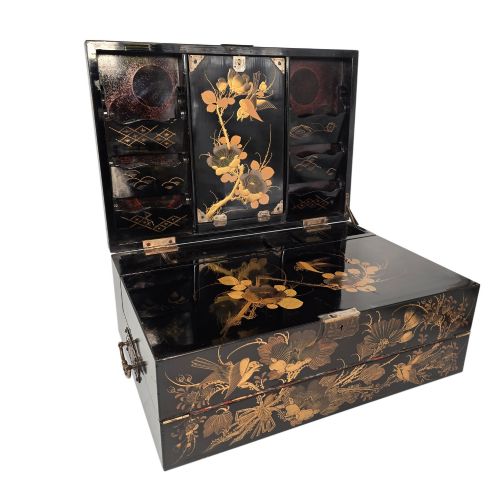
Surface decoration frequently relied on layers of black, red, or gold lacquer, applied over extended periods and finished with meticulous hand painting, gilt details, or carved relief. Metal components in brass and iron provided functional reinforcement and decorative contrast on hinges, corners, and locking plates.
Antique Oriental Chests Retail Price Guide 2026
Typical asking prices for oriental chests among the pieces listed under this phrase on Sellingantiques today, from the lower quarter to the upper quarter. They describe what is for sale here now, not the wider market.
Listings incorporate brass, iron, and gold leaf applied across camphor wood, elm, and lacquer surfaces.
What varies in quality
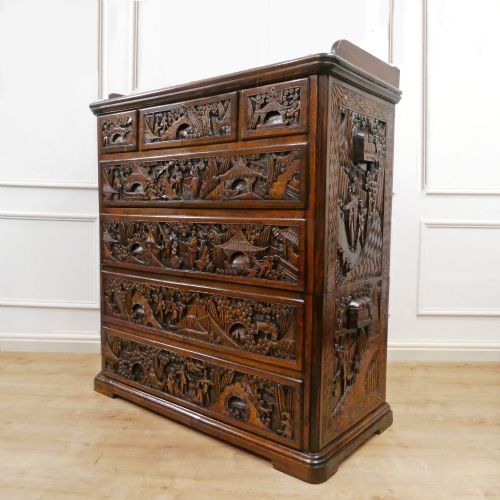
The distinction between standard provincial items and finer examples rests in the depth of execution, from the precision of joinery to the complexity of surface ornament. Superior pieces display intricate hand carving, well-preserved layers of original lacquer, and harmonious proportions.
Hardware execution and material selection further differentiate the range, as heavy brass mountings and finely figured timbers elevate a piece beyond basic utility storage. The integrity of the original finish and the preservation of hand-painted details determine the standing of each trunk or cabinet.
The Antique Oriental Chests Glossary
- Lacquer
- A durable varnish made from tree sap, applied in multiple coats to wooden surfaces and often polished or carved.
- Chinoiserie
- European decorative style reflecting Chinese artistic influences, widely applied to cabinets and chests on stands.
- Camphor Wood
- An aromatic timber native to Asia, traditionally used for storage trunks to protect textiles from insects.
- Tansu
- A traditional Japanese mobile storage chest or cabinet, encompassing various regional forms including kitchen and apothecary variants.
- Apothecary Cabinet
- A multi-drawer storage unit originally designed for sorting medicinal herbs, powders, and ingredients.
Antique Oriental Chests: Frequently Asked Questions
What wood are oriental chests made from?
Makers utilised a variety of regional timbers, most notably camphor wood, elm, rosewood, and walnut.
Lighter or aromatic woods were chosen for trunks requiring pest protection, while heavier hardwoods served structural cabinets.
How do I clean an antique lacquer chest?
Dust surfaces gently with a soft, dry cloth without applying modern chemical polishes or water.
Preserving fragile lacquer layers requires minimal intervention and stable indoor humidity levels away from direct sunlight.
Where were apothecary chests used?
These multi-drawer cabinets originated in traditional medicine shops across China and Japan to sort dried herbs.
Today they function as decorative living room storage units or sideboards suited for small household items.
What is a cabinet on stand?
This configuration combines a main enclosed storage chest with a separate supporting wooden frame or base.
Many examples feature European giltwood stands paired with imported Asian lacquer bodies from earlier centuries.