


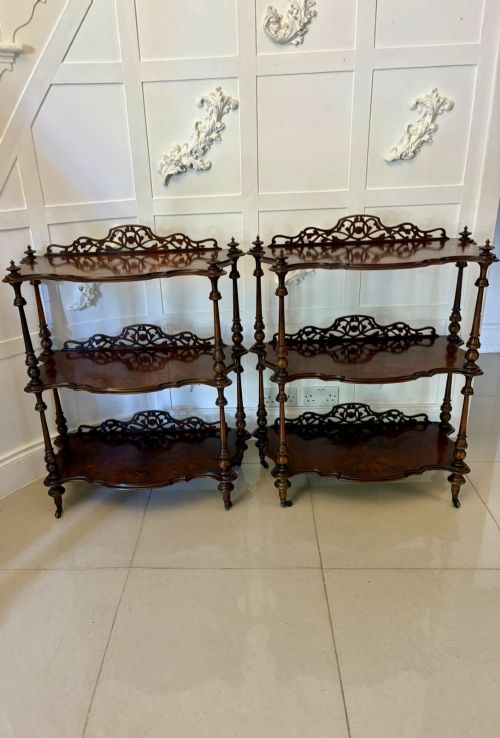
Antique Open Display Stand
An antique open display stand provides accessible shelving for books and decorative objects, ranging from tiered what-nots to waterfall bookcases.
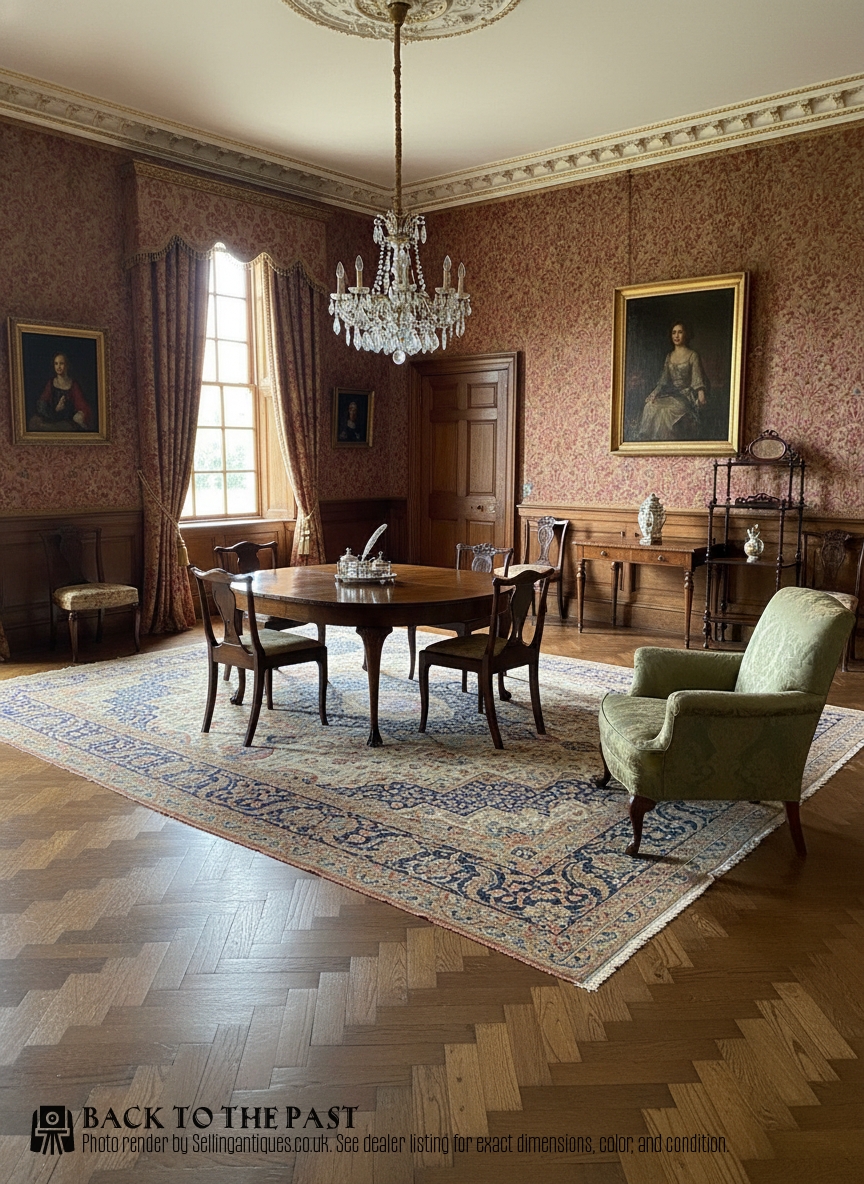
Antique Open Display Stand
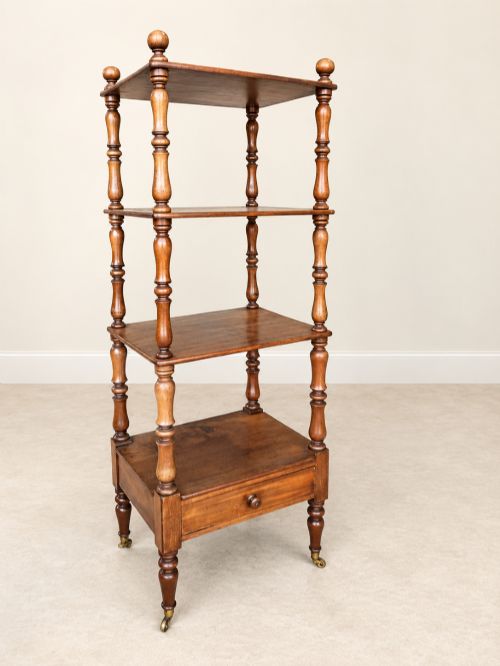
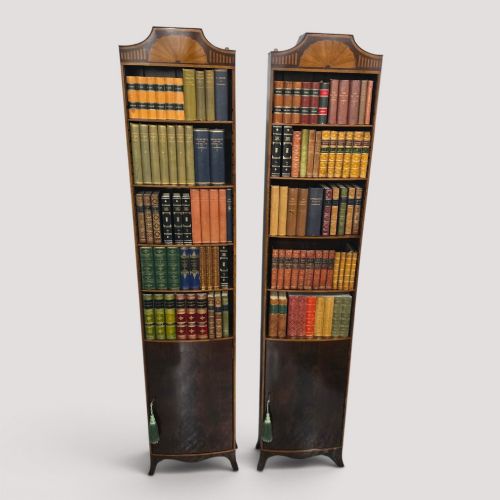
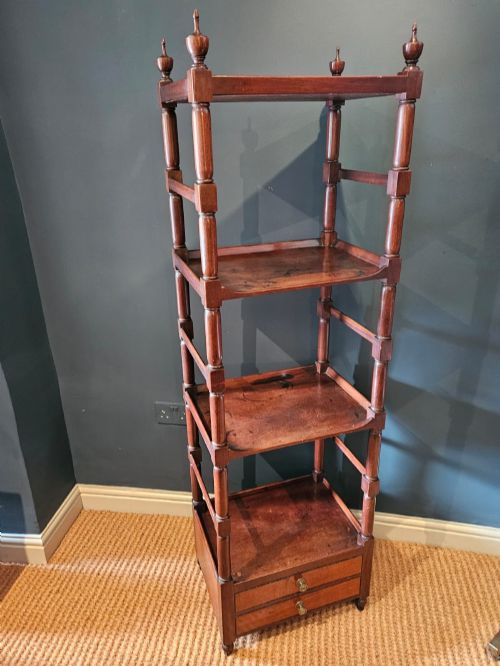
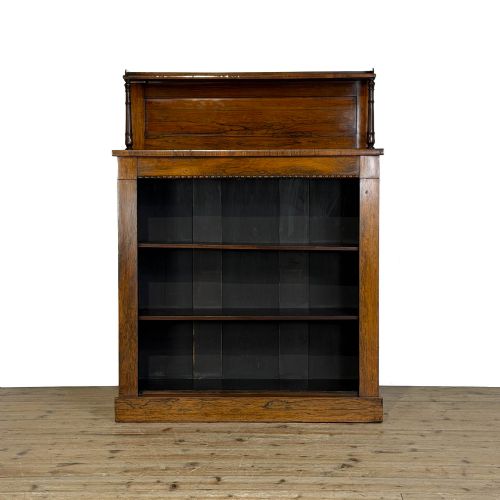
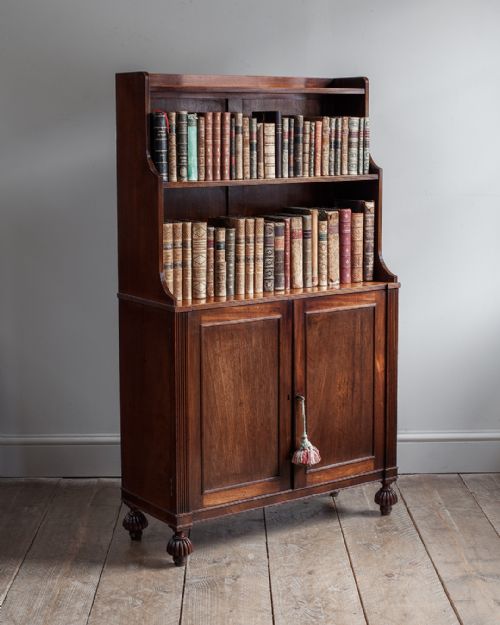
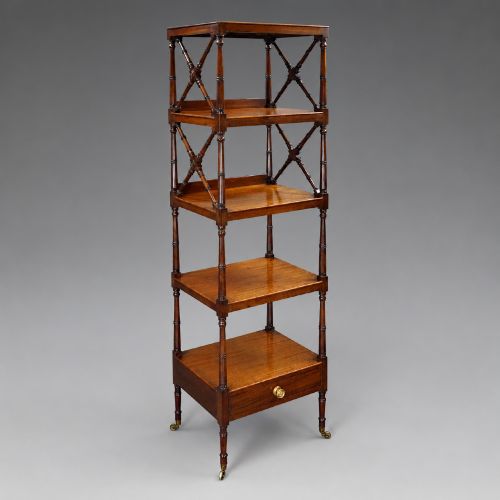
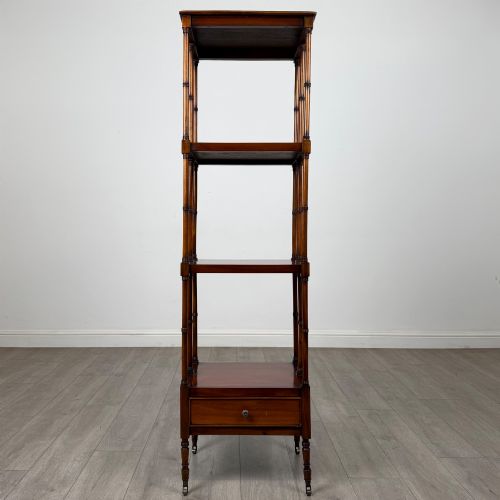
An antique open display stand encompasses various tiered shelving forms, including what-nots, etageres, and waterfall bookcases designed for prominent display in a room. These pieces originate from distinct periods such as the Georgian, Regency, Victorian, and Edwardian eras.
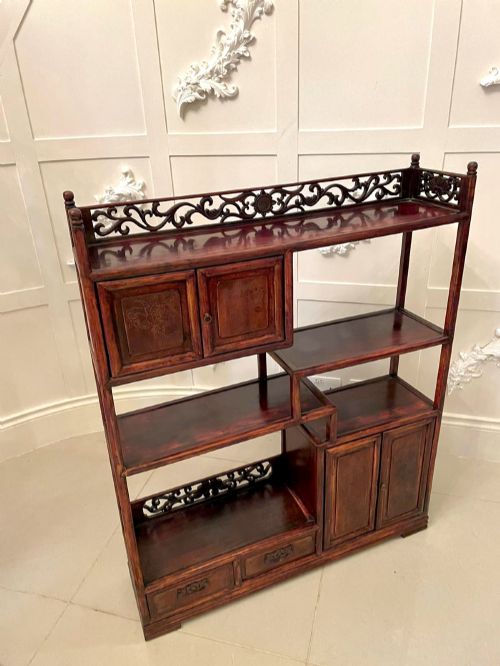
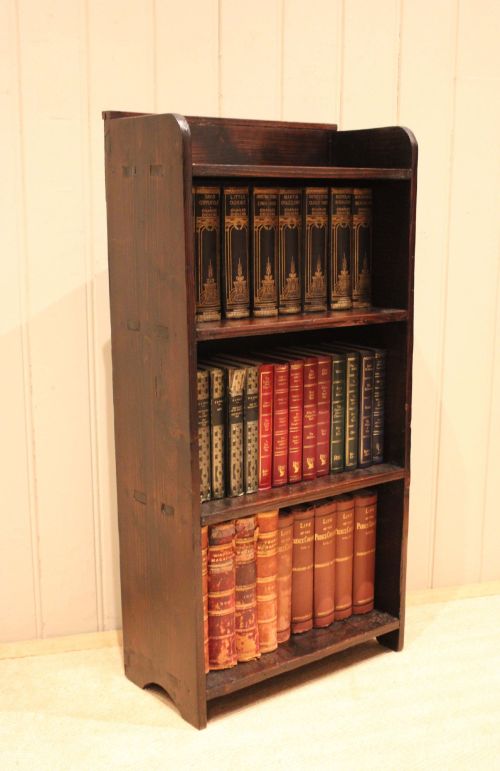
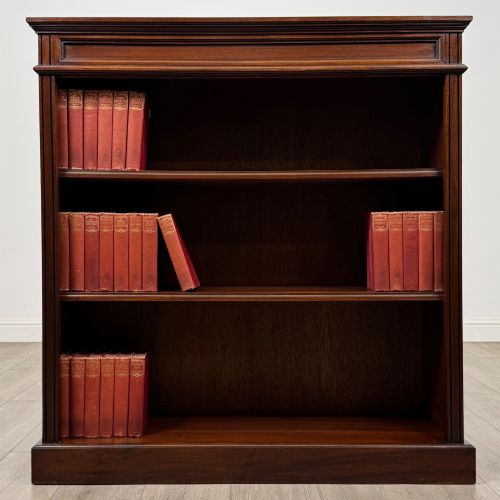
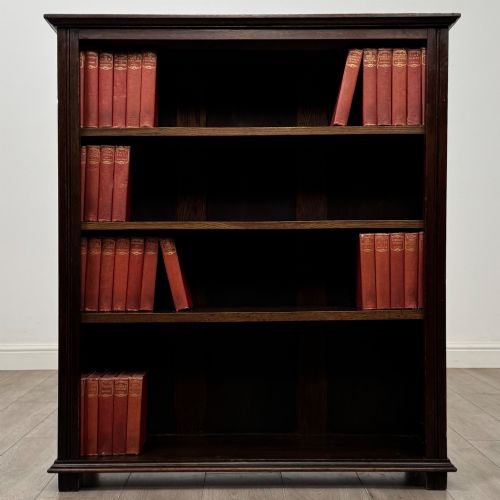
The selection frequently includes mahogany and oak open bookcases alongside rosewood, walnut, and burr walnut etageres. Specialised regional variants appear too, such as Anglo-Indian padauk shelves and Chinese hardwood cabinets.
Buyers regularly encounter upright corner shelves and multi-tiered stands suited for compact spaces. These structures provide practical open storage without doors obstructing the view of the items placed upon them.
Materials and Construction
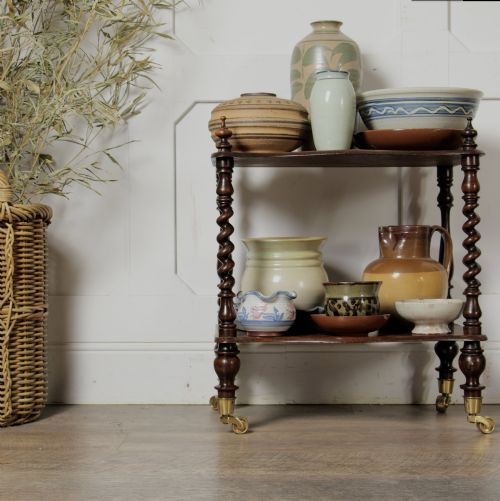
Cabinet makers utilised dense hardwoods like mahogany, oak, rosewood, and walnut to build sturdy frames capable of supporting heavy books and porcelain. Finer examples incorporate decorative elements such as inlaid veneers, carved woodwork, and barley twist uprights.
Many tiered pieces feature brass castors for mobility, alongside adjustable wooden shelves held by traditional peg supports. Specialised joinery ensures stability across multiple open tiers without relying on enclosed side panels.
Listings feature items spanning the Georgian, Regency, Victorian, and Edwardian periods, constructed primarily from mahogany, oak, walnut, rosewood, and brass.
Distinctions in Execution
Superior examples demonstrate greater refinement in timber selection, utilising finely grained burr walnut, satinwood, or figured mahogany rather than plain utility boards. The crispness of carved details and the integration of delicate inlays distinguish ambitious cabinet work from standard production pieces.
Structural integrity dictates the standing quality, where tight joints and well-balanced tiers prevent wobbling across multi-level designs. Thoughtful proportioning and sophisticated turning on supports elevate certain items above simpler domestic shelving.
Gillows·Gabriel Viardot
The Antique Open Display Stand Glossary
- Whatnot
- A movable set of open shelves used for displaying ornaments or books, developed in the eighteenth century. These multi-tiered pieces often feature turned supports and small drawers.
- Etagere
- A piece of furniture consisting of a set of open shelves for displaying small objects or ornaments. Originating in France, these lightweight stands frequently incorporate decorative spindlework.
- Waterfall bookcase
- A set of open shelves where the sides step back in a downward cascade from top to bottom. This graduating form became popular during the Regency and Victorian periods.
- Padauk
- A heavy tropical hardwood with a reddish hue used in British colonial furniture and Anglo-Indian pieces. It offers exceptional durability and a striking natural grain.
- Barley twist
- A type of decorative wood turning resembling the shape of a twisted rope or barley stalk. This technique appears frequently on the vertical supports of Victorian stands.
Antique Open Display Stand: Frequently Asked Questions
How do I date an antique open bookcase?
Dating relies on observing the prevailing wood choices, structural styles, and cabinet-making techniques of specific historical periods. Georgian and Regency pieces often feature clean architectural lines in mahogany, while Victorian versions showcase heavier carved oak, rosewood, or burr walnut.
Later Edwardian examples frequently utilise lighter oak timbers and simpler joinery methods. Examining the construction of the shelf supports and backboards provides further clues to the manufacturing decade.
Where should I place a whatnot stand?
A whatnot stand suits living rooms, hallways, or libraries where open access to books and small decorative items is beneficial. Corner variants utilise unused architectural angles effectively without occupying central floor space.
Tall tiered stands benefit from placement against solid walls where their vertical lines create a balanced display without obstructing natural light.
Are these shelves adjustable?
Some open bookcases and display stands feature adjustable shelving systems utilising traditional wooden pegs or metal tracks. This adaptability allowed owners to alter shelf heights for varying book sizes.
Many tiered etageres and what-nots possess fixed shelves integrated permanently into the structural uprights during initial construction.