



Dark Walnut Shelving Unit
A dark walnut shelving unit brings rich timber tones and practical display space into a room.
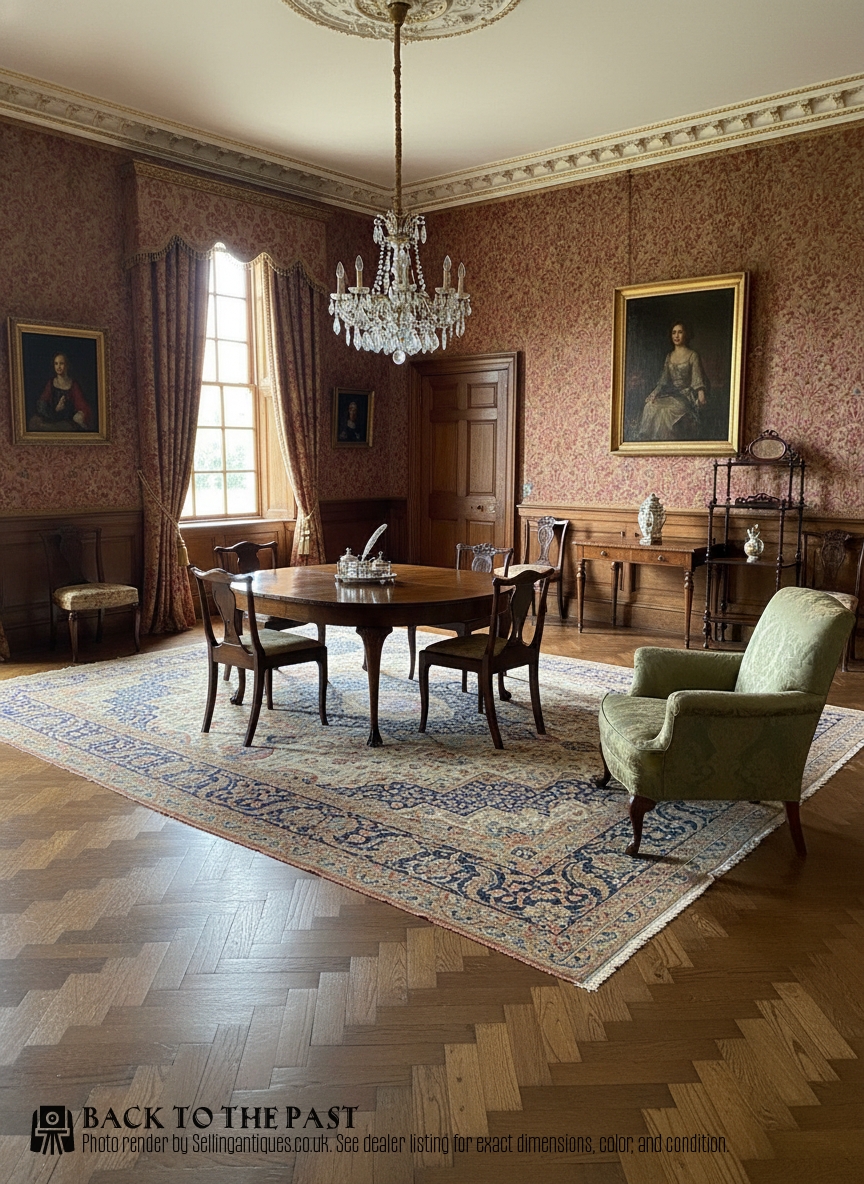
Dark Walnut Shelving Unit
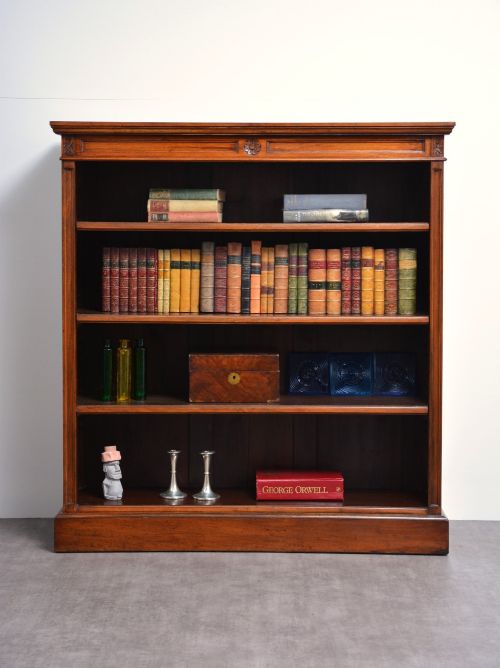
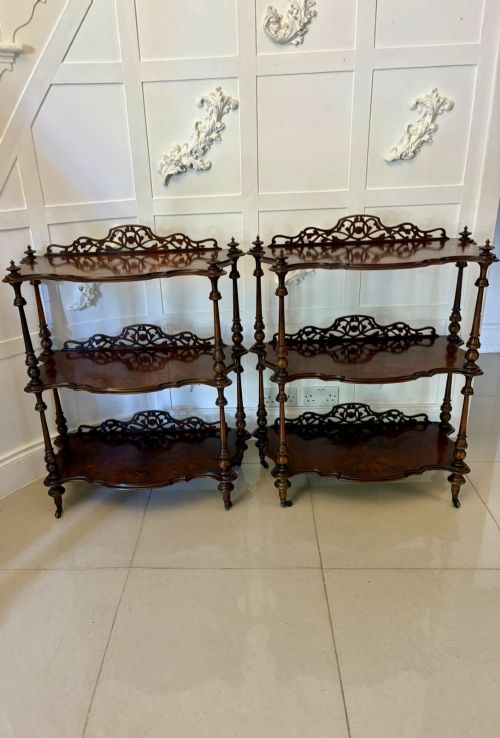
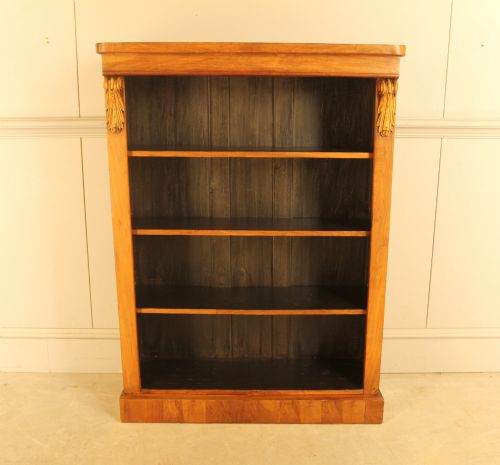
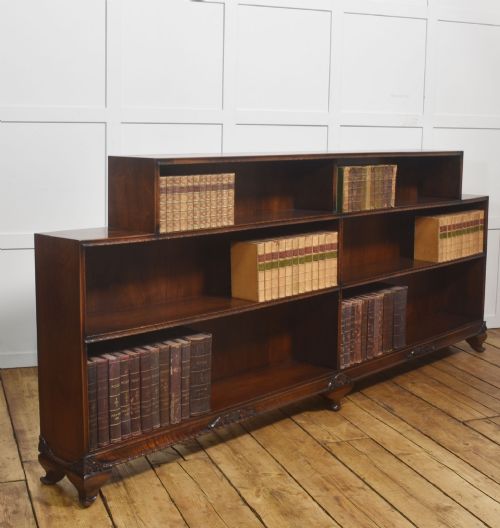
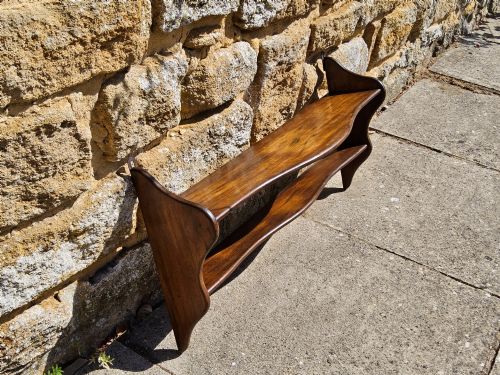
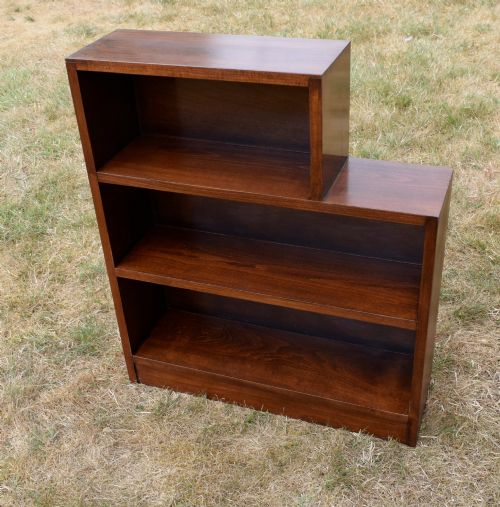
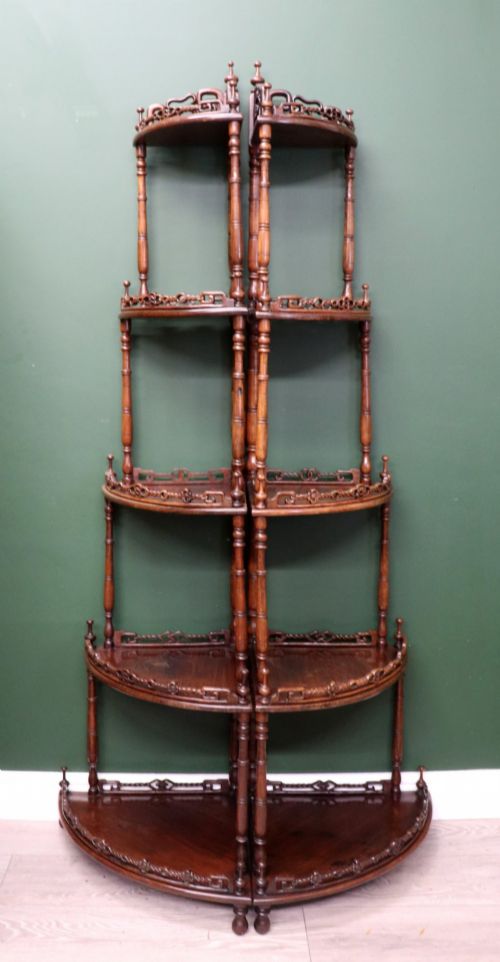
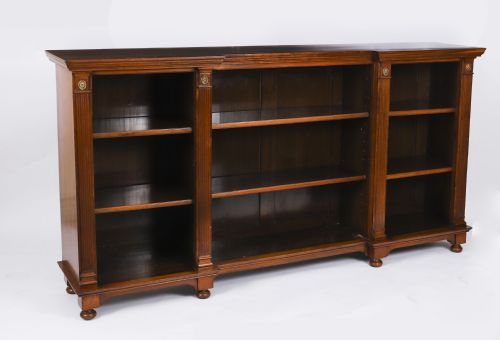
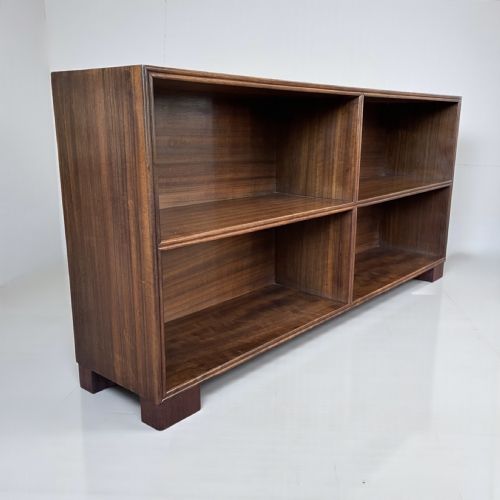
A dark walnut shelving unit encompasses open bookcases, tiered whatnots, wall shelves, and corner units designed for display and storage. These pieces draw from Victorian, Art Deco, and 18th Century traditions, offering varied forms from stepped open bookcases to hanging cabinets.
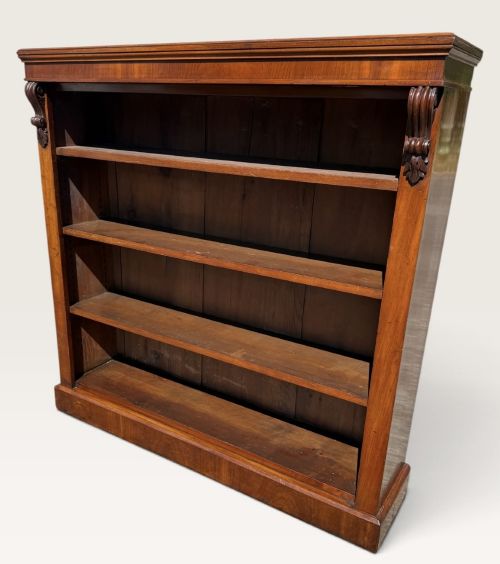
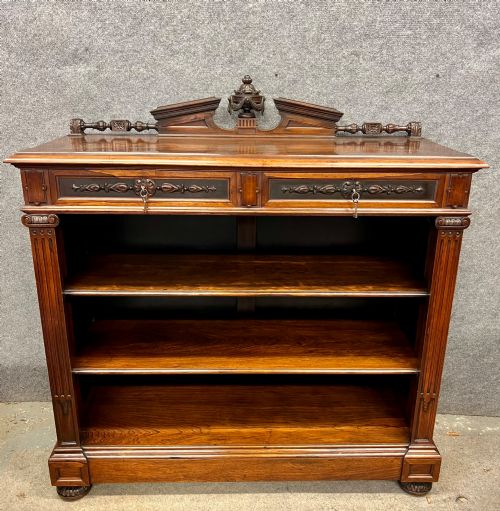
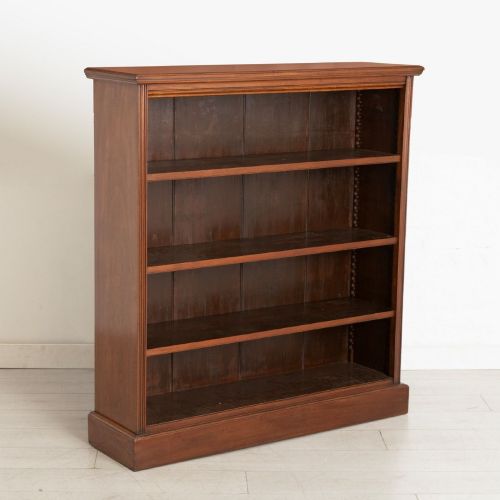
Victorian examples dominate the selection, frequently featuring adjustable shelves, barley twist columns, and carved friezes. Alongside these, buyers find French provincial wall shelves, Art Deco designs, and Italian cabinets spanning several centuries of woodworking.
How they were made
Cabinetmakers utilised solid walnut and burr walnut veneer over secondary timbers such as pine and mahogany to achieve depth of grain and rich colour. Surface decoration often involved hand carving and figured veneers that highlight the natural movement of the wood.
Metal mounts in brass and ormolu provide structural accents and decorative contrast on mid-19th century and later pieces. Joinery techniques range from traditional peg and tenon construction to stepped architectural frameworks designed to bear weight.
Several whatnots come equipped with tiny tiers originally meant for displaying visiting cards.
What varies in quality
Quality rests in the selection of the timber and the depth of the grain, particularly where burr walnut veneer is laid across expansive surfaces. Finer items exhibit crisp hand carving on friezes and columns rather than shallow or mechanical profiling.
The integration of secondary details, such as solid brass or ormolu mounts and carefully fitted adjustable shelving mechanisms, separates standard utility furniture from finer examples. Proportion and structural balance also dictate the standing of a piece within its period.
Maurice Adams
The Dark Walnut Shelving Unit Glossary
- Whatnot
- A multi-tiered shelving unit popular in the 19th century for displaying ornaments and books. These pieces often feature open shelves supported by turned columns.
- Ormolu
- Gilded bronze or brass applied as a decorative mount on furniture. It adds metallic contrast to dark timber surfaces.
Dark Walnut Shelving Unit: Frequently Asked Questions
What is a whatnot shelf?
A whatnot is a multi-tiered display stand featuring open shelves supported by slender columns. These pieces were designed to hold books and decorative objects in principal rooms.
Victorian makers often shaped them into corners or freestanding units to maximise floor space while offering multiple levels of display.
How do I date a walnut bookcase?
Dating relies on architectural styles, construction methods, and hardware. Victorian examples often incorporate adjustable wooden shelves and carved friezes, while Art Deco pieces show streamlined geometry.
Examining the secondary timbers and the cut of the veneer also helps determine whether a piece originates from the 19th century or later periods.
Are walnut shelves strong enough for heavy books?
Many Victorian open bookcases feature adjustable wooden shelves supported by sturdy uprights designed to hold substantial volumes. Solid walnut provides significant load-bearing strength.
When assessing a unit for heavy storage, the thickness of the timber and the condition of the shelf supports are the primary indicators of capacity.
Where should I place a corner whatnot?
Corner whatnots fit neatly into room angles, making use of awkward junctions to display ceramics, small sculptures, or collections of books. Their tiered design draws the eye upward.
Placing them away from direct heat sources helps protect the walnut timber and any delicate burr veneers from drying out.