




Antique Opaline Shade Lamp
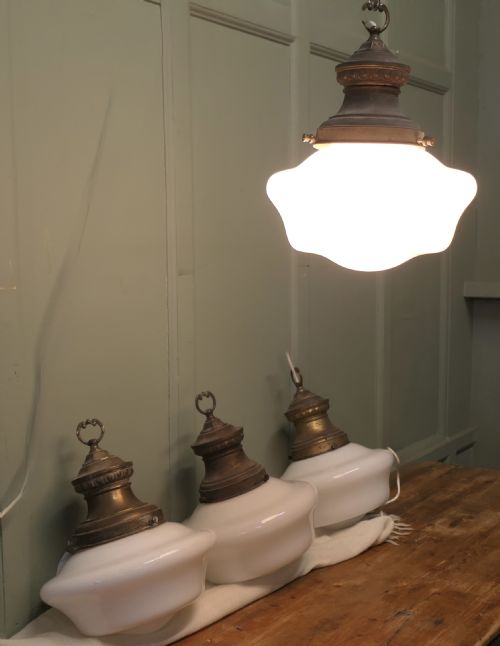
An antique opaline shade lamp brings a soft, milky glow to a room through distinctive translucent glass paired with period metalwork.
Antique Opaline Shade Lamp
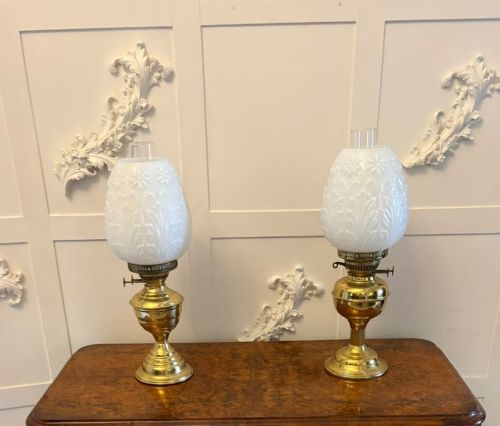
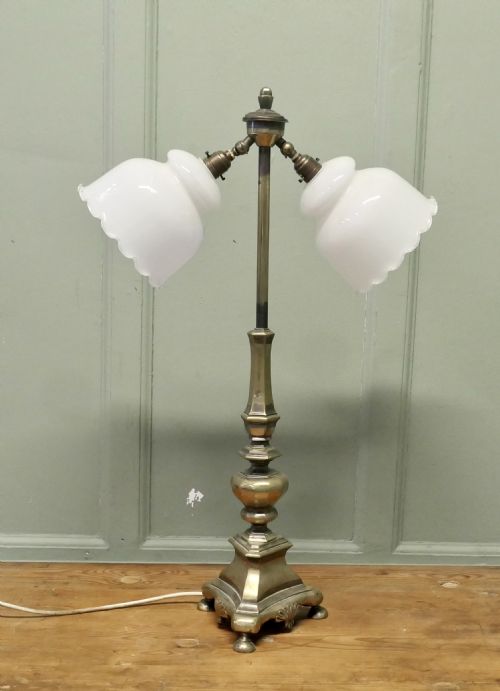
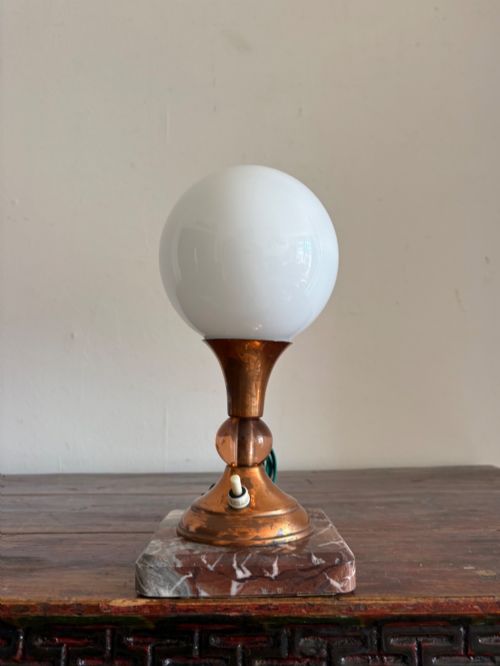
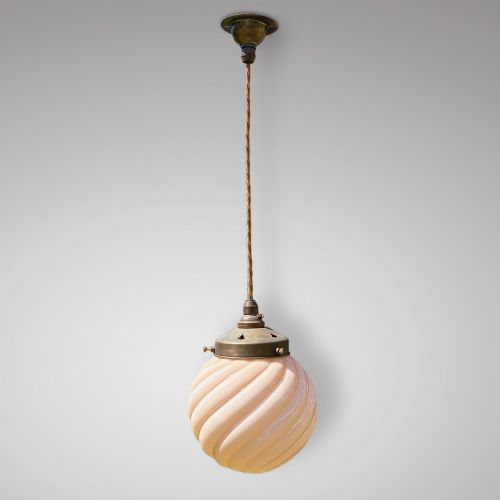
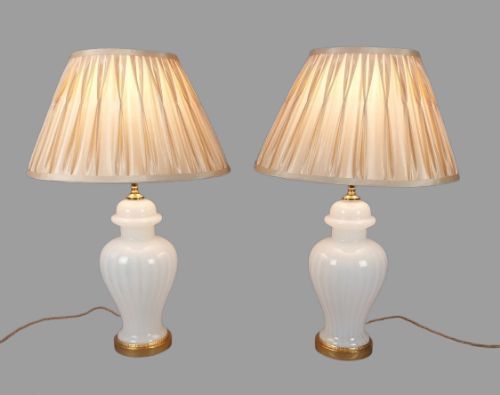
When searching for an antique opaline shade lamp, buyers encounter lighting fixtures that combine milky opaline glass diffusers with structural metal fittings. These pieces range from pendant lights and ceiling fixtures to table lamps and converted oil lamps spanning the Victorian, Edwardian, and Art Deco periods.
The most common examples on this page are pendant lights and table lamps originating from French and English workshops. They frequently feature brass, bronze, or chrome mountings paired with blown glass shades in conical, pear-shaped, or reeded forms.
Earlier iterations often begin as oil lamps from the late nineteenth century, while later twentieth-century examples lean towards industrial or Art Deco ceiling lighting. Each variant utilises the translucent property of opaline glass to soften the light source effectively.
How they were made
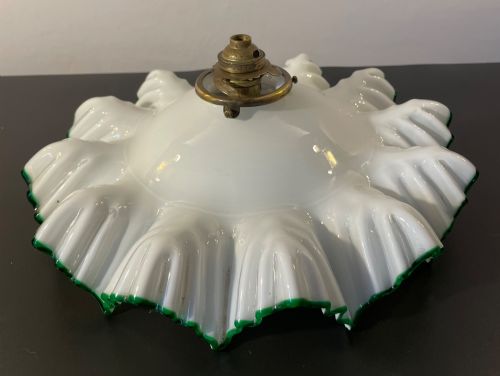
Makers produced opaline glass by adding bone ash or metal oxides to the molten batch, achieving a characteristic opaque, milky appearance that diffused light evenly. Craftsmen then hand-blew or moulded the glass into specific shapes such as spheres, cones, or frilled edges.
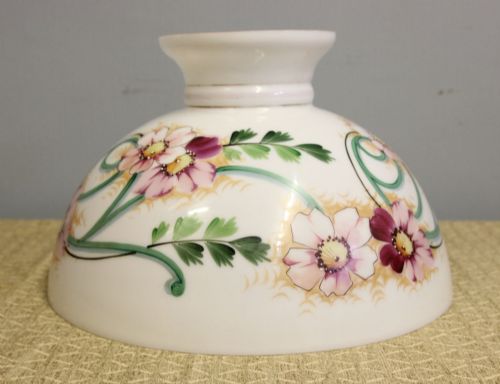
Metal components like brass, bronze, copper, and chrome formed the structural bases, stems, and hanging galleries. Artisans shaped these metals through casting, spinning, and turning, occasionally incorporating hand-painted decoration directly onto the glass surface.
Some chapel lights survived decades of Sunday hymns only to end up illuminating modern kitchen islands.
What varies in quality
Quality rests in the weight and purity of the opaline glass, alongside the fineness of the metal mountings. Thicker, more evenly distributed glass creates a superior, denser glow when illuminated.
The precision of the metal casting and the integrity of period fittings dictate the overall execution. Examples featuring cast bronze, heavy brass galleries, or original decorative elements stand apart from mass-produced utilitarian counterparts.
Perry And Co·Wild And Wessel
The Antique Opaline Shade Lamp Glossary
- Opaline glass
- A type of semi-translucent glass that has a milky appearance, used extensively for lamp shades to soften illumination. It often appears in white, pink, or pale green.
- Oil lamp
- A lighting device that burns liquid fuel via a wick, commonly converted to electricity in later periods. Many surviving shades originate from these dual-purpose setups.
- Pendant light
- A solitary light fixture suspended from the ceiling by a cord, chain, or metal rod. These often feature large conical or pear-shaped glass shades.
- Art Deco
- A design style prevalent in the 1920s and 1930s characterised by geometric symmetry and streamlined forms. Lamps from this era display clean lines and stepped metal bases.
- Edwardian
- Pertaining to the reign of King Edward VII, marking an era of lighter domestic interiors and refined brass fittings. Pieces from this time often pair polished brass with simple opaline shades.
Antique Opaline Shade Lamp: Frequently Asked Questions
What is an opaline shade?
An opaline shade is a milky, semi-translucent glass cover designed to diffuse glare from a light bulb or oil flame. It softens the output while casting an even, warm luminescence across a space.
These shades were blown or moulded into various profiles, including domes, cones, and frilled edges, to suit different pendant and table fixtures.
How do I date a lamp?
Dating relies on examining the manufacturing techniques of both the metal base and the glass shade. Victorian and Edwardian examples often feature heavy brass mountings and threaded collars, while 1930s pieces lean towards Art Deco geometric forms.
Converted oil lamps usually point towards the late nineteenth century, whereas streamlined chrome and simpler glass profiles suggest the interwar period.
Were these originally electric?
Many early pieces began their lives as oil or paraffin burners before being rewired for electricity in subsequent decades. Converted lamps retain their original burners or reservoirs adapted to hold lamp holders.
Purpose-built electric pendants and table lamps emerge more frequently from the 1920s and 1930s onwards as domestic electricity became widespread.
How do I clean the glass?
Cleaning requires warm soapy water and a soft cloth to remove dust and grease from the opaline surface. Avoid harsh abrasives that might scratch the delicate glass or wear away hand-painted details.
Metal components should be wiped separately with dry or damp cloths depending on whether they possess a polished or patinated finish.
Where should I hang a pendant?
Pendant lights suit hallways, kitchens, and dining areas where direct yet softened downward illumination is required. Conical and dish-shaped shades project light broadly over tables or corridors.
Ceiling height dictates the drop length, and pairing multiple pendants creates a balanced scheme across larger architectural spaces.