




Antique Onyx Jewellery
These antique onyx jewellery pieces combine deep black hardstone with sparkling diamonds and precious metals to create striking, high-contrast designs.
Antique Onyx Jewellery
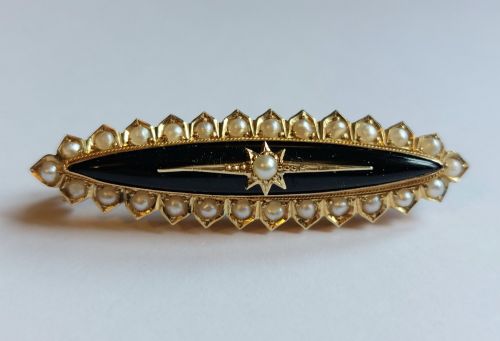
You are most likely to meet Victorian mourning pieces alongside geometric Art Deco platinum and diamond rings. These items reflect changing aesthetic tastes, moving from sentimental 19th-century commemorations to the sharp, streamlined contrasts of the 1920s and 1930s.
Materials and construction
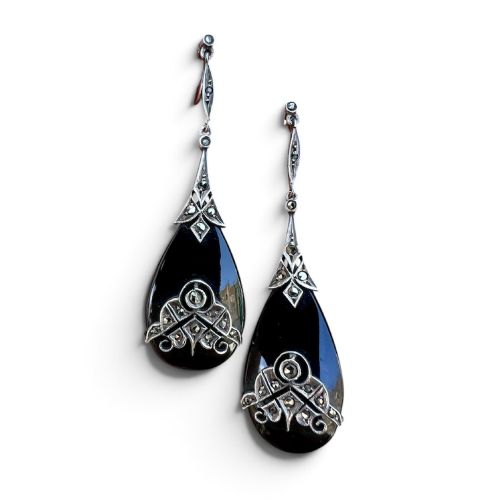
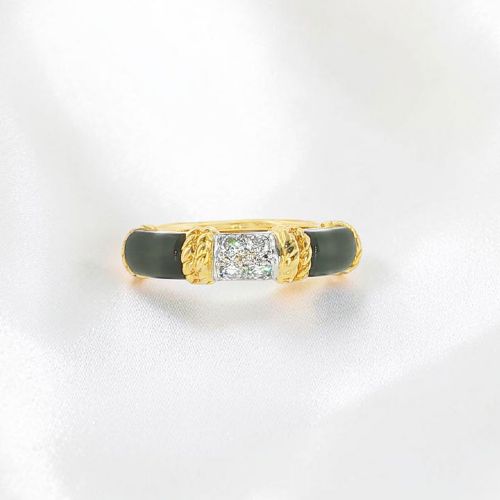
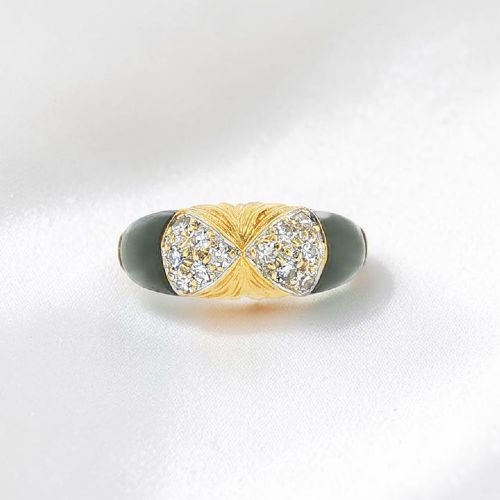
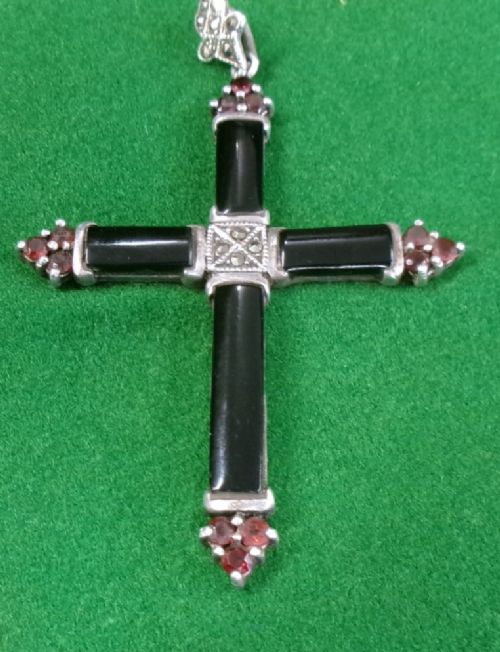
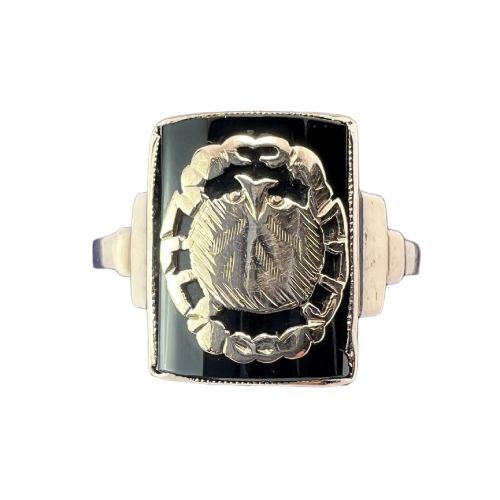
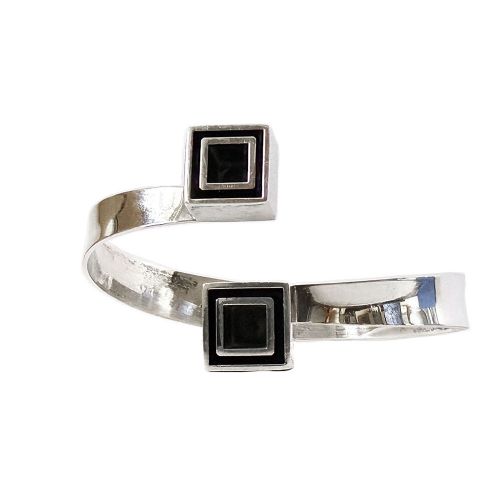
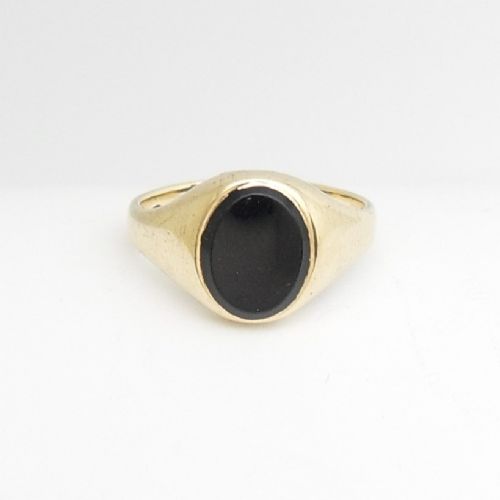
The makers of these items utilised natural onyx and banded agate, frequently mounting the dark stones in yellow gold, rose gold, silver, or platinum. Diamond accents appear regularly, adding brilliance against the opaque black surfaces.
Techniques range from pierced filigree settings and hand-carved cameos to intricate platinum mountings framing precise geometric cuts. Metalwork styles shift from substantial Victorian gold and ormolu to delicate, low-profile platinum structures typical of the early 20th century.
A carved black onyx horse head watches silently from beneath a glittering diamond halo.
Assessment of quality
Distinctions in quality rest upon the precision of the stone cutting and the refinement of the surrounding metalwork. Pieces featuring well-matched diamonds and cleanly bevelled onyx edges demonstrate superior workshop standards.
The integration of materials also defines the grade of a piece, where balanced proportions between the dark hardstone, precious metals, and supporting gems elevate the overall harmony of the design.
Chaumet·Cartier Paris
The Antique Onyx Jewellery Glossary
- Onyx
- A variety of chalcedony quartz featuring parallel bands, commonly utilised in antique jewellery for its uniform black colour.
- Cabochon
- A gem shaped and polished with a smooth, convex upper surface rather than faceted edges.
- Filigree
- Ornamental work consisting of fine wire twisted into delicate openwork patterns, often seen in silver settings.
- Intaglio
- A gemstone carved with a depressed design, creating a sunken image that can leave a raised impression when pressed into wax.
- Marcasite
- Small, faceted pieces of pyrite set into silver to provide a sparkling, steel-like brilliance resembling diamonds.
Antique Onyx Jewellery: Frequently Asked Questions
What is Victorian mourning jewellery?
Victorian mourning jewellery incorporates dark materials like black onyx, jet, and seed pearls to commemorate deceased loved ones.
These sentimental pieces frequently include hidden hair compartments, engraved dates, or carved motifs designed to keep memories close.
How do I date an Art Deco piece?
Art Deco items typically date from the 1920s or 1930s and are characterised by geometric lines, platinum settings, and strong black-and-white contrasts.
The widespread use of calibrated onyx paired with old-cut diamonds serves as a primary indicator of this modernist era.
What metals were used in these items?
Makers utilised yellow gold, rose gold, and silver during the Victorian and Edwardian periods for robust mountings and settings.
By the 1920s, platinum and white gold became dominant for securing intricate diamond and onyx layouts.
How should I care for antique hardstone?
Onyx and related hardstones require gentle cleaning with a soft cloth and warm, soapy water to protect their polished surfaces.
Harsh chemical dips and ultrasonic cleaners should be avoided to prevent damage to softer stones and delicate metal settings.
Can I wear these pieces daily?
Many sturdy rings and brooches withstand regular wear, provided they are checked periodically by a professional jeweller for loose stones.
More delicate filigree bracelets or antique drop earrings benefit from careful handling during special occasions to preserve their structural integrity.