

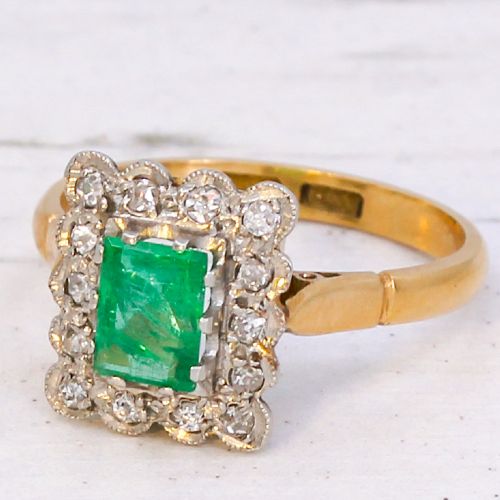
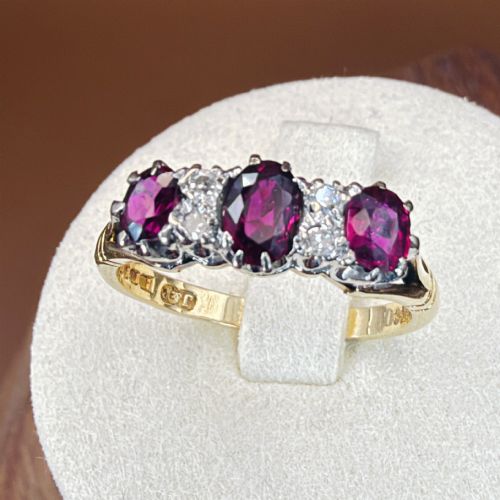
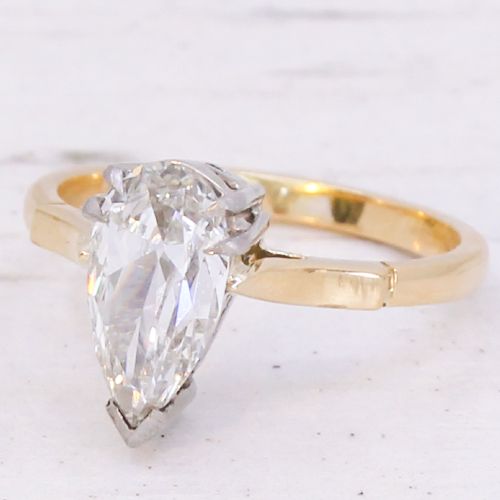
Antique Old Cut Ring
Discover the charm of an antique old cut ring, shaped by hand to catch candlelight with a softer, deeper shimmer than modern stones.
Antique Old Cut Ring
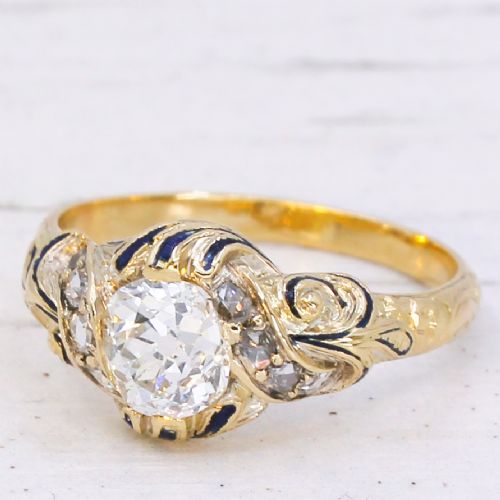
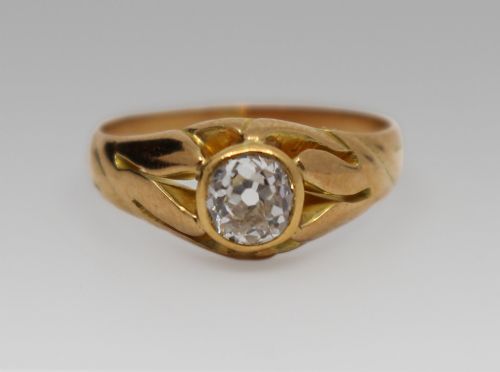
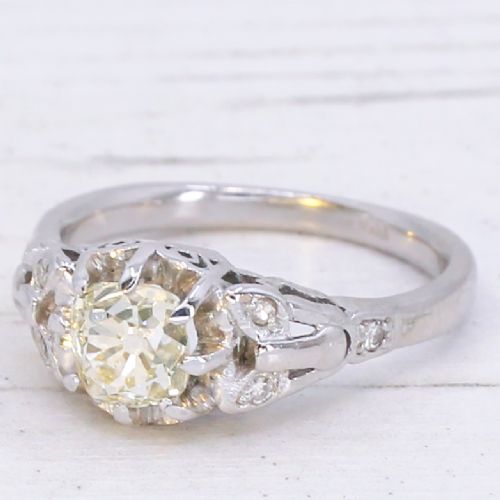
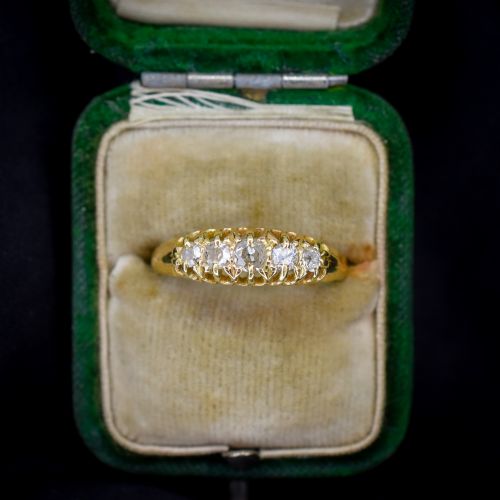
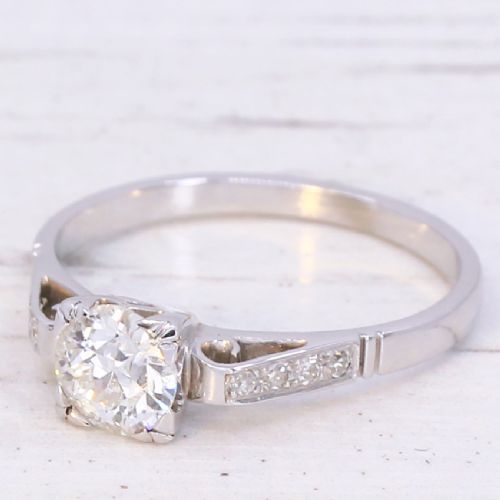
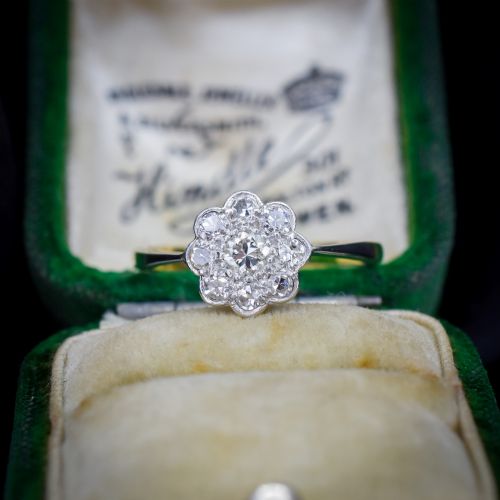
An antique old cut ring displays stones faceted by hand before the advent of modern machinery, offering collectors pieces rich in history. These rings span periods from the late nineteenth century through the Edwardian era and the Art Deco decades. Buyers encounter styles ranging from simple solitaires and multi-stone bands to elaborate floral clusters.
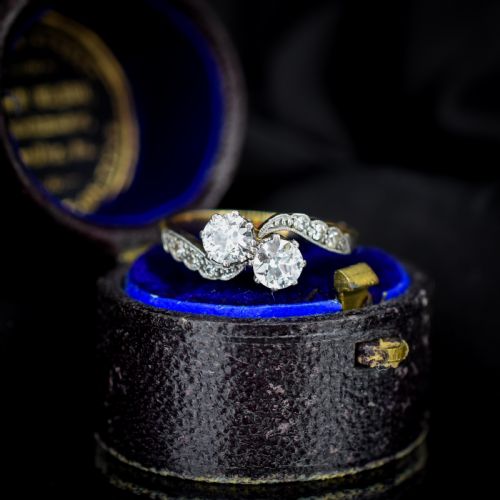
The designs frequently incorporate symbolic motifs such as the serpentine snake, the two-stone toi et moi, and the navette shape. Yellow gold and platinum serve as the primary settings for these historical jewels, often combining in dual-tone mountings. Engagement rings and dress rings represent the predominant forms found within this selection.
How They Were Made
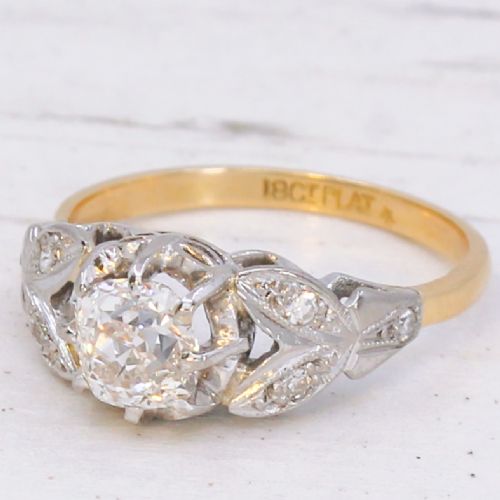
Goldsmiths shaped mountings predominantly from eighteen-carat yellow gold and platinum, frequently pairing the two metals during the Edwardian period to highlight white diamonds against dark bands. Stones were cut by hand using primitive wheels, resulting in chunky facets and high crowns designed to maximise sparkle under artificial light.
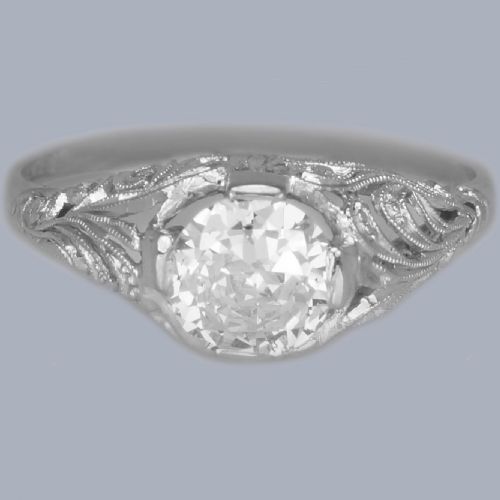
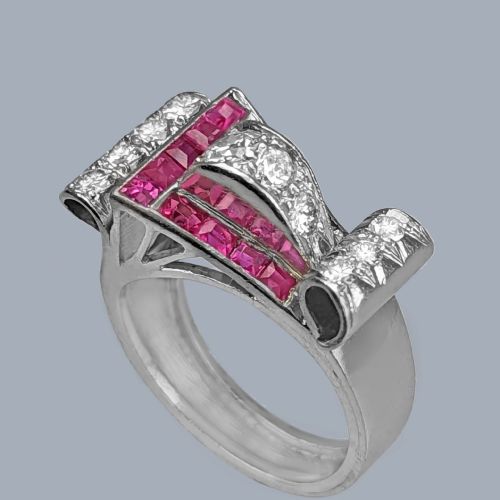
Settings relied on delicate claw, bezel, and flush gypsy techniques to secure diamonds alongside coloured gems like sapphires, rubies, and emeralds. Jewellers integrated intricate millegrain borders and pierced gallery work, particularly during the height of the Edwardian and Art Deco movements.
Listings feature yellow gold, platinum, and white gold settings housing diamonds alongside sapphires, rubies, emeralds, tourmalines, turquoise, and pearls.
What Varies in Quality
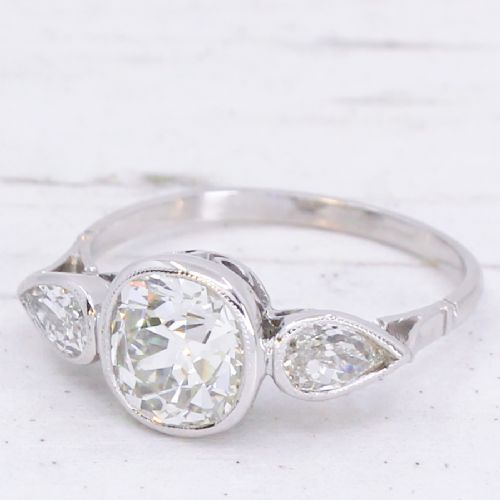
Quality rests upon the symmetry and proportions of the hand-cut diamond, alongside the integrity of the original metal setting. Stones possessing higher clarity and pleasing depth elevate a piece, while well-preserved claw work and sharp millegrain detailing indicate superior craftsmanship.
The harmony between the central old cut diamond and surrounding coloured gemstones, such as unheated rubies or sapphires, dictates the overall distinction of cluster and trilogy designs. Preservation of the original shank and hallmarks further separates standard examples from exceptional survivals.
The Antique Old Cut Ring Glossary
- Old cut
- A diamond faceted by hand prior to the twentieth century, typically featuring a smaller table, higher crown, and a noticeable open culet at the base. These stones were optimised for candlelight rather than electric illumination.
- Toi et moi
- A ring style translating to you and me, featuring two distinct gemstones seated side by side in a twist or crossover configuration. This design symbolises a romantic union.
- Navette
- A boat-shaped mounting that tapers to sharp points at either end, creating an elongated silhouette across the finger. This form gained popularity during the late Victorian and Edwardian periods.
- Gypsy set
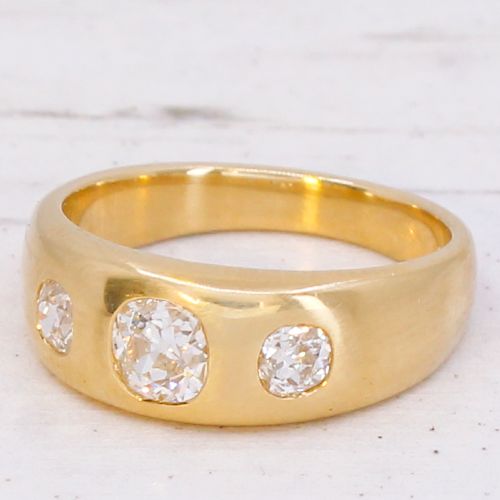
- A mounting style where the gemstone is flush-set directly into the thick metal band, creating a smooth, rounded profile. This secure technique was favoured for everyday wear in the nineteenth century.
- Culet
- The small flat facet at the very bottom of a gemstone, deliberately left open on hand-cut diamonds to allow light to pass straight through the base.
Antique Old Cut Ring: Frequently Asked Questions
How do I care for my antique ring?
Clean your piece gently using warm soapy water and a soft brush, avoiding harsh ultrasonic cleaners that can damage fragile settings. Regular inspection by a jeweller ensures that claws holding old cut stones remain secure.
Store the ring in a separate fabric-lined compartment to prevent softer metals and gemstones from scratching against other jewellery items in your collection.
Can these rings be resized safely?
Most gold and platinum settings can be adjusted by a skilled jeweller who understands antique construction methods. The process requires care to preserve original hallmarks and delicate gallery details.
Consult a specialist who works regularly with vintage mountings to ensure the structural integrity of the band remains uncompromised after adjustment.
What is an old European cut?
An old European cut represents an early round diamond shape with a circular girdle, deep pavilion, and a small table. These stones bridge the gap between irregular old mine cuts and modern brilliant stones.
They appear frequently in Edwardian and Art Deco jewellery, offering a distinct pattern of broad, blocky flashes of light.
Are coloured stones in these rings treated?
Many rubies, sapphires, and emeralds found in period pieces display natural origins, with descriptions occasionally noting unheated or untreated stones. Natural variations in hue and inclusions confirm their age and geological formation.
Appraisers examine internal characteristics under magnification to determine whether a gemstone has undergone modern enhancement or retains its original state.