


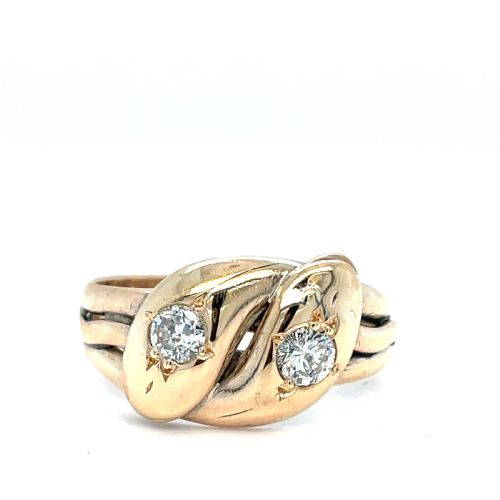
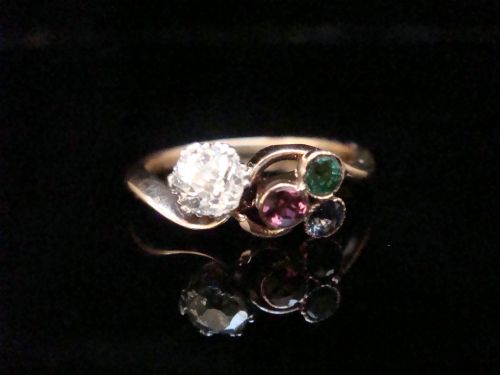
Antique Diamond Band Ring
An antique diamond band ring brings together old cut stones and rich gold or platinum, offering daily wear with character.
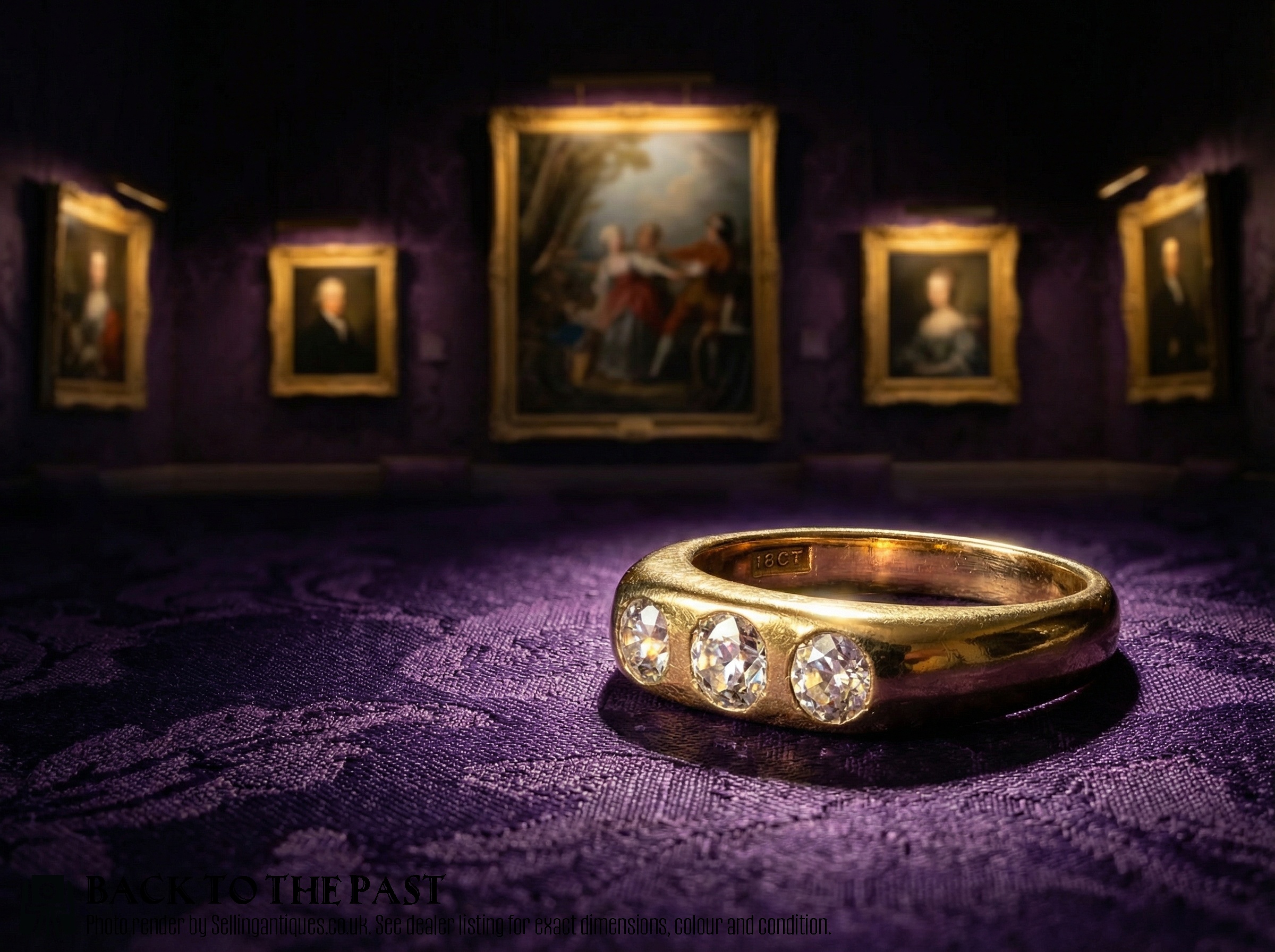
Identifying an antique diamond band ring
An antique diamond band ring combines structural metal bands with set diamonds, appearing across Victorian, Edwardian, George V, and Art Deco periods. These pieces serve as finger rings designed for daily wear or formal display.
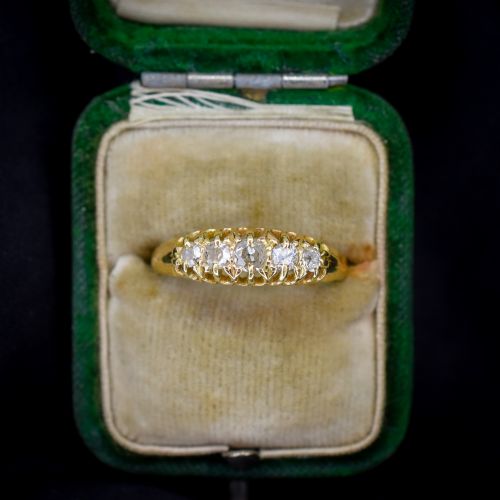
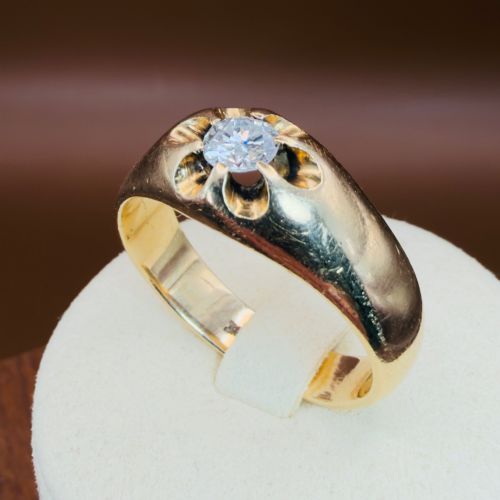
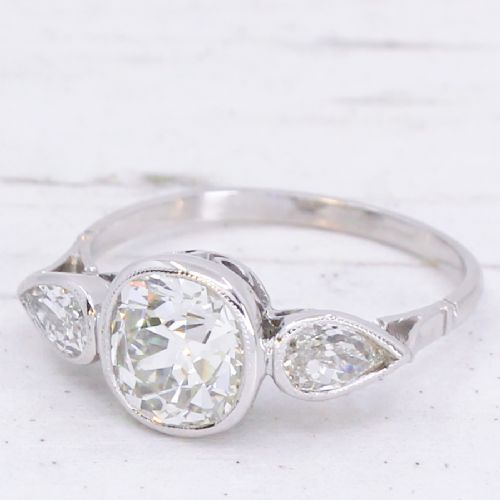
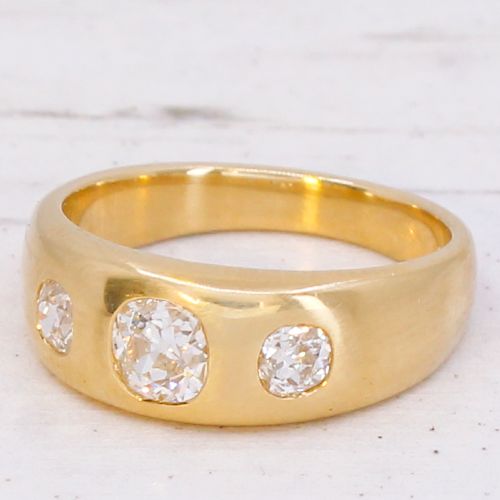
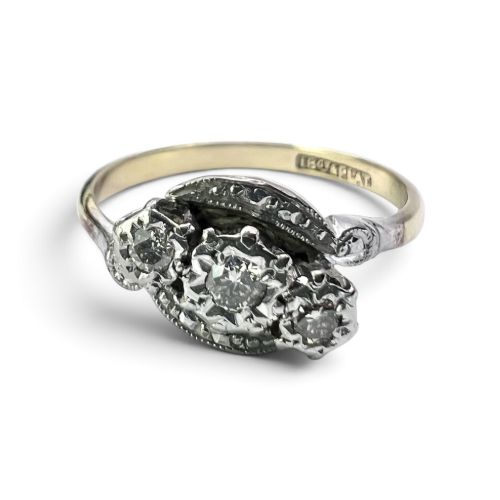
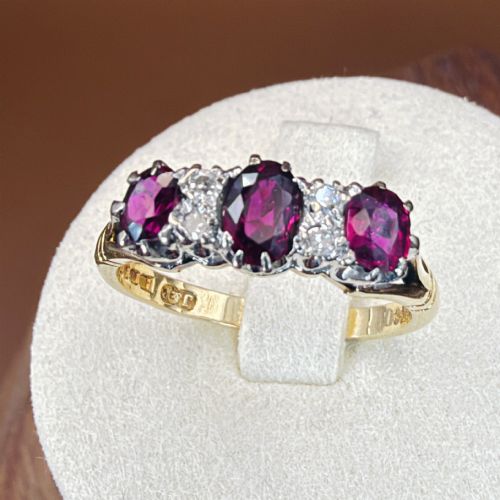
The version most commonly met on this page is the yellow gold or platinum band, frequently featuring old cut diamonds, gypsy settings, or trilogy arrangements from the late nineteenth and early twentieth centuries.
Materials and construction
Constructed from materials including 18ct yellow gold, 9ct gold, 15ct gold, and platinum, these bands house diamonds alongside occasional rubies and opals. Metal is shaped into solid bands, snake serpent forms, or ornate profiles.
Diamonds are set into the metal using old cut, brilliant cut, rose cut, and gypsy setting techniques. Stones are integrated directly into the gold or platinum surface or held in multi-stone trilogy and starburst arrangements.
Retail Price Guide 2026
Typical UK retail prices for diamond band ring, calculated from the Sellingantiques database of over a million retail prices indexed since 2003. This retail price guide relies exclusively on Sellingantiques data; no external sources or auction records are used, so the figures do not describe the wider market.
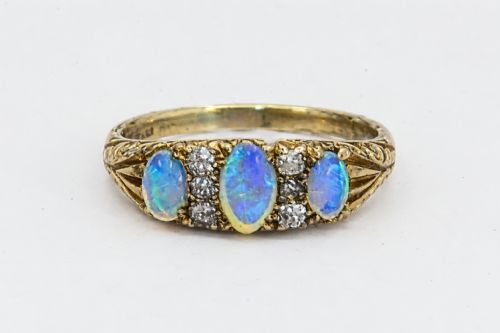
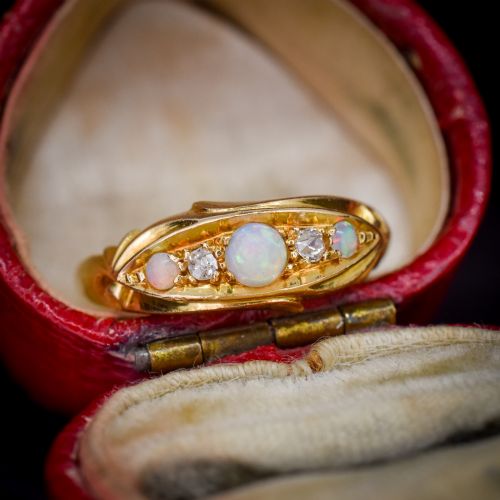
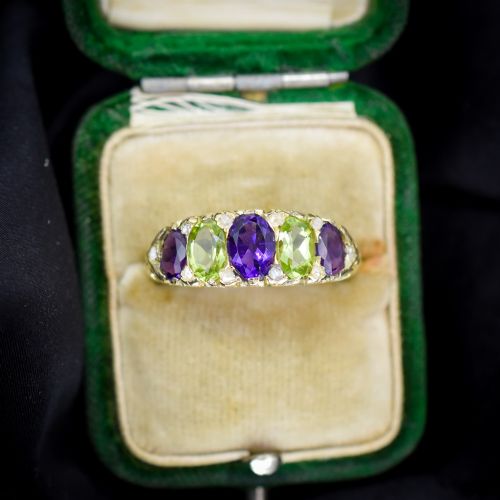
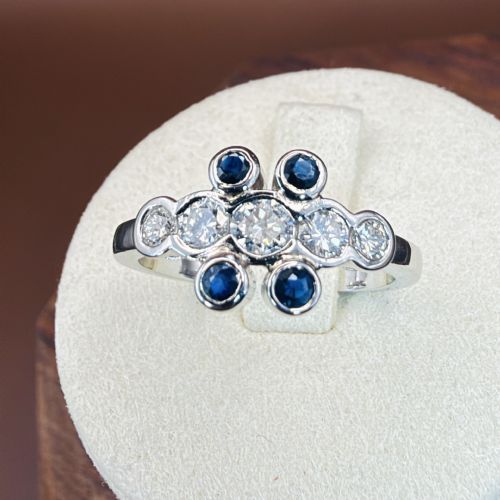
Materials span platinum, 18ct yellow gold, 15ct gold, and 9ct gold combined with diamonds, rubies, and opals.
Assessing quality in antique bands
Quality rests in the weight and purity of the gold or platinum, alongside the size and cut of the diamonds. Substantial metal weight, such as heavy yellow gold bands, elevates a piece.
The precision of the setting work distinguishes standard production from finer craftsmanship, particularly in gypsy set rings and intricate platinum top mounts over gold bands.
The Antique Diamond Band Ring Glossary
- Gypsy setting
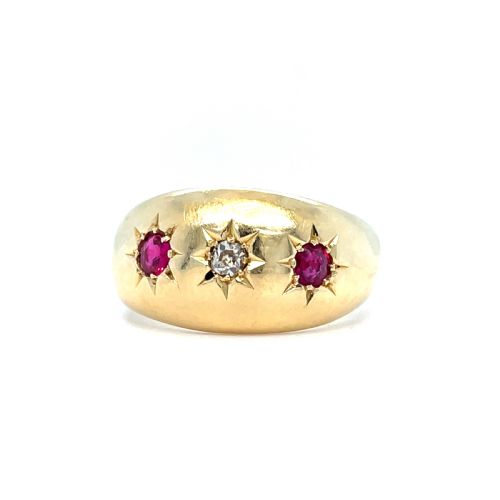
- A mounting style where the diamond is flush-set into the metal band, leaving the surface smooth around the stone. This technique protects the stone edges during wear.
- Old cut diamond
- A diamond cut by hand before modern machinery, featuring a smaller table, higher crown, and larger culet. These stones catch candlelight with a softer sparkle.
- Trilogy ring
- A ring featuring three stones set in a row, representing the past, present, and future. This layout appears frequently with diamonds flanked by rubies or additional diamonds.
- Rose cut diamond
- A diamond cut with a flat base and a faceted dome resembling an unopened rosebud. This style produces a translucent, subtle glimmer.
- Starburst
- A decorative engraved pattern radiating outwards from a central stone. This motif frames rubies and diamonds on Victorian gold bands.
Frequently Asked Questions
Can I wear an antique diamond band daily?
These bands were built for everyday use, especially gypsy settings where stones sit flush within the metal.
Heavier gold and platinum bands withstand regular wear, though older claws and settings benefit from occasional checks by a jeweller.
How do I identify a Victorian diamond ring?
Victorian pieces often utilise 18ct or 15ct yellow gold, featuring gypsy settings, starburst engravings, or double snake serpent designs.
Stylistic cues match the late nineteenth century, prior to the rise of platinum and geometric Art Deco shapes.
What is an old cut diamond?
Old cut diamonds are hand-faceted stones shaped before the creation of the modern brilliant cut. They display distinctive proportions with deeper pavilions and open culets.
These stones produce a gentle, warm sparkle under indoor lighting.
What does trilogy mean on a ring?
A trilogy ring contains three stones mounted in a sequence across the band. Diamonds in these settings often appear alongside rubies or opals.