






Antique Oil Table Lighter
These antique oil table lighters are functional smoking accessories designed for the nineteenth and early twentieth century interior, offering genuine period charm.
Antique Oil Table Lighter
An antique oil table lighter serves as a striking functional centrepiece for a room, designed specifically for lighting cigars and pipes in the nineteenth and early twentieth centuries. When searching for an antique oil table lighter, buyers encounter a fascinating array of smoking accessories spanning the Victorian, Edwardian, and later periods.
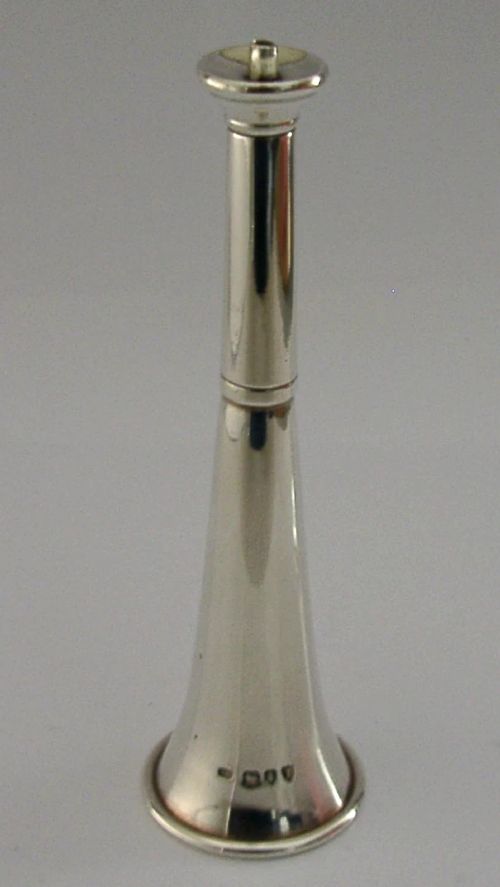
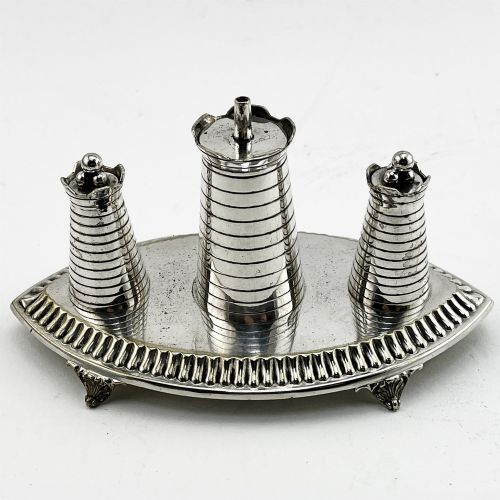
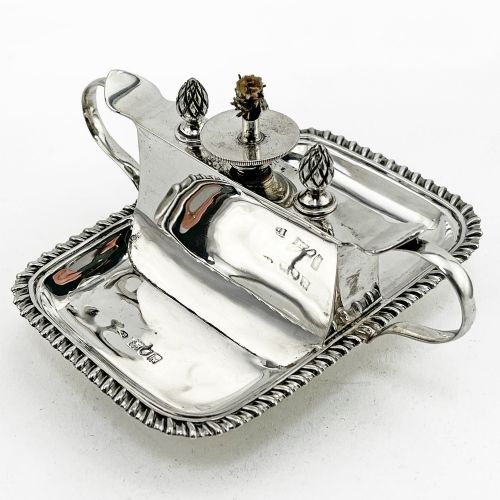
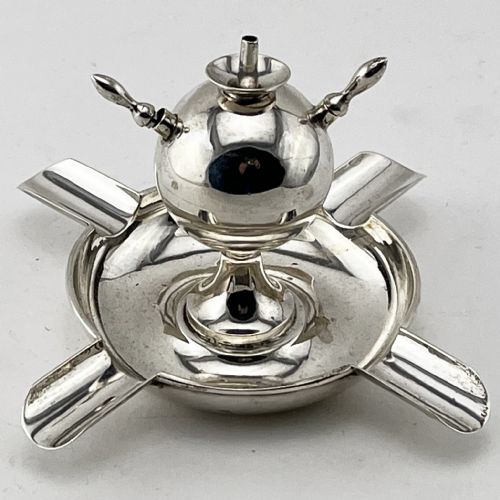
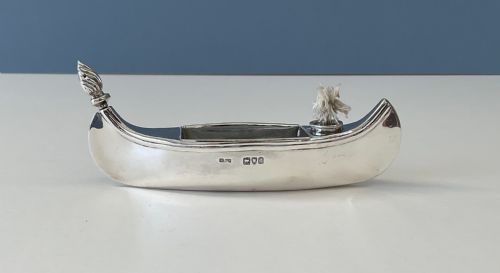
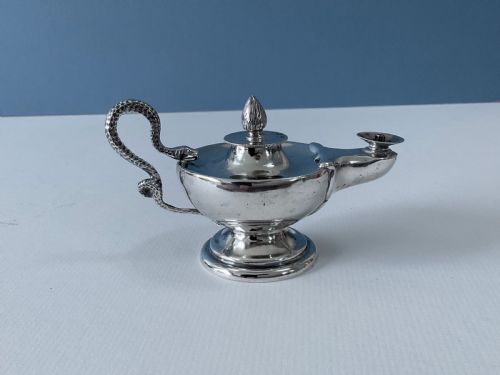
The selections on this page showcase diverse forms ranging from traditional classical oil lamps and Aladdin shapes to whimsical novelties such as hunting horns, canoes, and castles. These pieces originate from distinct eras including the 1860s, the 1880s, the 1890s, and into the 1920s and 1930s.
How they were made
The construction of an antique oil table lighter typically relies upon solid sterling silver or silver plate, shaped to achieve detailed figural and classical forms. Artisans utilised metals like brass and nickel silver alongside precious metals to build durable bodies capable of holding fuel.
Combustion relies upon a simple fuel reservoir fitted with a fabric wick, often cotton, which draws the oil to the flame. Metalwork techniques such as casting, chasing, and plating define the exterior ornamentation, from smooth trefoil shapes to intricate architectural castles and hunting horns.
Antique Oil Table Lighter Retail Price Guide 2026
Typical asking prices for oil table lighter among the pieces listed under this phrase on Sellingantiques today, from the lower quarter to the upper quarter. They describe what is for sale here now, not the wider market.
Object forms include standard table lighters, cigar lighters, and novelty shapes styled as Aladdin lamps, canoes, and hunting horns.
What varies in quality
Quality in an antique oil table lighter rests upon the crispness of the casting and the artistic ambition of the form, particularly in novelty pieces where fine detailing dictates the visual success. Maker attribution and hallmarking heavily influence desirability, as pieces bearing marks from established makers demonstrate superior craftsmanship.
The choice of material, whether heavy gauge sterling silver or standard silver plate, alters the substance and longevity of the object. Furthermore, the integrity of the design, from simple classical lamps to complex figural horns and canoes, separates standard production items from exceptional works.
Braham·Goldsmith & Silversmith·Jan Eisenlöffel·WMF·Comyns·Elkington
The Antique Oil Table Lighter Glossary
- Sterling silver
- A silver alloy containing 92.5 percent pure silver by mass and 7.5 percent other metals, usually copper. This standard alloy provides the structural durability required for detailed table objects.
- Silver plate
- A layer of silver applied to a base metal such as brass, copper, or nickel silver. This technique offered an accessible alternative to solid precious metals.
- Novelty lighter
- A smoking accessory shaped into a recognizable object or animal, such as a canoe, castle, or hunting horn. These playful designs appealed to Victorian and Edwardian collectors.
- Fabric wick
- A strip of woven material, commonly cotton, placed inside the oil reservoir to draw fuel to the flame. It remains an essential functional component of any oil table lighter.
- Classical revival
- An artistic style drawing inspiration from the art and architecture of ancient Greece and Rome. Many table lighters adopt the silhouette of ancient oil lamps in this tradition.
Antique Oil Table Lighter: Frequently Asked Questions
What fuel do antique table lighters use?
These pieces generally utilise lamp oil or paraffin designed for traditional wick-based lighting systems.
Buyers should ensure the internal reservoir and cotton wick are clean and suitable for safe usage.
How do I identify a Victorian table lighter?
Victorian examples often feature hallmarks corresponding to the nineteenth century alongside styles like classical revival or distinct novelty shapes.
Examining the metal stamps and stylistic motifs helps confirm the manufacturing era.
Were these lighters used for cigars?
Many table lighters from this era were specifically produced as cigar lighters for use in smoking rooms and gentlemen's clubs.
Their larger size provided a steady flame suitable for lighting larger tobacco products.