
Antique Oil Study
An antique oil study offers direct insight into an artist's working process, capturing raw observation before it becomes a finished gallery piece.
Antique Oil Study
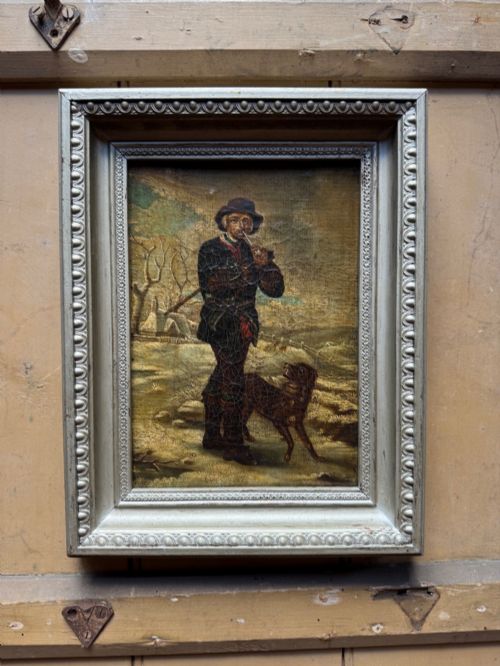
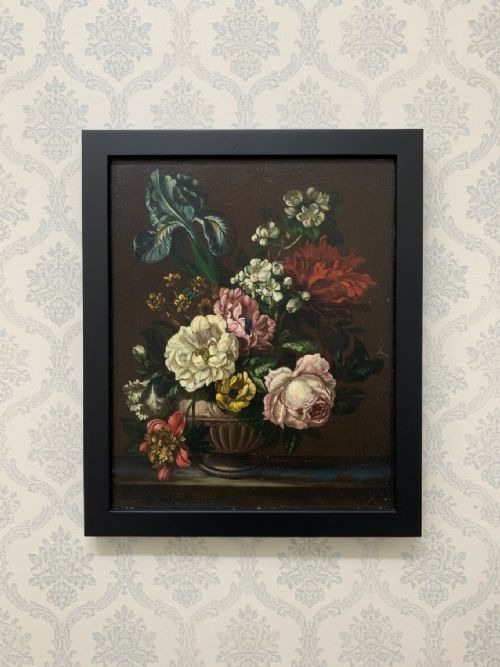
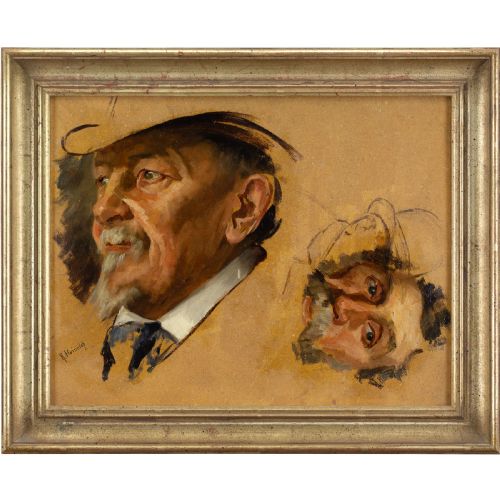
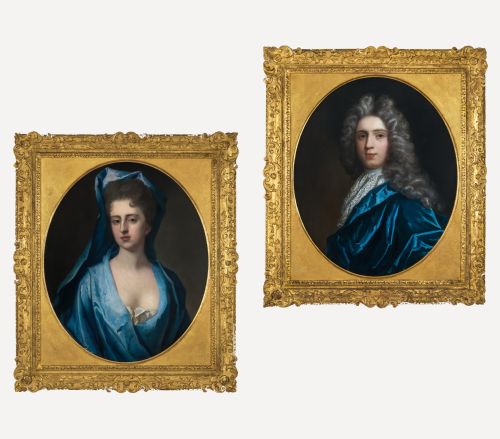
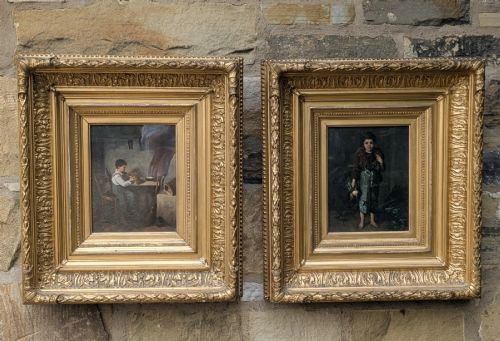
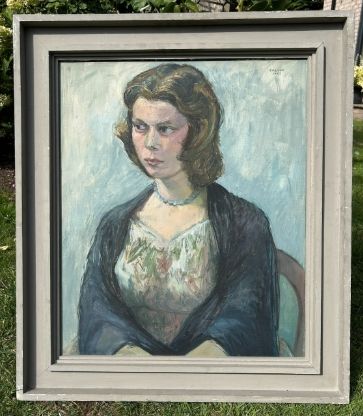
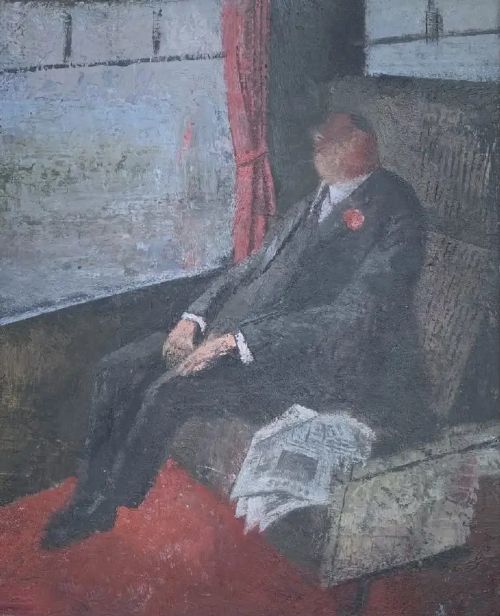
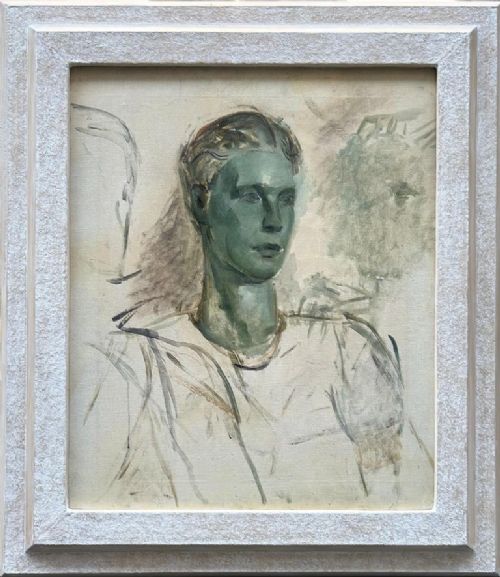
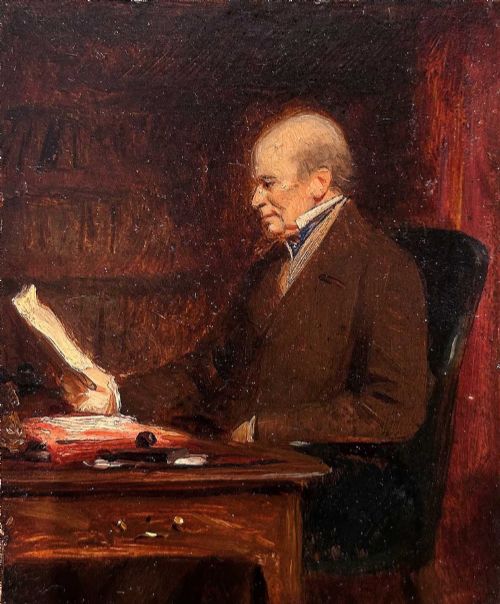
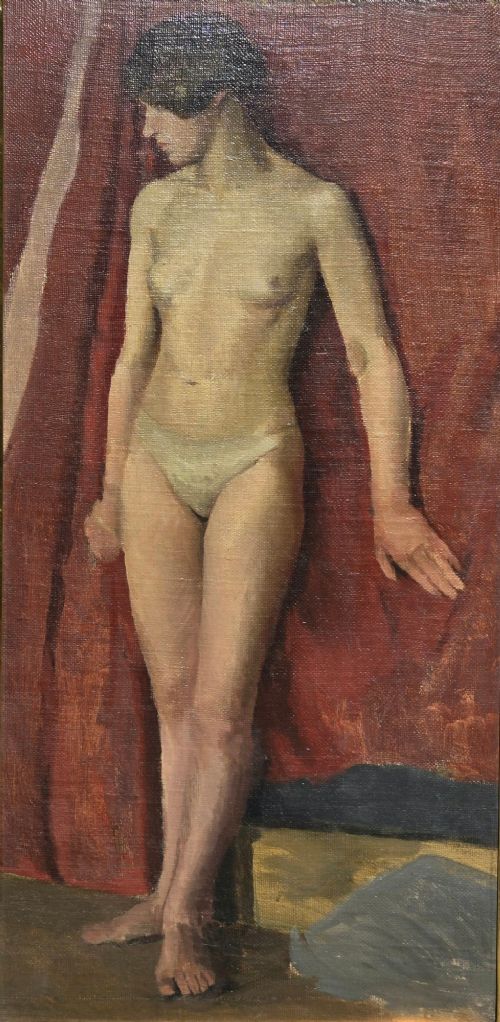
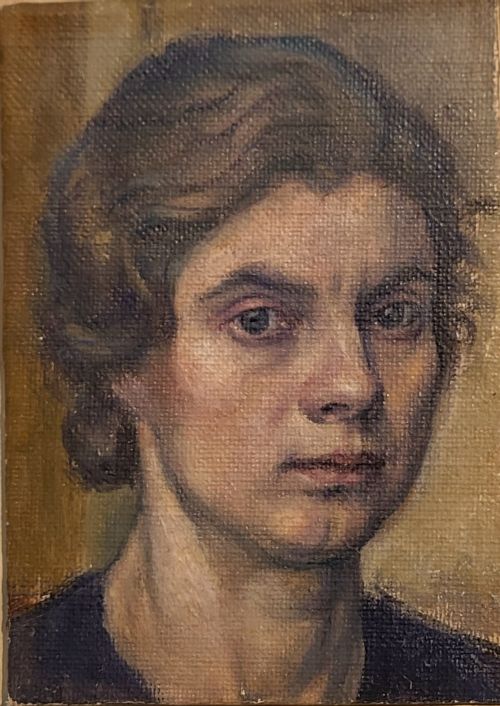
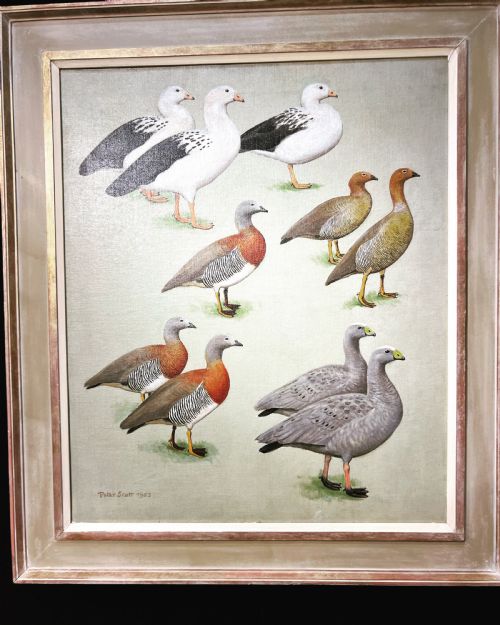
An antique oil study is a preliminary painting or rapid observation executed in oil paint, often created to test composition, light, or colour before undertaking a larger work. When exploring this selection, buyers encounter everything from rapid portrait sketches and animal studies to botanical arrangements and landscape tests.
The pieces on this page span from the seventeenth century through the Victorian era and into the early twentieth century, reflecting the working methods of British, French, Dutch, and other European schools. Many bear the marks of direct, unvarnished creation, offering an intimate perspective on historical painting techniques.
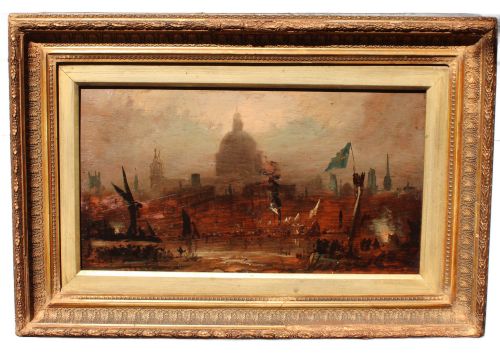
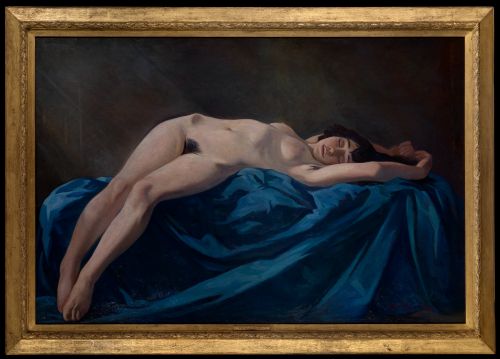
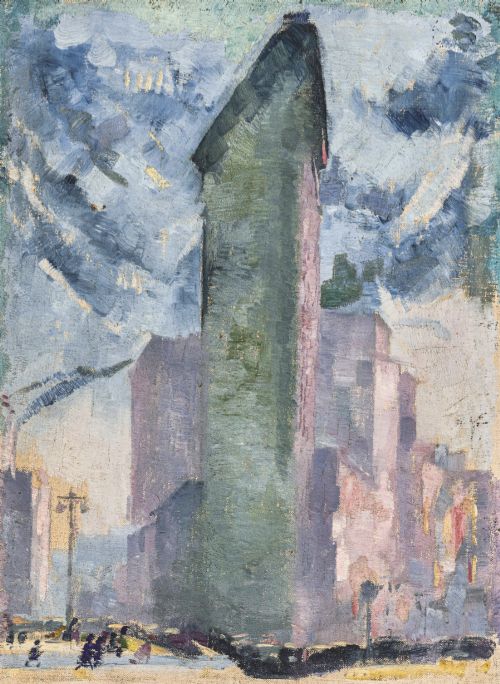
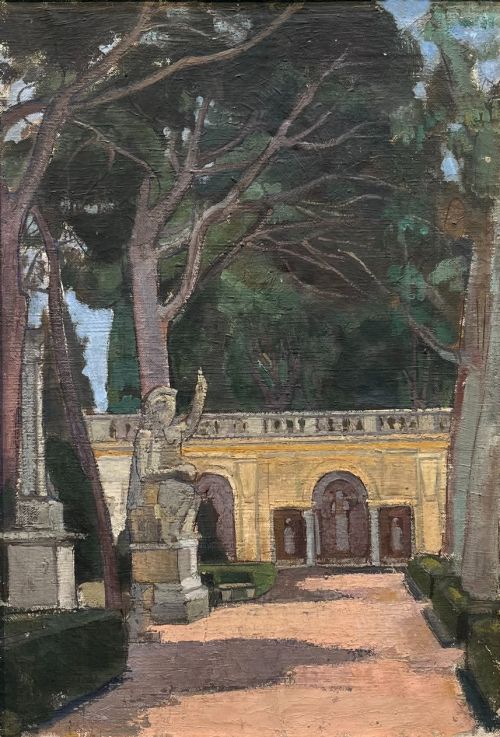
Subjects range widely across the inventory, including human figures, racehorses, still life arrangements of flowers, and architectural studies. These works appeal to collectors who value spontaneity and immediate artistic intent over the formal restraint of finished studio commissions.
Materials and construction
These works are painted primarily in oil on supports such as woven canvas, wooden panels, card, board, and occasionally tin or artist's palettes. The choice of support often dictates the texture of the surface, with panels providing a rigid ground for precise brushwork and canvas offering more flex and weave.
Artists applied oil paint using various implements, building up pigment to capture fleeting light or deep shadow in a single session or across multiple sittings. Framing often consists of period gilt wood, which protects the edges of the panel or canvas and frames the composition.
Subject matter across the inventory encompasses landscapes, equestrian scenes, still lifes, and intimate portrait studies.
Evaluating quality and execution
Quality in an oil study rests on the confidence of the brushwork and the clarity of the initial vision, where hesitant marks reveal a struggling hand and assured strokes display mastery. The vitality of the composition often outweighs finish, as these works were valued for their raw energy rather than polished perfection.
The reputation of the school or the identifiable hand of a listed artist elevates a study, transforming a functional workshop tool into a collectible artwork. Preservation of the original pigment layer, minimal retouching, and the presence of period framing also contribute to the desirability of a piece.
Michael Dahl·Thomas Murray·William Etty·Alfred Wolmark·Sir Peter Markham Scott
The Antique Oil Study Glossary
- Ground
- The prepared surface applied to a canvas or panel before painting begins. It provides a stable and non-absorbent base for the oil paint.
- Panel
- A rigid wooden or metal support used instead of stretched canvas. Painters favoured panels for small-scale studies because they require minimal preparation.
- En grisaille
- A painting executed entirely in shades of grey or neutral monochrome. This technique was frequently used to study tone and form before introducing colour.
- Provenance
- The documented history of ownership associated with a work of art. It helps establish authenticity and trace the lineage of the piece.
- Manner of
- A term used when a work is executed in the style of a specific artist without being their direct creation. It indicates an adherence to particular technical and aesthetic methods.
Antique Oil Study: Frequently Asked Questions
What is an antique oil study?
An antique oil study is a preparatory painting created by an artist to test composition, lighting, or colour before embarking on a larger finished canvas. These works are prized for their spontaneous brushwork and direct glimpse into the creative process.
Unlike formal portraits or gallery commissions, studies were often kept in the artist's studio as reference material. Consequently, they frequently exhibit a freedom of execution that finished works lack.
How do I care for an oil study on wood panel?
Oil studies on wood panels require stable environmental conditions with moderate humidity to prevent the wood from warping or splitting. Avoid placing them in direct sunlight or near sudden heat sources.
Dusting should be done gently with a soft, dry brush, avoiding any moisture or chemical cleaning agents on the painted surface. Professional conservation should be sought if the paint layer shows signs of cracking.
How can I tell the period of an oil study?
Dating an oil study involves examining the physical support, the composition of the canvas or panel, and the framing materials. Historical clues are often found in the pigments used, canvas stamps, or handwritten inscriptions on the reverse.
Stylistic markers also help place a work within a specific era, such as the brushwork typical of nineteenth-century academic training or early twentieth-century impressionism.
Are oil studies considered finished artworks?
While originally created as working tools or preparatory exercises, many oil studies are complete artistic statements in their own right. Collectors and galleries have long appreciated them for their raw honesty and expressive power.
Today, these pieces hang as independent works of art, valued precisely because they capture an unpolished moment of observation.