


Dark Academia Artwork
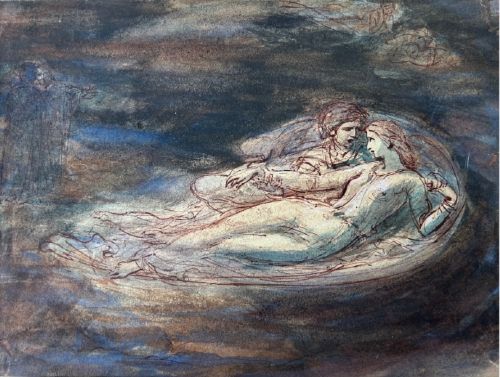
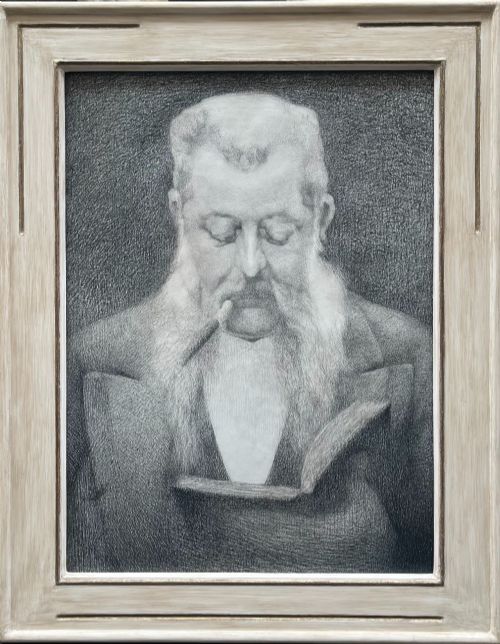
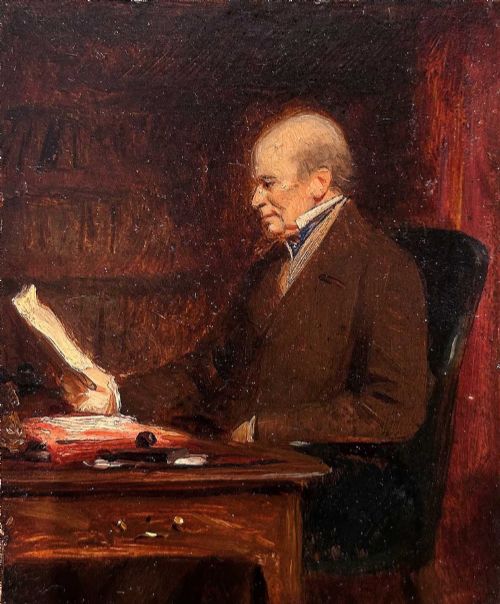
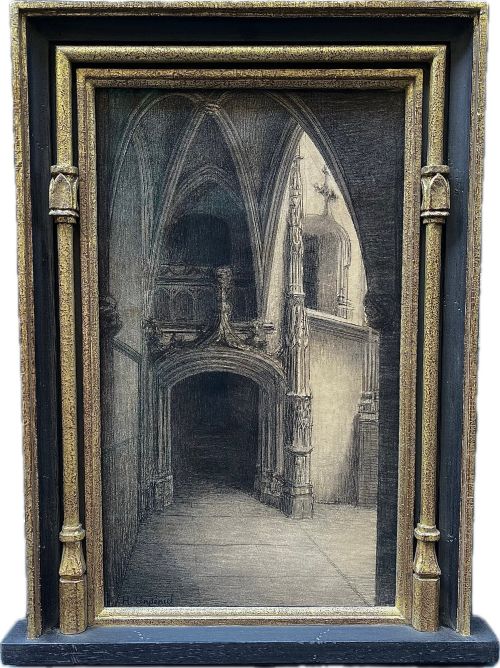
Dark academia artwork gathers moody oil paintings, solemn portraits and Gothic sketches from past centuries.
Dark Academia Artwork
Dark academia artwork brings together historical portraits, biblical narratives and moody still life scenes that evoke a scholarly atmosphere. Buyers search for these pieces to create an interior reminiscent of historic libraries, studies and galleries.
The selections on this page draw from the 17th century through to the 20th century, encompassing Victorian, Gothic Revival and Symbolist styles. Oil paintings on canvas and wood feature alongside ink drawings, watercolours and framed prints.
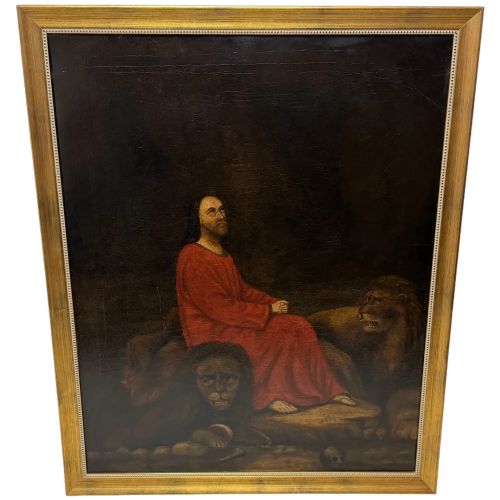
Portraits of gentlemen in ruffs, biblical scenes such as Daniel in the lions' den, and vanitas compositions dominate the forms available. These works frequently employ dark palettes and academic subjects that suit traditional display spaces.
Materials and technique
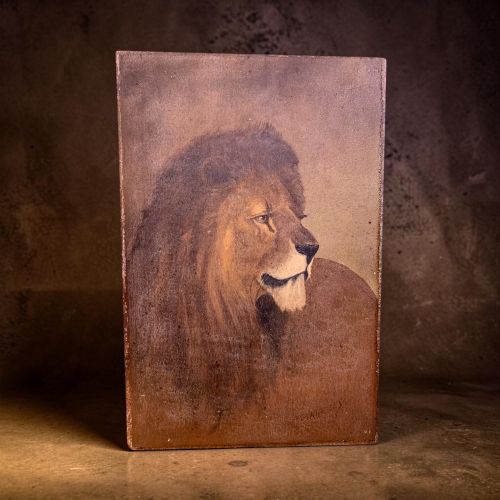
Artists relied primarily on oil paint applied to canvas, wood panels or copper plates, building rich tones through successive layers. Canvas and wood provide the sturdy foundation necessary for centuries of preservation.
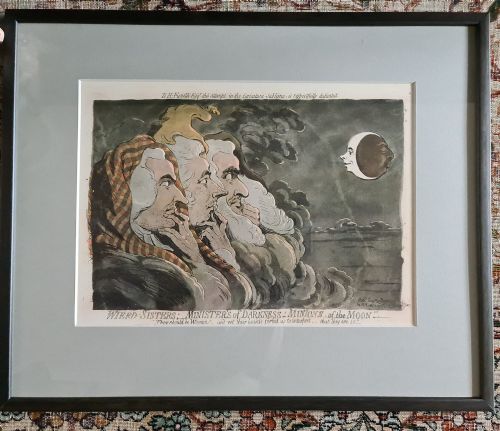
Works on paper utilise ink, wash and watercolour to capture fine details in sketches and silhouette prints. Glass frames protect these delicate paper pieces from atmospheric moisture and handling.
Framed artworks often retain period wooden mouldings that complement the sombre academic subjects depicted within. The combination of oil, canvas and dark pigments defines the physical presence of these historic items.
A solitary monkey peers out from a 19th-century oil painting alongside solemn portraits of scientists and gentlemen.
Evaluating quality
The fidelity of anatomical drawing and the handling of light separate masterwork portraits from naive folk art pieces. Skilled brushwork renders fabrics, facial expressions and interior shadows with convincing depth.
Condition of the canvas, panel or paper surface dictates the longevity and visual impact of the artwork. Original framing and documented attributions to known schools or artists elevate the standing of a piece.
Stephen Pearce·Henri Charles Angéniol·Niels Wiwel·Herbert Butler·James Archer·John Scougall·Stephen Taylor·Otto Rothenburgh·Lemuel Francis Abbott
The Dark Academia Artwork Glossary
- Vanitas
- An artwork featuring symbolic objects that remind the viewer of the transience of life. Skulls, wilting flowers and books frequently appear in these compositions.
- Pre-Raphaelite
- A style associated with 19th-century artists who rejected academic rules in favour of detailed observation and medieval themes. These works often show intense colours and literary subjects.
- Symbolist
- A movement focusing on internal psychological states and metaphorical imagery rather than literal reality. Artists working in this manner used mysterious subjects and sombre tones.
- Gothic Revival
- An architectural and artistic style reviving medieval forms, pointed arches and gloomy narratives. This aesthetic heavily influences dark academia interiors.
- Oil on copper
- A technique where artists painted directly onto polished copper sheets. This method creates a luminous surface that preserves fine detail over centuries.
Dark Academia Artwork: Frequently Asked Questions
What periods do these artworks cover?
The pieces span from the 17th century through the 18th and 19th centuries into the 20th century. Major stylistic periods represented include the Victorian era, Baroque and Gothic Revival.
Paintings range from early Dutch school portraits to later Symbolist and folk art interpretations. Each era brings distinct materials and painting techniques to the collection.
How do I identify a vanitas painting?
Vanitas paintings contain specific symbolic objects intended to reflect upon human mortality and the passage of time. Common motifs include skulls, hourglasses, fading blooms and half-eaten meals.
These elements encourage contemplation and form a cornerstone of the dark academia aesthetic. Artists rendered them with careful attention to shadow and detail.
Are these pieces original or prints?
The selection includes original oil paintings on canvas and wood, alongside original watercolours and ink sketches. Framed prints also feature for buyers seeking accessible historical imagery.
Descriptions specify whether a work is an original painting, a drawing or a print. Material details such as oil on canvas or watercolour on paper clarify the medium.
How should I display dark academia artwork?
These works suit traditional interiors with wood panelling, bookshelves and subdued lighting. Grouping portraits and still lifes together creates a gallery wall reminiscent of a historic study.
Ensure pieces on paper remain protected behind glass away from direct sunlight. Proper wall placement preserves the delicate pigments of older oil and watercolour works.