



Historic Figure Painting
Historic figure painting works best when the subject holds the wall, capturing people from centuries past through oil, watercolour and print.
Historic Figure Painting
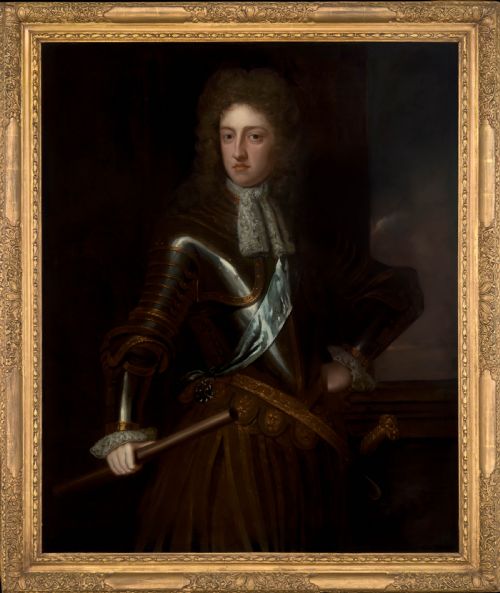
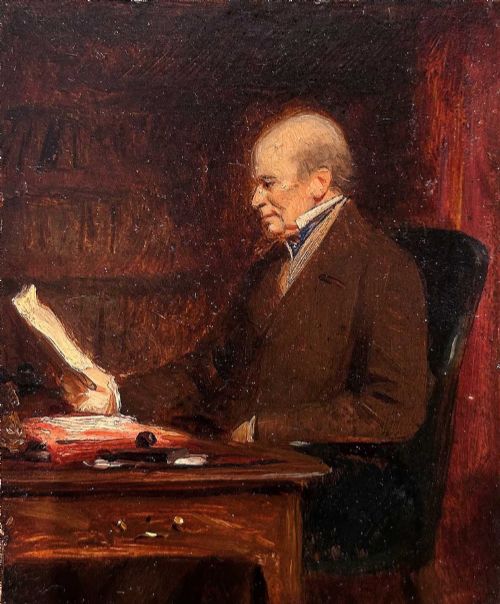
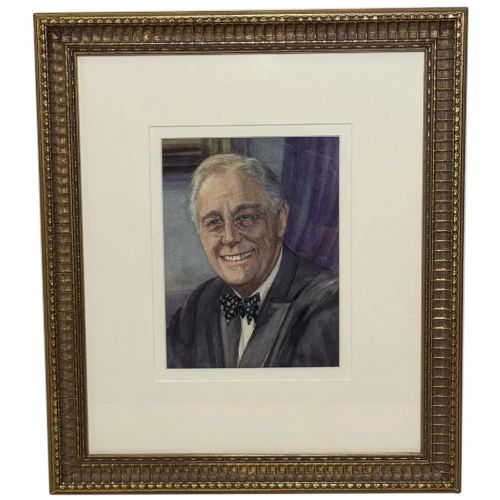
Historic figure painting brings notable individuals, servants and literary figures into view across periods from the seventeenth century to the mid-twentieth century. These works appear primarily as oil paintings on canvas and panel, alongside watercolours, mezzotints and framed prints.
The selection ranges from seventeenth-century studio portraits and eighteenth-century Baroque studies to nineteenth-century realism and historical revival scenes. Subjects include royalty, aristocrats, literary figures and narrative character studies set in wooded landscapes or interiors.
Buyers encounter everything from formal aristocratic likenesses in giltwood frames to intimate preparatory studies and historical genre scenes. Each piece records past dress, posture and social hierarchy through the specific lens of its maker.
Materials and methods
Oil on canvas forms the backbone of these works, complemented by oil paint applied to wooden panels and watercolours on paper. Artists utilised pigments layered to build depth in clothing, flesh tones and background details.
Framing plays an integral role, with period giltwood frames enclosing many of the canvases. Mezzotint printmaking techniques translated painted portraits into multiple printed impressions during the eighteenth century.
Object types include framed prints, watercolours and oil paintings in styles ranging from Jacobean to Mid-Century Realism.
Evaluating quality and execution
The strength of a portrait or figure study lies in the handling of the face, hands and textiles. Masterful brushwork captures personality and texture, whereas weaker examples flatten the subject and lose anatomical proportion.
Condition and originality separate works that retain their original canvas and period giltwood frame from those altered by later restoration or placed in mismatched surrounds.
Sir Godfrey Kneller·Stephen Pearce·Sir Joshua Reynolds·Bartolomeo Schedoni·Rudolph Lehmann·Abraham Van Blyenberch·Henry Edridge·Thomas Dudley
The Historic Figure Painting Glossary
- Mezzotint
- A printmaking process of the scraper family allowing half-tints to be produced without line work. This technique creates subtle gradations of light and shade particularly suited to reproducing oil paintings.
- Baroque
- A style spanning the seventeenth and eighteenth centuries characterised by exuberant motion and clear detail. It brings theatricality and dramatic lighting to portraiture and narrative scenes.
- Giltwood
- Wood carved and covered with a thin layer of gold leaf. These frames provide traditional borders for oil paintings across the Georgian and Victorian periods.
- Panel
- A flat piece of wood used as a support for painting instead of canvas. Artists often worked on wooden panels for smaller cabinet pictures during earlier periods.
- Regency
- A British stylistic period spanning the early nineteenth century. Works from this era often display neoclassical restraint and refined draughtsmanship.
Historic Figure Painting: Frequently Asked Questions
How do I date a historic portrait?
Dating relies on costume, hair styling, framing and any recorded biographical details of the sitter. Inscriptions on the reverse or canvas often provide specific years or artist attributions.
stylistic shifts between seventeenth-century Baroque formality and nineteenth-century realism also help narrow down the period of execution.
Are these paintings original?
The selection includes original hand-painted works in oil and watercolour alongside period print mediums like mezzotints. Each listing specifies the exact medium and whether the work is an original study or an after-work.
examining the canvas weave, pigment ageing and stretcher bars confirms the period authenticity of individual pieces.
What frames come with the paintings?
Many oil paintings retain period giltwood frames that complement the era of the artwork. These frames vary in profile and ornamentation according to the prevailing style of the painting's creation.
buyers should check the specific condition notes to confirm if the frame is original to the piece.
How should I care for oil portraits?
Keep paintings away from direct sunlight and stable temperature environments to protect the canvas and oil paint layers. Avoid touching the painted surface or the fragile gilt surfaces of period frames.
professional cleaning should only be undertaken by a trained conservator when dust or varnish accumulation obscures the detail.