

Antique Oil Portrait Lady
When choosing an antique oil portrait lady, you secure a canvas carrying centuries of identity, pigment and presence.
Antique Oil Portrait Lady
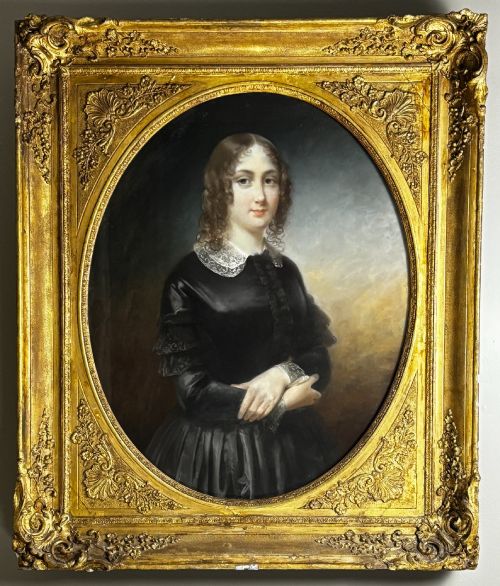
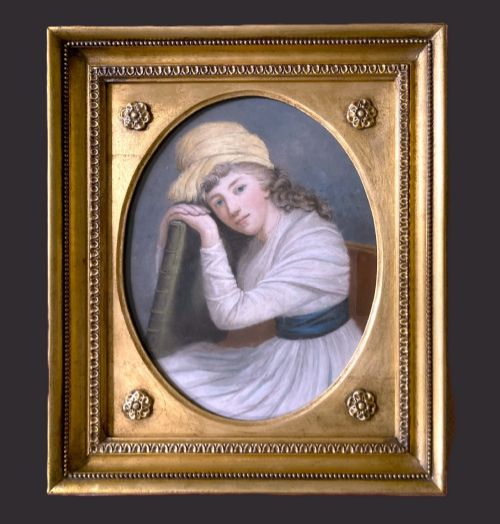
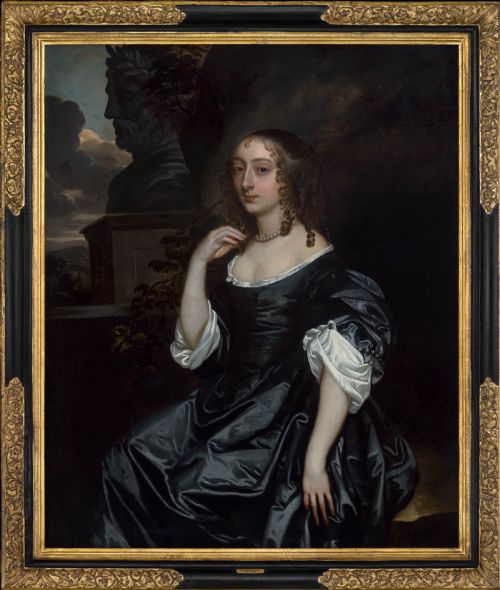
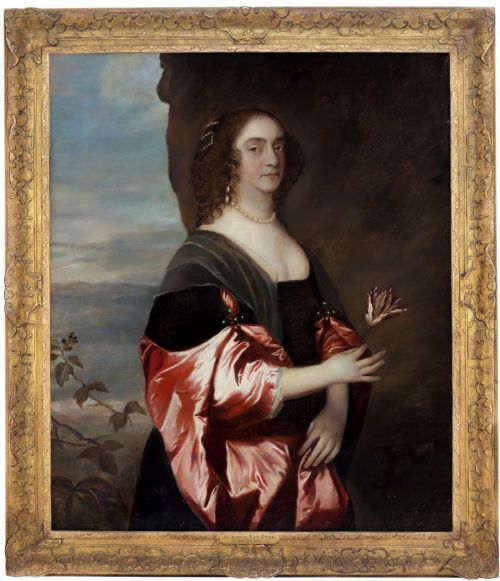
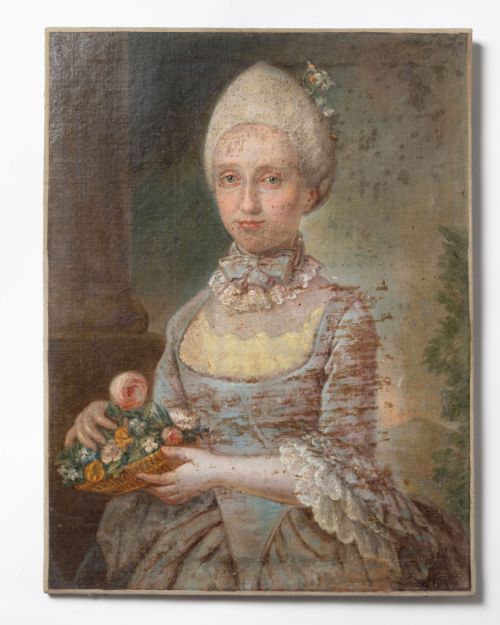
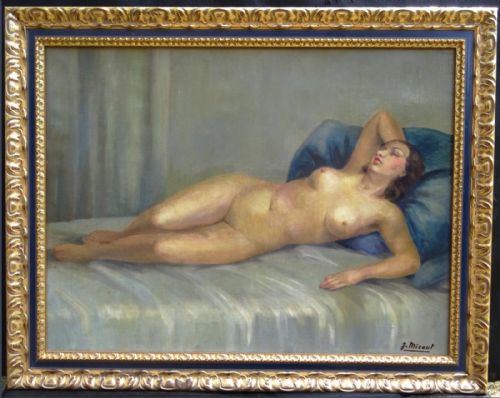
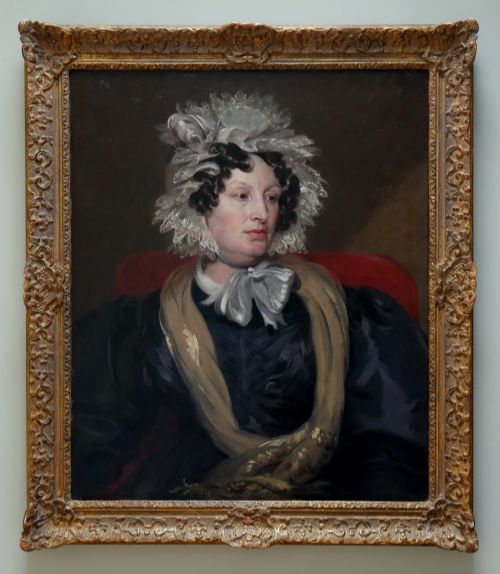
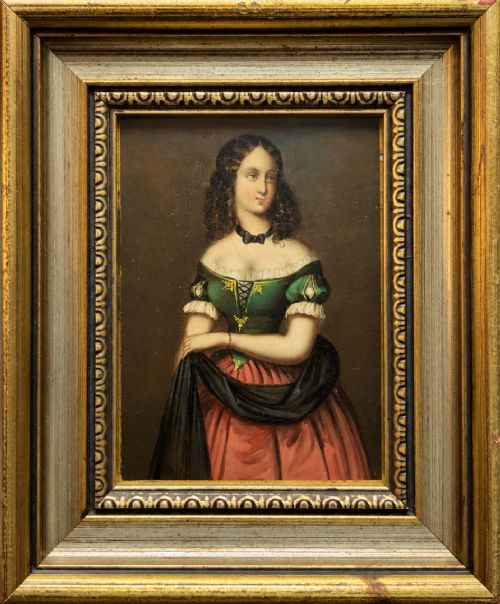
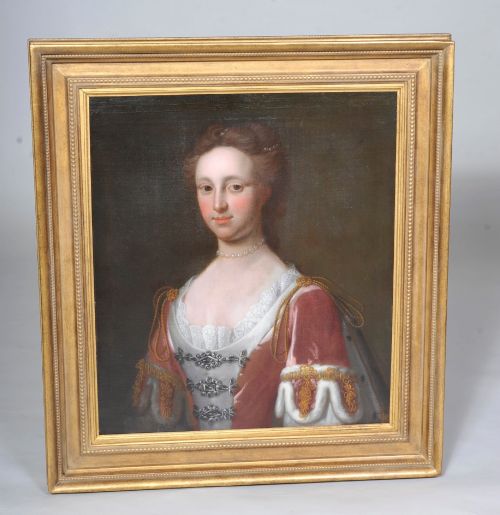
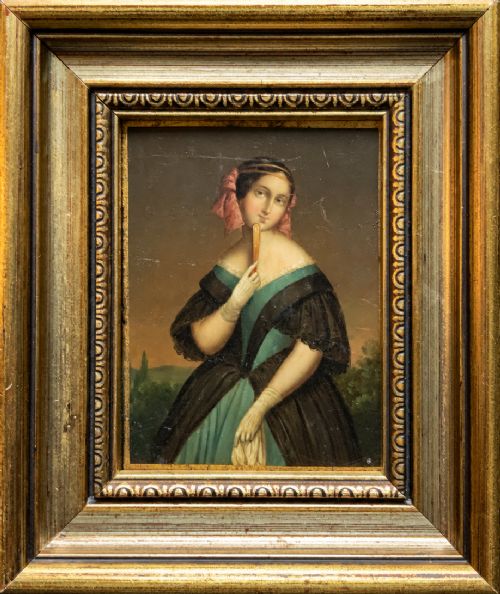
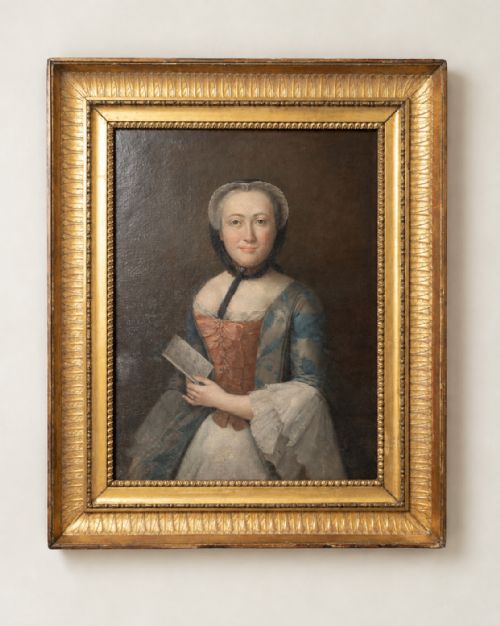
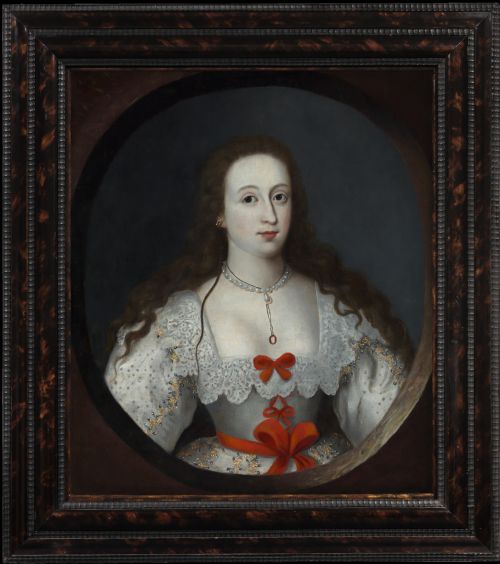
An antique oil portrait lady captures female subjects across centuries of shifting social standing and artistic convention, ranging from grand aristocratic commissions to intimate portrayals of private citizens. When exploring this genre, buyers encounter works originating from the seventeenth century onward, spanning Georgian elegance, Victorian formality and Edwardian charm.
The selections on this page demonstrate the broad geographical and stylistic reach of historical portraiture, including English, Dutch, Bavarian and French schools. These paintings frequently depict named sitters such as noblewomen, architects and family members, alongside unidentified subjects rendered in period attire.
Surviving formats include substantial canvas works designed for panelled rooms, more modest board paintings and panel works executed in oil. Many retain their original framing materials, providing a complete historical object rather than merely a painted surface.
Materials and technique
Makers applied oil paint to stretched canvas, wooden panels or oak boards, building up layers of pigment to achieve depth in garments, skin tones and backgrounds. Painters utilised ground minerals and plant-based binders, mixing colours directly upon the palette to capture the exact sheen of silk, satin or lace ruffs.
Subsequent framing involved carved wood finished with gold leaf or giltwood, framing the canvas to protect its edges and project status. Many works show evidence of historical lining or touch-ups, reflecting centuries of maintenance by successive owners.
Antique Oil Portrait Lady Retail Price Guide 2026
Typical asking prices for oil portrait lady among the pieces listed under this phrase on Sellingantiques today, from the lower quarter to the upper quarter. They describe what is for sale here now, not the wider market.
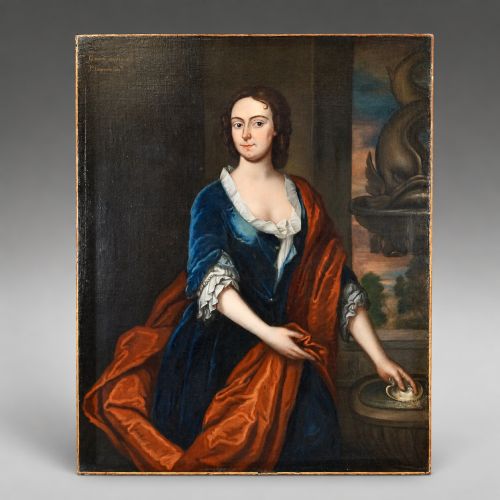
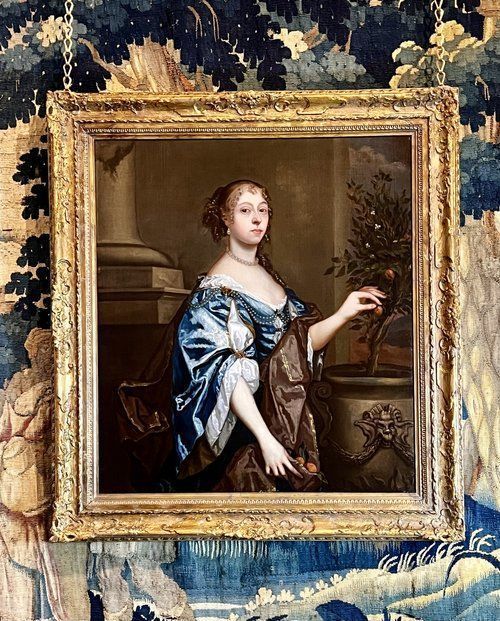
Several ladies on these canvases are immortalised mid-task, caught forever picking oranges or holding red parasols.
Assessing execution and depth
Attribution to documented hands, established circles or identified schools elevates the historical weight of a piece. The survival of contemporary inscriptions, documented provenance and original panel construction further distinguish works produced at the highest levels of portraiture.
Sir Godfrey Kneller·John Hayls·David Scougall·Sir Martin Archer Shee·John Maler Collier·George Willison·Jeremiah Davison·Michael Dahl·Thomas Murray·Pierre Mignard·Pieter Borsseler·Sir Peter Lely·John Vanderbank·Thomas Beach·Sir Allan Ramsay·William Oliver·Adriana Verelst·Cornelius Johnson·Henry Pickering
The Antique Oil Portrait Lady Glossary
- Circle of
- A term indicating the work was produced by an artist closely associated with a master, often working in the same studio or sharing a distinct stylistic influence.
- Giltwood
- Wood carved and coated with gold leaf or metallic powder to create a brilliant, reflective frame finish.
- Panel painting
- An artwork executed on a solid wooden support, such as oak, rather than flexible canvas.
- Ruff
- A stiffly starched, fluted fabric collar worn around the neck during the sixteenth and seventeenth centuries.
- Provenance
- The documented history of ownership of an artwork from its creation to the present day.
Antique Oil Portrait Lady: Frequently Asked Questions
How do I identify the period of a portrait?
Examine the sitter's clothing, hairstyle and collar design, as these elements shifted rapidly across the seventeenth, eighteenth and nineteenth centuries.
Compare these details against documented costume histories and look for any contemporary inscriptions or canvas stamps on the reverse.
Where should I hang an oil portrait?
Position paintings away from direct sunlight and steady heat sources to protect the oil pigments and wooden supports from cracking or fading.
Ensure the wall can support the weight of the heavy timber and giltwood frames typical of these historic artworks.
What is the difference between attributed works and school pieces?
Attributed works are judged by experts to show the direct hand of a specific named master based on stylistic comparison.
School pieces reflect the general training methods and visual output of a particular region or institution during a defined era without pointing to one single creator.
How do I clean an antique canvas?
Dust surfaces gently with a soft, dry brush, avoiding all household detergents, water or chemical solvents that could strip the varnish.
Consult a professional conservator if the paint layer requires deeper cleaning or stabilisation.