



Antique Oil Miniatures
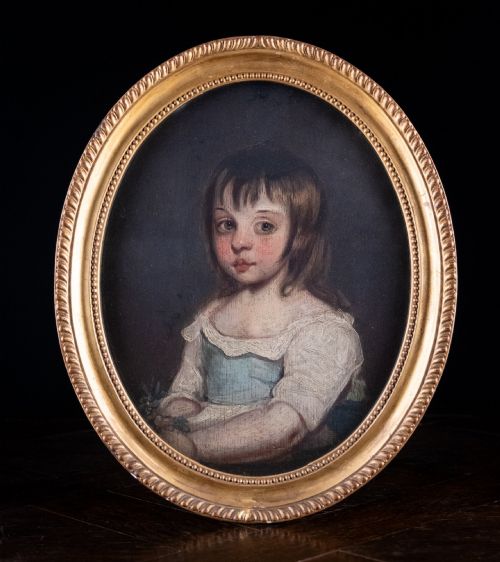
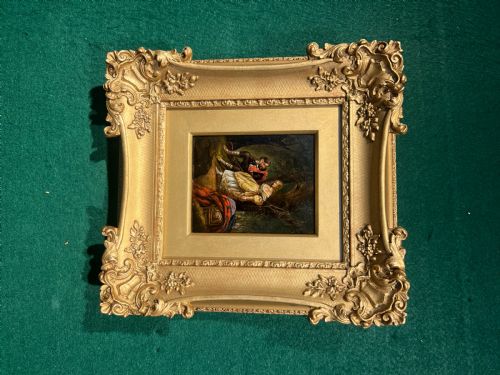
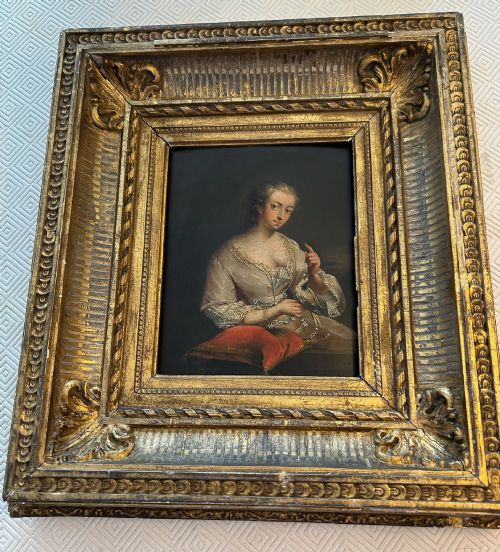
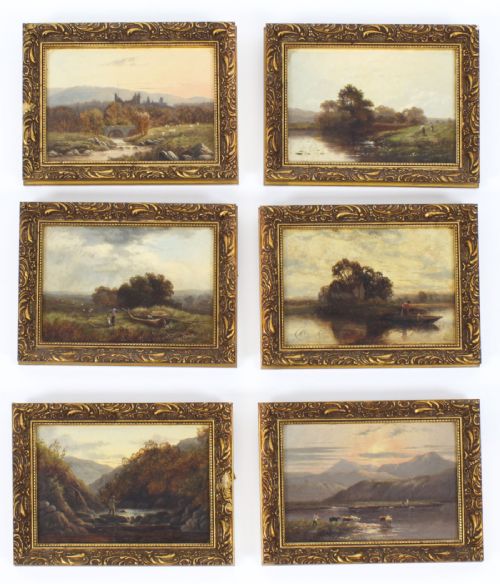
These antique oil miniatures are small painted portraits and scenes executed with remarkable precision on copper, wood, tinplate and canvas.
Antique Oil Miniatures
Antique oil miniatures encompass small-scale paintings, predominantly portraits of notable figures, country girls, ladies, and romantic figures created across the seventeenth, eighteenth, and nineteenth centuries. Collectors encounter Georgian and Regency works alongside Continental school pieces and naïve Scandinavian landscapes.
The format ranges from intimate framed paintings on wood and copper to portrait miniatures and small landscape pairs. These works capture subjects with fine detail, often reflecting regional schools from Britain, Italy, Sweden, and beyond.
How they were made
Many works were finished with protective glass and housed in gesso frames ornamented with gold leaf. The interaction between oil pigment and metallic or wooden substrates contributes to the longevity and depth of these small works.
Listings feature works spanning the seventeenth, eighteenth, and nineteenth centuries, executed in oil on copper, wood, and tinplate.
What varies in quality
Quality rests primarily upon the precision of the brushwork and the psychological depth captured in the subject's expression. Masterful handling of light and shadow distinguishes accomplished portraiture from simpler, naïve compositions.
The integrity of the original support, whether copper, wood, or panel, alongside the preservation of the delicate paint layer, dictates the enduring character of each piece.
Jean-Baptiste van Loo·William Egley·Louis Léopold Boilly·Adriaen Van der Werff·Sir Peter Lely·John Scougall·Elisabeth Vigee Le Brun·George Clint·Francis Alleyne
The Antique Oil Miniatures Glossary
- Oil paint
- A slow-drying medium composed of pigments suspended in a drying oil, typically linseed. This allowed artists to blend tones smoothly across miniature surfaces.
- Oil on copper
- A technique where artists painted directly onto prepared copper plates. This substrate provided an exceptionally smooth ground that preserved vibrant pigment tones over centuries.
- Gesso
- A plaster-like mixture applied to wood panels or frames as a base for painting or gilding. It created a stable, absorbent surface for finishing details.
- Tinplate
- Thin sheet iron coated with tin, utilised as an affordable and rigid painting support by regional schools. It offered a lightweight alternative to traditional wood panels.
- Naïve school
- Art produced by painters with little formal training, characterised by charming perspective quirks and direct stylistic expression. These works rely on honest observation rather than academic rules.
- Continental school
- A broad designation for European artists working outside Britain, often reflecting distinct regional painting traditions and academic styles.
Antique Oil Miniatures: Frequently Asked Questions
How were antique oil miniatures displayed?
These small paintings were typically hung in intimate domestic spaces, such as private studies, dressing rooms, or small drawing rooms where viewers could appreciate their fine detail at close range.
Many were designed to be portable or grouped in pairs and sets on panel walls, creating arranged displays of family members, historical figures, or romantic landscapes.
What subjects are common in these paintings?
Portraits dominate the genre, featuring specific historical figures, nobility, clergy, and everyday sitters captured with lifelike precision.
Beyond portraiture, collectors find river landscapes, mythological scenes, and romantic ruin paintings influenced by Georgian and Regency aesthetics.
How do copper supports differ from wood?
Copper plates provided an entirely non-porous, perfectly smooth ground that prevented the oil paint from sinking or cracking over long periods.
Wood panels offered a traditional textured grain that absorbed preparatory layers differently, yielding a warmer and more organic surface texture.
How can I identify a nineteenth-century piece?
Nineteenth-century miniatures often display heightened romanticism, brighter pigment palettes, and subjects ranging from literary characters to precise historical copies.
Framing styles and the specific preparation of the board or canvas backing also offer clear clues to the nineteenth-century execution date.