

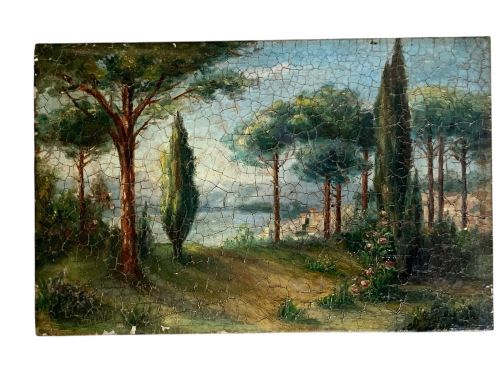
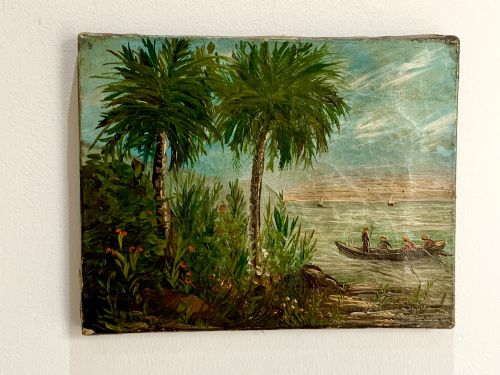
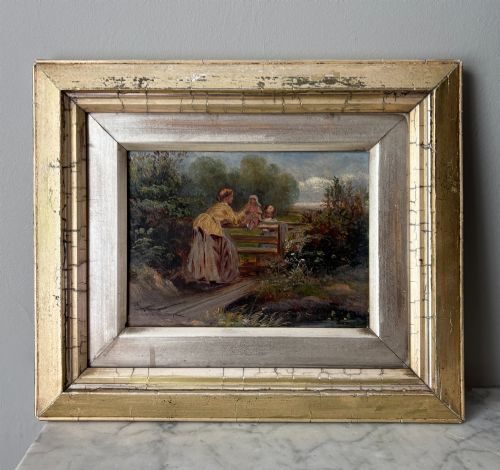
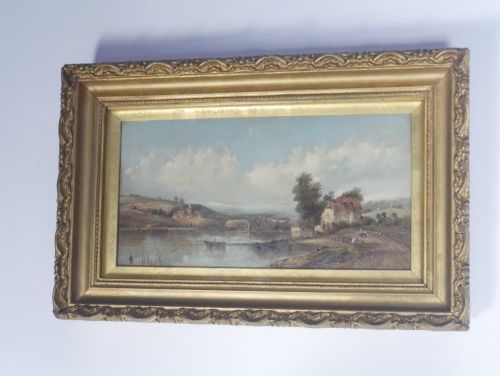
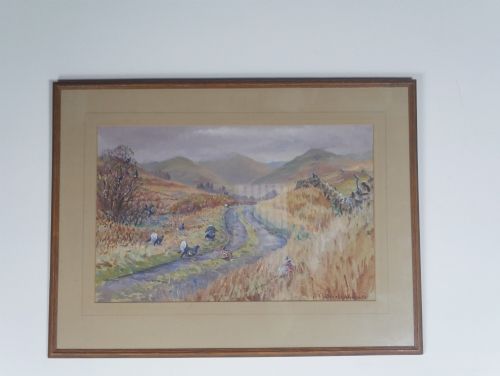
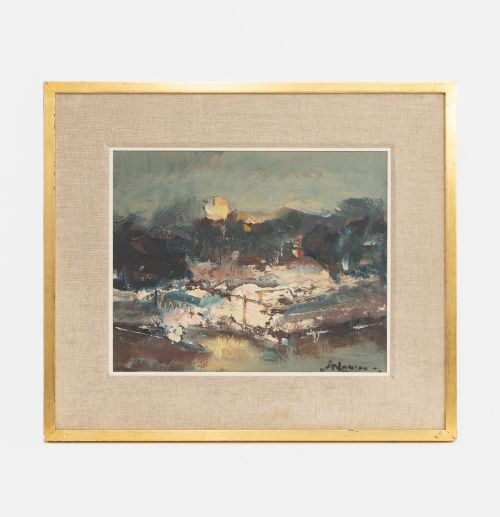
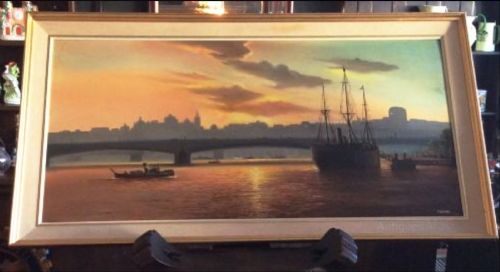
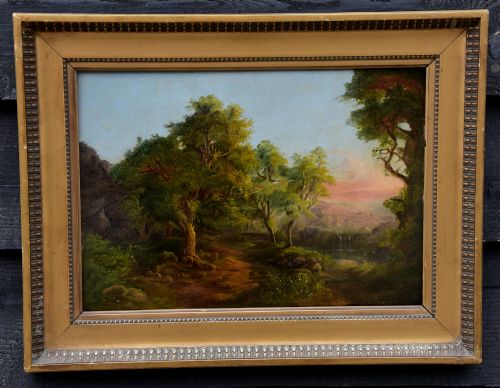
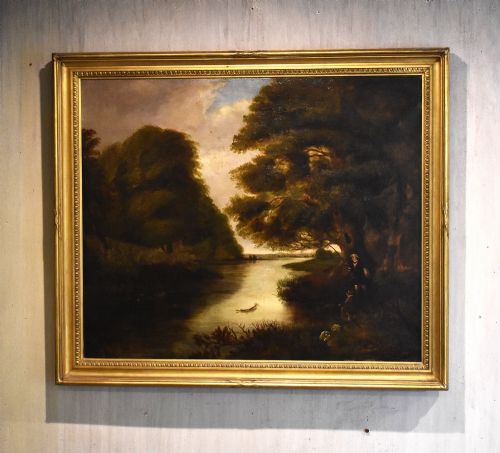
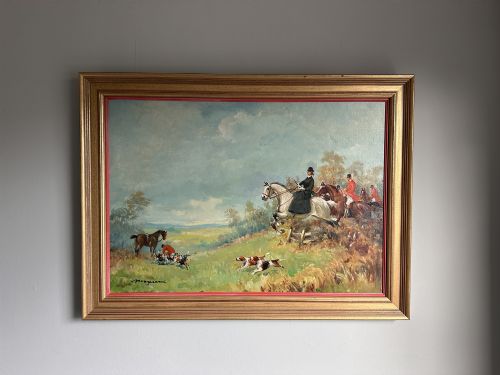
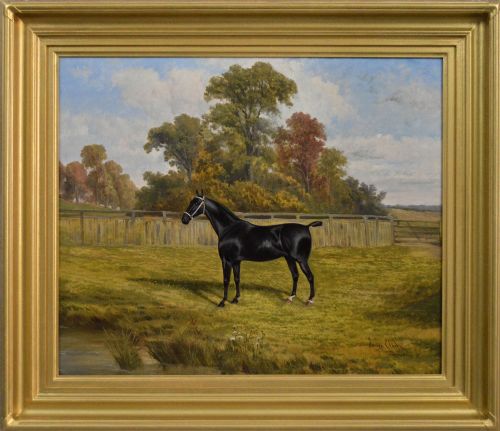
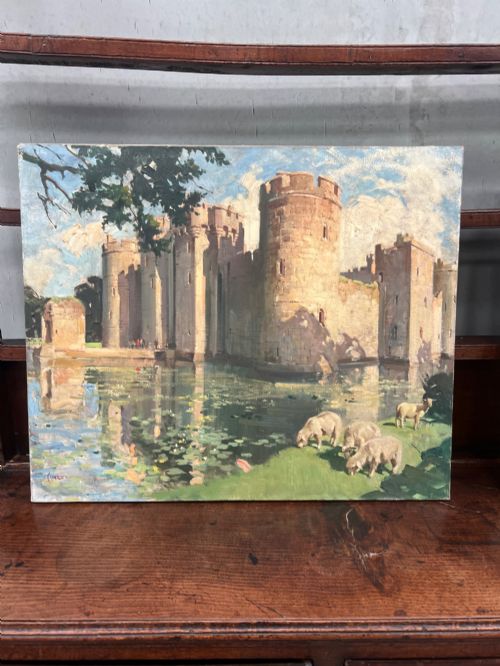
Antique Oil Landscape Artwork
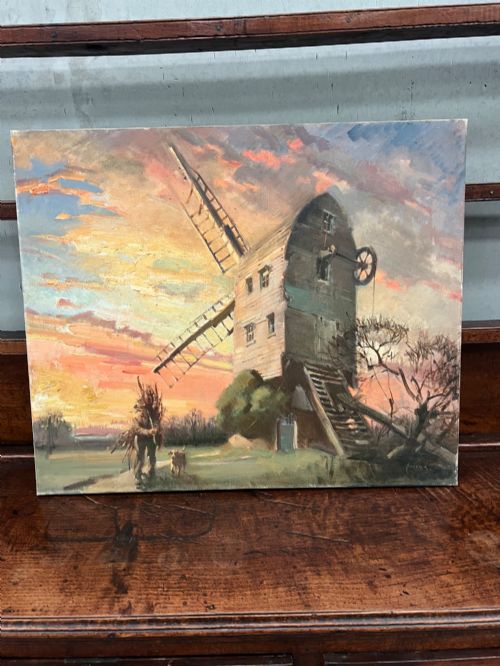
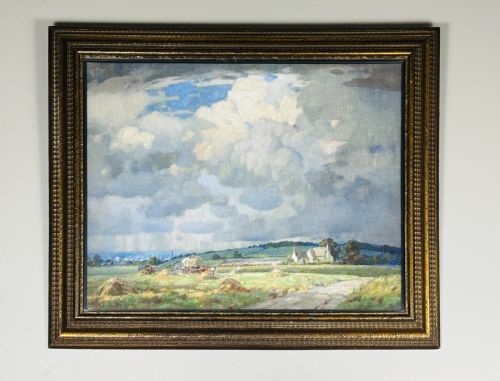
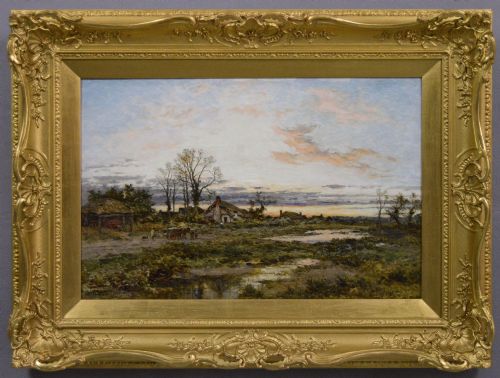
These antique oil landscape artwork selections capture pastoral scenes, coastal views and rural estates painted across centuries.
Antique Oil Landscape Artwork
When you search for antique oil landscape artwork, you encounter painted scenes on canvas, wood panels, and board depicting rural vistas, coastal shores, and woodland views. The most common examples stem from the nineteenth and early twentieth centuries, featuring British and European regional traditions.
The assortment spans intimate board panels to large canvas works framed in gilt wood. Painters recorded coastal stacks, rivers, mountains, and farmyard settings using oil paint applied to prepared surfaces.
How they were made
Artists applied oil paint to woven canvas supports or rigid wooden panels, sometimes utilising gesso grounds to prepare the base. Pigments mixed with oils allowed for smooth blending or textured impasto work across the surface.
Surviving works are often housed within original or period frames constructed from wood and finished with gesso and gilt. These frames protect the edges of the canvas and complement the painted composition.
Antique Oil Landscape Artwork Retail Price Guide 2026
Typical asking prices for oil landscape artwork among the pieces listed under this phrase on Sellingantiques today, from the lower quarter to the upper quarter. They describe what is for sale here now, not the wider market.
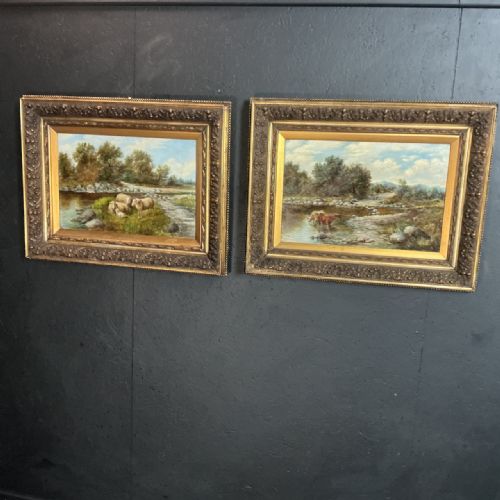
Several sheep and cattle populate these historic pastures, faithfully guarding their corners of the canvas across the centuries.
What varies in quality
The distinction between standard works and exceptional examples lies in the confidence of brushwork and the harmony of composition. Skilled artists captured natural light and atmospheric depth with precise pigment placement.
Condition and originality also separate pieces, particularly the preservation of the paint surface and the integrity of the wooden panel or canvas support. Works retaining their original gilt wood frames hold greater historical completeness.
Eugène Verboeckhoven·Richard Sebastian Bond·William Beattie-Brown·Tom Campbell·William Howard Hardy·Frederick Marriott·Arthur Wardle·Angelo Maria Crivelli·John Horace Hooper·Alfred Fontville de Breanski Jr·Kershaw Schofield·George Houston·Herbert Royle·Hubert Haider
The Antique Oil Landscape Artwork Glossary
- Canvas
- A heavy woven fabric stretched across a wooden frame to serve as a support for oil painting. It provides a flexible yet durable textured surface for the artist.
- Giltwood
- Wood that has been coated with a thin layer of gold leaf or gilt. This finish is frequently found on period frames surrounding traditional oil paintings.
- Impasto
- A technique where paint is laid onto a canvas in very thick layers that stand out from the surface. This method allows the texture of the brushstrokes to remain visible.
- Panel
- A flat piece of wood used as a rigid support for painting instead of stretched canvas. Wooden panels were favoured by many European schools across different centuries.
- School
- A group of artists associated with a particular region, period, or shared stylistic approach. Attributions to a specific school indicate regional training methods.
Antique Oil Landscape Artwork: Frequently Asked Questions
What periods do these paintings cover?
The available works span from the seventeenth century through to the mid-twentieth century. Nineteenth-century and early twentieth-century examples appear most frequently.
Earlier seventeenth-century and eighteenth-century pieces also feature in the selection, representing specific European schools.
What surfaces were used for these artworks?
Artists painted primarily on stretched canvas or wooden panels and boards. Canvas provides a woven texture, while wood panels offer a rigid support.
Both surfaces received preparatory grounds of gesso or primer before the oil paint was applied.
How should I care for an oil painting?
Keep paintings away from direct sunlight and fluctuating temperatures to protect the canvas and oil pigments. Avoid hanging them in damp rooms.
Dust the surface and frame gently with a soft, dry brush without applying liquid cleaners to the paint.
Are the frames original to the pieces?
Many works retain period frames made of wood with gesso and gilt finishes that match the era of the painting. Some pieces have later replacement frames.
Check the listing details to see if the frame is noted as original to the artwork.