
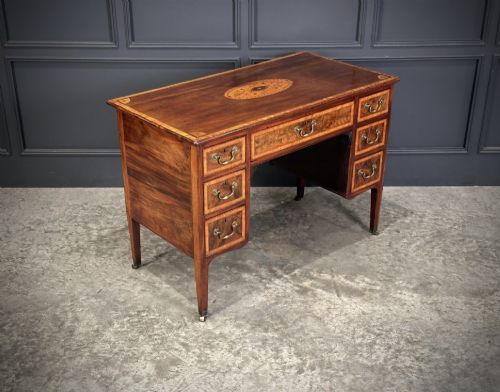
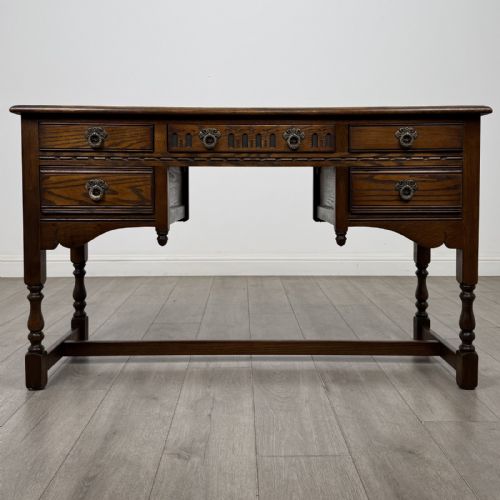
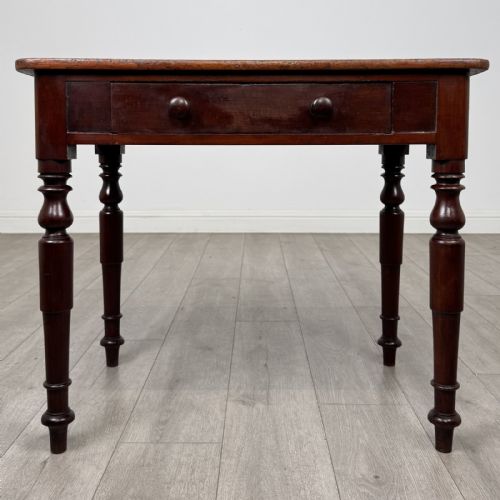
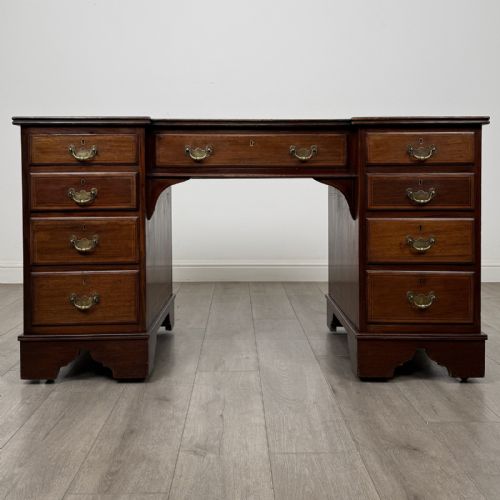
Antique Office Study Table
An antique office study table is a traditional workspace built for writing and paperwork, offering solid timber construction and period character.
Antique Office Study Table
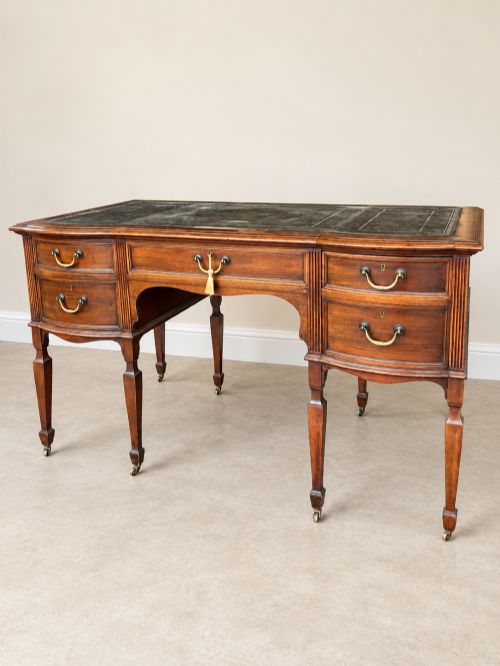
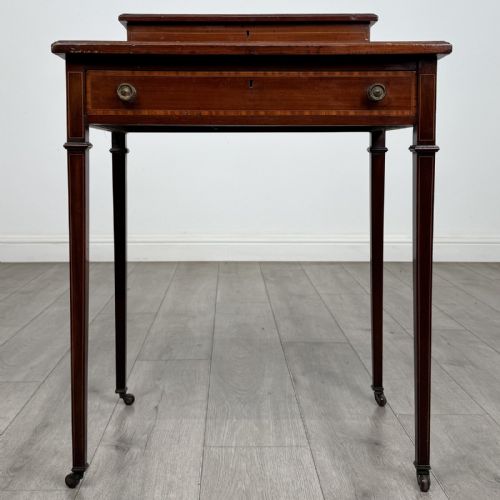
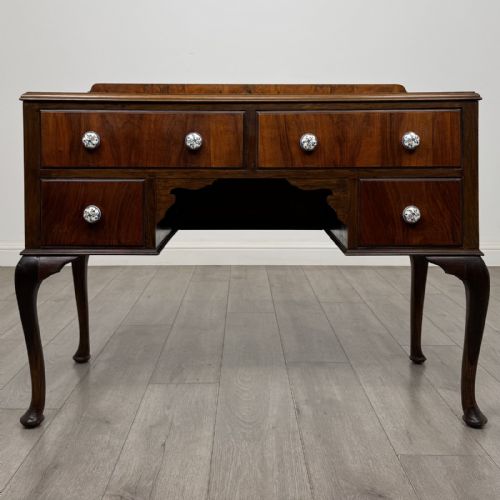
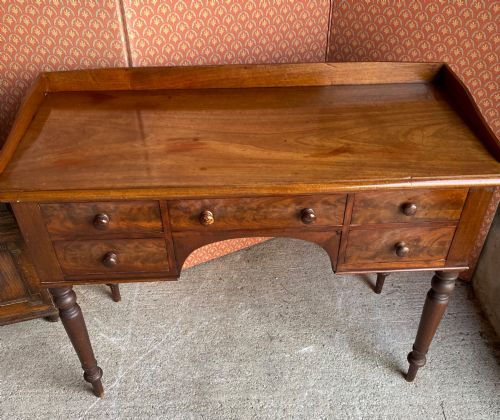
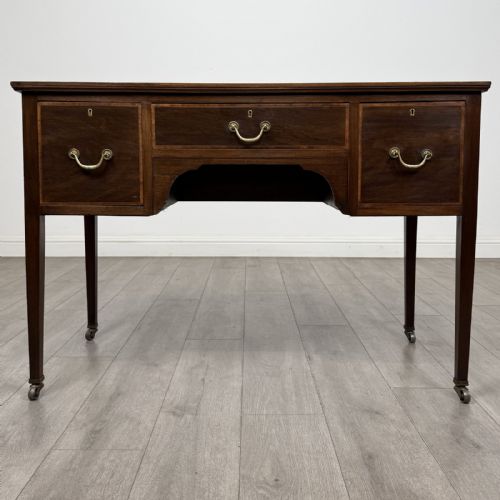
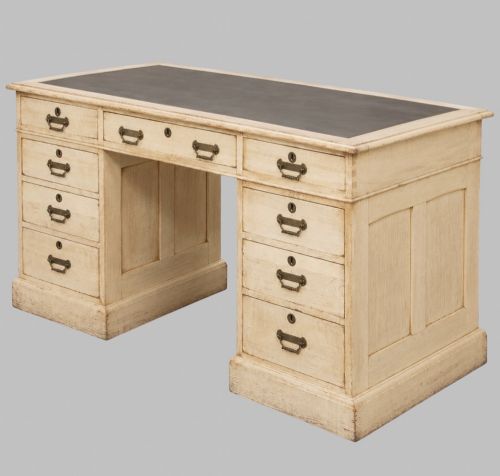
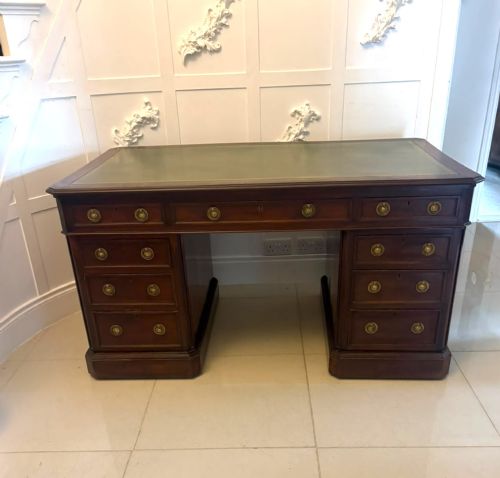
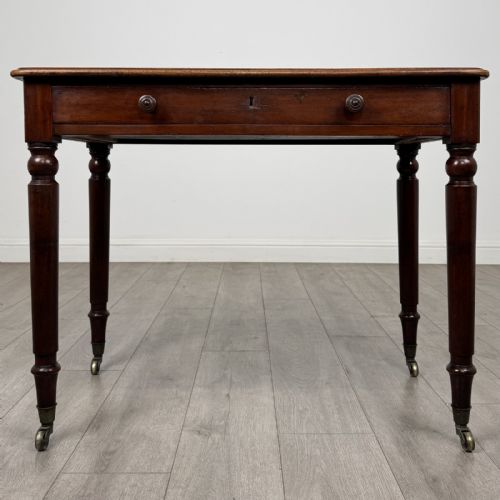
An antique office study table encompasses desks and writing tables built primarily during the Victorian and Edwardian eras, alongside pieces dating through the nineteenth century up to nineteen thirty. Buyers searching for an antique office study table encounter various formats, from pedestal desks and partners desks to simpler writing tables fitted with drawers.
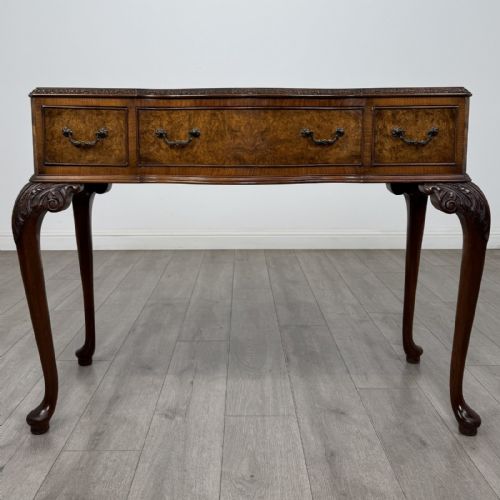
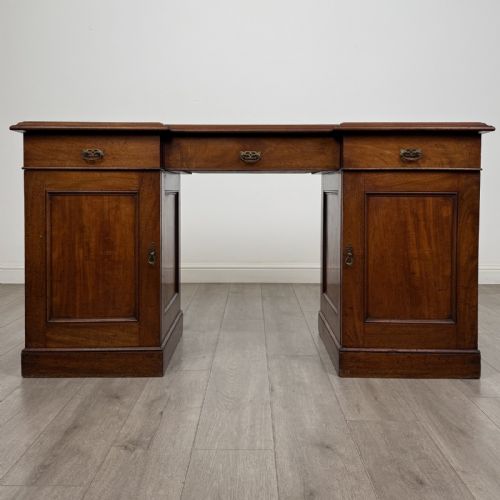
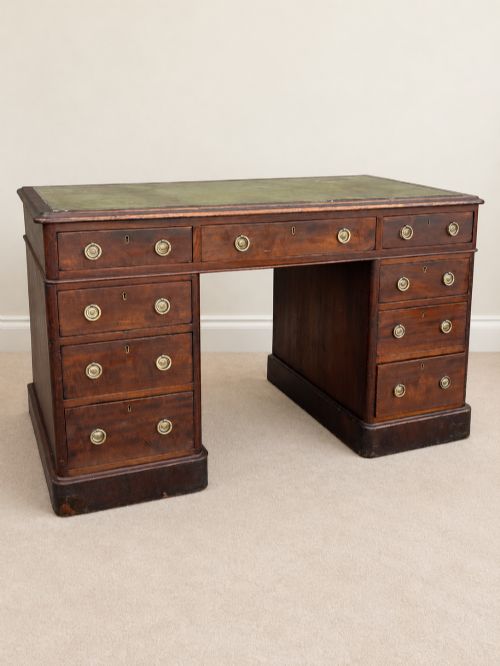
The most common examples on this page are pedestal desks and writing tables fashioned from mahogany, oak, and walnut. These furnishings range from compact single-pedestal formats to large double-pedestal configurations designed for professional offices and home studies.
How they were made
Cabinetmakers constructed these tables using dense hardwoods such as mahogany, oak, walnut, and birdseye maple, often selecting burr walnut and flame mahogany for decorative surfaces. Many writing surfaces incorporate inset tooled leather tops framed by timber borders.
Joinery techniques relied on sturdy internal framing, dovetailed drawer construction, and brass hardware. Certain examples feature inlaid details, carved linenfold panels, or tambour shutters.
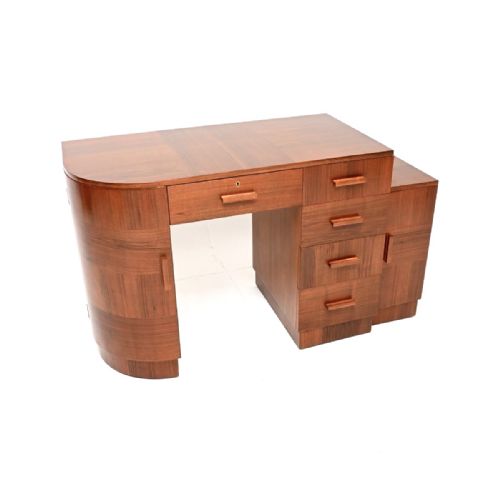
Listings feature pedestal desks, writing tables, and partners desks spanning the Victorian, Edwardian, and Art Deco periods in mahogany, oak, and walnut.
What varies in quality
Quality separates through the selection of timber veneers and the intricacy of the cabinetwork. Tables utilising figured timbers like burr walnut or birdseye maple sit at a higher tier than plain pine or standard utility pieces.
The presence of original hardware, finely tooled leather writing surfaces, and detailed carving or inlay distinguish superior examples. Substantial pedestal desks with multiple working drawers demand greater workshop skill than simple four-legged writing tables.
Trollope and Sons·Edwards and Roberts·Maple and Co·James Mein of Kelso
The Antique Office Study Table Glossary
- Pedestal desk
- A heavy desk featuring two supporting pedestals of drawers beneath the main writing surface. These units often split into three sections for easier transport.
- Partners desk
- A large double-sided desk designed for two people to work opposite one another, featuring drawers and cupboards on both faces.
- Tambour
- A sliding door or shutter constructed from narrow vertical strips of wood glued to a canvas backing. This mechanism conceals the pigeonholes and writing surface on roll top desks.
- Linenfold
- A style of wood carving that imitates folded linen or parchment, frequently seen on panels of Arts and Crafts and oak furniture.
- Kneehole
- The central recessed space beneath a desk where the user sits. Kneehole desks often include a single shallow drawer directly above this opening.
Antique Office Study Table: Frequently Asked Questions
What is a partners desk?
A partners desk is a large, double-sided workspace built so two people can sit opposite each other.
These pieces feature matching drawers and cupboards on both sides, making them suitable to stand freestanding in the middle of a room.
How do I identify a Victorian desk?
Victorian desks are typically built from heavy mahogany, walnut, or oak, often displaying deep colour and prominent grain.
They frequently feature pedestal configurations, brass drawer pulls, and hand-tooled leather writing surfaces characteristic of nineteenth-century cabinetmaking.
Are leather desk tops original?
Many desks retain their original leather inserts, which often show signs of age, rubbing, and gold tooling.
Replacement leather tops are common because writing surfaces endure heavy daily use over decades.
How do I care for an antique wood desk?
Maintain the timber by keeping the desk away from direct heat sources and sudden temperature changes.
Apply occasional quality wax polish and avoid placing damp items directly onto the polished wood or leather surface.