

Antique Office Storage
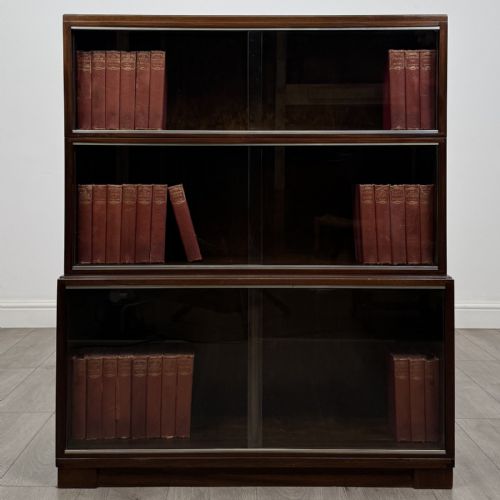
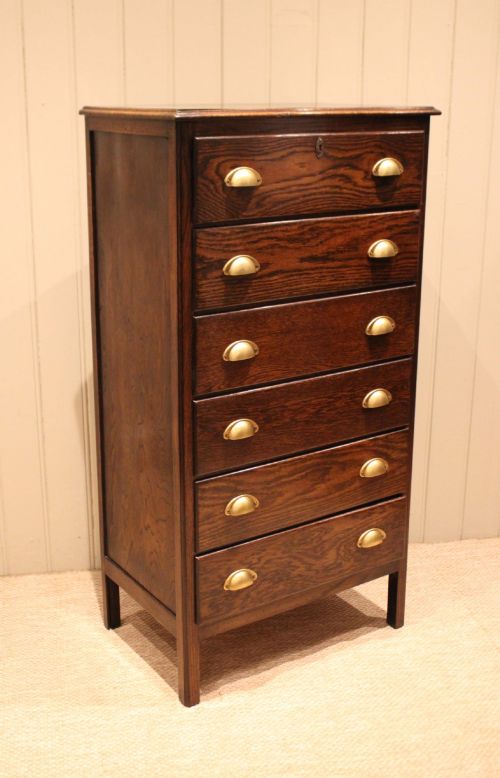
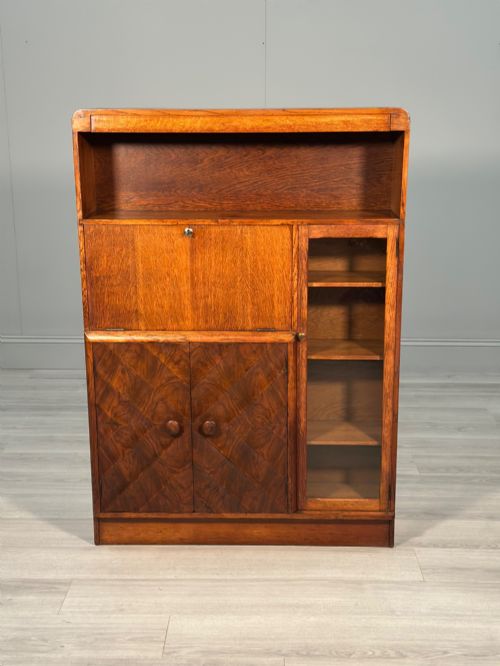
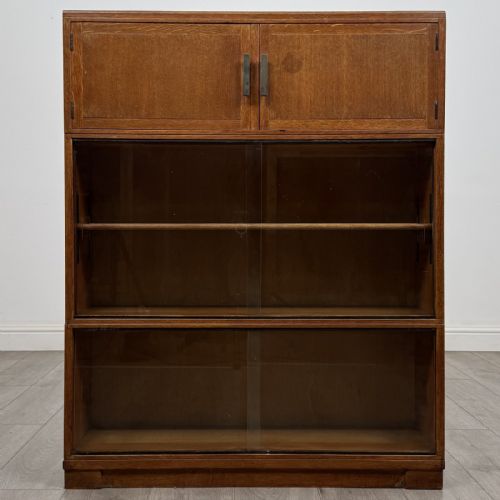
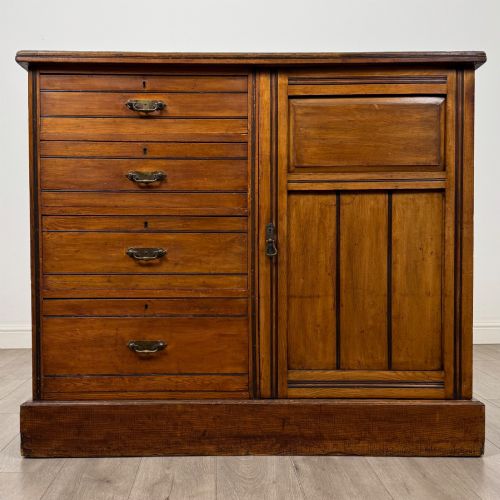
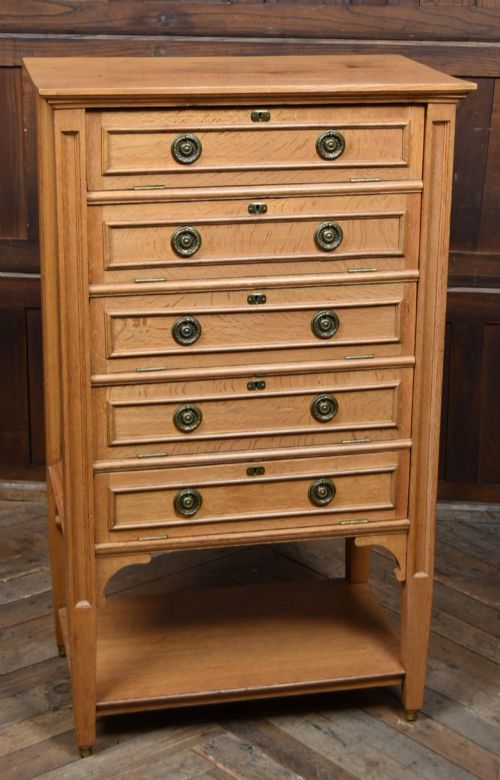
Antique office storage brings together practical Edwardian and Victorian filing cabinets, tambour front office cabinets, and banks of small drawers designed to keep workspace documents in order.

Antique Office Storage
Antique office storage encompasses utilitarian filing cabinets, tambour front office cabinets, and banks of small drawers designed for workspace organisation. These pieces emerge from the Victorian, Edwardian, and early twentieth century periods, reflecting the clerical needs of their eras.
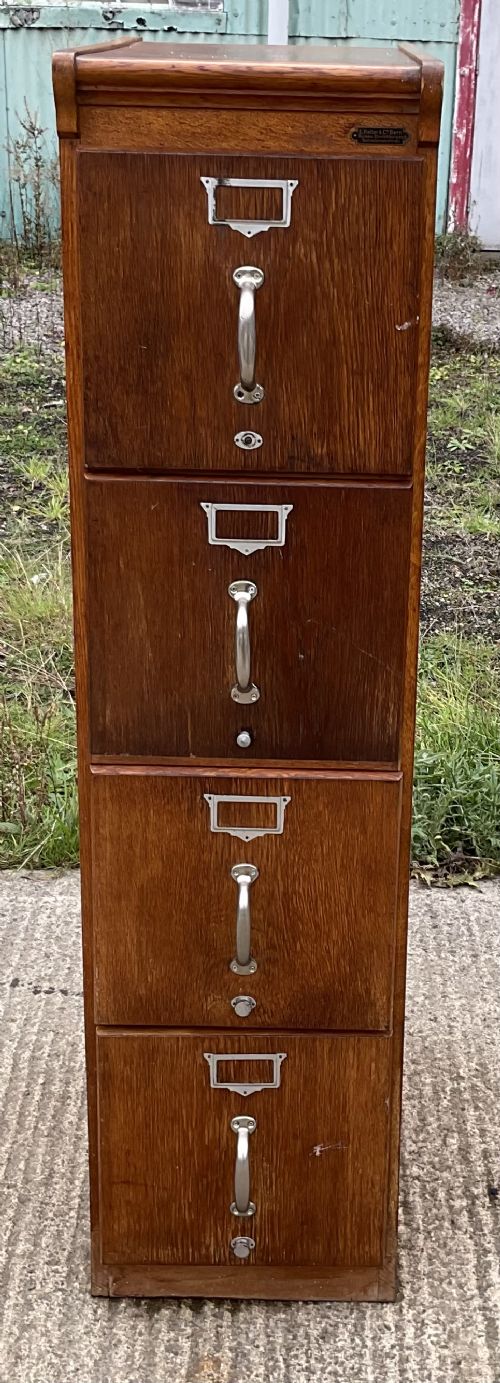
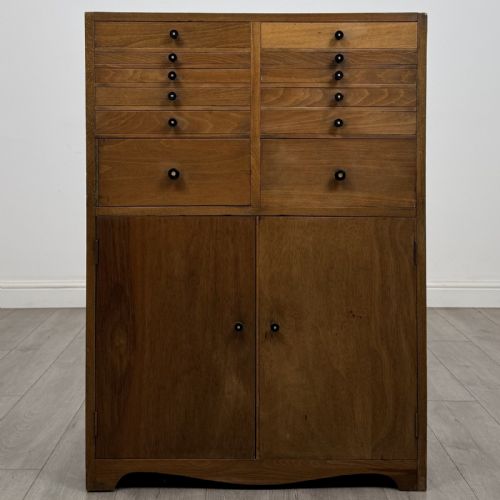
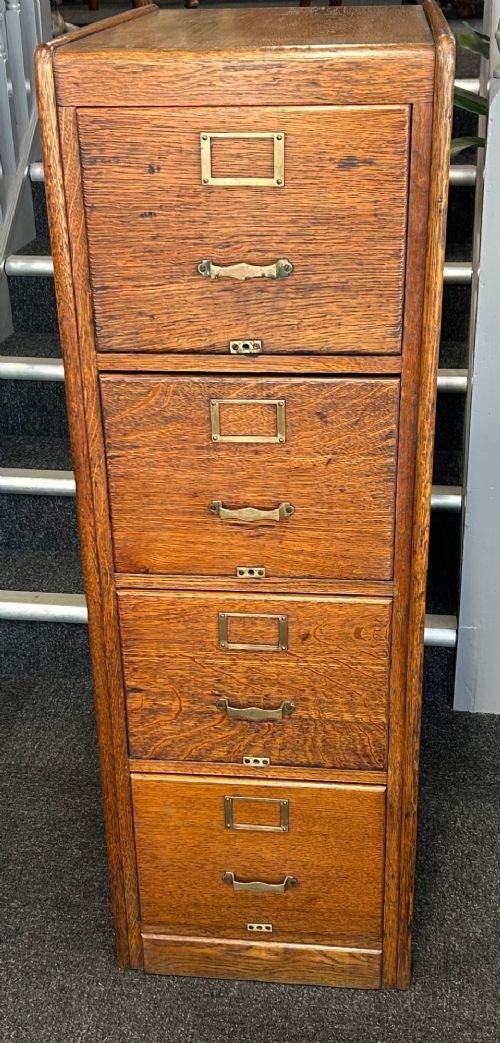
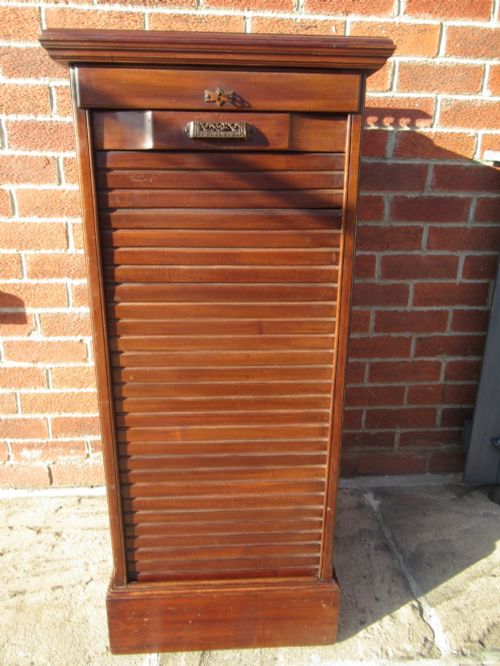
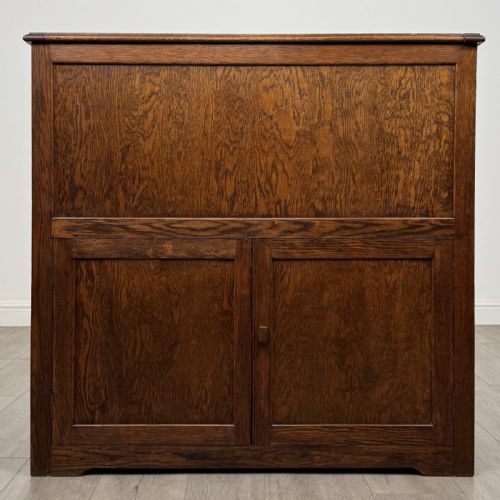
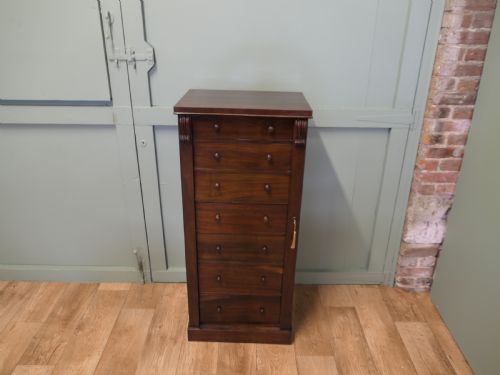
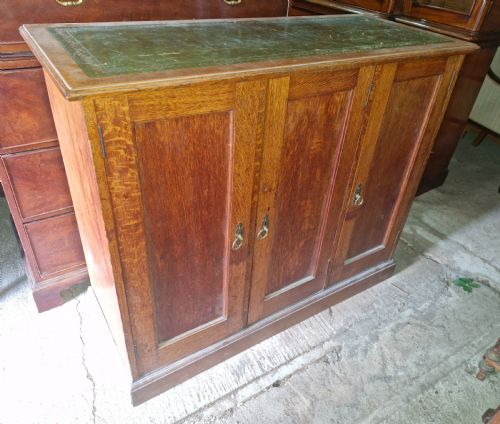
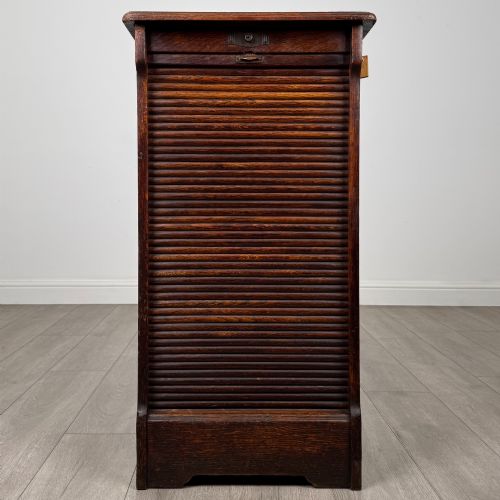
The most common forms on this page are oak filing cabinets, including tambour front varieties from the Edwardian period. Buyers also encounter Victorian mahogany military filing cabinets and satin walnut fronted banks of small drawers.
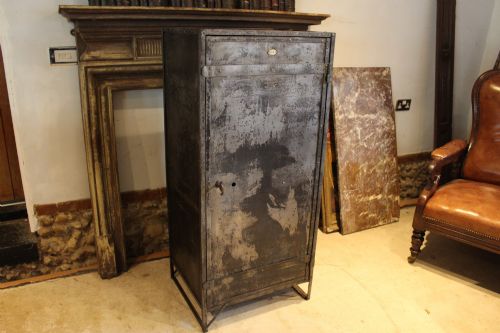
Beyond standard filing cabinets, the broader category includes steel deed boxes and flame mahogany officers chests. Each piece serves the fundamental purpose of secure, compartmentalised document storage.
Materials and construction
Cabinet makers utilised robust timbers such as oak, mahogany, and satin walnut to build durable office furniture. Steel appears in deed boxes, offering an alternative to traditional wooden construction.
Tambour fronts employ narrow wooden slats glued to canvas backing, allowing the door to slide smoothly around a curved track. Brass handles, label holders, and locking mechanisms provide both function and decorative contrast to the timber.
Antique Office Storage Retail Price Guide 2026
Typical asking prices for office storage among the pieces listed under this phrase on Sellingantiques today, from the lower quarter to the upper quarter. They describe what is for sale here now, not the wider market.
Listings feature oak, mahogany, satin walnut, brass, and steel across Victorian and Edwardian periods.
Judging quality and character
Quality rests in the selection of timber and the precision of mechanical elements like tambour tracks and drawer runners. Superior examples display thoughtful grain matching across drawer fronts and doors.
The integrity of original hardware, including brass pulls and working locks with keys, separates standard utility pieces from finer workspace furnishings.
The Antique Office Storage Glossary
- Tambour front
- A flexible door composed of narrow wooden strips attached to a fabric backing that slides in a track. This mechanism conceals the interior shelving or drawers while saving exterior space.
- Bank of small drawers
- A chest containing numerous shallow compartments designed for sorting papers, stationery, or small items. These units often feature timber fronts such as satin walnut or oak.
- Military filing cabinet
- A robust storage piece constructed for transport, typically featuring recessed brass handles and reinforced corners. These units reflect the portable administrative needs of the Victorian era.
- Deed box
- A secure metal container with a fall front or hinged lid used for storing legal documents and keepsakes. Steel examples provide durable protection against fire and moisture.
Antique Office Storage: Frequently Asked Questions
How do I date an office cabinet?
Dating relies on timber choices, hardware styles, and construction methods characteristic of Victorian, Edwardian, or early twentieth century production. Edwardian pieces often favour oak with simple linear detailing, whereas Victorian items frequently employ richer mahogany.
Examining the drawer linings, backboards, and locking mechanisms also helps determine the period of manufacture. Patent stamps or maker marks, when present, provide more precise chronological anchors.
Are tambour doors difficult to repair?
Tambour doors require precise alignment and smooth tracks, meaning damaged slats or perished canvas backing demand specialist attention. Keeping the wooden tracks clean helps maintain the sliding action over time.
When inspecting a tambour cabinet, ensure the slats glide freely around the curve without binding. Proper humidity control in the room prevents the wood from warping and interfering with the mechanism.
Can I use antique storage for modern files?
Many antique office cabinets accommodate modern paperwork, though internal drawer dimensions vary across nineteenth and early twentieth century designs. Measuring the drawer depth and width ensures contemporary folders fit comfortably.
Some smaller filing cabinets and banks of drawers suit stationery, art supplies, or media storage rather than standard suspension files. Adapting these pieces requires checking internal clearances before purchase.