
Antique Office Cabinet
These antique office cabinet examples span functional filing furniture and executive storage, offering period craftsmanship built for the Victorian and Georgian workspace.
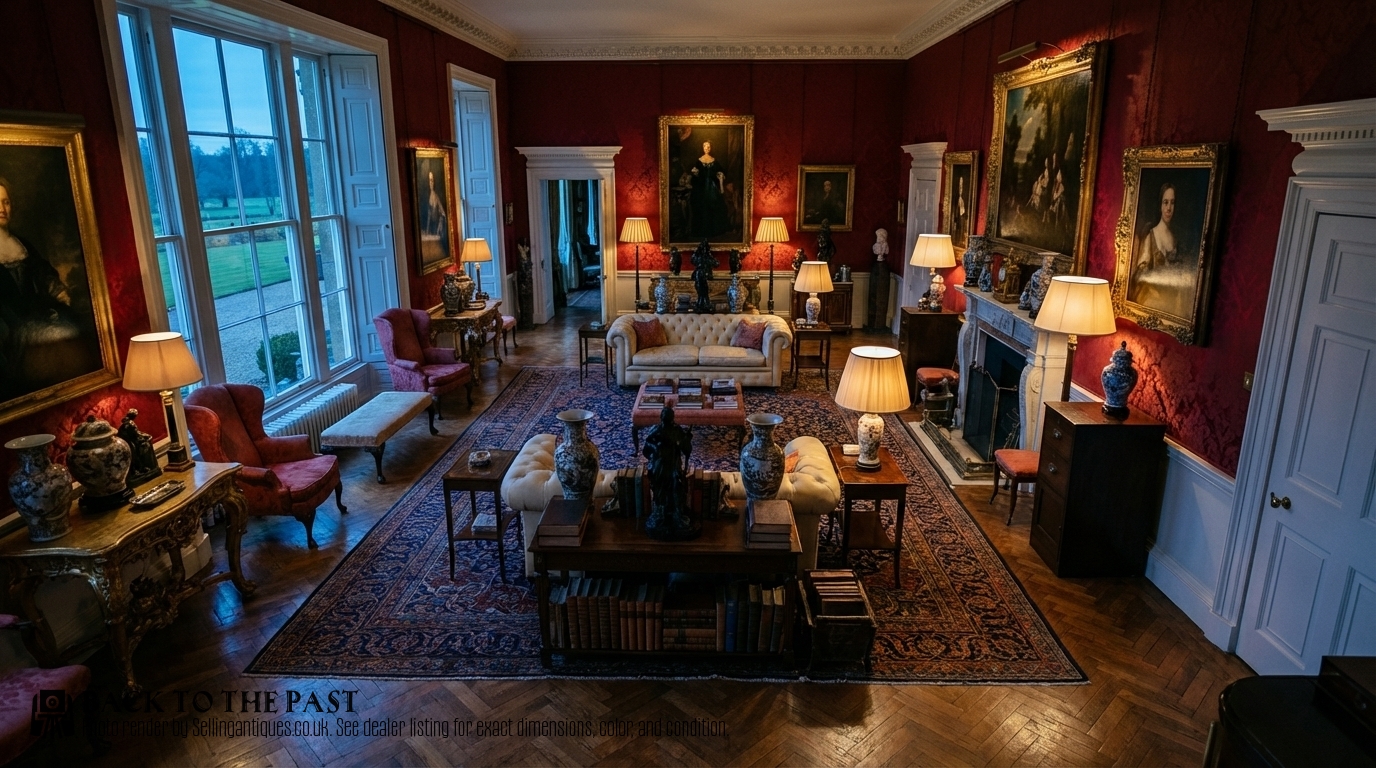
Identifying an antique office cabinet
When you search for an antique office cabinet, you encounter sturdy storage pieces designed for administrative tasks in Victorian, Georgian, and early twentieth-century settings. The forms range from specialised filing cabinets and heavy banker's drawers to bureau bookcases and estate cabinets.
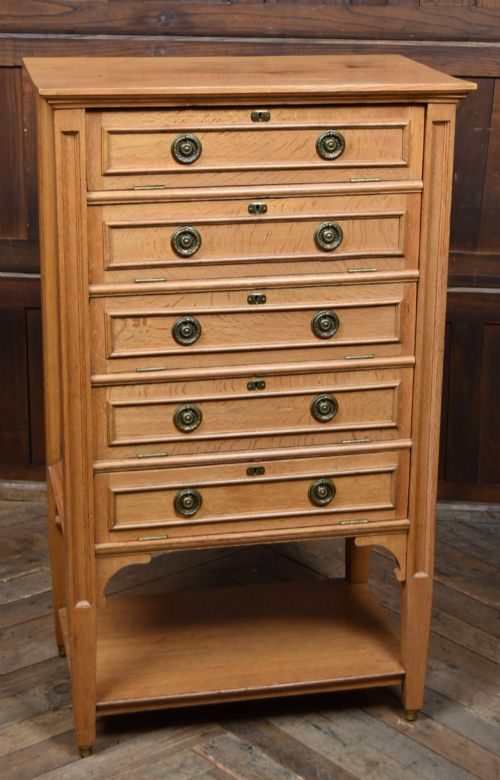
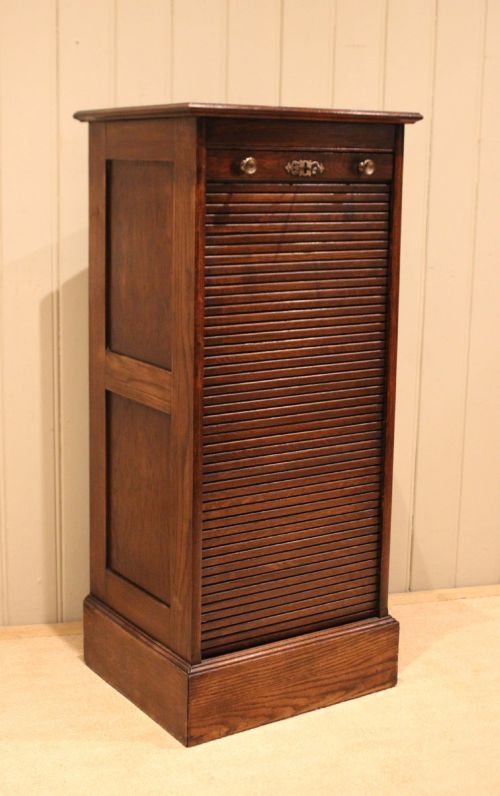
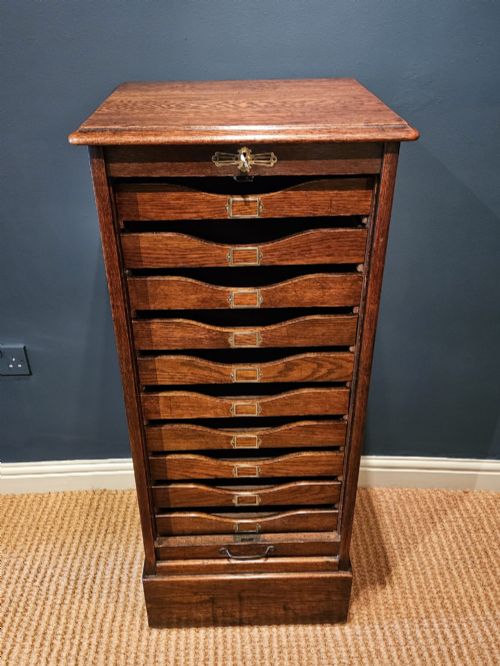
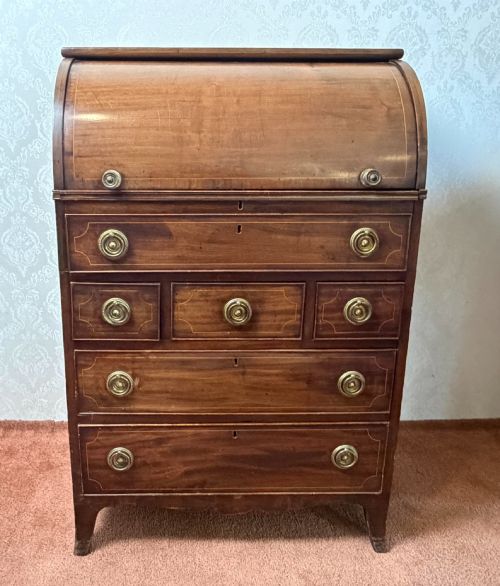
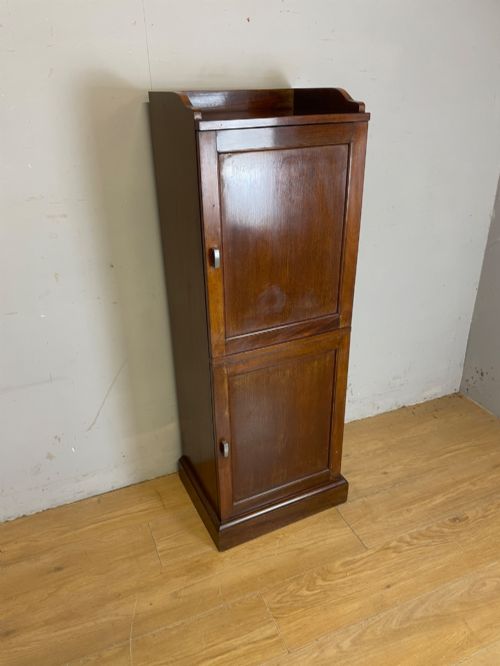
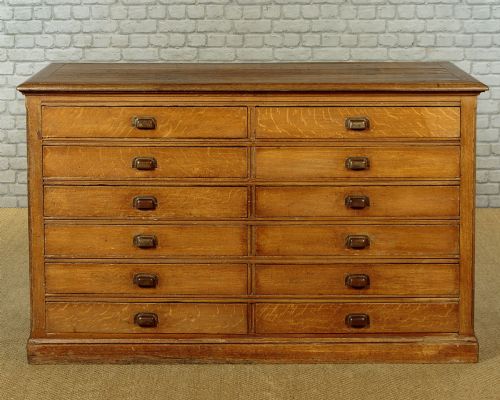
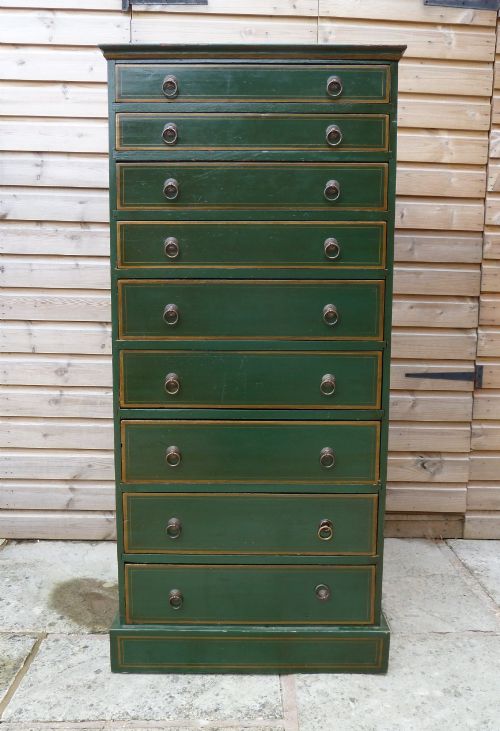
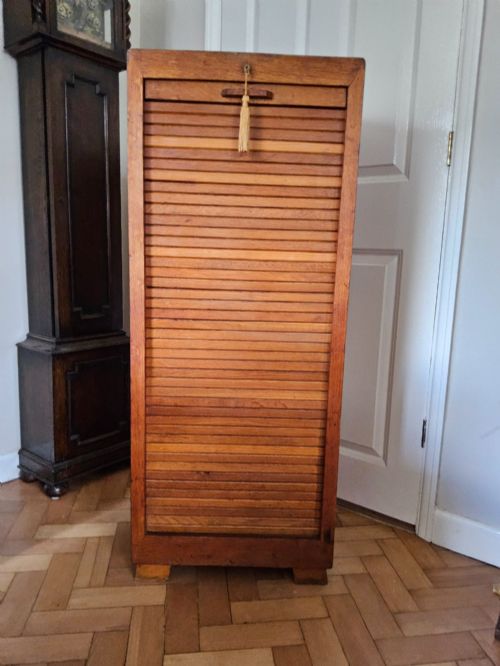
You are most likely to meet nineteenth-century pedestal filing cabinets and tambour front designs on this page. These functional pieces reflect the clerical demands of past eras through compartmented interiors and secure locking mechanisms.
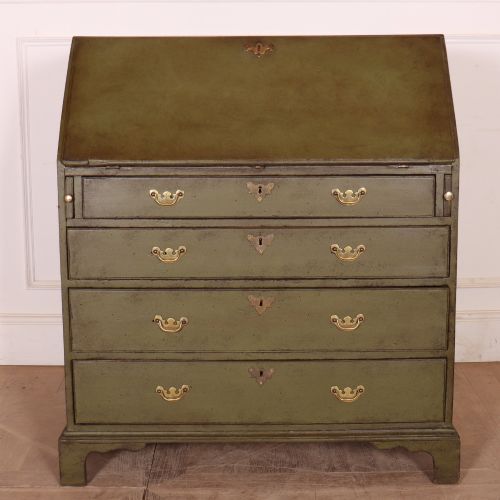
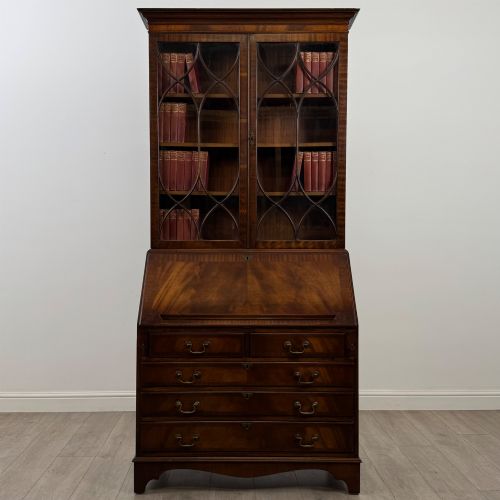
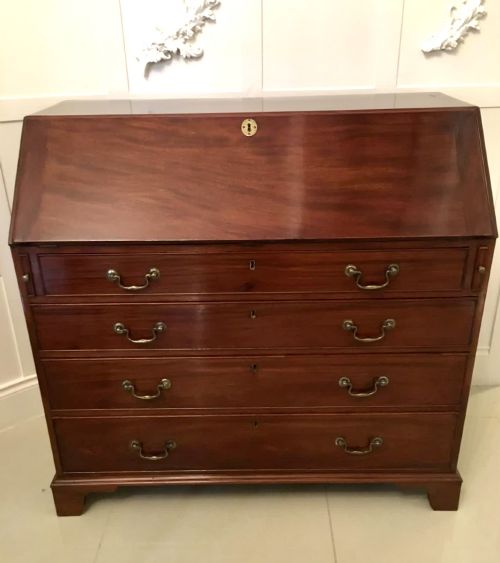
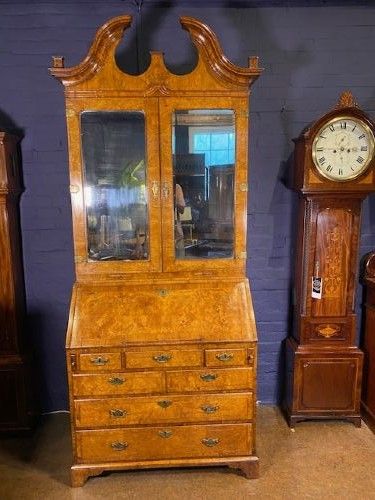
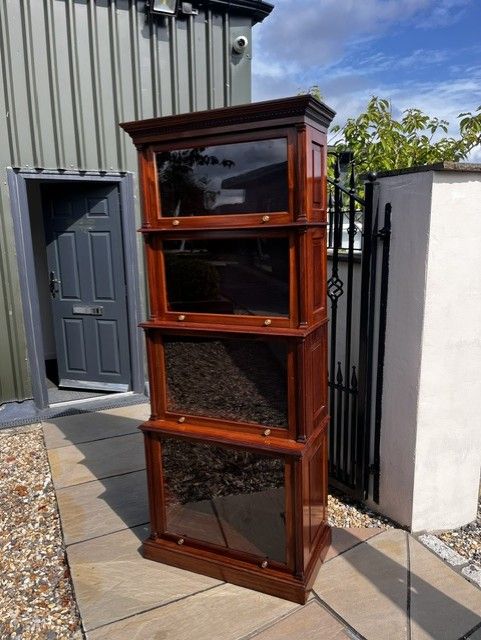
The selection includes Georgian bureau bookcases alongside Victorian and Edwardian examples. Each piece demonstrates the specific storage needs of historical offices, from document sorting to secure ledger housing.
Materials and construction
Cabinet makers utilised dense hardwoods such as mahogany, rosewood, oak, and walnut to construct durable administrative furniture. These timbers provided the structural integrity required for heavy daily use in busy offices.
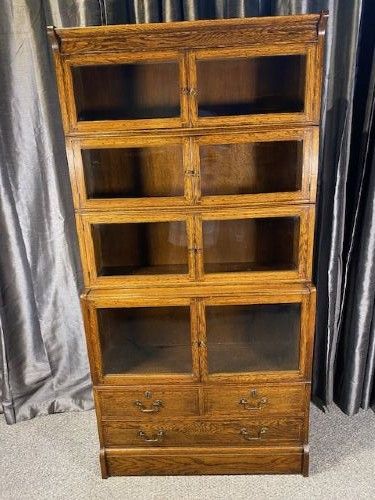
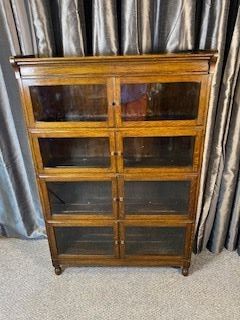
Secondary elements incorporate brass hardware, iron fittings, and glass panels. Tambour fronts feature narrow wooden slats running in tracks, allowing flexible closure over document compartments.
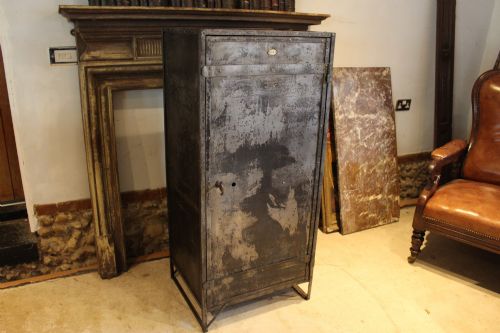
Construction techniques prioritized heavy-duty load-bearing frames, visible in multi-drawer pedestal arrangements and reinforced safe cupboards. Joinery methods ensured that housing heavy ledgers and files would not distort the primary carcase.
Retail Price Guide 2026
Typical UK retail prices for office cabinet, calculated from the Sellingantiques database of over a million retail prices indexed since 2003. This retail price guide relies exclusively on Sellingantiques data; no external sources or auction records are used, so the figures do not describe the wider market.
One exceptional piece listed here doubled as a reception desk greeter alongside its primary role as a Victorian pedestal filing cabinet.
Assessing quality and execution
The distinction between standard utility storage and superior execution lies in the selection of figured timber veneers and the precision of internal drawer construction. Finer examples display carefully matched grain across multiple drawers and doors.
Hardware integration separates basic office utility from high-status administrative furniture. Original brass handles, functional locks with matching keys, and smooth-running tambour mechanisms indicate superior workshop standards.
Proportion and decorative restraint dictate the aesthetic tier of each piece. Better workshops balanced functional capacity with refined architectural mouldings and panel details appropriate for executive rooms.
The Antique Office Cabinet Glossary
- Tambour front
- A flexible door constructed from narrow strips of wood glued to a canvas backing, sliding in a track to conceal interior shelving or files.
- Pedestal
- A structural base supporting a desk or cabinet, frequently containing banks of vertical drawers on one or both sides.
- Bureau bookcase
- A combination furniture piece featuring a sloping writing flap above shelving enclosed by doors.
- Secretaire
- A writing cabinet or desk containing a pull-down front that reveals a fitted interior with small drawers and pigeonholes.
- Banker's drawers
- A heavy configuration of multiple small compartments designed for sorting currency, documents, or ledgers.
Frequently Asked Questions
What materials were used?
Makers utilised solid hardwoods and veneers including mahogany, rosewood, oak, and walnut for the primary carcases and drawer fronts. These were supplemented by functional brass hardware, iron reinforcement, and glass.
Secondary woods line the interiors of drawers, while specialised mechanisms incorporate fabric tracks for tambour doors and heavy iron for safe compartments.
How do I date these pieces?
Dating relies on stylistic markers associated with Georgian, Victorian, and Edwardian periods alongside construction methods like dovetailing and wood selection. Georgian items often display restrained classical lines, while Victorian and Edwardian pieces frequently feature heavier pedestal arrangements or tambour fronts.
Archive records and contemporary listings demonstrate a timeline stretching from the eighteenth-century Georgian era through the nineteenth-century Victorian period into the early twentieth century.
Were these for home or business?
These items served professional environments, including headmasters' offices, post offices, banking halls, and private estate management rooms. They were built for intensive clerical work and document storage rather than domestic display.
Over time, many of these administrative pieces transitioned into domestic settings to serve as study storage or statement furniture in modern homes.
How do I care for the wood?
Maintain timber surfaces by avoiding direct sunlight and excessive temperature fluctuations that cause wood to dry and split. Regular dusting with a soft cloth preserves the polish on mahogany, oak, and rosewood.
Period hardware and brass fittings benefit from gentle cleaning without abrasive polishes to retain their historic appearance and patina.