
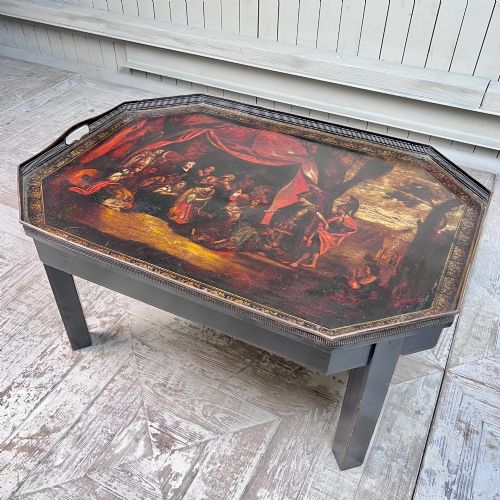
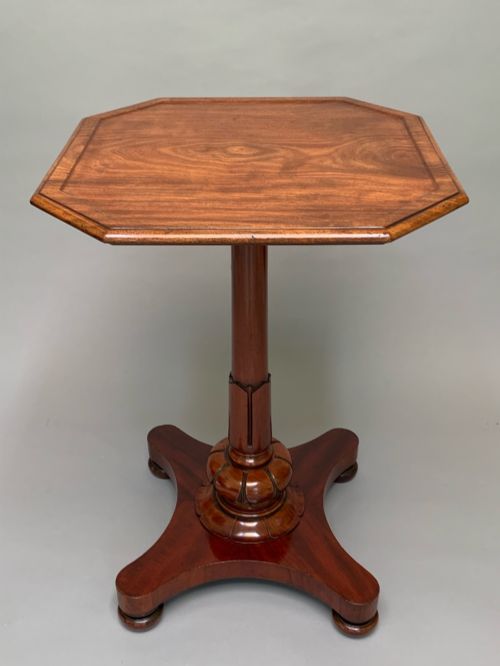
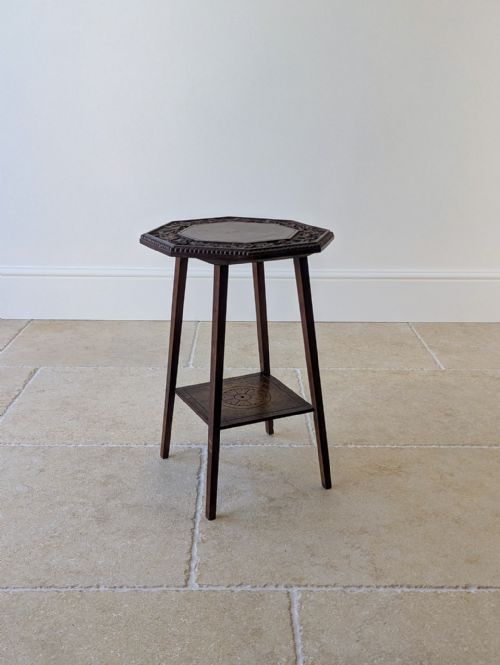
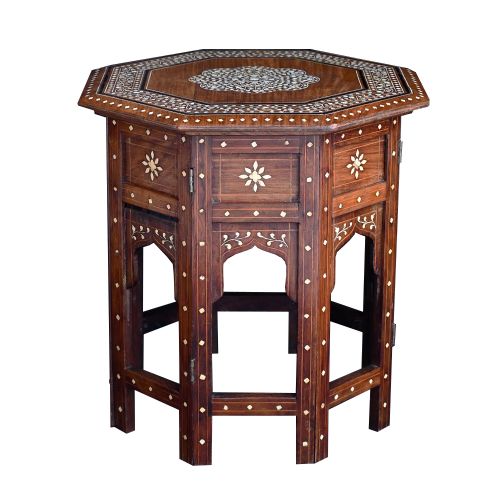

Antique Octagonal Tea Table
An antique octagonal tea table brings distinct eight-sided geometry and social history into a room, offering a versatile surface for daily use.
Identifying your antique octagonal tea table
An antique octagonal tea table combines multi-sided geometry with a surface historically designed for serving tea or displaying prized objects. These pieces function equally well as occasional tables, side tables, or lamp tables in varied domestic settings.
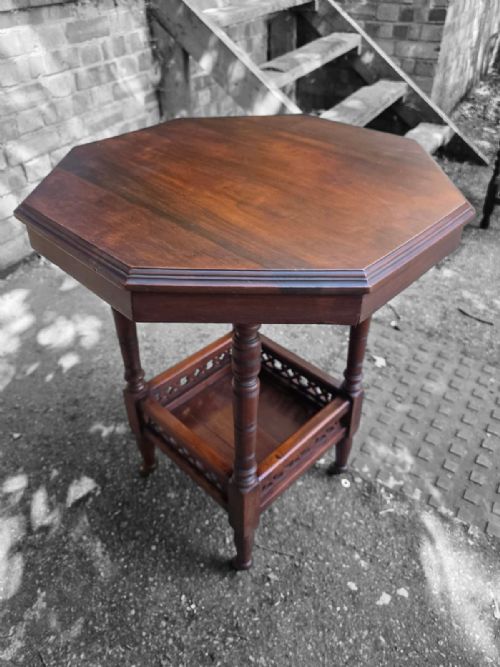
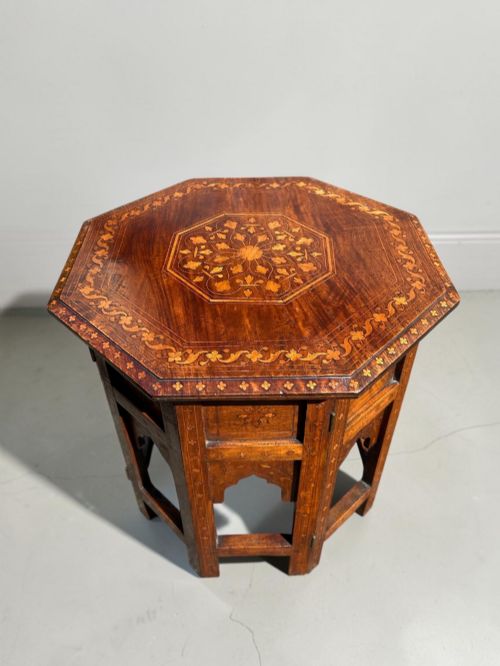
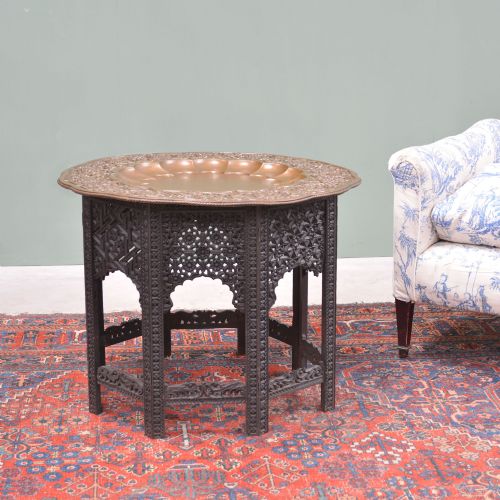
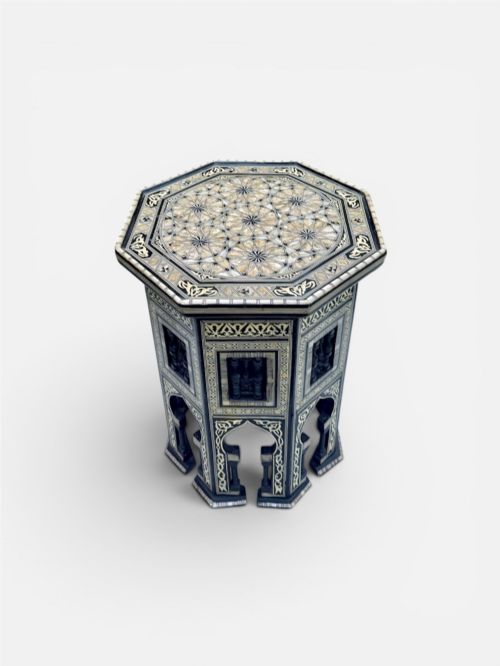
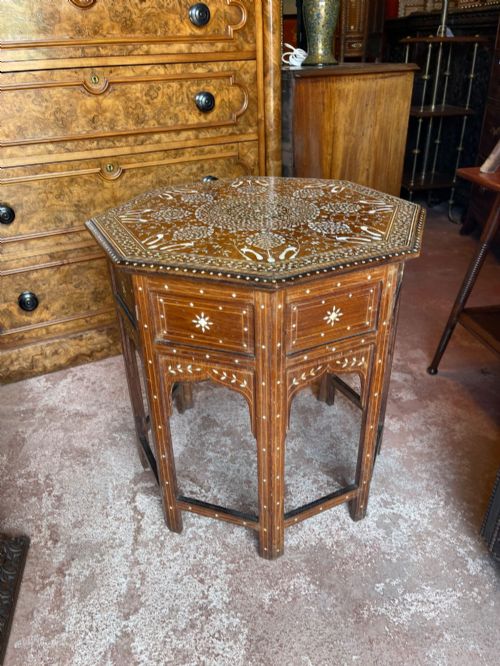
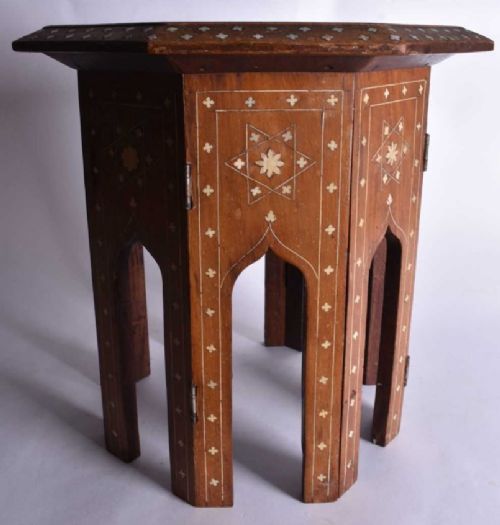
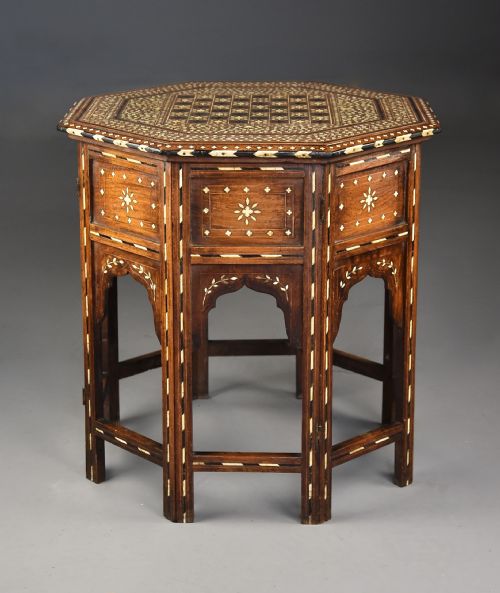
You will encounter pieces spanning the Georgian, Regency, and Victorian periods, alongside specific regional interpretations. Styles range from early Victorian centre tables to Moorish Revival and Anglo-Indian variations.
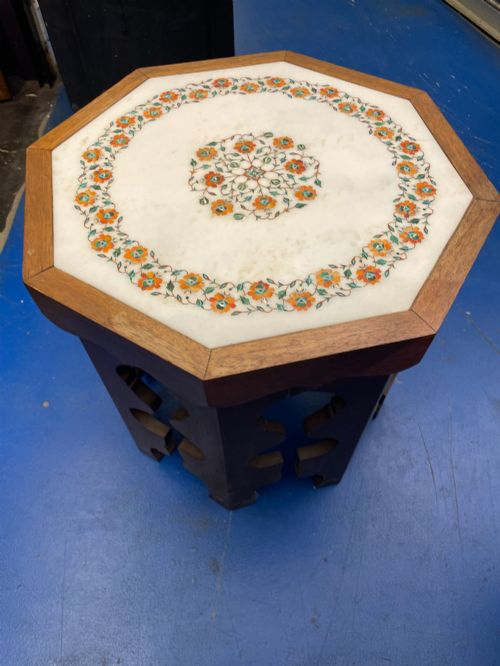
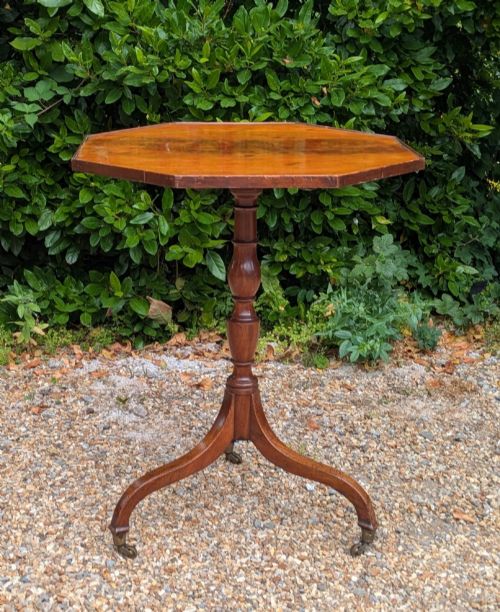
The materials span traditional British timbers like mahogany, oak, and sycamore alongside exotic woods, marble inserts, and intricate surface decoration. Forms include folding campaign designs, tilt-top mechanisms, and sturdy tripod pedestals.
Materials and construction methods
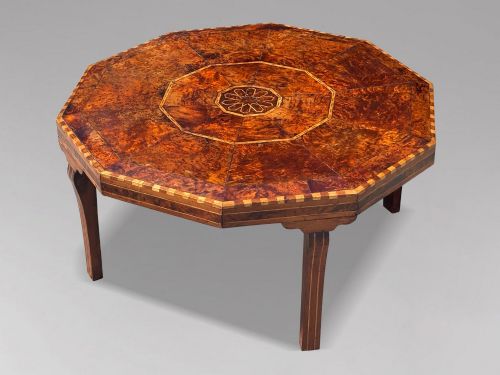
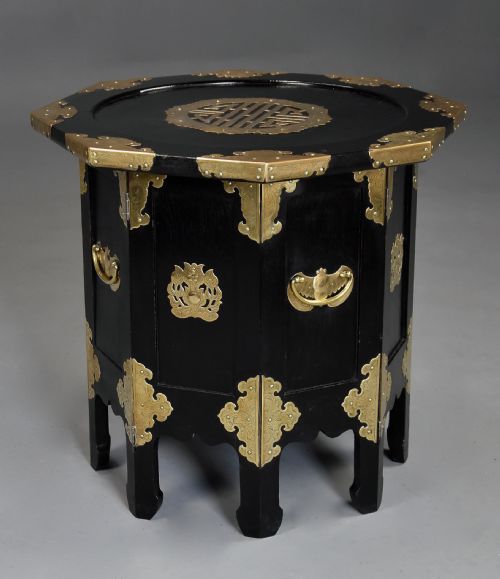
Cabinetmakers utilised solid timbers and dependable veneers, employing mahogany, oak, and teak for structural integrity. Ebonised wood, boxwood, and sycamore appear alongside specialised surface decoration such as ink work and fine inlay.
Construction techniques adapted to the intended function, seen in the pivoting mechanism of tilt-top examples and the hinged joints of folding campaign pieces. Heavy marble inserts required robust internal framing to support the stone safely within the wooden top.
Retail Price Guide 2026
Typical UK retail prices for octagonal tea table, calculated from the Sellingantiques database of over a million retail prices indexed since 2003. This retail price guide relies exclusively on Sellingantiques data; no external sources or auction records are used, so the figures do not describe the wider market.
One early nineteenth-century specimen arrives complete with ink work, proving someone once balanced ink and quills on a tea table.
Distinguishing quality across the range
The refinement of the timber selection and the precision of the eight-sided geometry dictate the standing of a piece. Finer examples display meticulous grain matching, crisp joinery, and well-executed inlay work rather than purely utilitarian construction.
Stylistic ambition separates standard items from exceptional ones, particularly where makers incorporated complex turning, specialist surface decoration, or heavy materials like marble and contrasting boxwood stringing.
The Antique Octagonal Tea Table Glossary
- Tilt-top
- A table top hinged to fold flat against the pedestal when not in use, saving floor space in smaller rooms. This mechanism requires careful adjustment to ensure the surface locks securely in the horizontal position.
- Campaign tea table
- A portable folding table designed for travel and military use abroad. These pieces utilise collapsible bases and sturdy hinges for rapid packing.
- Centre table
- A freestanding piece finished on all sides so it can occupy the middle of a room rather than sitting against a wall. Victorian examples often incorporated heavy marble or elaborate inlay.
- Tripod table
- A table supported by a central pillar resting on three spreading feet. This design provides steady footing on uneven historic flooring.
Frequently Asked Questions
What is an antique octagonal tea table used for?
These pieces served historically for the formal ritual of pouring and serving tea in the home.
Today, buyers use them as versatile side tables, lamp tables, or display surfaces in sitting rooms and hallways.
How do I date an antique octagonal tea table?
Dating relies on examining the timber species, construction techniques, and stylistic markers such as Regency supports or Victorian inlay.
Comparing the secondary woods and hardware against known period examples helps narrow down the decade of manufacture.
Are these tables sturdy enough for daily use?
Most surviving examples were built from durable hardwoods like mahogany, oak, and teak to withstand regular domestic demands.
Tripod bases and folding mechanisms provide stable support, though heavier tops with marble inserts require careful placement to prevent tipping.