

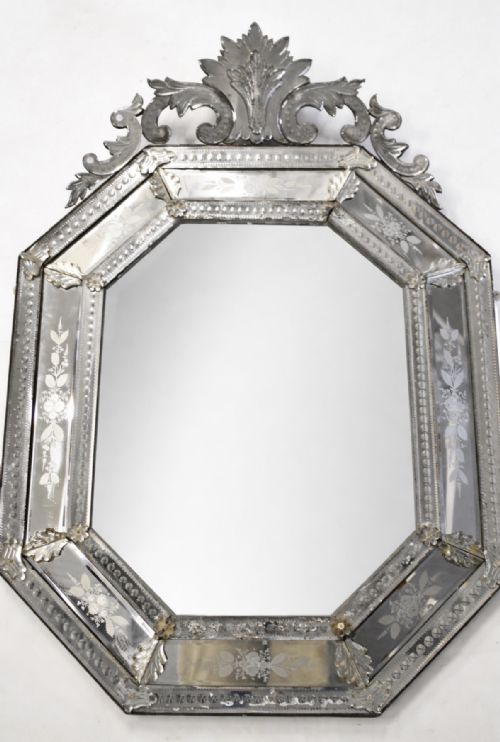


Antique Octagonal Mirror
An antique octagonal mirror brings geometric order and striking reflection to a room, drawing the eye instantly to its many-sided frame.
Antique Octagonal Mirror
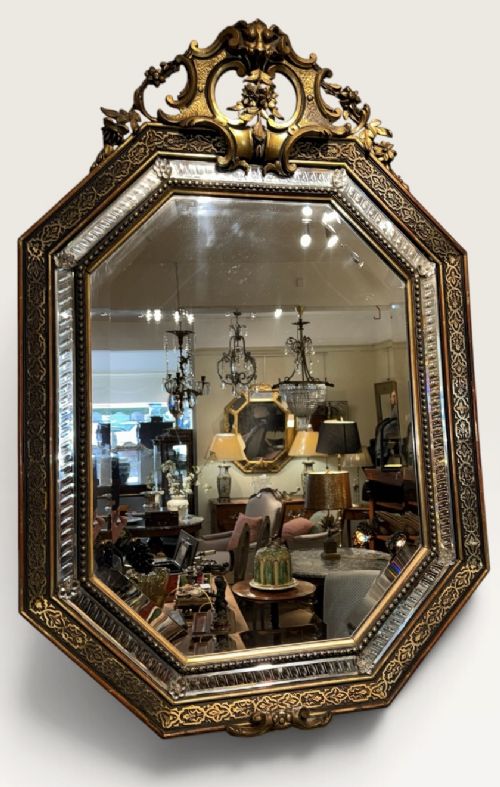
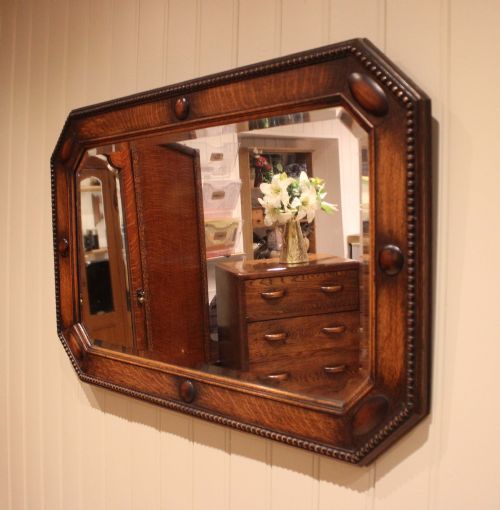
An antique octagonal mirror brings distinctive geometry to interior spaces, moving away from standard rectangular and round formats. These pieces emerge primarily from the nineteenth and twentieth centuries, spanning periods such as Victorian, Edwardian, and Art Deco.
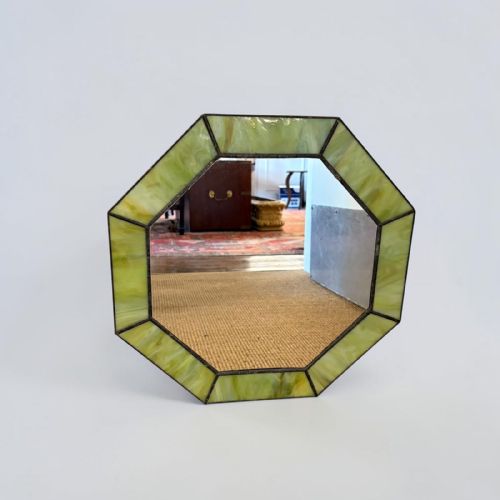
Beyond wall mirrors, the broader category includes related items sharing the shape, such as hand-painted sets and ladies powder compacts. Each piece reflects the aesthetic priorities of its decade of origin, whether through simple wooden borders or ornate glass work.
Materials and construction methods
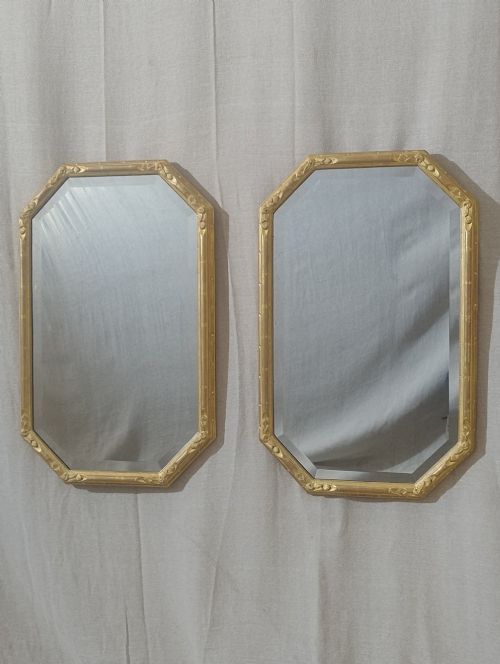
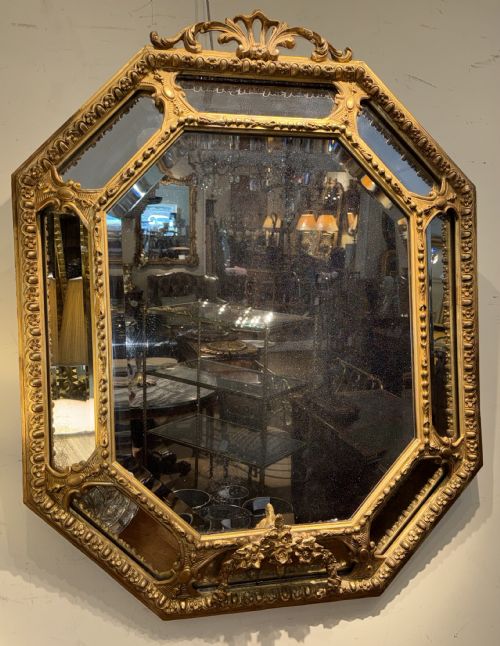
Makers utilised wood, brass, enamel, oak, and giltwood to build sturdy frames that could securely house heavy glass panels. Gesso often served as a base for water gilding, creating smooth surfaces for gold leaf application.
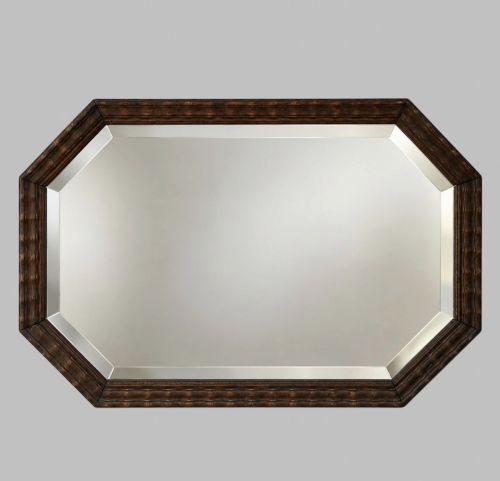
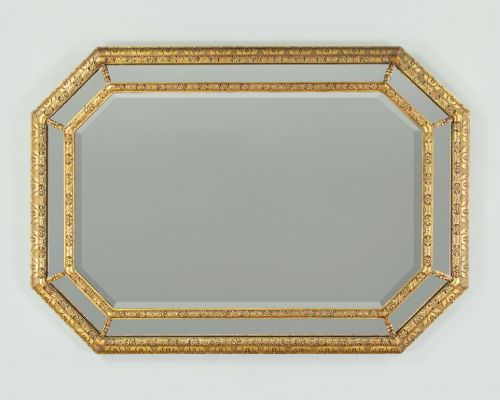
Glass plates frequently featured bevelling along the edges, requiring skilled hand-grinding to catch and refract light at oblique angles. Etched floral decoration appeared on specialised Venetian-style pieces, adding delicate surface detail.
Construction techniques evolved from nineteenth-century joinery methods toward streamlined Art Deco fabrication. Artisans combined traditional framing with specialised compact manufacturing for smaller personal items.
Antique Octagonal Mirror Retail Price Guide 2026
Typical asking prices for octagonal mirror among the pieces listed under this phrase on Sellingantiques today, from the lower quarter to the upper quarter. They describe what is for sale here now, not the wider market.
Powder compacts let previous owners check their lipstick in miniature geometric style.
Assessing quality in construction and finish
Quality rests in the precision of the frame joinery and the depth of the materials used. Solid oak and finely carved giltwood represent higher tiers of craftsmanship compared to simpler secondary woods.
The clarity and weight of the glass plate dictate overall value, with bevelled edges demonstrating superior glass-cutting skill. Original mercury backing or early silvering methods show distinct ageing patterns that differ from later replacements.
Waring and Gillow·Richard Hudnut
The Antique Octagonal Mirror Glossary
- Bevelling
- The practice of angling the outer edges of a glass mirror plate to create a decorative border that refracts light.
- Giltwood
- Timber treated with gold leaf or gold powder over a prepared gesso ground, common in decorative wall pieces.
- Gesso
- A plaster mixture applied to wood frames as a smooth base for subsequent gilding or painting.
- Girandole
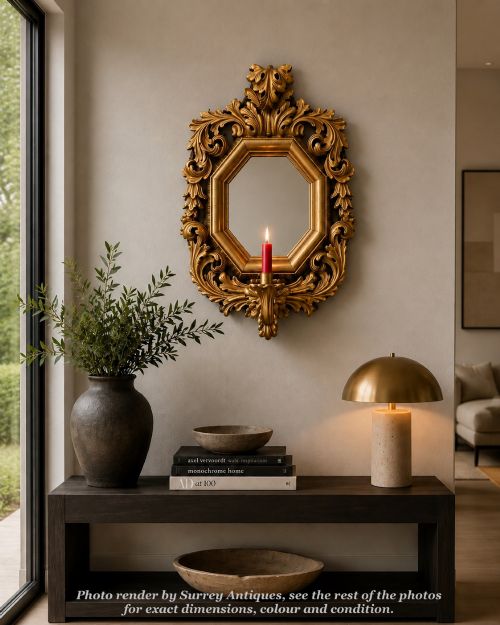
- A branched wall mirror or sconce designed to hold candles alongside the reflective glass plate.
- Cushion mirror
- A frame style with a pronounced convex profile that slopes outward or inward toward the glass.
Antique Octagonal Mirror: Frequently Asked Questions
How do I hang a heavy wall mirror safely?
Heavy wall mirrors require secure fixings into structural wall studs or appropriate masonry anchors. Using a weight-rated mirror plate or French cleat system distributes the load evenly across the frame.
Professional installation is recommended for larger nineteenth-century wooden and gilt pieces to prevent accidental detachment from the wall.
What causes dark spots on antique glass?
Dark spots and foxing occur when moisture penetrates behind the glass plate and oxidises the silver backing over decades. This natural ageing process is typical for unsealed historical mirrors.
Many collectors value this patina as proof of genuine age, provided the reflection remains largely usable.
How should I clean my mirror frame?
Dust wooden and gilt frames gently with a soft, dry brush to avoid damaging fragile surfaces. Moisture can ruin historical water gilding and painted finishes.
Apply glass cleaner to a cloth rather than directly onto the glass to prevent liquid from seeping behind the frame edges.
Are Art Deco compacts considered mirrors?
Art Deco compacts often include small interior mirrors designed for cosmetic use. They share the geometric octagonal aesthetic of larger wall-hung pieces.
These vanity items represent miniature examples of period metalwork and enamel manufacturing.