




Art Nouveau Copper Mirror
An art nouveau copper mirror brings organic metalwork into a room, offering flowing floral motifs and warm metallic surfaces that catch the light.
Art Nouveau Copper Mirror
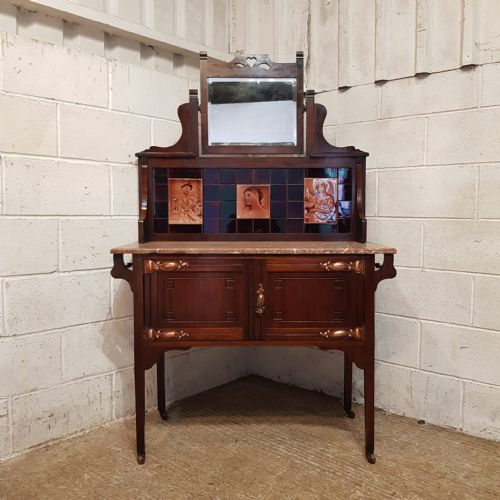
When searching for an art nouveau copper mirror, buyers encounter wall-mounted pieces, overmantle designs, and occasional key cupboards or sideboards with integrated mirrors. These domestic objects reflect the aesthetic movements of the late nineteenth and early twentieth centuries, blending utility with decorative metalwork.
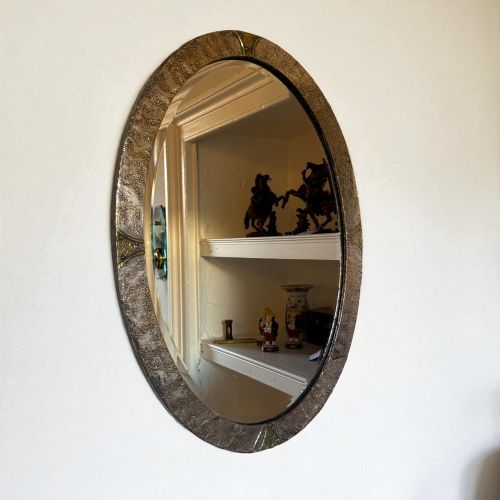
The versions most commonly met on this page span the period around nineteen hundred to nineteen twenty, often sharing characteristics with the Arts and Crafts movement. They appear in round, oval, and rectangular formats, utilising hammered or sheet metal frames around bevelled glass.
How they were made
Frames are constructed from solid copper, copper plating over brass, or copper panels mounted on wood and walnut backings, sometimes incorporating ceramic elements. Makers worked the metal by hand, hammering and shaping the surfaces to create textured borders and stylised plant motifs.
Glass panels feature bevelled edges, secured within the metal framework alongside original fittings and backing boards. Construction methods combine traditional cabinet-making for the wooden supports with metalworking techniques typical of the period.
Art Nouveau Copper Mirror Retail Price Guide 2026
Typical asking prices for art nouveau copper mirror among the pieces listed under this phrase on Sellingantiques today, from the lower quarter to the upper quarter. They describe what is for sale here now, not the wider market.
Some copper mirrors doubled as key cupboards, hiding household security behind art nouveau floral metalwork.
What varies in quality
The distinction between standard domestic items and finer examples rests on the depth and complexity of the metalwork. Pieces with hand-hammered detailing and robust construction display superior craftsmanship compared to plain plated alternatives.
The integrity of the frame, the presence of original glass and fittings, and the harmony between the copper work and any wooden or ceramic components determine the standing of an individual piece.
The Art Nouveau Copper Mirror Glossary
- Bevelled glass
- Glass with an angled edge ground and polished to a specific width. This technique adds depth and catches light differently than flat plate glass.
- Overmantle mirror
- A large horizontal mirror designed to hang above a fireplace mantelpiece. These pieces often anchor the decorative scheme of a period room.
- Pier glass
- A tall, narrow mirror designed to hang on the wall space between two windows. They make efficient use of light in domestic interiors.
- Sconce
- A wall-mounted bracket for holding a candle or light source, occasionally integrated into the frame of a mirror. They combine illumination with reflective surfaces.
Art Nouveau Copper Mirror: Frequently Asked Questions
How do I hang a heavy copper mirror?
These wall mirrors require secure fixings into solid masonry or direct attachment to wall studs using appropriate brackets. Due to the weight of the metal frame and glass, standard picture wire is rarely sufficient.
Ensure the mounting hardware matches the weight distribution of the specific frame shape, whether round, oval, or rectangular.
How should I clean the copper frame?
Dust the metal gently with a soft, dry cloth to prevent the accumulation of dirt within the hammered recesses. Avoid abrasive cleaners and chemical polishes that strip the historic patina developed over the decades.
Leaving the surface undisturbed preserves the original finish and character acquired since the early twentieth century.
Are these mirrors suitable for bathrooms?
High humidity and moisture in bathrooms can damage the exposed copper surfaces, wooden backings, and the silvering on the glass. Placing them in dry living rooms, halls, or bedrooms protects the materials from degradation.
Keeping the pieces away from damp environments ensures the longevity of the original framing and backing boards.
How can I tell the period of the mirror?
Dating relies on examining the construction methods, screw types, backing boards, and the specific stylistic traits of the metalwork. Pieces from the early twentieth century often display distinctive organic motifs associated with the Arts and Crafts and art nouveau styles.
Comparing the manufacturing details with documented examples from around nineteen hundred helps establish the approximate era.