
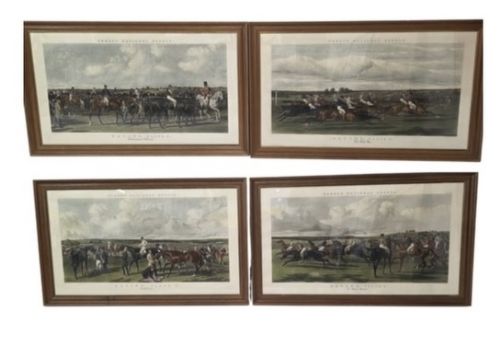
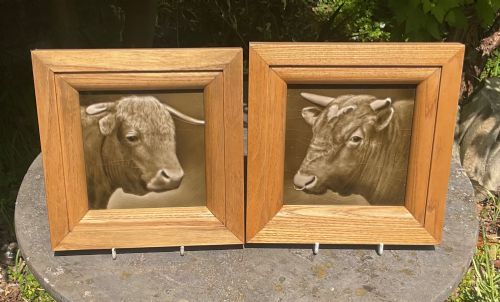
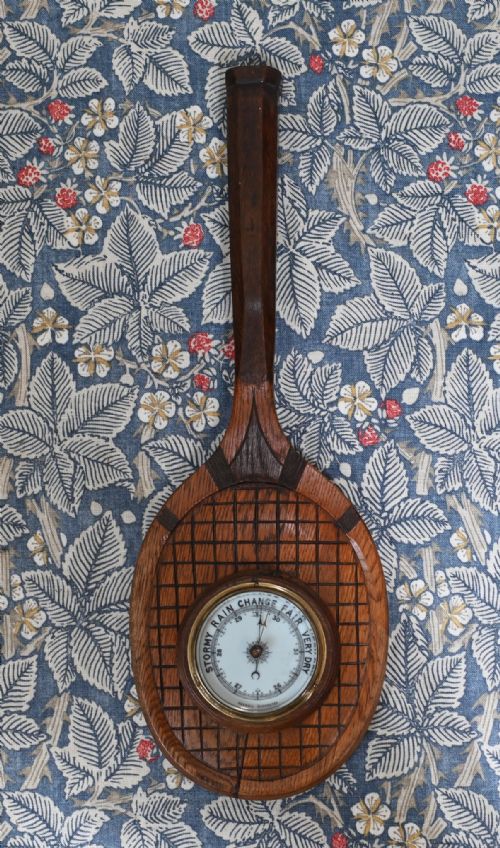




Antique Oak Wall Decor
Antique oak wall decor brings centuries of heavy timber, carved relief and mounted sporting history directly into domestic interiors.
Antique Oak Wall Decor
Antique oak wall decor encompasses everything from architectural fragments and carved panels to framed taxidermy and sporting memorabilia mounted for display. Buyers seeking antique oak wall decor encounter heavy timber panels, hanging dinner gongs, hall mirrors, and scoreboards dating from the seventeenth century through to the early twentieth century.
The selections span distinct domestic and institutional forms, including Victorian Gothic carvings, Georgian hanging boxes, and Edwardian taxidermy shields. Many items reflect maritime or equestrian themes, combining solid oak mounts with brass hardware, glass, and painted surfaces.
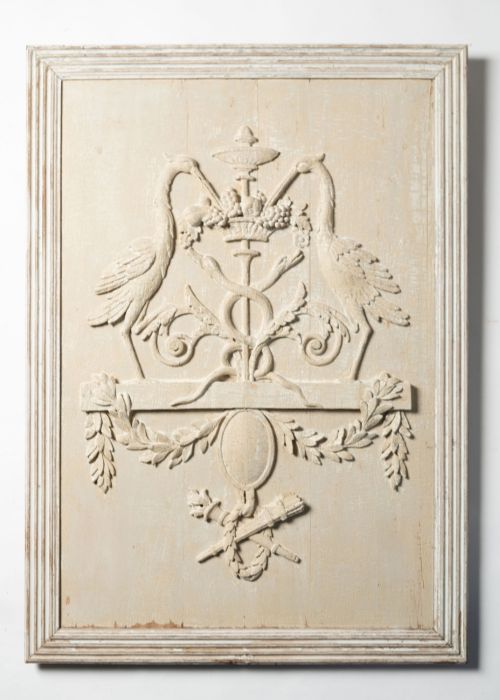
Panel work ranges from small seventeenth-century geometric fragments to large nineteenth-century relief carvings depicting figures, animals, and heraldic crests. These wall-hung objects served functional roles in period homes and clubs before transitioning into purely decorative interior accents.
How they were made
Makers utilised solid timber, hand-carving dense oak boards with gouges and chisels to produce deep relief panels, architectural terminals, and structural frames. Carpenters and joiners joined sections using traditional pegged mortise and tenon joints, leaving tool marks visible on the unpolished backs of panels and shields.
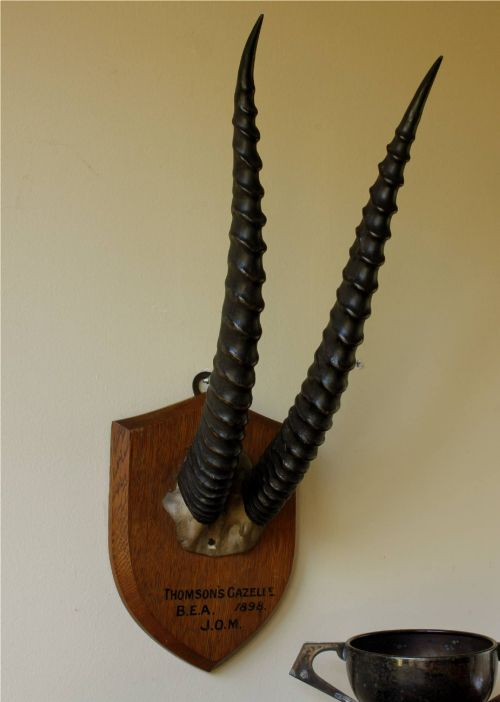
Many items incorporate mixed media, mounting carved timber alongside cast brass fittings, painted glass, animal bone, and taxidermy specimens. Taxidermists prepared heads, horns, and masks before mounting them onto shaped oak shields, securing the specimens with concealed iron brackets and screws.
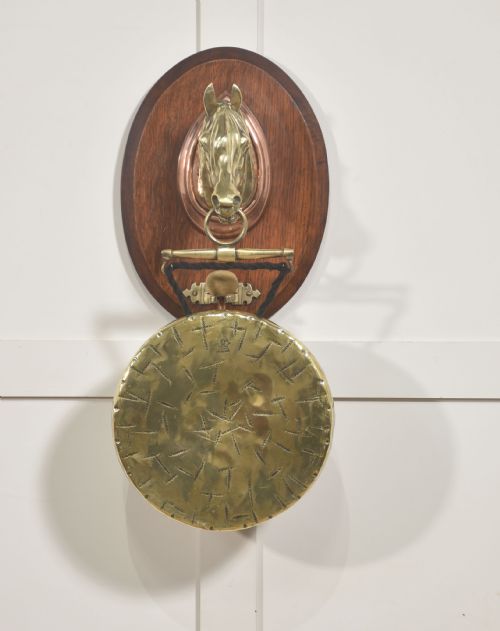
Dinner gongs bring the distinct threat of summoning family members to burnt toast by striking a brass horse head with a mallet.
What varies in quality
Depth and crispness of carving separate standard production pieces from masterwork reliefs, particularly in seventeenth and eighteenth-century panels where undercut foliage and facial expressions retain sharp definition. The grain selection and seasoning of the timber also dictate longevity, with quarter-sawn oak displaying prominent medullary rays that resist warping over generations.
The integrity of the mount influences overall worth, as pieces retaining their original brass hardware, unpainted surfaces, and period mounting boards hold greater historical cohesion. Condition of secondary materials, such as undamaged taxidermy pelts or uncracked glass dials on barometers, determines whether an object preserves its original state.
Sherwin and Cotton·Peter Spicer and Sons·Thurston and Co
The Antique Oak Wall Decor Glossary
- Acanthus leaf
- A classical carved ornament modelled on the foliage of the Mediterranean plant, frequently seen on seventeenth-century oak panels and architectural mouldings. Artisans stylised these leaves into scrolling patterns that frame central subjects.
- Taxidermy shield
- A shaped wooden board, commonly made of oak, designed to mount animal horns, heads, or hunting trophies for wall display. These shields often feature bevelled edges and carved heraldic motifs.
- Barometer
- An instrument measuring atmospheric pressure, housed in carved timber cases, aneroid dials, or marine-style brass fittings. Specimens range from simple domestic wall units to Fitzroy models used in coastal areas.
- Architectural salvage
- Building elements rescued from demolished structures, such as carved oak crests, panels, and ships wheels adapted for interior wall hanging. These fragments preserve historic joinery and surface wear.
- Scoreboard
- A large wall-mounted board constructed from oak, utilised in billiard and snooker rooms to track points with sliding markers and brass dials. These functional items combine utilitarian dials with decorative timber surrounds.
Antique Oak Wall Decor: Frequently Asked Questions
How do I hang heavy oak wall panels safely?
Heavy oak panels and scoreboards require sturdy steel mirror plates or batten systems screwed directly into wall studs to support the substantial weight of the timber.
Avoid relying on standard plasterboard plugs for pieces incorporating dense oak and cast brass elements.
Were taxidermy shields made for hunting lodges?
Taxidermy mounts and deer heads were primarily prepared for country houses, estate offices, and Victorian sporting clubs to display hunting triumphs.
Taxidermists mounted these specimens onto shaped oak shields designed for secure wall suspension.
How can I tell a seventeenth-century panel from a later copy?
Seventeenth-century panels display hand-Adzed surfaces, irregular peg holes, and shrinkage cracks consistent with centuries of natural timber movement.
Later copies often reveal uniform machine sawing marks and modern adhesives on the reverse sides.