
Antique Oak Standing Cabinet
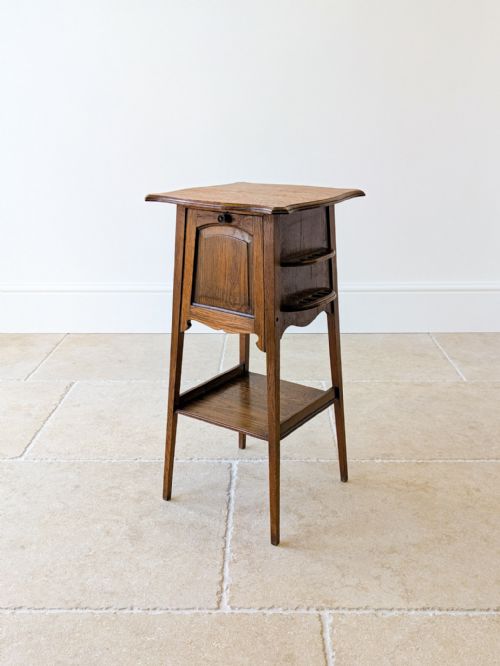
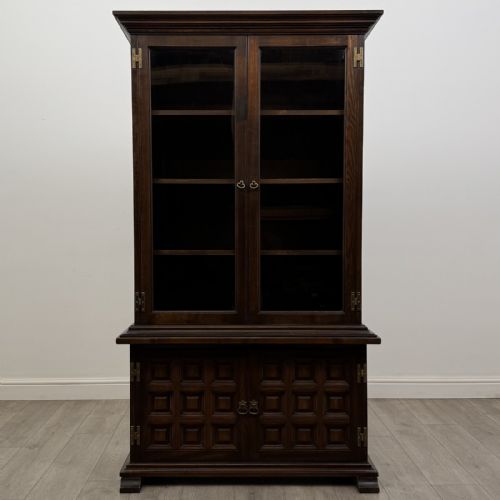
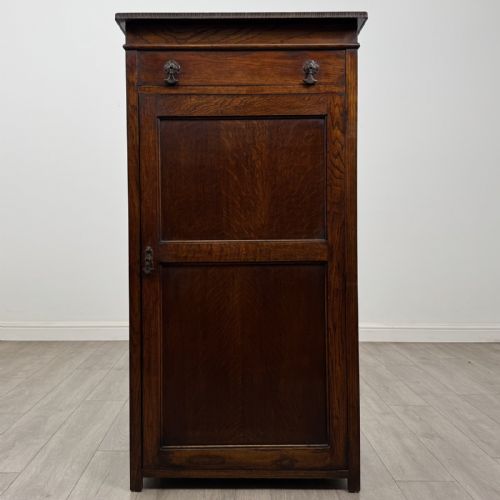
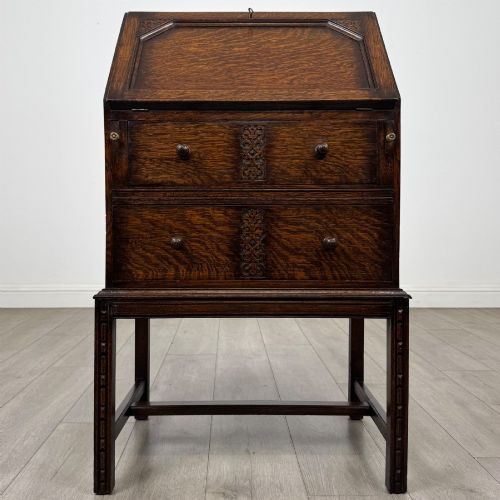
An antique oak standing cabinet brings dependable timber storage and display into a room, spanning periods from the seventeenth century to the Edwardian era.
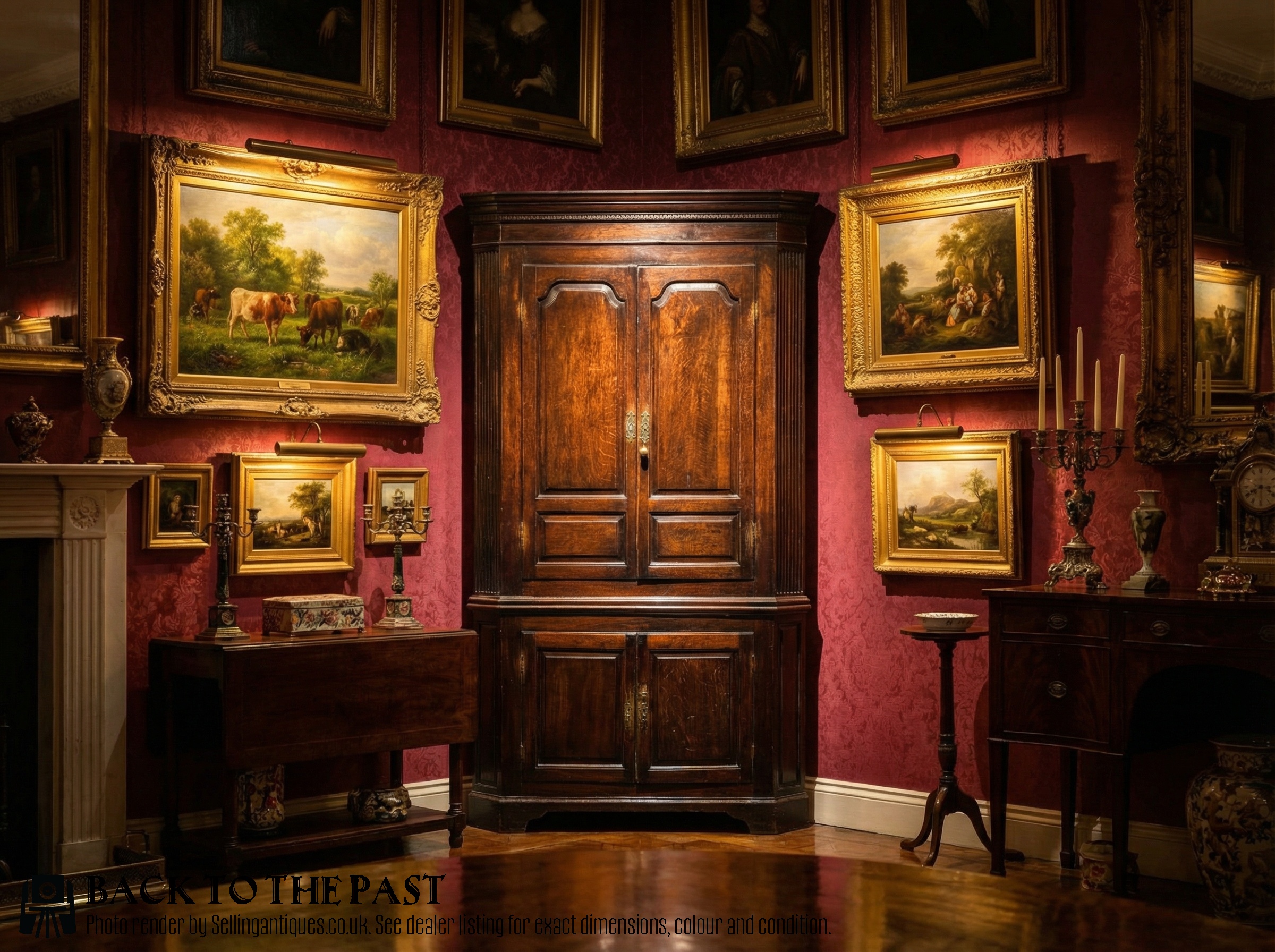
Antique Oak Standing Cabinet
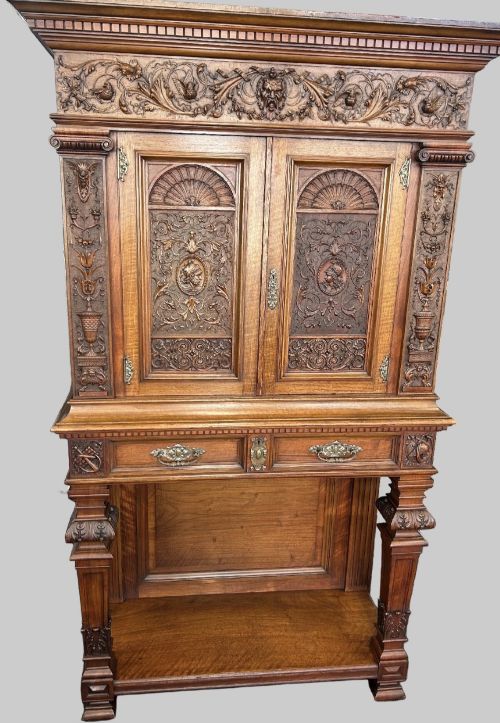
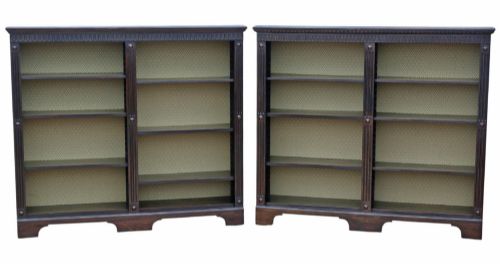
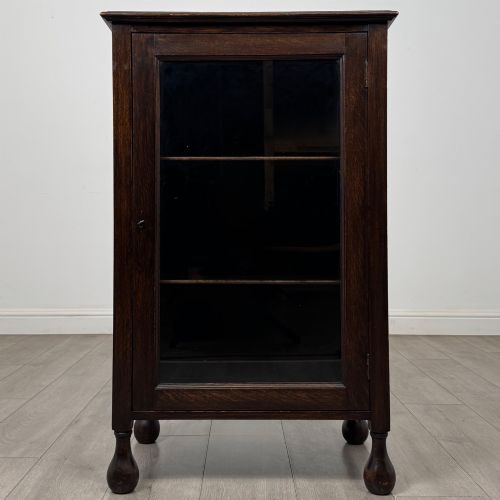
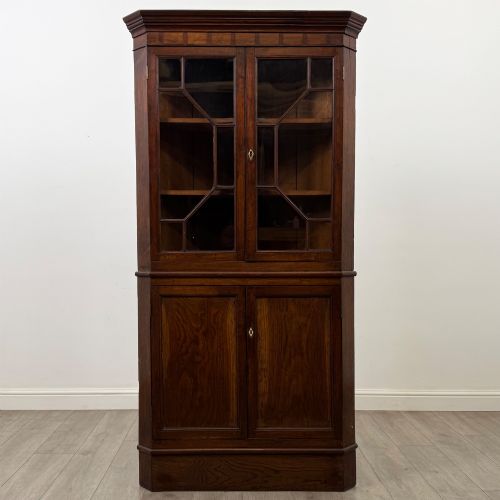
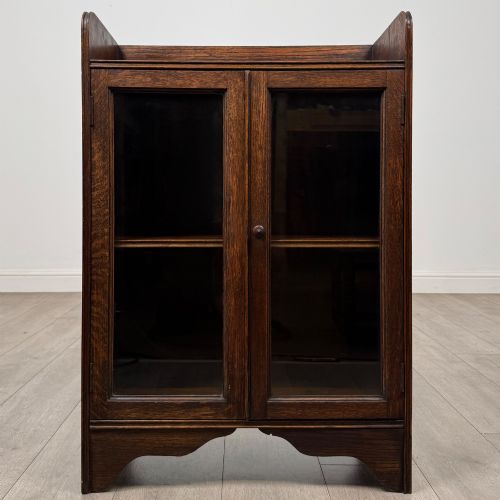
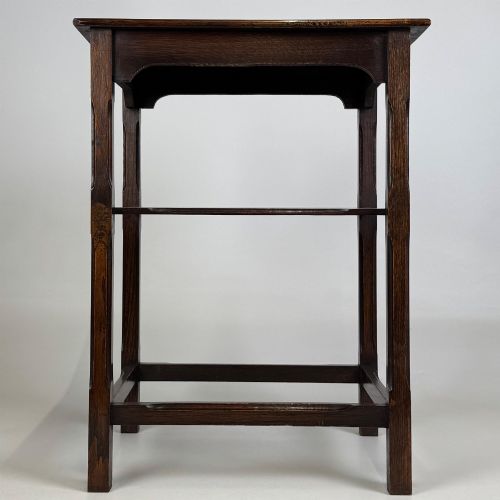
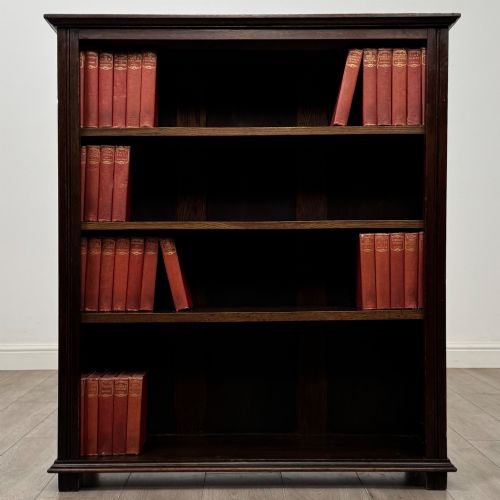
When searching for an antique oak standing cabinet, buyers encounter a diverse selection of floor-standing forms including upright bookcases, corner cupboards, glazed display pieces, and joined cupboards on stands. These pieces originate from various eras ranging from robust seventeenth-century joined timber examples to refined Georgian corner units and lighter Edwardian or Arts and Crafts designs.
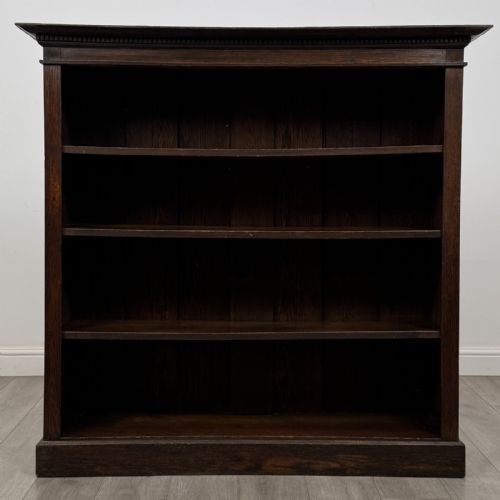
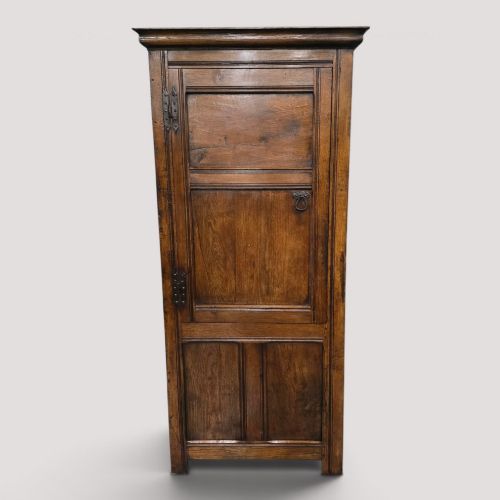
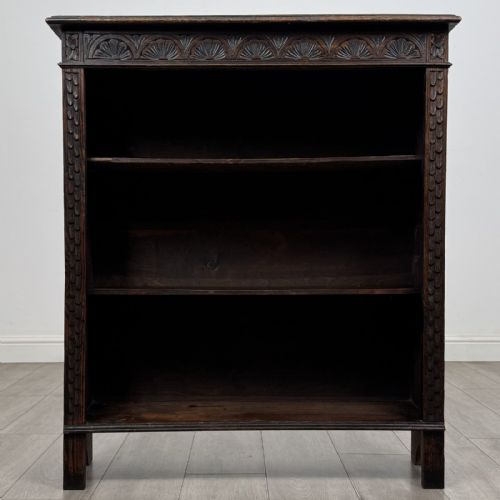
The most common variations on this page include tall open bookcases, corner cabinets designed to utilise floor space efficiently, and enclosed cupboards or display cabinets featuring panelled or glazed doors. Form follows function closely, reflecting domestic storage needs across different centuries.
Origins stretch from English country workshops to Scottish and continental makers, incorporating styles such as Jacobean revival, Art Nouveau, and vernacular English country furniture alongside formal Georgian proportions.
Materials and Construction
Makers relied primarily on solid oak, utilising its dense grain and durability for structural framework, panels, and heavy shelving. Secondary woods occasionally support internal elements, while brass and iron provide structural hinges, latches, and decorative escutcheons.
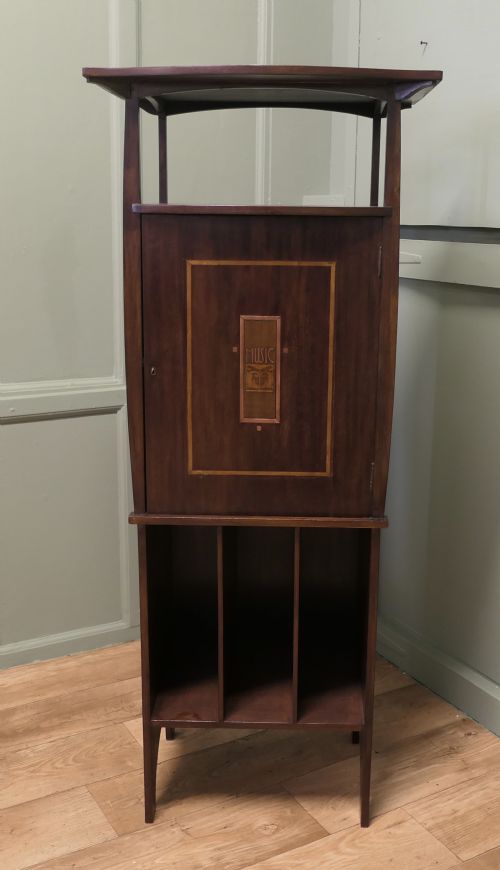
Joinery techniques define the older pieces, employing traditional mortise and tenon joints secured with wooden pegs in seventeenth and eighteenth-century examples. Later nineteenth and twentieth-century pieces introduce machine planing, wood inlay, and glass panel installation for display cabinets.
Listings feature oak combined with brass, iron, glass, and wood inlay across Georgian, Victorian, and Arts and Crafts styles.
Distinctions in Quality
Quality rests in the integrity of the timber selection, the crispness of hand-carved detailing, and the preservation of original structural joinery rather than surface polish alone. Superior pieces demonstrate thoughtful grain matching and robust internal construction that withstands centuries of use.
The refinement of hardware, such as original brass hinges and working iron locks, distinguishes high-grade workshop output from utilitarian storage pieces. Proportion and balance within vernacular styles also separate standard cabinetmaking from exceptional vernacular design.
GM Elwood·JS Henry·Liberty and Co·Stanley Webb Davies·U Phone of Leeds
The Antique Oak Standing Cabinet Glossary
- Joined oak
- Furniture constructed using tightly fitted mortise and tenon joints secured by wooden pins before the widespread adoption of metal nails.
- Corner cabinet
- A standing or hanging storage piece specifically built with angled sides to fit flush into the corner of a room.
- Chest on stand
- A cabinet or chest raised off the floor on a dedicated table-like base with legs, common in seventeenth and eighteenth-century pieces.
- Arts and Crafts
- A design movement prioritising traditional craftsmanship, plain surfaces, and visible construction methods over mass-produced ornamentation.
- Court cupboard
- A heavy, multi-tiered enclosed wooden cupboard used historically for displaying plate and storing household provisions.
Antique Oak Standing Cabinet: Frequently Asked Questions
How do I identify a 17th-century oak cabinet?
Seventeenth-century pieces typically display heavy joined construction with pegged mortise and tenon joints, hand-carved panels, and sturdy timber frames lacking modern metal screws.
Surface patination on these early examples shows deep, dark oxidation accumulated over centuries of handling and wax polishing.
Where should I place an oak standing cabinet at home?
These cabinets suit living rooms, dining spaces, or hallways where their substantial timber presence anchors the room and provides practical vertical storage.
Keep them away from direct heat sources and strong sunlight to protect the aged oak timber and prevent panel splitting.
How do I care for antique oak furniture?
Maintain the timber by applying traditional beeswax sparingly and buffing gently with a soft cloth to nourish the dry grain without building up heavy residue.
Avoid liquid polishes containing silicone, which can penetrate open oak pores and damage the historic surface finish.