

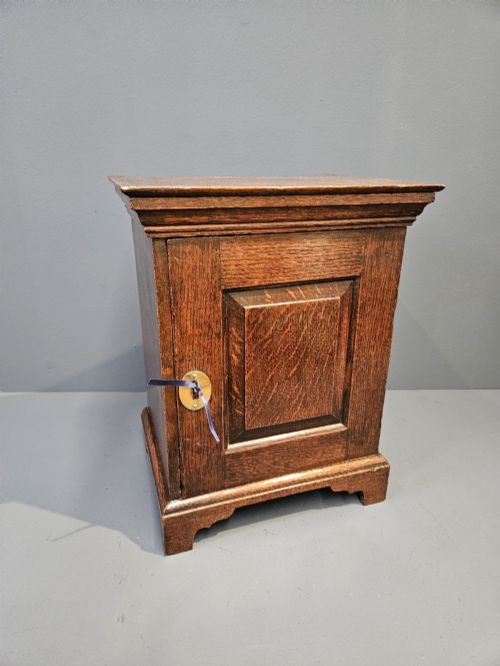
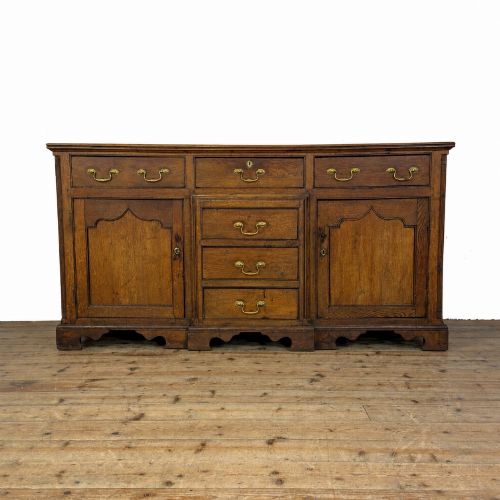


Georgian Fielded Panel Cabinet
A georgian fielded panel cabinet brings architectural depth and solid timber presence to a room, offering practical storage through bevelled panels.
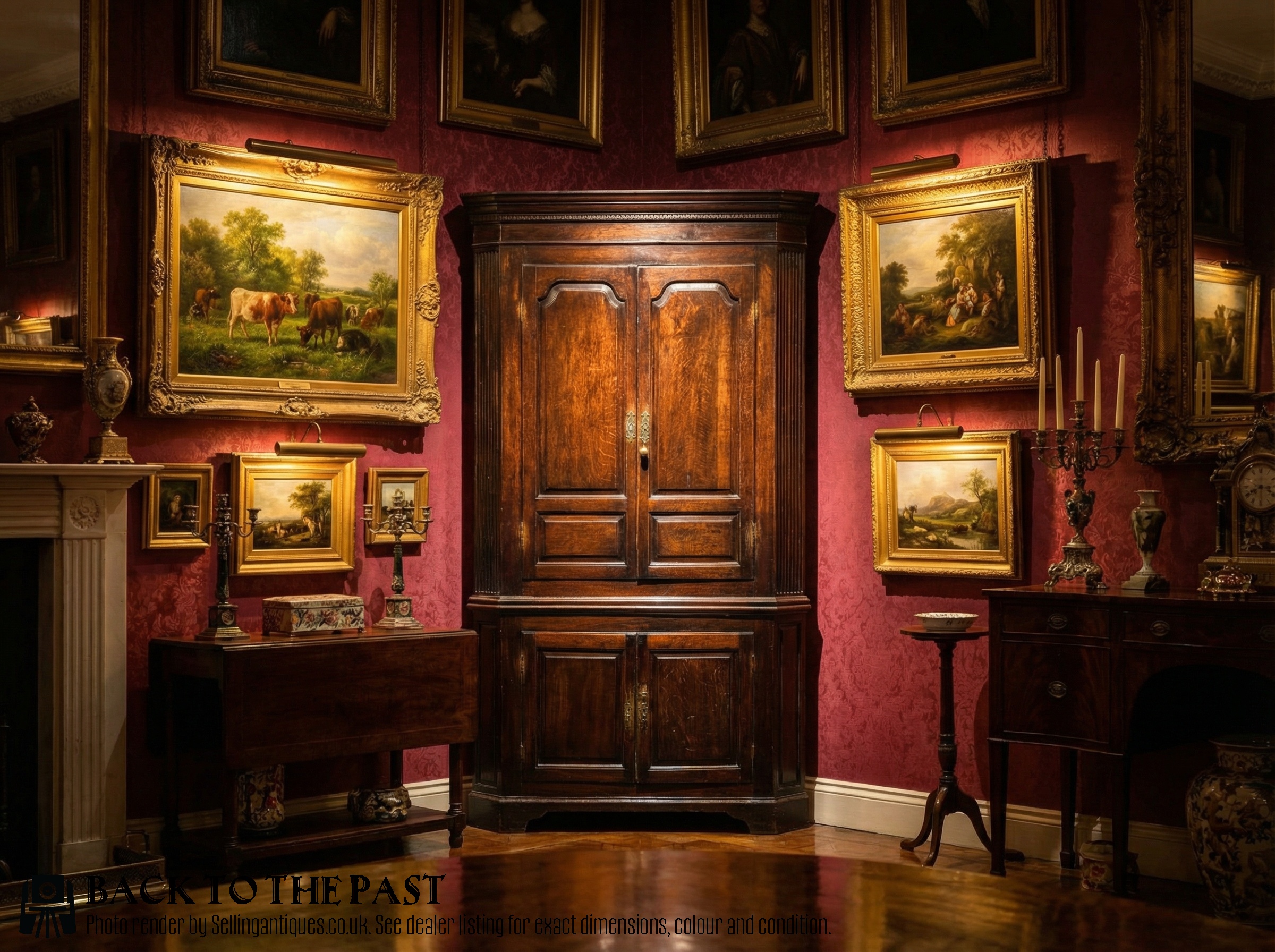
Georgian Fielded Panel Cabinet
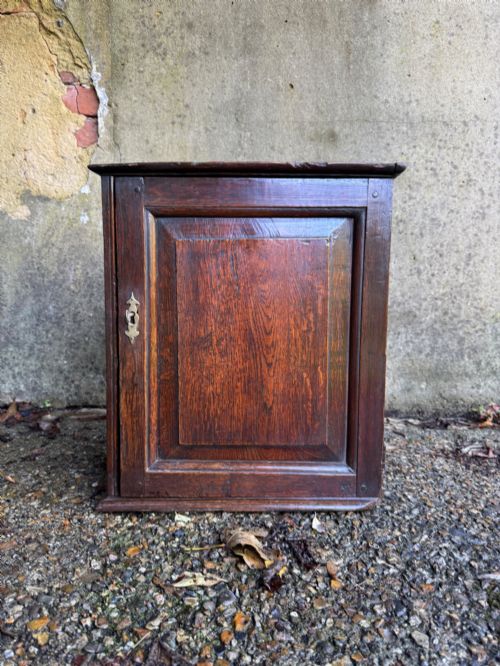
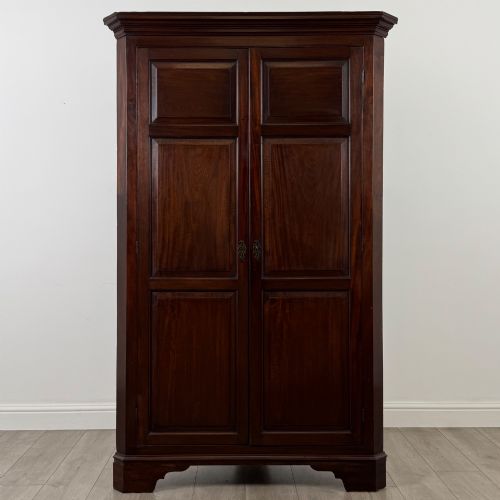
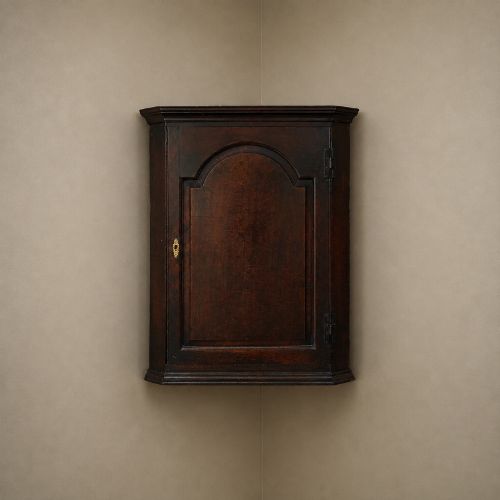
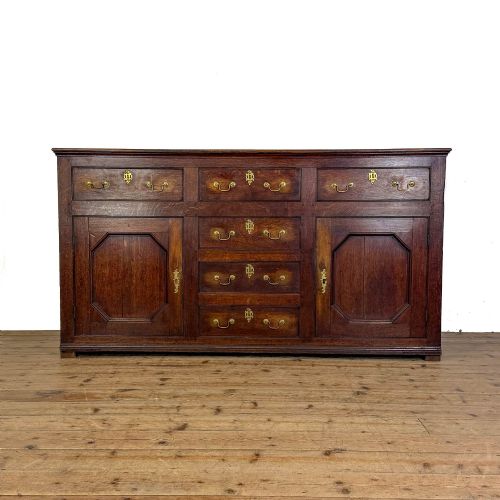
When you search for a georgian fielded panel cabinet, you encounter sturdy timber storage furniture originating from the eighteenth and early nineteenth centuries. These pieces appear primarily as wall-hanging or floor-standing corner cupboards, spice cupboards, and dresser bases.
The selection on this page relies heavily on regional vernacular pieces, particularly Welsh examples, alongside formal mahogany and burr oak designs. Corner cupboards and wall-mounted spice cupboards dominate the forms, reflecting the domestic needs of period interiors.
What varies in quality
The standard of a georgian fielded panel cabinet rests on the choice of timber and the precision of the joinery in the panel framing. Pieces featuring burr oak or figured mahogany display superior decorative ambition compared to plain utilitarian counterparts.
Proportion and the retention of original brass furniture distinguish finer examples from altered pieces. Regional variations, such as Welsh vernacular detailing, introduce distinctive character that elevates the design beyond standard workshop output.
Listings span the eighteenth and nineteenth centuries, featuring oak, mahogany, burr oak, and yew across corner and spice cupboard forms.
The Georgian Fielded Panel Cabinet Glossary
- Fielded panel
- A central wood panel with bevelled or rebated edges designed to fit within a grooved frame. This construction method reduces warping while creating visual depth.
- Corner cupboard
- A triangular cabinet designed to fit directly into the corner of a room to maximise floor space. These pieces appear in both wall-hanging and floor-standing formats.
- Dresser base
- A low sideboard fitted with drawers and cupboards, used historically for food preparation and storage. They form a central category of vernacular oak furniture.
- Spice cupboard
- A small wall-mounted cabinet containing multiple internal drawers for storing valuable provisions. These compact pieces often feature elaborate panel work and brass fittings.
- Vernacular
- Furniture made by local craftsmen for regional domestic use rather than following metropolitan high-style fashions. These pieces often employ local timbers like oak and yew.
Georgian Fielded Panel Cabinet: Frequently Asked Questions
Where were these cabinets placed originally?
These cabinets sat in domestic parlours, kitchens, and dining areas to store tableware, dry goods, and valuable documents.
Corner designs utilised empty angles in smaller rooms, while wall-hanging spice cupboards kept provisions secure and accessible near working spaces.
How do I identify a regional piece?
Regional pieces often display distinct local timber choices, such as Welsh oak or Irish yew, combined with traditional vernacular joinery methods.
Makers in specific districts utilised characteristic panel configurations and hardware that differ from standard London workshop production.
Are these cabinets made from solid wood?
Cabinet makers built these pieces using solid timbers like oak, mahogany, and burr oak for both the structural frames and the fielded panels.
This solid construction allows the wood to respond naturally to environmental conditions while maintaining structural integrity over centuries.
How do I care for period timber?
Maintain these cabinets by keeping them away from direct heat sources and sudden humidity shifts that stress the antique joinery.
Apply traditional beeswax occasionally to nourish the timber surface and preserve the natural lustre of the polished wood.