

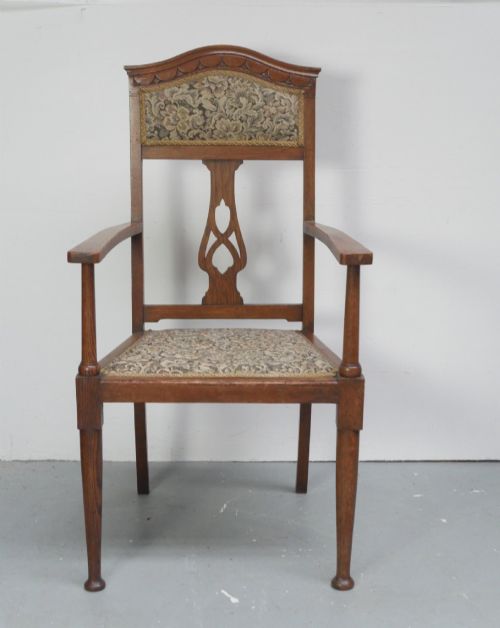
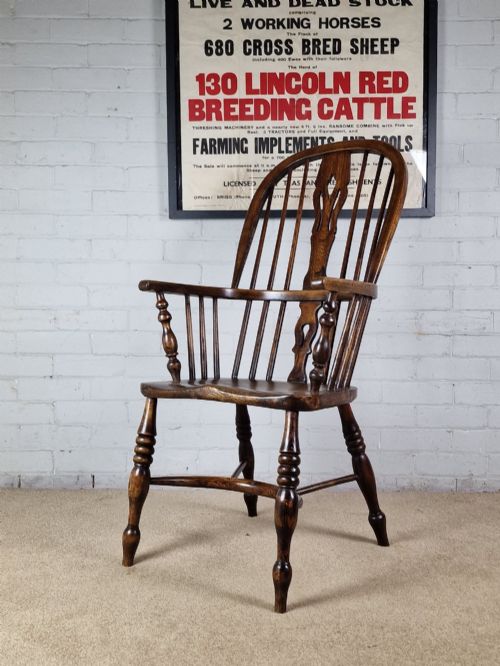
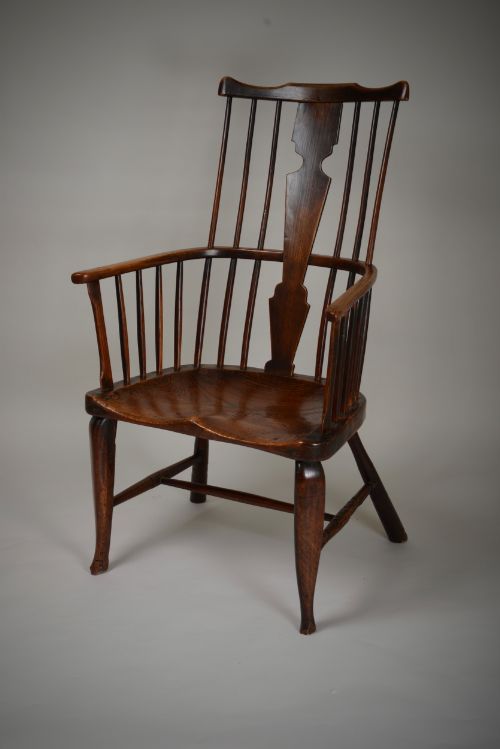
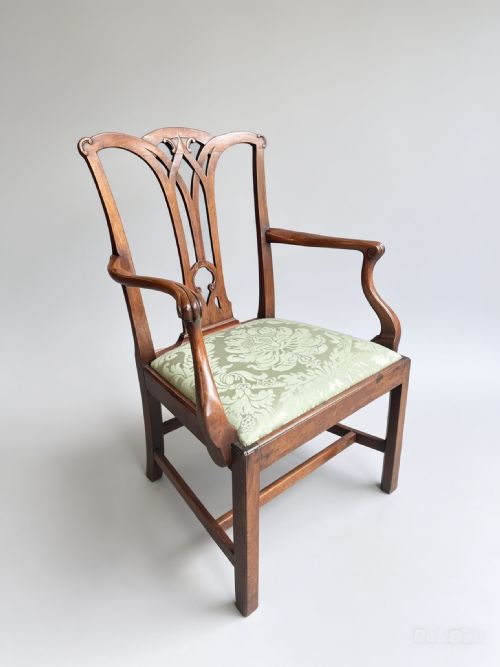
Antique Oak Splat Chair
An antique oak splat chair brings solid timber and centuries of regional design straight into a modern room.
Antique Oak Splat Chair
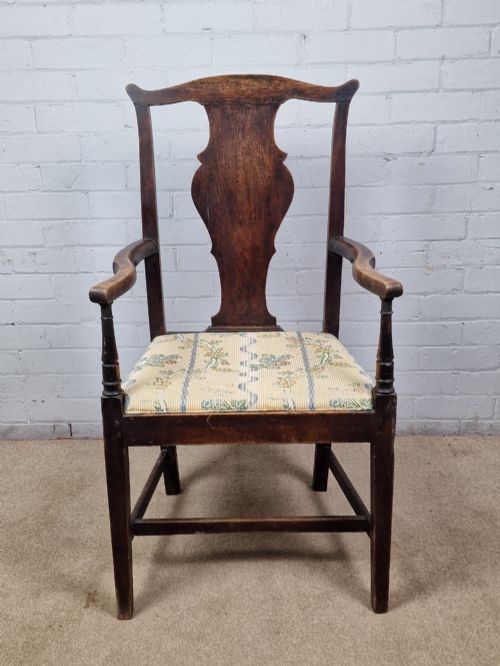
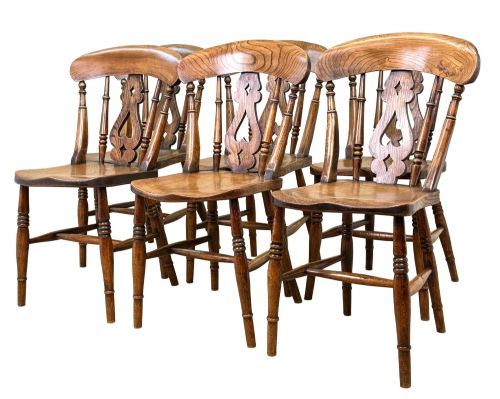
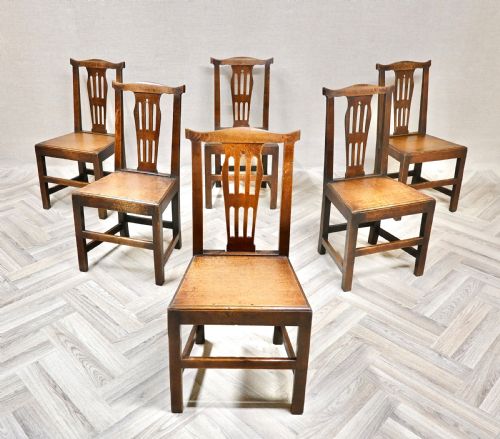
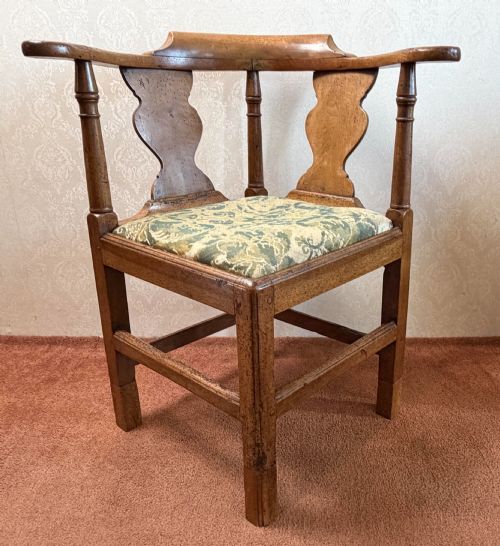
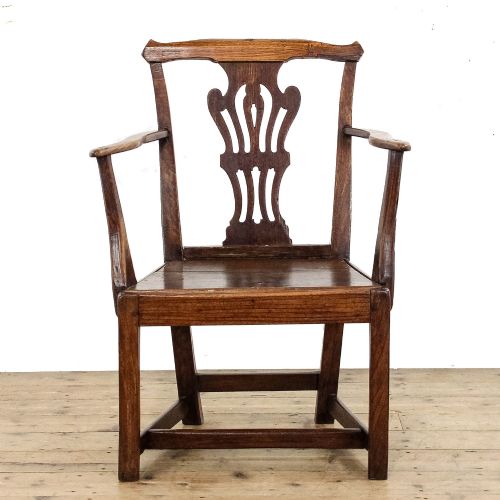
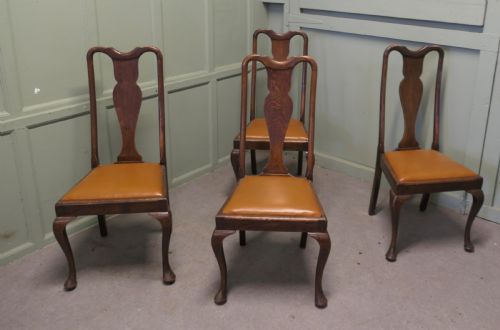
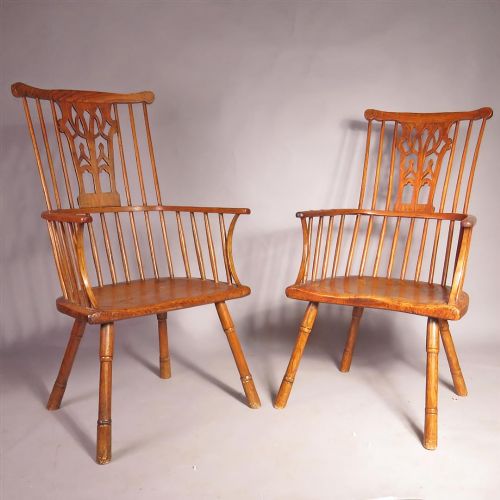
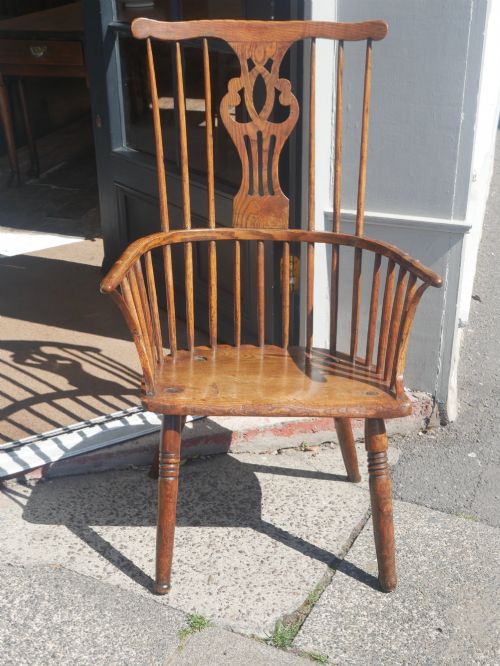
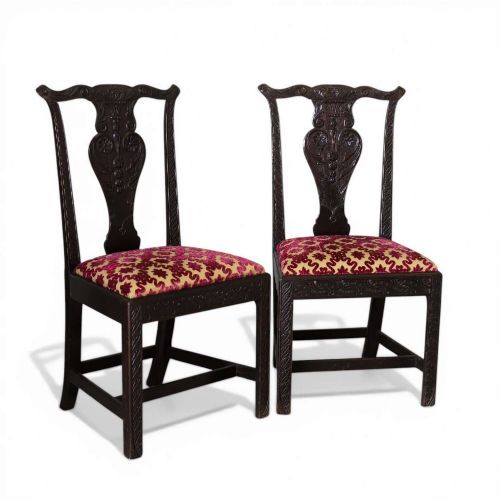
The antique oak splat chair covers a broad spectrum of domestic seating, from sturdy country kitchen dining sets to high back examples and corner chairs. These pieces span the seventeenth, eighteenth, and nineteenth centuries, taking in Georgian and Victorian periods alongside regional vernacular designs.
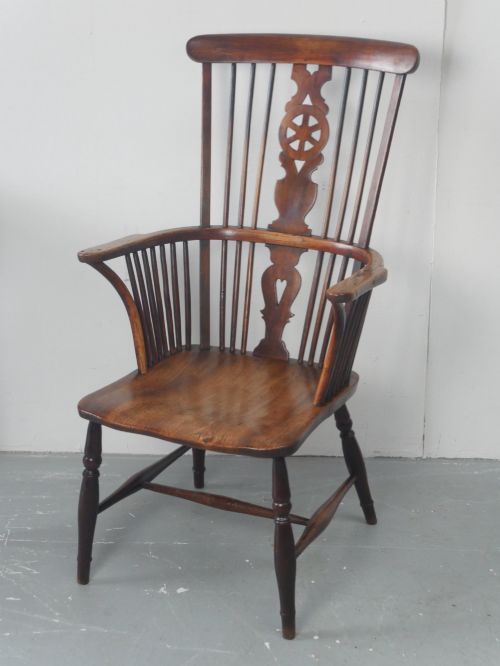
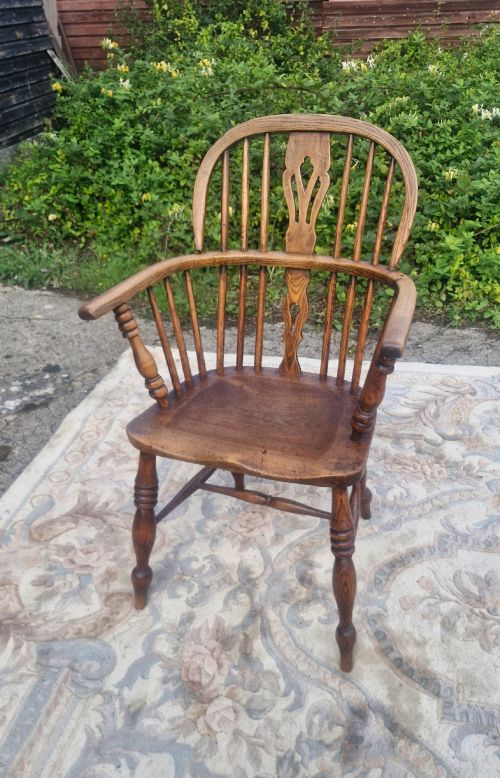
Buyers will frequently encounter Windsor forms, ranging from low back and comb back armchairs to wheelback and spindle back variations. Alongside these Windsor types, listings contain side chairs, rocking chairs, desk chairs, and hall chairs shaped by English country traditions.
Variations in quality
Quality in these chairs rests on the integrity of the timber, the crispness of any carved splats, and the preservation of original surfaces. Pieces retaining a timeworn patina show how the wood has aged through decades of domestic use.
Matching sets demand higher regard than assembled groups, while regional distinctiveness, such as Thames Valley or Lincolnshire origin, sets finer vernacular examples apart from standard production.
Listings feature oak, elm, ash, and beech across seventeenth, eighteenth, and nineteenth-century periods, including Georgian and Victorian farmhouse styles.
The Antique Oak Splat Chair Glossary
- Splat
- The upright central strip of wood in the middle of a chair back. It is often shaped, pierced, or carved.
- Windsor
- A traditional wooden chair featuring a solid carved wooden seat into which the legs and back spindles are wedged directly. These chairs often incorporate bentwood bows.
- Comb back
- A Windsor chair style where the tall back resembles the teeth of a comb, featuring an upper headpiece supported by vertical spindles.
- Corner chair
- A square-shaped chair designed to fit into the corner of a room, featuring a diagonal seat and a curved back rail resting on multiple legs.
- Patina
- The deep surface sheen and colour developed by wood over long periods through handling, polishing, and natural ageing.
Antique Oak Splat Chair: Frequently Asked Questions
How do I date an antique oak splat chair?
Dating relies on observing construction marks, timber selection, and stylistic details such as George III or Victorian design indicators. Examining the wear patterns and joinery helps determine the approximate period of manufacture.
Regional differences also assist with attribution, as specific counties developed distinct Windsor and country seating characteristics during the eighteenth and nineteenth centuries.
Can I use these chairs for daily dining?
Many of these chairs were built for daily kitchen and dining use, making them sturdy enough for contemporary seating when structurally sound. Sets of farmhouse chairs provide practical utility alongside historical character.
Checking the stability of joints and seats ensures everyday comfort. Regular wax maintenance protects the timber during normal household use.
What is the difference between a Windsor and a side chair?
Windsor chairs feature a solid wooden seat that holds inserted legs and back spindles, often utilising bentwood arm rails or hoops. They focus on ergonomic comfort through sculpted seats.
Side chairs typically use framed construction with joined rails, legs, and a vertical backrest containing a central splat. They generally serve dining tables or hallway settings rather than fireside lounging.
How should I care for an oak and elm chair?
Maintain the wood by applying natural beeswax periodically to nourish the dry timber and preserve the historic surface sheen. Avoid placing wooden chairs near direct heat sources or in fluctuating humidity.
Gentle cleaning with a soft, dry cloth prevents dust buildup without harming the aged patina. Harsh chemical polishes should be avoided to protect the original finish.