

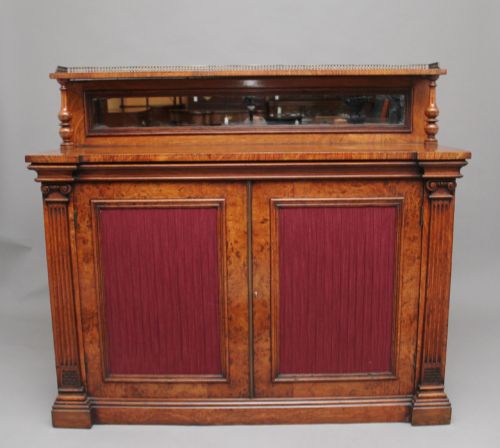

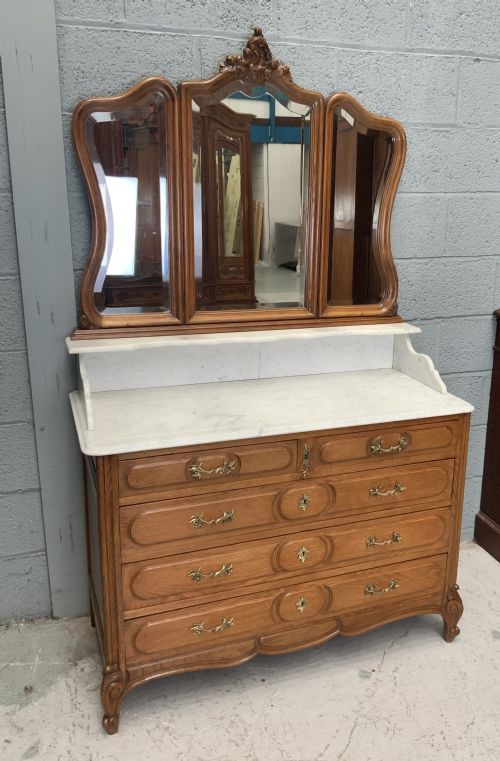


Antique Oak Sideboard Mirror
An antique oak sideboard mirror brings substantial Victorian and Edwardian character to a room, combining heavy timber frames with reflective glass.

Antique Oak Sideboard Mirror
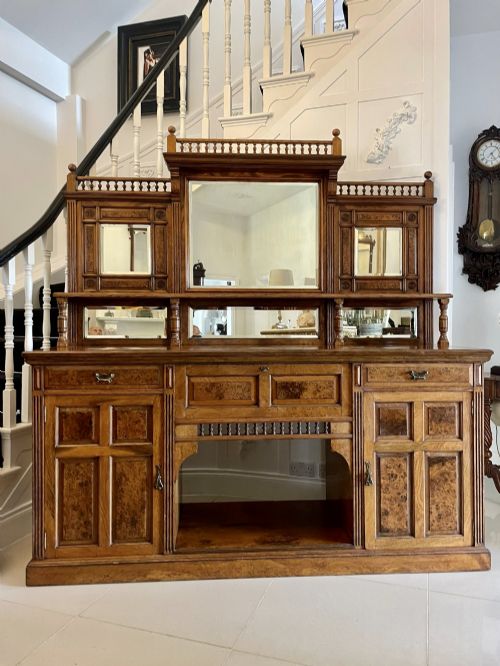
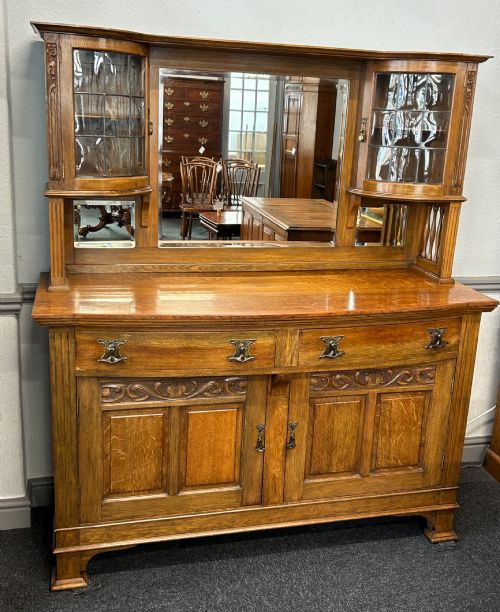
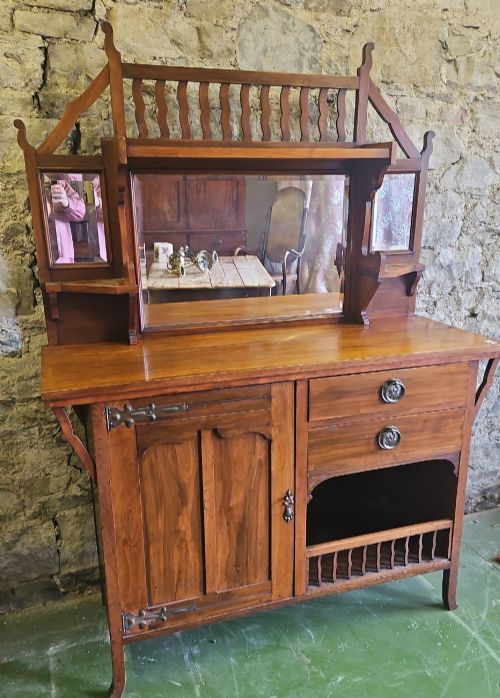
When you search for an antique oak sideboard mirror, you encounter large dining furniture pieces designed during the nineteenth and early twentieth centuries. These items combine a substantial timber base cabinet or sideboard with an integrated upper mirror section. The evidence shows these pieces appear predominantly in Victorian and Edwardian periods, often taking the form of mirror-backed sideboards, dressers, and washstands.
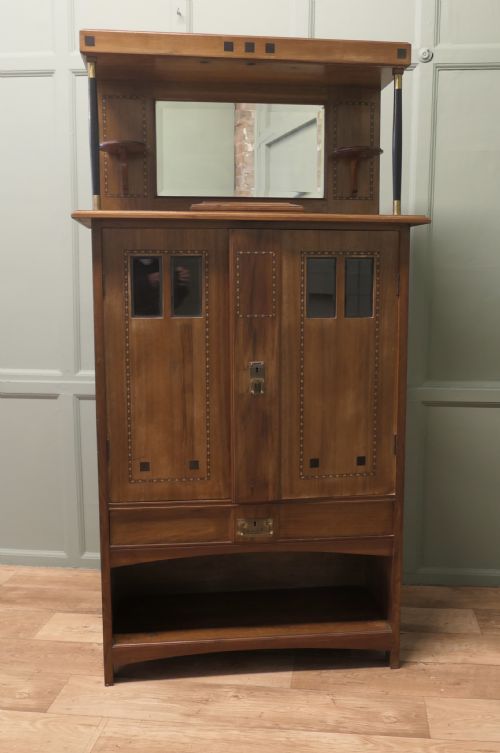
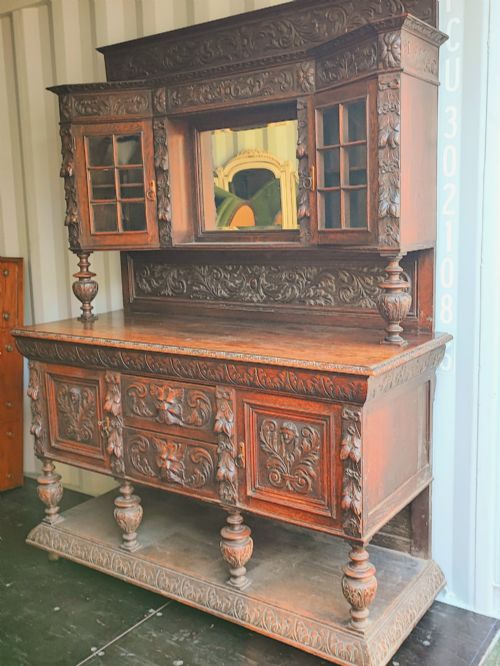
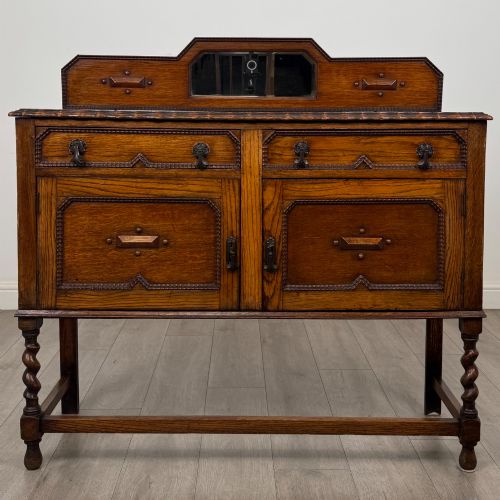
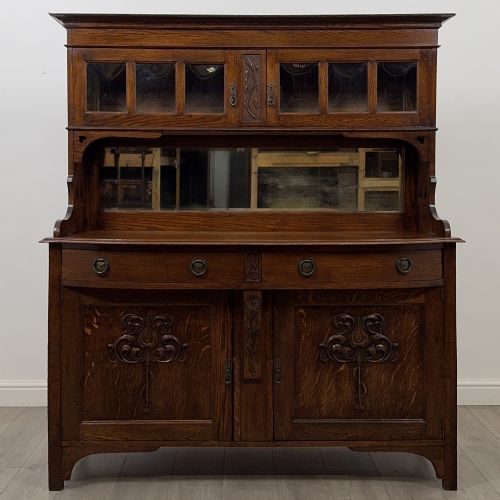
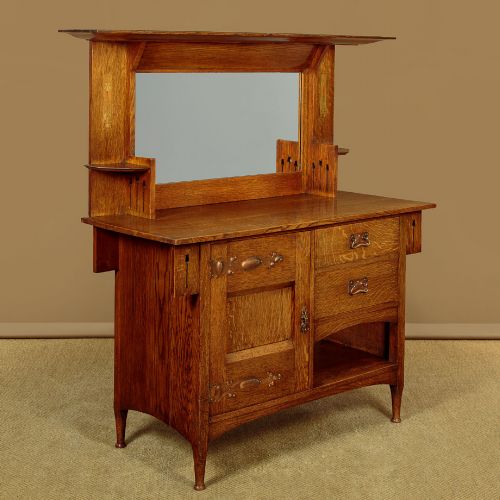
The most common examples on this page are heavy carved oak sideboards featuring tall mirror backs, alongside lighter golden oak or pollard oak variations from the Arts and Crafts and Art Nouveau eras. Makers utilised the reflective glass to brighten dark dining rooms while displaying silver, ceramics, or glassware on the tiered ledges below. These large furnishings dominate domestic interiors through their deep wood tones and elaborate carved detailing.
How They Were Made
Cabinet makers constructed these furnishings primarily using solid oak, frequently selecting figured pollard oak or golden oak veneers for visible panel surfaces. Workshops integrated heavy mirror glass into carved wooden frames above the main sideboard body, securing the tall superstructure with robust joints. Metal elements such as brass handles, iron fittings, and copper accents complemented the dark and light timber tones.
Joinery techniques relied on traditional mortise and tenon joints to support the considerable weight of the marble tops, side cabinets, and upper mirror assemblies. Carvers applied deep relief work by hand, producing foliage, scrollwork, and figurative elements directly into the dense oak frames. Polishing and ebonising treatments finished the wood surfaces, protecting the timber while enhancing the natural grain patterns.
Certain carved oak sideboards conceal fierce Green Man faces peering out from the foliage to guard the dining room.
What Varies in Quality
The standard of carving determines much of the distinction between ordinary production furniture and exceptional workshop output. Pieces bearing signatures from known firms exhibit crisp, deeply undercut foliage and balanced proportions across both the base cabinet and the upper mirror frame. Lesser examples rely on shallow mechanical stamping or plain surfaces with minimal decorative enrichment.
Timber selection and structural stability separate standard commercial items from superior commissions. Selected pollard oak figure and heavy, well-seasoned solid oak timbers indicate higher workshop ambition than mixed secondary woods or thin applied veneers. The integrity of the original mirror glass and the tightness of the joint construction also define the grade of the piece.
Garnett and Sons·T Simpson and Son·James Simpson and Sons
The Antique Oak Sideboard Mirror Glossary
- Pollard Oak
- Timber taken from trees that have been pollarded, producing a dense, highly figured grain pattern used for decorative veneer panels on Victorian furniture.
- Mirror Back
- An upper wooden framework containing a large looking glass, attached to the rear of a sideboard or dresser to reflect light and display objects.
- Arts and Crafts
- A design movement prioritising traditional handcraftsmanship, simple forms, and honest materials over ornate industrial manufacturing.
- Sideboard
- A dining room cabinet fitted with cupboards and drawers, used for storing tableware and serving food.
- Ebonised
- Timber treated with a dark stain or finish to imitate expensive ebony wood, common in Aesthetic Movement and late nineteenth century cabinet making.
Antique Oak Sideboard Mirror: Frequently Asked Questions
What is an antique oak sideboard mirror used for?
These large furnishings served in Victorian and Edwardian dining rooms as storage units for tableware, cutlery, and serving dishes. The integrated mirror top allowed homeowners to display decorative ceramics and glassware while brightening the room with reflected light.
Today, they function as substantial focal points in large living spaces, hallways, or dining rooms. Their deep drawers and cupboards provide practical storage capacity while maintaining period character.
How can I tell a Victorian sideboard from an Edwardian one?
Victorian sideboards typically feature heavy, dark oak timber with deep, elaborate hand carvings, scrollwork, and massive proportions. They often display formal revival styles like Gothic or Renaissance influences with imposing mirror frames.
Edwardian pieces tend to show lighter golden oak tones, cleaner lines, and influences from the Arts and Crafts or Art Nouveau movements. The carving becomes more stylised and linear, reflecting a shift towards simpler domestic interiors.
Are the mirror plates original to these sideboards?
Many surviving sideboards retain their original bevelled or plain mirror plates, which often show slight foxing, light spotting, or age-related oxidation around the edges. These minor imperfections indicate genuine period manufacture rather than modern glass replacement.
When inspecting a piece, look at the mirror backing boards and securing fixings to determine if the glass has been replaced. Original plates match the period construction methods of the surrounding wooden frame.
How do I care for antique oak and mirror glass?
Maintain the oak timber by applying occasional traditional beeswax to nourish the grain and protect the surface from excessive dryness. Avoid placing these pieces in direct sunlight or near heat sources that could cause the timber or veneer to split.
Clean the mirror glass gently using a soft cloth and mild glass cleaner, taking care to prevent liquid from seeping behind the antique silvering at the edges. Dust the carved details regularly with a dry brush to prevent dirt buildup in the deep recesses.