
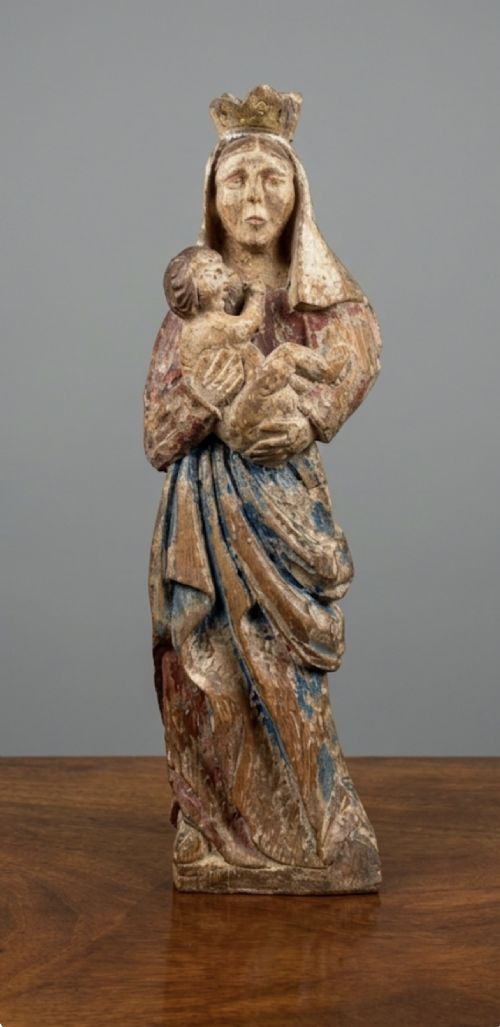

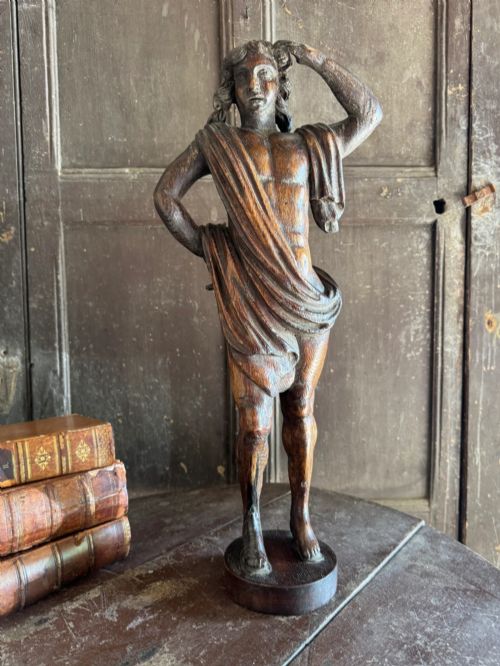

Antique Oak Sculptures
These antique oak sculptures range from medieval religious panels to expressive nineteenth-century figures, bringing substantial presence and historic depth to any interior.
Antique Oak Sculptures
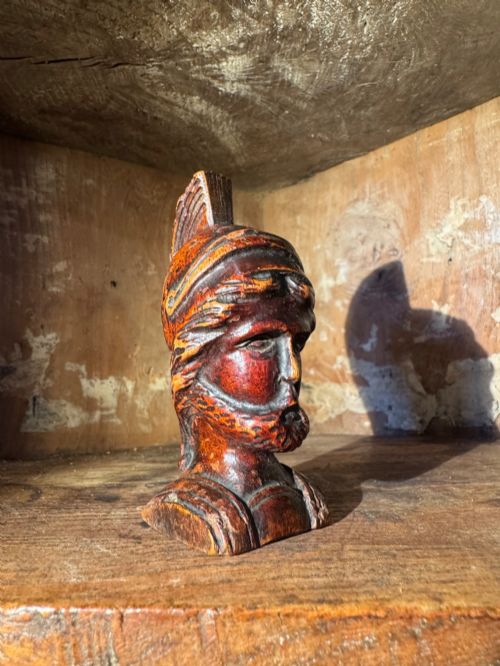
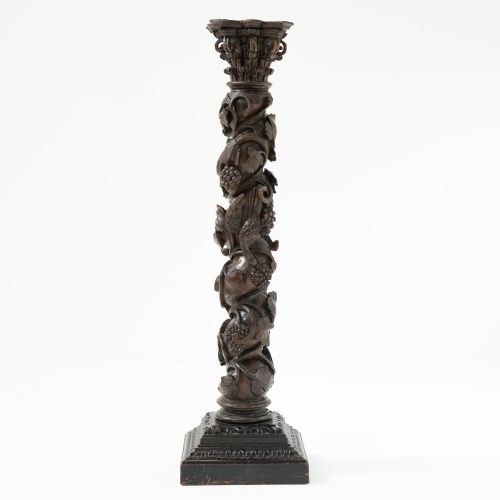
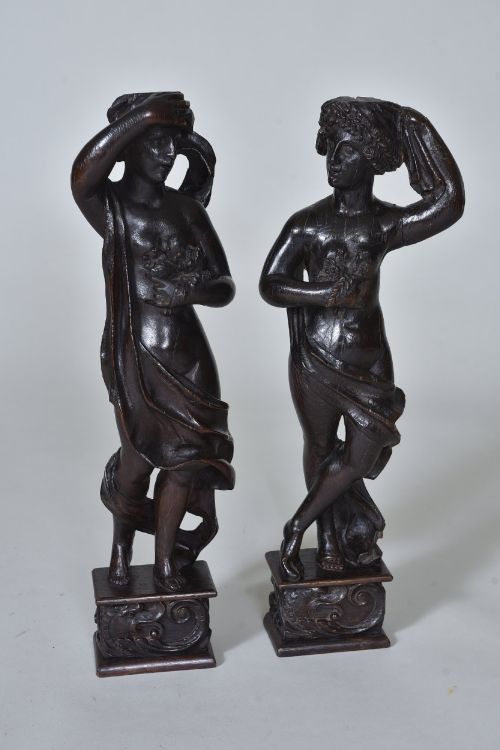
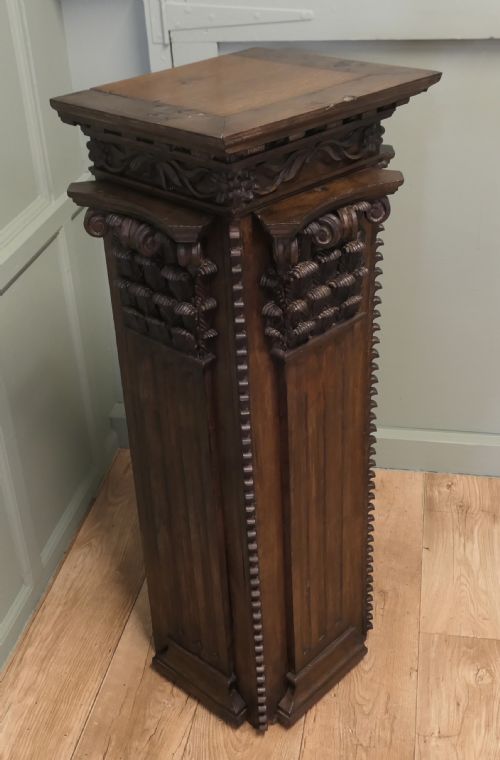
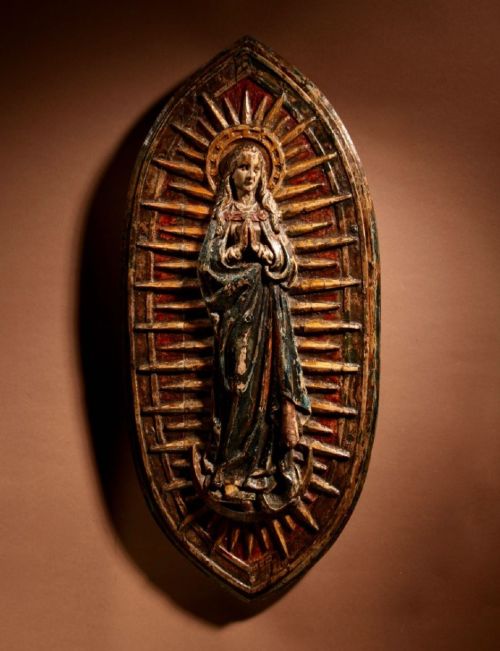
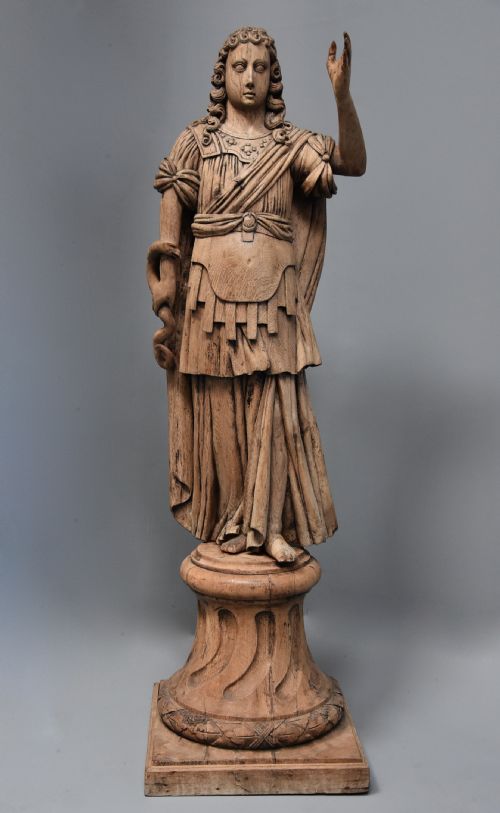
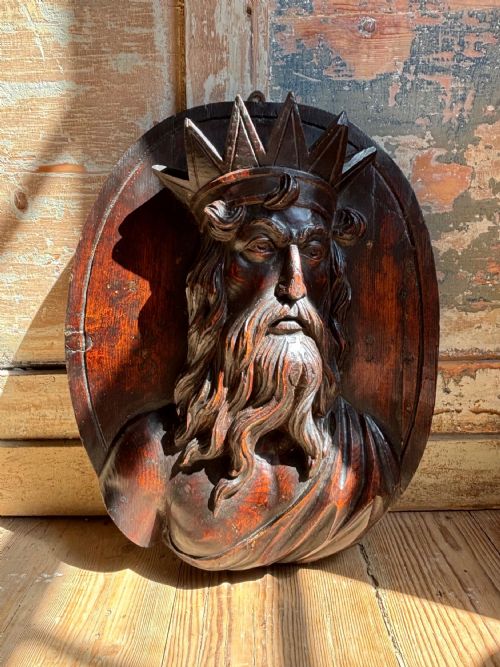
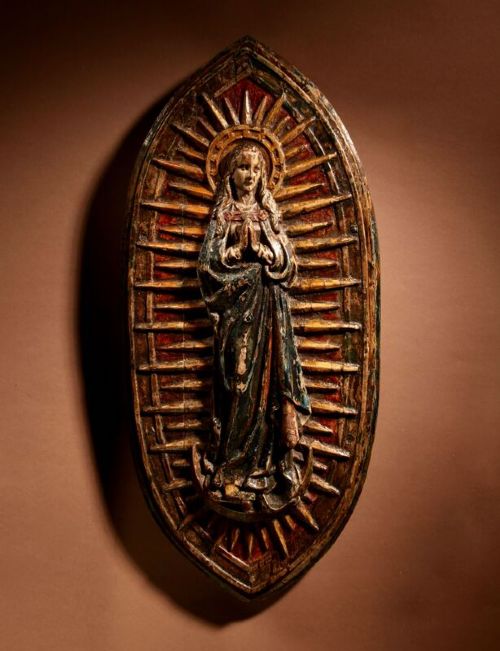
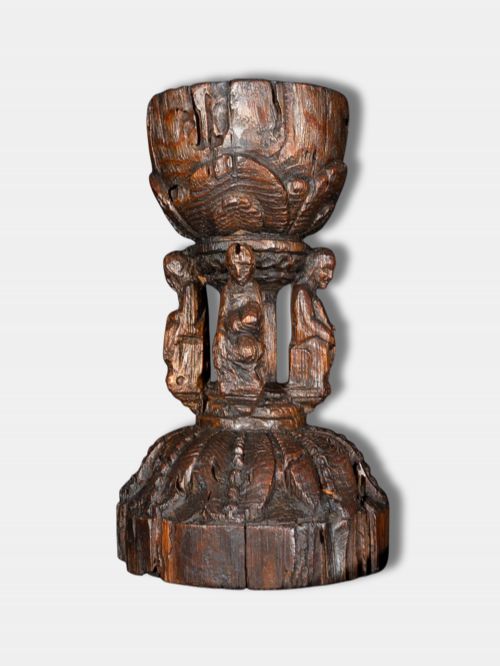
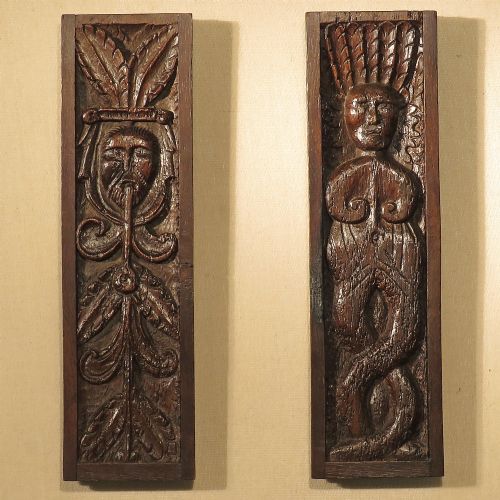
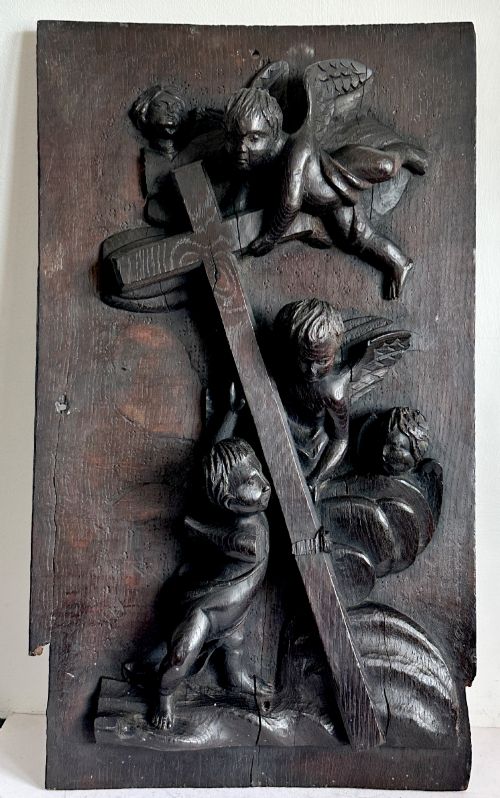
When you search for antique oak sculptures, you encounter a diverse array of carved wood works spanning several centuries, from pre-sixteenth century fragments to nineteenth-century decorative carvings. The pieces on this page appear as architectural elements, wall panels, religious statues, and freestanding animal figures.
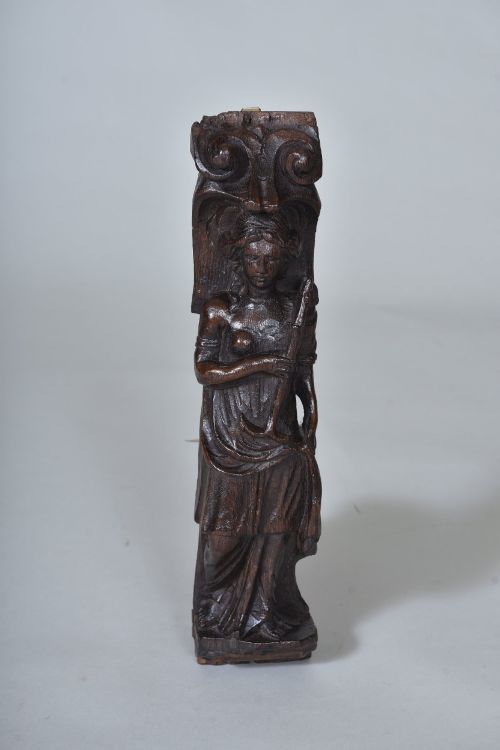
Religious subjects dominate the earlier periods, featuring saints, altarpiece fragments, and biblical scenes originating from France, Italy, Germany, and the Low Countries. Secular and decorative items also emerge, including architectural salvage, pedestals, caryatids, and folk art representations.
The sixteenth and seventeenth centuries provide many of the sculptural panels and figures, while the eighteenth and nineteenth centuries contribute larger decorative statues, lecterns, and revival pieces. Buyers looking at this category will find both architectural components and standalone figural carvings.
What varies in quality
Sculptural proficiency dictates the visual success of each piece, distinguishing works by skilled hands from naive or provincial items. Master carvers achieved naturalistic proportions and expressive depth, whereas simpler carvings display a charming stiffness or stylised execution.
The preservation of original surface detail and the extent of later restoration significantly influence the character of a carving. Pieces retaining their early polychrome decoration or original timber patination offer a more direct connection to their period of origin.
Listings feature oak material across multiple centuries, including Gothic revival, Baroque, and Renaissance styles.
Edward Pearce·Franz Keller
The Antique Oak Sculptures Glossary
- Polychrome paint
- Decoration applied to wood sculpture using multiple colours, often found on religious figures to depict garments and flesh tones. This finish adds visual complexity to the carved surface.
- Caryatid
- A sculpted female figure serving as an architectural support column or pilaster in place of a pillar. These structural elements frequently appear in classical and Renaissance designs.
- Newel post finial
- An ornamental carving terminating the upright post at the turn of a staircase. They often take the form of heraldic animals or figurative symbols.
- Gesso
- A plaster-like mixture applied to wood surfaces as a preparation for gilding or painting. It provides a smooth base for gold leaf application.
- Relief carving
- A sculptural technique where figures project from a flat background panel rather than existing in the round. Depth varies from shallow incisions to high relief.
Antique Oak Sculptures: Frequently Asked Questions
How do I identify sixteenth-century carvings?
Sixteenth-century works often display Gothic or Renaissance architectural motifs, deep relief cutting, and religious subject matter such as saints or altarpiece fragments. The timber frequently shows heavy oxidation and a dense, dry surface structure.
Examining the reverse of panels and the tool marks left by hand chisels helps confirm the working methods typical of this period.
Where were these sculptures originally displayed?
Many religious sculptures originated inside churches as altarpieces, lecterns, or architectural wall panels. Secular pieces typically decorated grand domestic interiors, furniture, or exterior building facades.
Architectural fragments often came from dismantled monastic buildings or historic townhouses across continental Europe.
How should I care for antique oak sculpture?
Keep wooden sculptures away from direct heat sources and sudden humidity fluctuations to prevent splitting or warping. Dust the carved surfaces gently with a soft, dry brush without applying modern polishes.
Maintaining a stable indoor environment preserves the natural timber patination and any remaining historic finishes.
What is the difference between architectural salvage and standalone figures?
Architectural salvage consists of carvings originally integrated into buildings, such as overdoor panels, newel posts, columns, and altarpiece fragments. Standalone figures were created as independent statues, ornaments, or devotional objects.
Both categories share traditional woodworking techniques but served entirely different functions in historic spaces.