
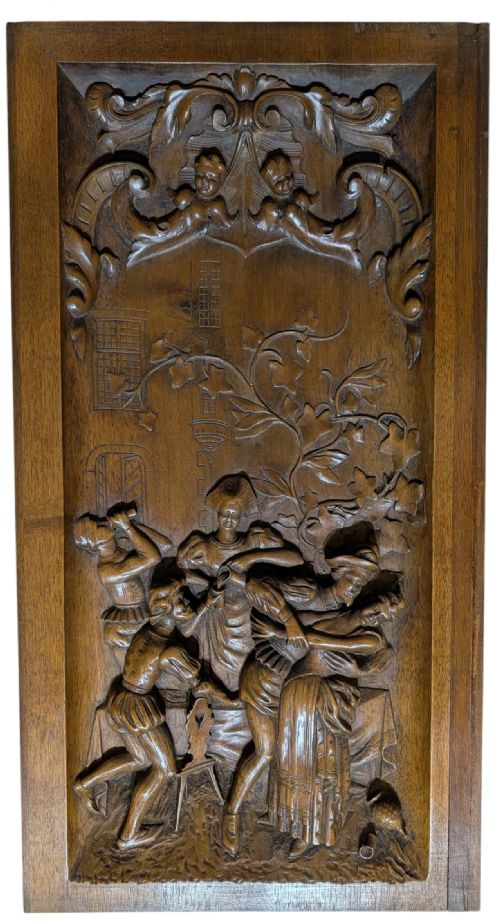


Antique Oak Relief Plaque
An antique oak relief plaque brings architectural depth and centuries of hand-carved history directly to your walls.
Antique Oak Relief Plaque
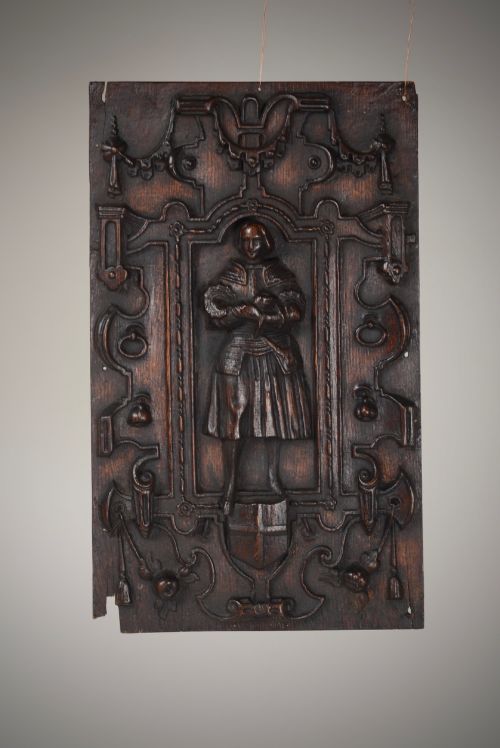
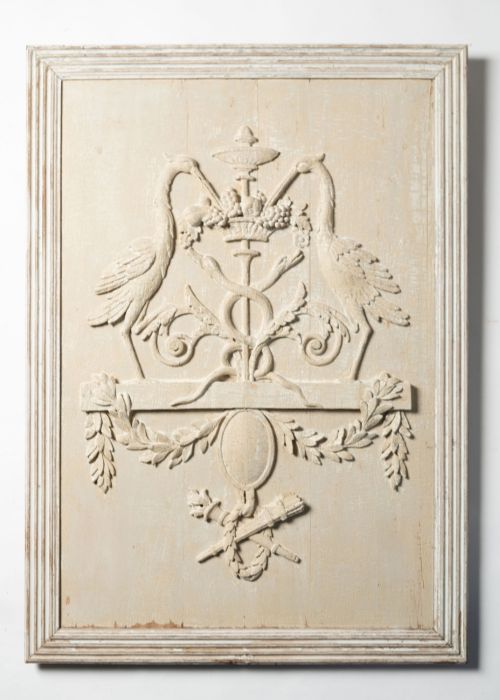
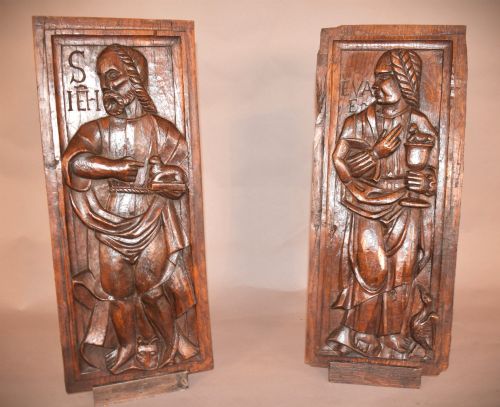
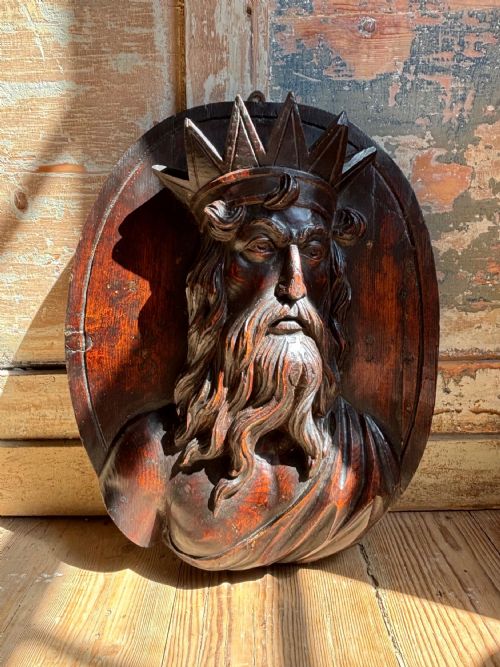
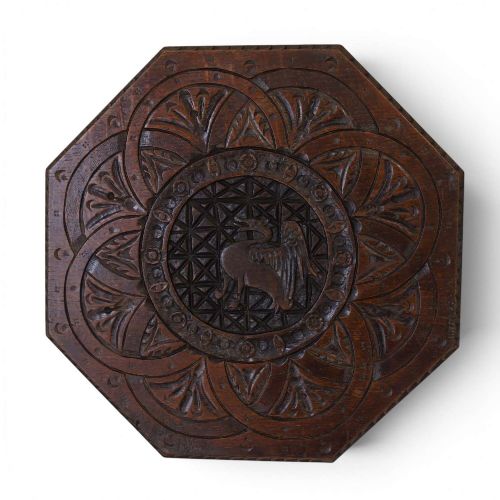
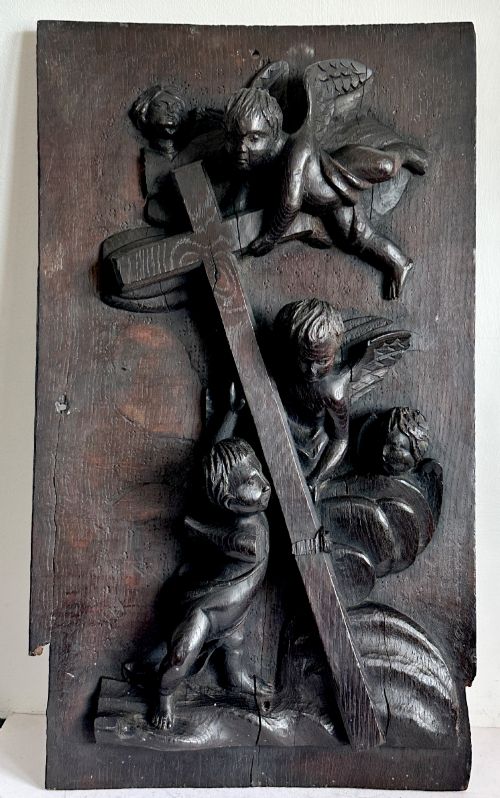
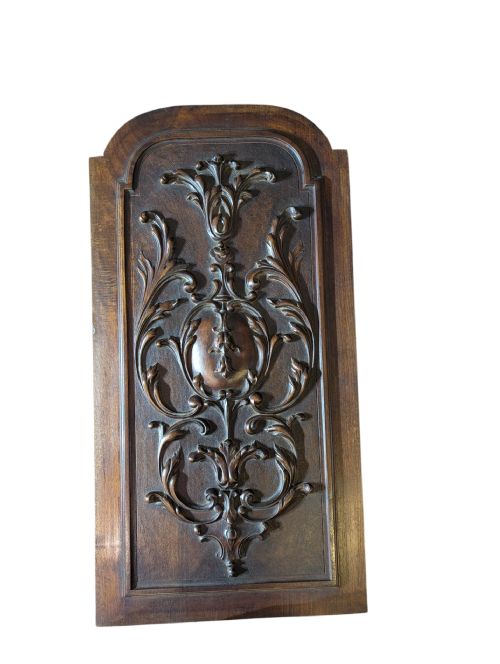
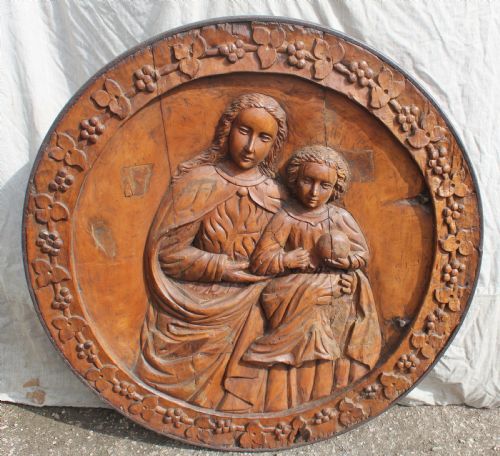
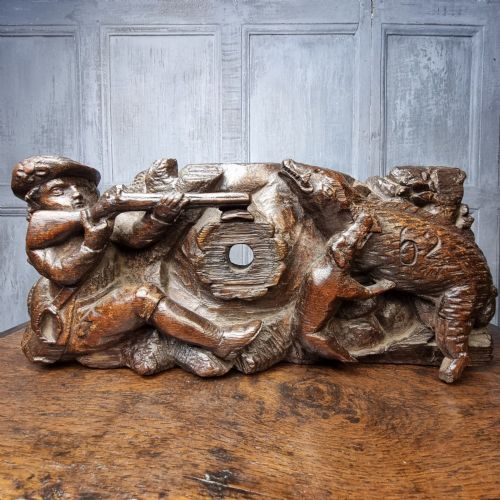
When you search for an antique oak relief plaque, you encounter carved timber panels and wall sculptures sourced from domestic interiors, religious buildings and dismantled furniture. These items span periods from the sixteenth century through to the Victorian era, offering figurative, heraldic and botanical motifs.
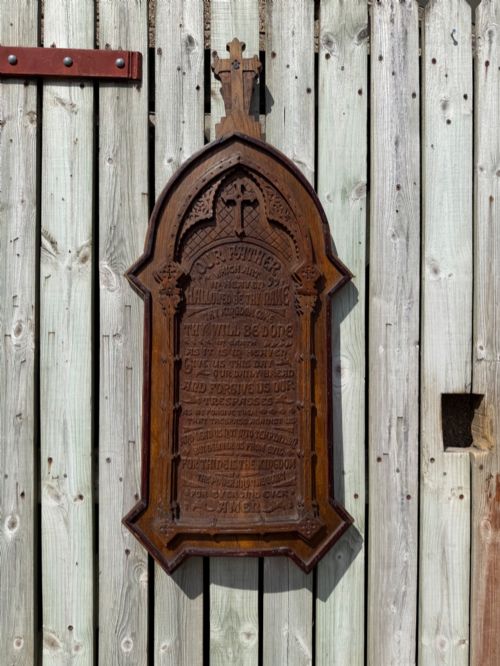
The most common examples on this page are seventeenth-century carved panels featuring deep relief work, alongside nineteenth-century revivals inspired by earlier Gothic and Baroque designs. Pieces range from small armorial plaques to large architectural fragments depicting biblical scenes, allegories and classical figures.
Originating largely from British and continental European workshops, these wall plaques display the distinct regional carving traits of their period. Buyers select them to anchor a room with historic texture, using them as focal points above mantelpieces or mounted directly onto panelled walls.
Evaluating Quality and Execution
Proportion and compositional balance also determine the standing of a piece, particularly in narrative panels depicting human figures or heraldic crests. Early examples with untruncated borders and intact original grounds retain greater artistic integrity than heavily adapted or later assembled fragments.
Periods represented span from the 16th century through the 17th, 18th, and 19th centuries into 1900.
The Antique Oak Relief Plaque Glossary
- Relief
- Sculpture technique where the sculpted elements remain attached to a solid background of the same material. High relief projects significantly from the plane, casting strong shadows.
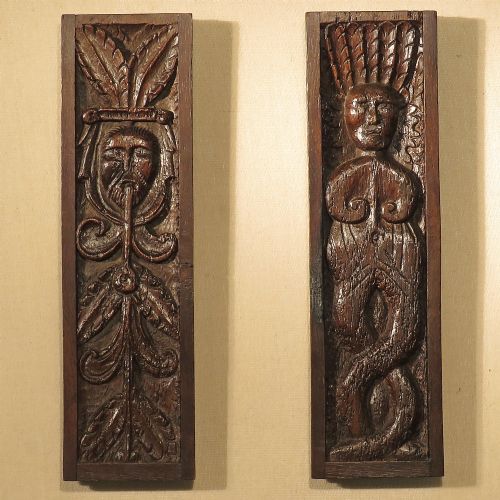
- Green Man
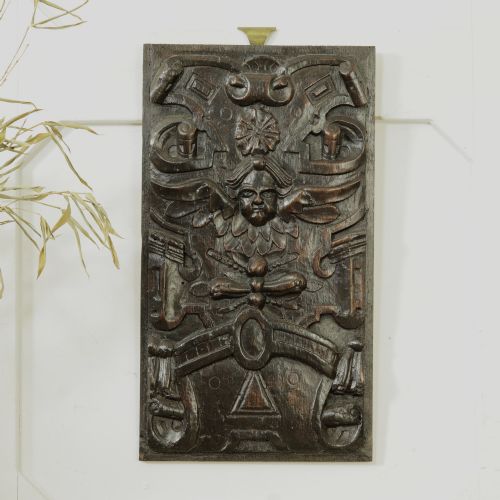
- A decorative architectural motif consisting of a face carved from or surrounded by leaves and vines. It symbolises rebirth and is frequently encountered in early woodwork.
- Acanthus
- A classical ornamentation derived from Mediterranean foliage types, used extensively in Baroque and Renaissance carvings. It appears here in sweeping, curled leaf scrolls.
- Armorial
- Relating to heraldry, family crests and coats of arms. These plaques were often carved to mark lineage, alliances or important properties.
- Baroque
- An artistic style prevalent in the seventeenth century characterised by dramatic movement, rich detail and exuberant ornamentation. In woodcarving, this translates to dynamic, deep-set forms.
Antique Oak Relief Plaque: Frequently Asked Questions
How do I hang a heavy oak relief plaque?
Most substantial wood panels require robust wall fixings anchored directly into masonry or wall studs to support their weight safely. Professional mirror plates or concealed French cleats are typically employed by collectors to mount them securely without damaging the historic timber frame.
Ensure the hanging method accommodates the natural seasonal movement of solid oak as humidity changes throughout the year. Avoid mounting pieces against damp exterior walls where trapped moisture could warp the grain.
How should I clean antique carved wood?
Maintenance requires only a soft, dry bristle brush to gently clear dust from the recesses of the carving. Avoid using modern polishes, water or chemical cleaners that can strip the historic wax and accumulated patina from the oak surface.
Applying a light coat of microcrystalline wax every few years helps protect the timber from drying out. Buff the surface gently after application to maintain a natural, subdued sheen rather than a glossy finish.
How do I tell a seventeenth-century panel from a nineteenth-century copy?
Early panels display distinct hand-tool signatures such as irregular adze marks and pit-saw striations on the reverse. The timber itself shows deep oxidation, shrinkage cracks and dry fibre density characteristic of centuries of ageing.
Nineteenth-century Gothic Revival copies often utilise mechanical preparation methods on the back while mimicking earlier styles on the front. Examining the peg construction and jointing reveals whether the panel is an original architectural fragment or a later pastiche.