
Antique Oak Lamp Stand
An antique oak lamp stand brings solid timber warmth and honest utility to a room, offering a sturdy perch for illumination or display.
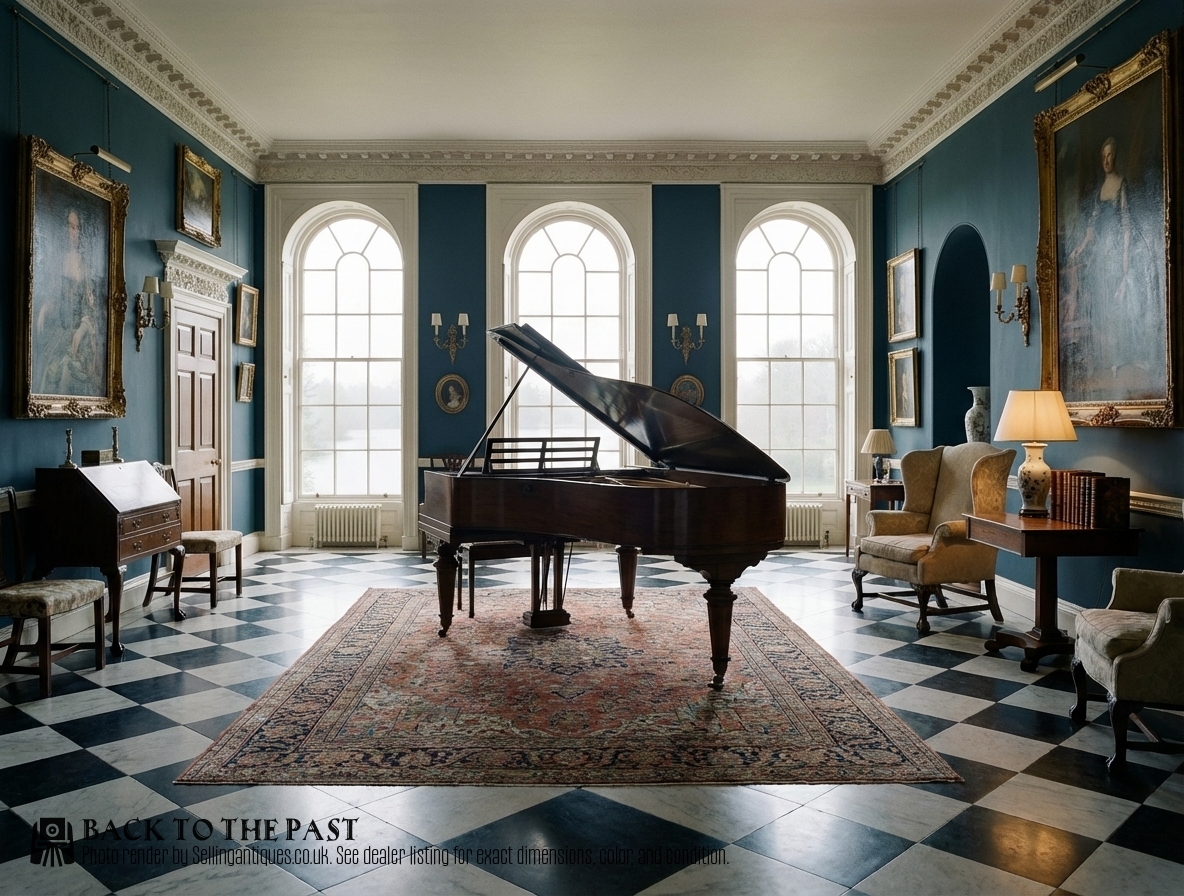
Antique Oak Lamp Stand
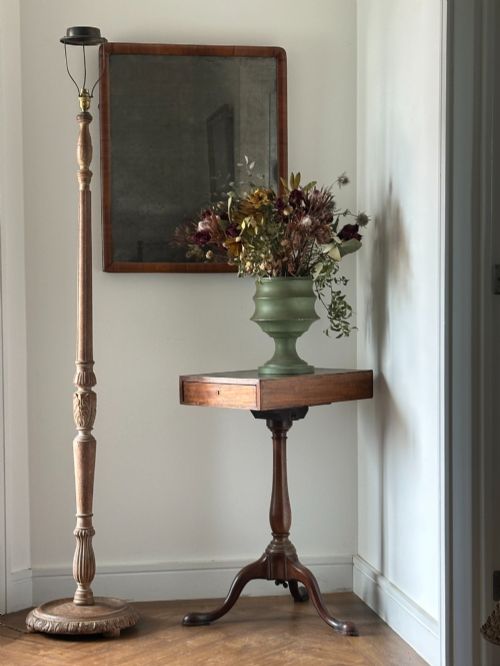
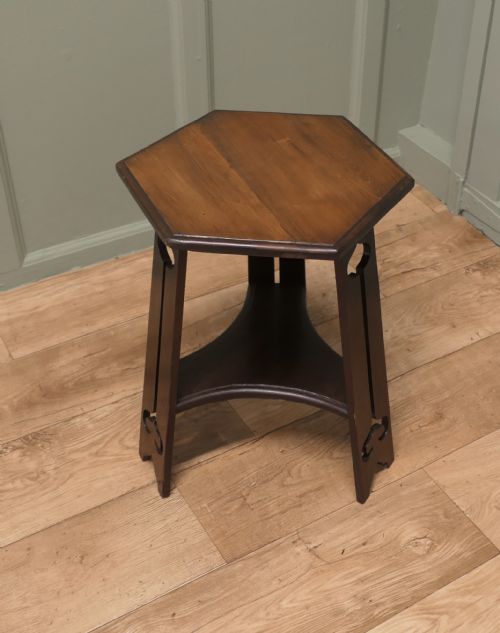
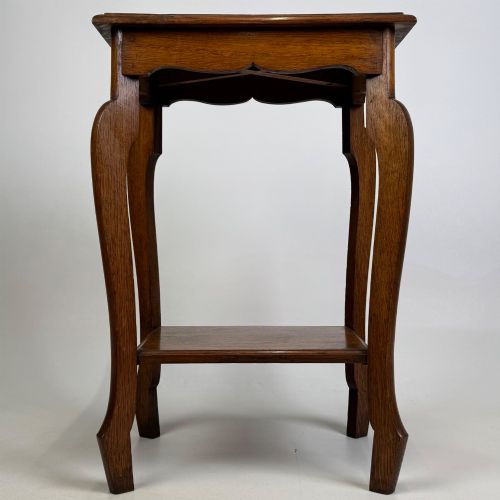
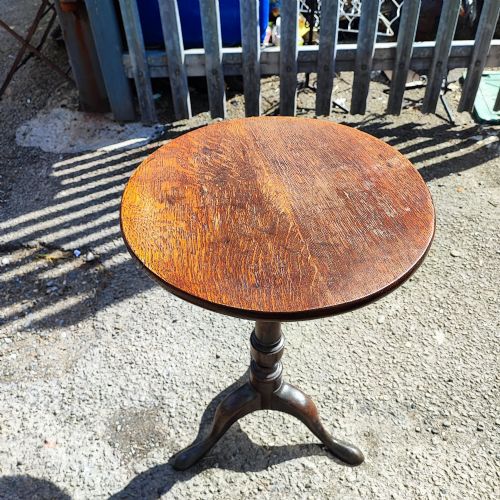
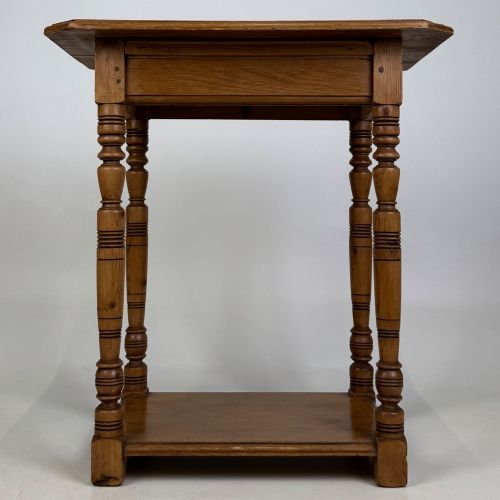
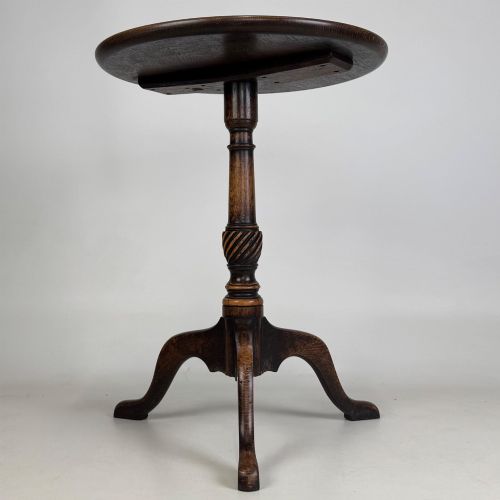
When searching for an antique oak lamp stand, buyers encounter a diverse mix of forms that served domestic life over past centuries. The selection ranges from small tripod tables and torchere stands to dedicated standard lamps and occasional tables adapted for lighting.
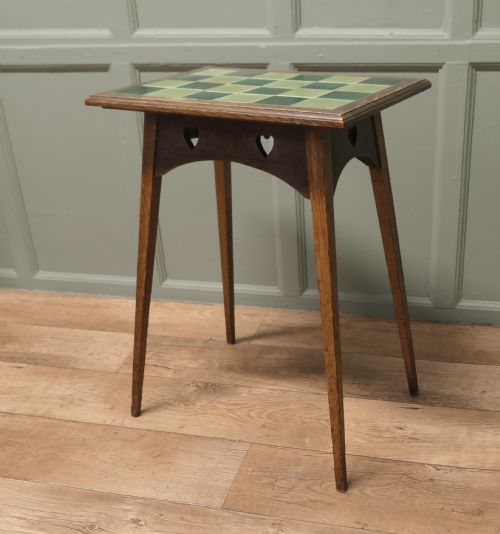
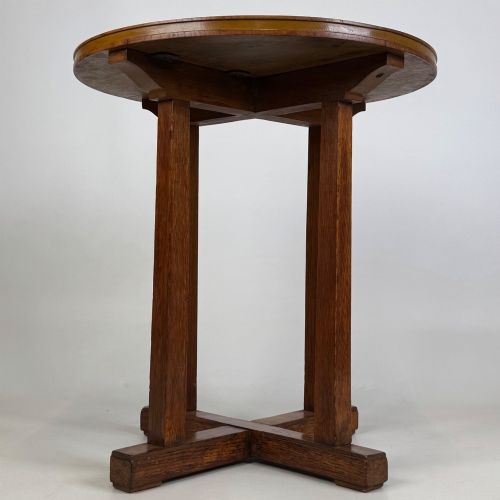
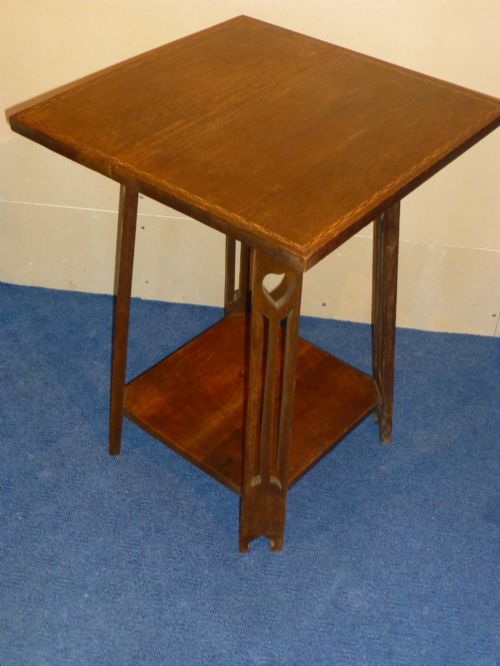
Edwardian and Victorian pieces dominate the selection, alongside items from the Georgian period and the Arts and Crafts movement. These tables and stands utilise solid oak, burr oak, and occasionally incorporate wood inlay or ceramic tiles.
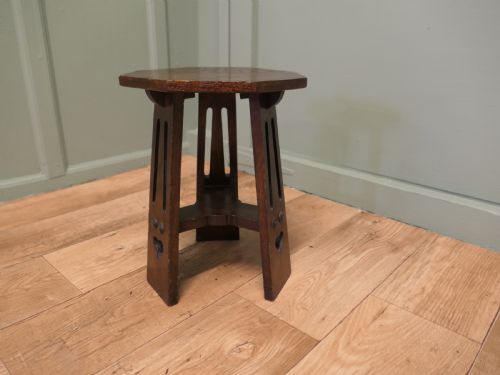
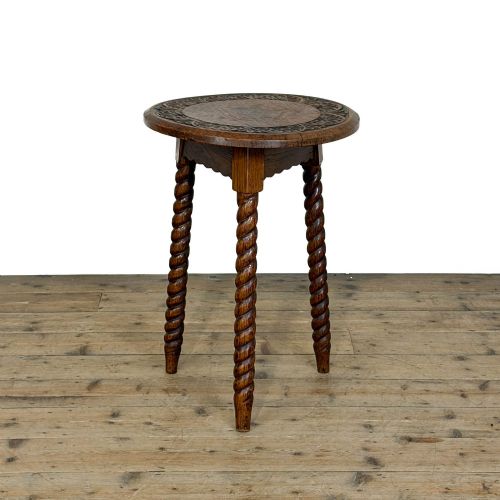
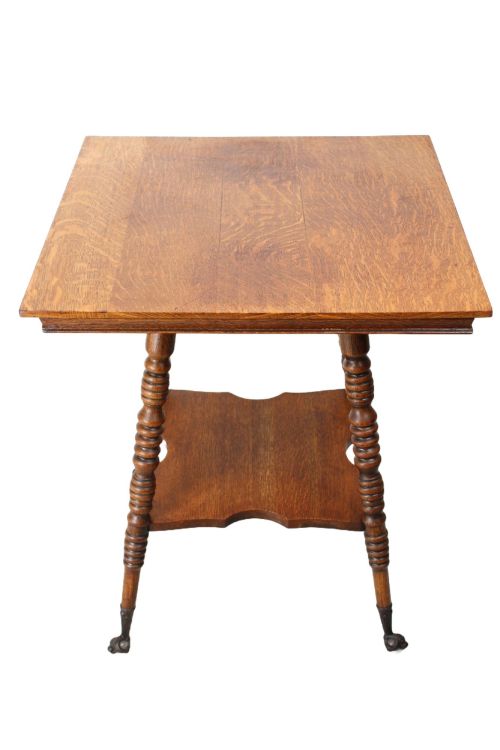
Makers and designers from the Cotswold School and firms such as Liberty of London appear among the offerings. The forms extend from simple round and octagonal occasional tables to barley twist torchere stands and multi-tiered plant stands.
What varies in quality
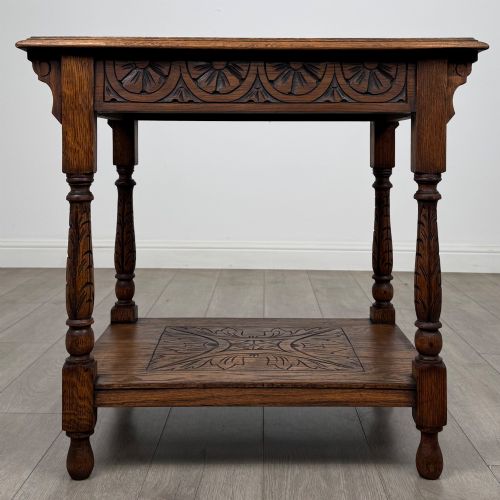
The standard of carving and turning distinguishes simpler utilitarian stands from finer workshop pieces. Hand-carving depth, crispness in barley twist stems, and the selection of figured burr oak timber separate ordinary items from exceptional ones.
Attribution to known makers or design movements elevates the standing of a piece. Original surfaces, unified timber selection across the legs and top, and thoughtful proportions dictate the upper tier of the range.
Several stands double as smokers' stands, ready to hold tobacco jars alongside your reading lamp.
Liberty & Co.·William Birch·Baillie Scott·Heals
The Antique Oak Lamp Stand Glossary
- Torchere
- A tall ornamental stand designed to support a candle, lamp, or vase. These slender stands often feature circular tops supported by carved columns.
- Barley twist
- A type of turning shaped like a spiral resembling a twist of barley. This decorative woodworking technique appears frequently on legs and standards.
- Tripod table
- A small occasional table supported by three legs. This design provides stability on uneven historical floorboards.
- Tilt top
- A tabletop hinged to the pillar so it can pivot vertically when not in use. This mechanism allowed tables to be stored flat against walls.
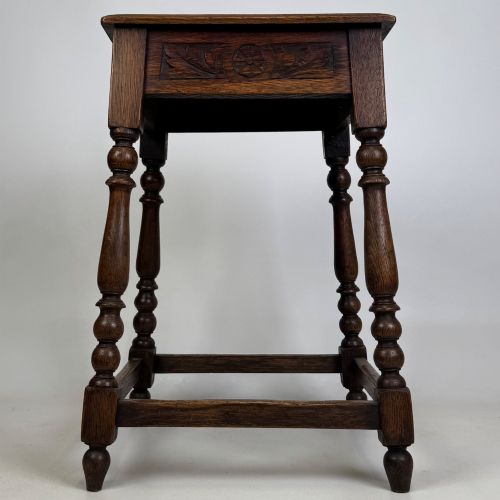
- Joint stool
- A sturdy wooden stool constructed with mortise and tenon joints held together by pegs. These low pieces frequently double as small occasional tables.
Antique Oak Lamp Stand: Frequently Asked Questions
Where should I place an antique oak lamp stand?
These stands suit dark corners, beside armchairs, or near sofas where extra illumination is required. Their compact footprints allow them to fit easily into tight spaces without crowding a room.
Taller torchere styles work well in hallways or beside sideboards. Shorter tripod tables serve effectively as bedside surfaces or impromptu lamp tables.
How do I distinguish an Edwardian stand from a Victorian one?
Victorian examples often display heavier carving, darker finishes, and robust barley twist stems. They reflect a Victorian preference for ornate and solid domestic furnishings.
Edwardian pieces tend to show lighter construction, simpler Arts and Crafts influences, or brighter limed oak surfaces. The proportions become slightly more slender during this period.
Can these stands support modern electrical lamps?
Most standard lamps and occasional tables readily accommodate modern lighting fixtures. The solid oak construction provides a stable base for standard electrical cords and lampshades.
When purchasing a dedicated torchere or standard lamp, check the internal wiring status with a qualified electrician. Many historic pieces have been safely rewired for contemporary use.
What is a tilt top lamp table used for?
A tilt top table allowed historic households to clear floor space when lighting was extinguished for the evening. The mechanism enabled the surface to fold away flat against a wall.
In modern rooms, this feature highlights the clever engineering of earlier periods. Most owners keep the top fixed flat for daily lamp placement.