

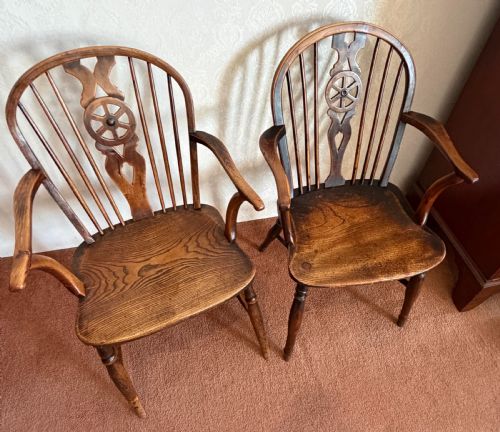
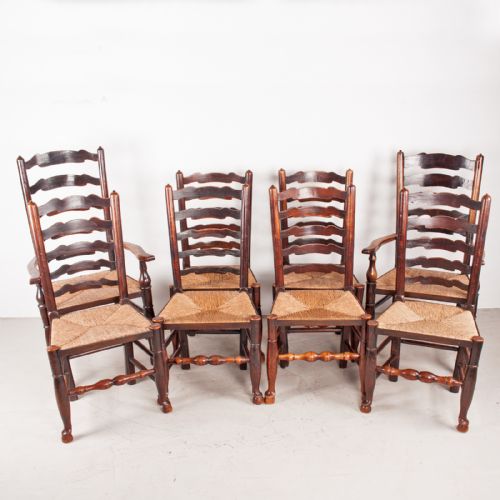


Antique Oak Kitchen Armchair
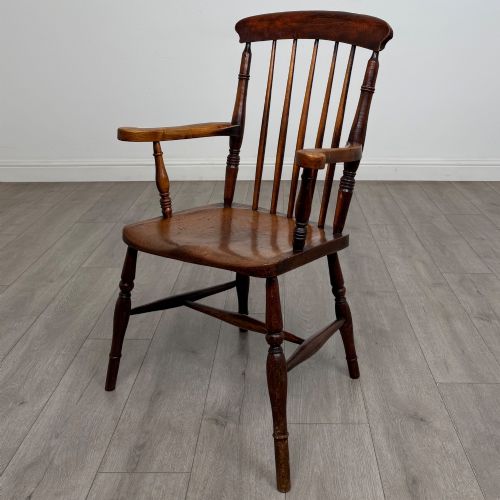
An antique oak kitchen armchair brings solid country craftsmanship and hard-wearing utility straight into a modern interior.
Antique Oak Kitchen Armchair
When you search for an antique oak kitchen armchair, you are looking at sturdy domestic seating built for heavy daily use in traditional households. These pieces span the nineteenth and early twentieth centuries, drawing on regional vernacular traditions from across Britain and beyond.
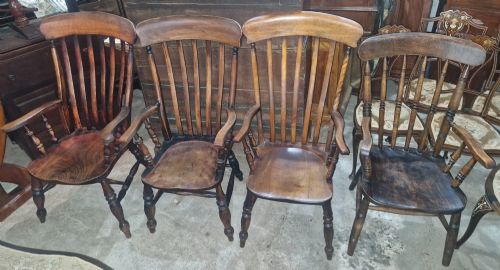
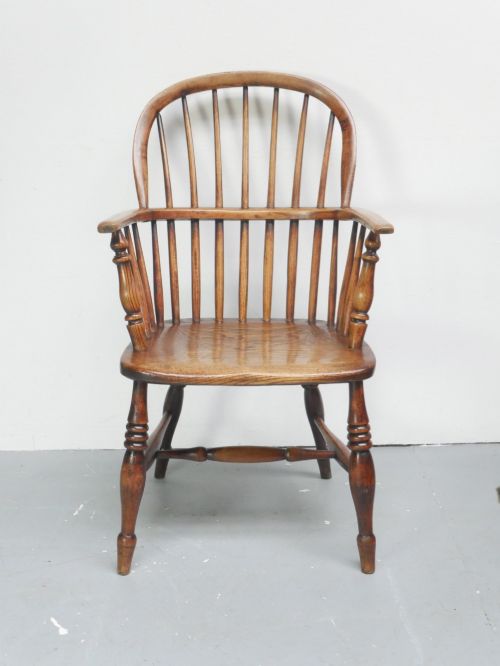
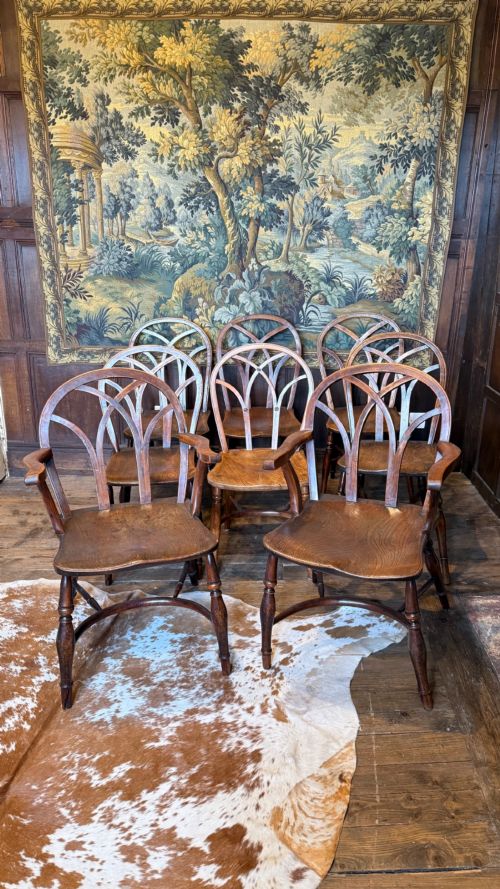
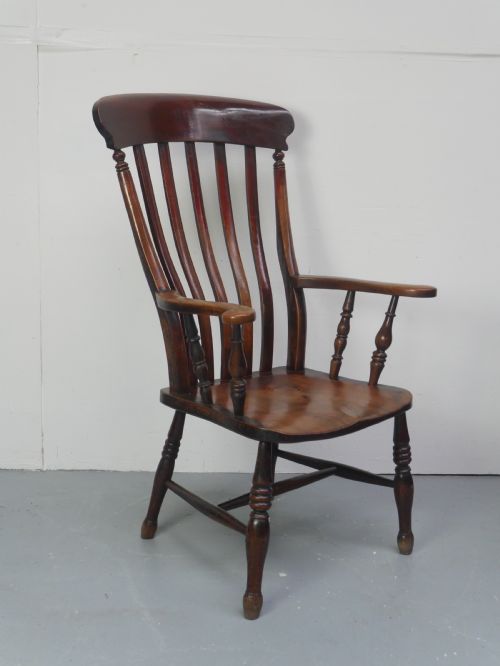
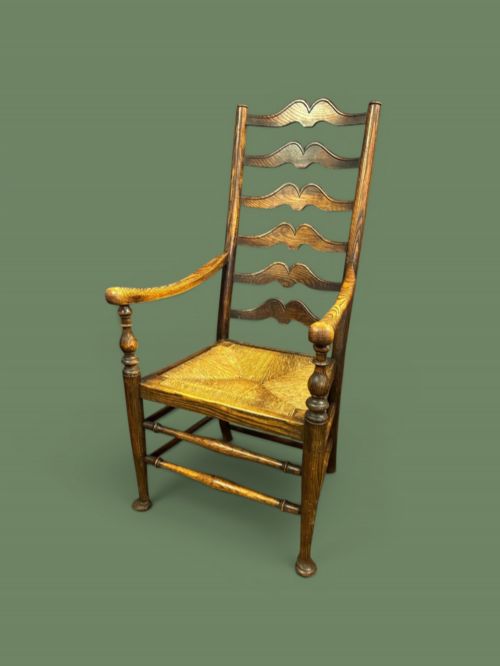
The most common version you will meet on this page is the Windsor form, often featuring stick backs, spindle backs, or slat backs paired with generous timber seats. Alongside these sit ladderback variants and substantial carver chairs designed to pull up to farmhouse tables.
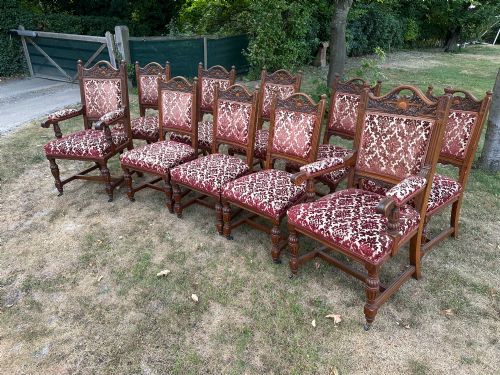
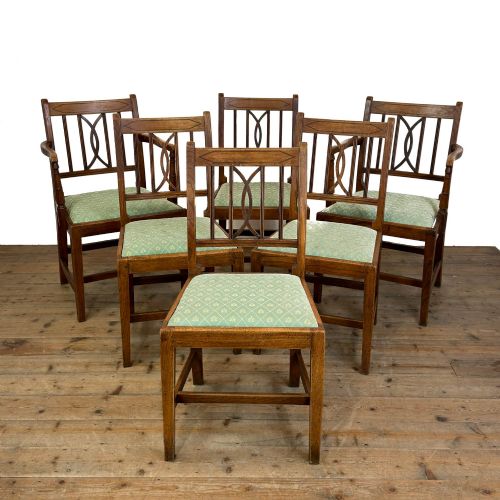
Makers shaped these chairs for function, combining sturdy oak frames with complementary native timbers like elm, beech, and ash for seats and spindles. They turn up individually as reading chairs or as part of larger dining sets gathered over decades.
Materials and construction methods
Cabinetmakers and rural joiners relied heavily on oak for structural frames and undercarriages, utilising its density and strength to support daily wear. Seats were frequently carved from solid elm or fitted with woven rush inserts, balancing rigidity with resilient comfort.
Traditional construction involved steam-bending wood for bows and arm rails, and securing spindles and legs through wedged tenon joints. Secondary timbers such as beech and ash provided tough, straight grain for turned components and uprights.
Listings combine nineteenth-century Victorian forms with Edwardian and early twentieth-century pieces, spanning oak, elm, beech, and rush.
Judging build quality and character
Quality rests in the integrity of the timber and the honesty of the construction, where tighter grain and heavier solid oak sections command attention. Better examples show careful hand-turning on spindles and balanced proportions that support upright posture without feeling cumbersome.
The passage of time leaves evidence through surface wear, where depth of colour and authentic patination distinguish pieces kept in continuous use from dry or heavily restored alternatives. Well-preserved joints and minimal replacement timber maintain the structural honesty expected in country seating.
The Antique Oak Kitchen Armchair Glossary
- Windsor chair
- A wooden chair built with a heavy solid wooden seat into which the legs and back spindles are separately bored and wedged. This method creates a sturdy, resilient frame without relying on traditional box stretchers.
- Stick back
- A chair back constructed from plain, turned wooden rods inserted directly into the seat and top rail. These simplified supports define utilitarian country seating.
- Rush seat
- A seating surface woven from dried marsh rushes around a wooden frame. This technique yields a flexible, supportive platform common in traditional ladderback chairs.
- Carver
- An armchair designed to match a set of dining chairs, traditionally placed at the head of a table. These pieces feature integrated armrests for added comfort during long meals.
- Patina
- The surface sheen and colour acquired by wood through decades of handling, polishing, and light exposure. It serves as a visual indicator of age and genuine use.
Antique Oak Kitchen Armchair: Frequently Asked Questions
How do I spot a true Windsor chair?
A true Windsor chair is built around a thick solid wooden seat that anchors the legs below and the back spindles above. This central plate gives the chair its distinct structural identity.
Look for shaved or saddled seats shaped for comfort, combined with steam-bent back rails and visible wedged tenon joints on the upper surface.
Were these chairs meant for the kitchen?
These armchairs were built for heavy daily service in farmhouses, cottages, and domestic kitchens. Their robust timber construction handled constant movement and demanding environments.
Over time, owners also moved them into parlours, hallways, and reading corners as versatile seating options.
How do I care for an antique oak chair?
Keep wooden chairs away from direct heat sources and rapid temperature changes to prevent the oak and elm from drying out or splitting. Consistent indoor humidity protects the original joints.
Apply a traditional wax polish occasionally to nourish the surface and maintain the natural patination built up over generations.
Can I mix these armchairs with modern tables?
Kitchen armchairs work well around modern dining tables due to their honest materials and straightforward architectural forms. Their neutral oak and elm tones blend easily with various interior styles.
An armchair placed at the end of a table adds visual weight and breaks the uniformity of standard side seating.