


Traditional Oak Fireside Chair
A traditional oak fireside chair brings solid regional character and low-slung comfort to a room, drawing on centuries of domestic vernacular woodworking.
Traditional Oak Fireside Chair
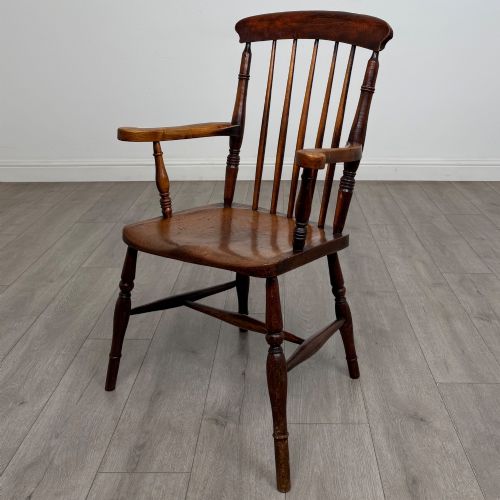
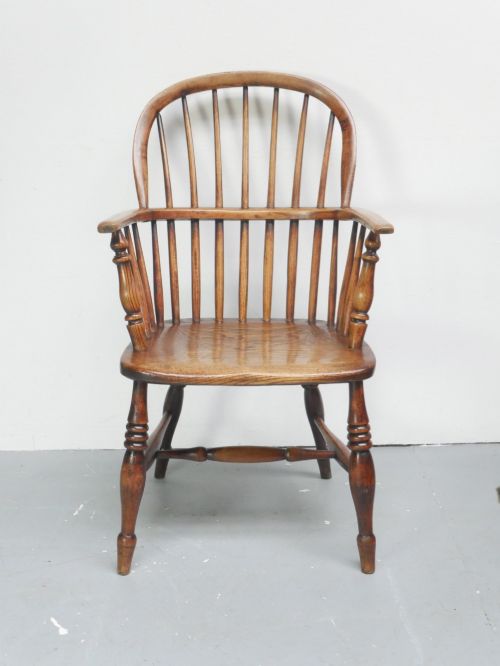
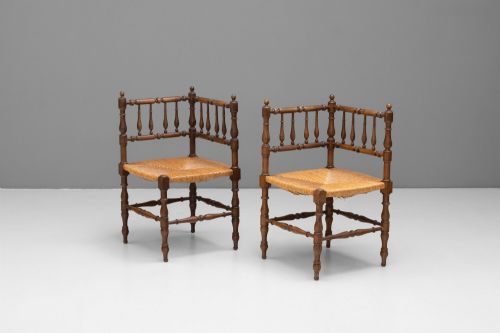
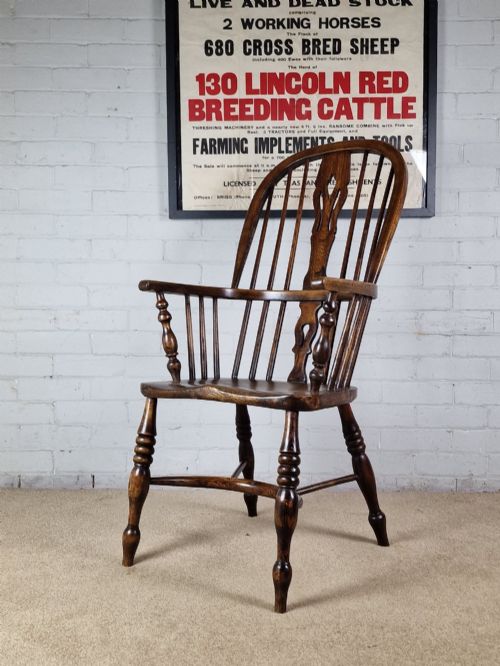
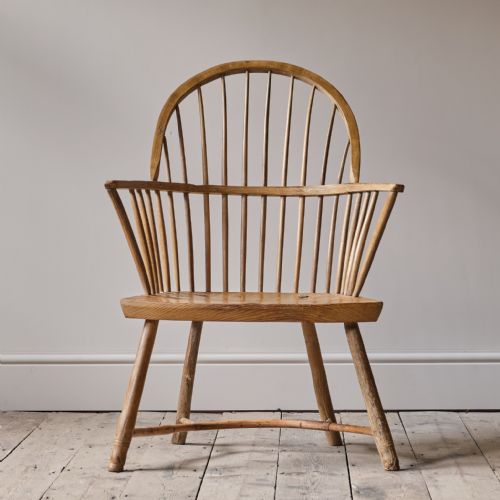
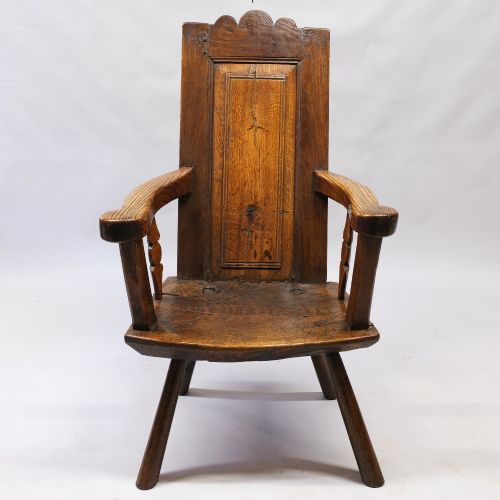
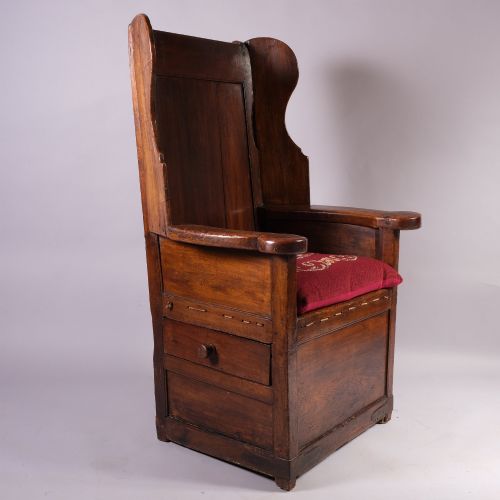
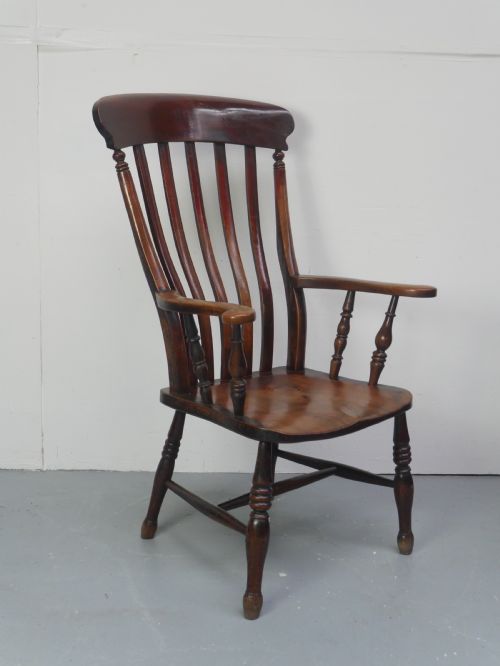
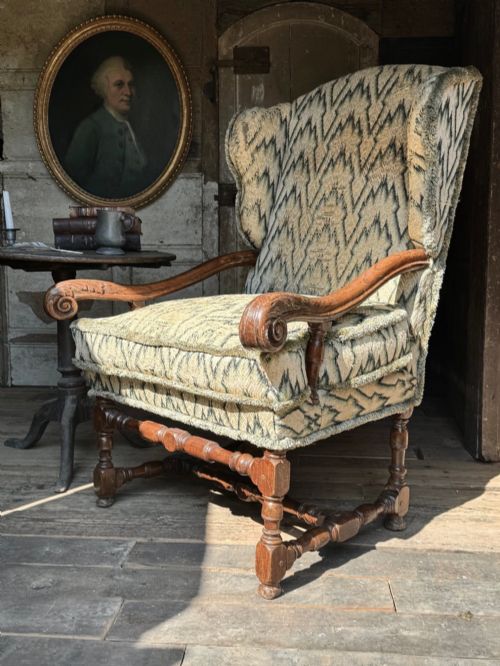
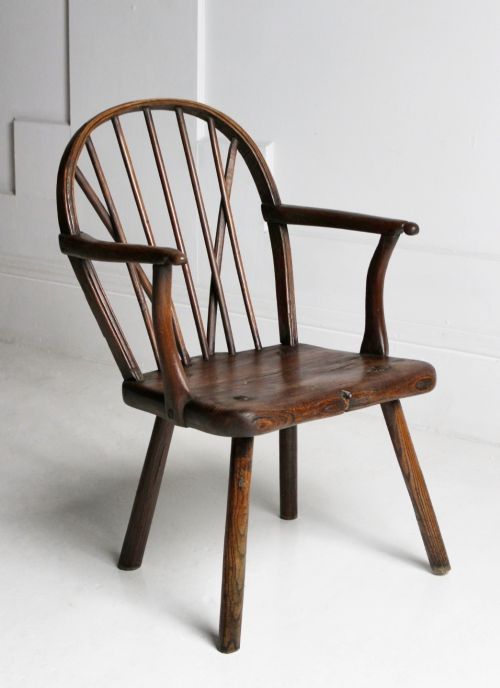
When you search for a traditional oak fireside chair, you encounter a diverse selection of regional seating built to withstand daily domestic use. The pieces span from the 18th century through the Victorian era and into the early 20th century, covering forms such as Windsor armchairs, wingbacks, ladder backs, and lambing chairs.
The most common examples on this page are sturdy Windsor chairs and vernacular armchairs featuring stick backs, hoop backs, or slat backs. These low, welcoming seats were designed to sit close to the hearth, offering sturdy wooden frames or upholstered additions suited for sitting by the fire.
How they were made
The construction relies heavily on native hardwoods, combining oak frames with seats typically turned from elm or reinforced with ash and beech components. Traditional bodgers and regional joiners utilised sturdy pegged joints, turned spindles, and steam-bent components to shape hoop backs and comb backs without metal fasteners.
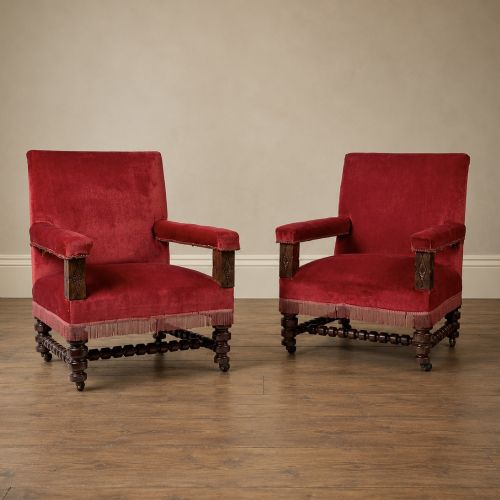
Many examples incorporate secondary materials such as leather, rush, and fabric for upholstery or seating pads, alongside brass tacks and hardware. The finish depends entirely on the timber's natural grain, developed through decades of friction and wax polish rather than heavy synthetic varnishes.
Materials span solid oak, elm, ash, and beech, frequently paired with rush seating, leather upholstery, and red velvet.
What varies in quality
Quality in these vernacular chairs rests upon the integrity of the timber selection and the retention of original structural components. Chairs fashioned with thick, uncompromised elm seats and tightly pegged joints demonstrate superior cabinetmaking compared to examples with replaced spindles or heavily sanded surfaces.
The distinction between a standard workshop product and a finer regional piece lies in the balance of the proportions and the cleverness of the turning. A well-proportioned Windsor or wingback maintains a harmonious relationship between the arm supports, the rake of the legs, and the sculptural curve of the crest rail.
The Traditional Oak Fireside Chair Glossary
- Windsor chair
- A chair built with a solid wooden seat into which the back and legs are separately bored and wedged. This regional form evolved numerous local variations across England, including hoop backs and comb backs.
- Lambing chair
- A high-backed upholstered or paneled armchair featuring solid sides designed to shield the occupant from cold drafts near an open hearth. These specialised seats date back to the 18th century.
- Vernacular
- An architectural and woodworking term describing objects made by local craftspeople to solve practical daily needs using regional traditions rather than high-style academic designs.
- Spindleback
- A chair back constructed from a series of turned vertical wooden rods or spindles set between a top rail and the seat. This lighter construction method became popular in vernacular farmhouse seating.
- Slat back
- A chair featuring wide, flat vertical wooden slats fitted into the back frame instead of turned round spindles. This format appears frequently in 19th-century regional seating.
Traditional Oak Fireside Chair: Frequently Asked Questions
What is a vernacular chair?
A vernacular chair is a piece made by local regional makers who followed traditional local patterns rather than fashionable urban styles.
These pieces emphasise practical construction and regional character using available woods like oak, elm, and ash.
How do I identify a Windsor chair?
A Windsor chair is defined by its thick solid wooden seat, which serves as the central anchor where the legs and back sticks are independently inserted.
Look for distinct regional variations in the crest rail, arm shapes, and whether the back uses hoops, sticks, or slats.
Where were these chairs used?
These chairs were primarily made for domestic use in farmhouses, cottages, and country homes, positioned directly beside the hearth for warmth.
Their low profiles and sturdy builds made them practical everyday seating for kitchens, parlours, and firesides.
How do I care for antique oak?
Antique oak benefits from occasional applications of traditional beeswax to nourish the dry timber and maintain a soft natural sheen.
Keep these wooden chairs away from direct heat sources and drastic humidity changes to prevent the timber from splitting.