





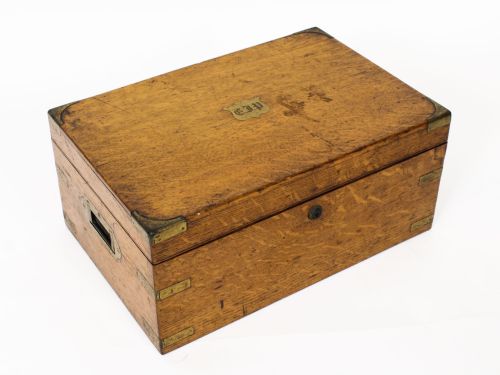
Antique Oak Humidor
An antique oak humidor holds the rich aroma of old tobacco while sitting firmly in the room as a piece of functional social history.
Antique Oak Humidor
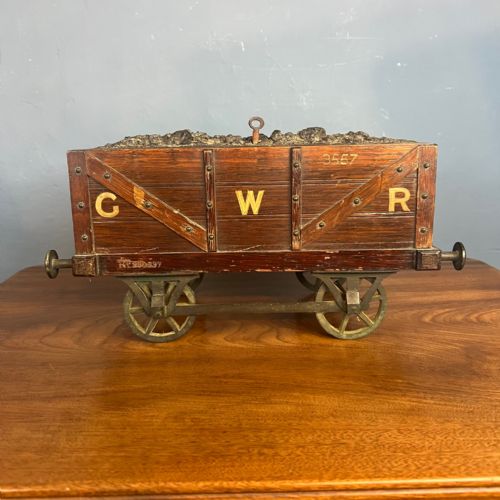
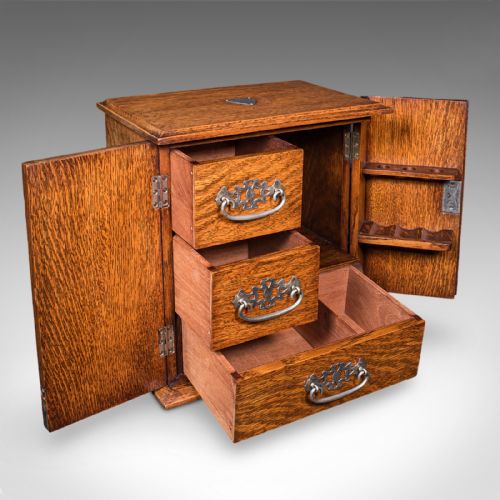
The antique oak humidor brings together the robust craftsmanship of the Victorian and Edwardian periods with the social rituals of the smoking room. Buyers encounter various forms here, ranging from simple tabletop cigar boxes to elaborate smoking cabinets and novelty pieces shaped like railway coal wagons.
Most examples date from the late nineteenth century through to the nineteen-twenties, reflecting a time when tobacco storage required serious cabinetry. The domestic smoking cabinet and the desktop cigar box dominate the selection, often fitted to hold pipes alongside cigars.
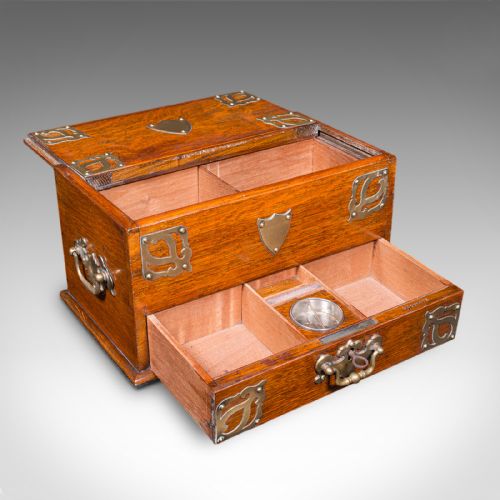
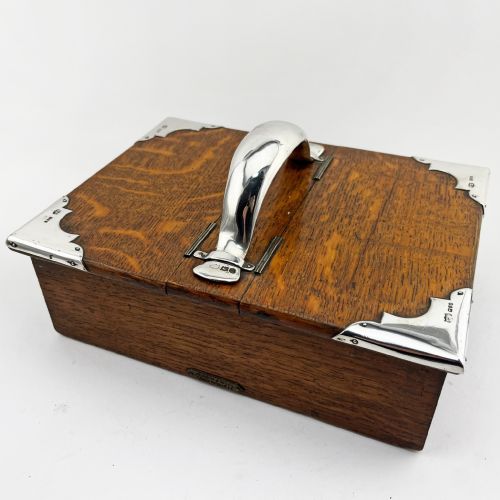
Makers utilised dense timbers and fitted interiors to keep tobacco fresh, resulting in survivors that range from plain, brass-bound boxes to grander pieces incorporating crystal decanters and silver mounts.
How they were made
Makers relied on solid oak, including golden and pollard varieties, to build the heavy frames necessary to protect delicate interior cedar linings and stored tobacco. This timber was frequently enhanced with brass banding, cast iron details, or applied sterling silver mounts.
Internal construction often featured fitted compartments, glass panels, and tambour doors that slid smoothly within tracks. Metalwork fittings such as hinges, carrying handles, and lock plates were robustly cast and screwed into the hardwood body.
Antique Oak Humidor Retail Price Guide 2026
Typical asking prices for oak humidor among the pieces listed under this phrase on Sellingantiques today, from the lower quarter to the upper quarter. They describe what is for sale here now, not the wider market.
Listings feature oak, brass, sterling silver, glass, and cast iron across Victorian and Edwardian periods.
What varies in quality
Quality rests in the integrity of the cabinetwork and the weight of the metal mounts rather than surface decoration alone. Better examples display tight joints in the oak, unwarped lids, and sophisticated internal mechanisms like automated lifting trays or secure locks.
The integration of precious materials sets finer pieces apart, such as heavy sterling silver mounts bearing clear hallmarks or cut glass decanters housed securely within tantalus sections. Poorer execution shows in loose hinges, dried-out internal linings, and clumsy repairs to the timber.
Mappin and Webb·H Greaves
The Antique Oak Humidor Glossary
- Humidor
- A specially designed box or cabinet intended to store cigars at a controlled humidity. These containers often feature interior linings of aromatic wood to preserve the tobacco.
- Tantalus
- A locking beverage cabinet that displays decanters behind a wooden bar while preventing access without a key. In hybrid pieces, this mechanism accompanies the cigar storage.
- Sterling silver
- A silver alloy containing ninety-two point five percent pure silver by mass, frequently used for the decorative corners, escutcheons, and mounts on Edwardian boxes.
- Pollard oak
- Oak timber taken from trees that have been pollarded, producing a highly figured grain with clusters of small knots. Cabinetmakers prized this timber for its decorative mottled appearance.
Antique Oak Humidor: Frequently Asked Questions
How do I date an oak humidor?
Dating relies on examining the style of the hardware, the construction methods used on the oak carcass, and any silver hallmarks or registration numbers. Victorian pieces frequently display heavy brass banding or novelty forms, while Edwardian examples often incorporate cleaner lines or silver mounts.
Marks left by makers or retailers on locks and mounts also help narrow down the decade of manufacture between eighteen eighty and nineteen twenty.
How were smoking cabinets used?
Smoking cabinets and desktop boxes served as secure storage for cigars, loose tobacco, and pipes in gentlemen's clubs and private homes. They kept the contents organised and protected from dust and overly dry air.
Many designs included built-in ash trays, matchbox holders, and lockable doors to keep valuable tobacco products away from household staff or children.
Can I still store cigars inside?
While many historical humidors retain their original cedar or wood linings, antique boxes may no longer maintain the tight humidity seals required for long-term cigar preservation today. Changes in wood over a century can let air pass through the joints.
Collectors generally treat them as decorative display pieces or use modern humidification inserts with care if the interior seal remains intact.