

Antique Oak Framed Art
When you search for antique oak framed art, you are looking at centuries of craftsmanship where timber meets canvas, paper and panel.
Antique Oak Framed Art
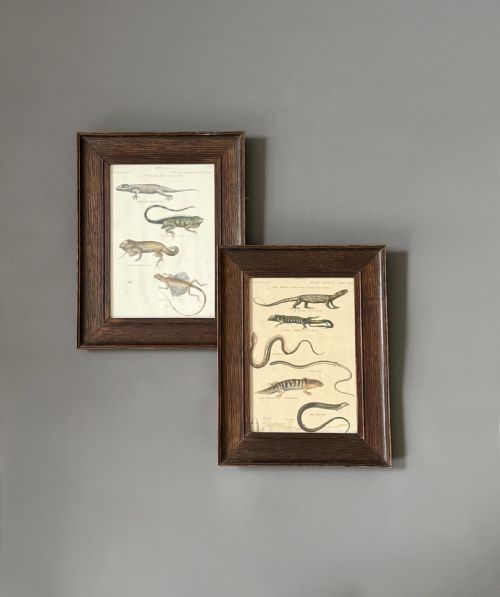
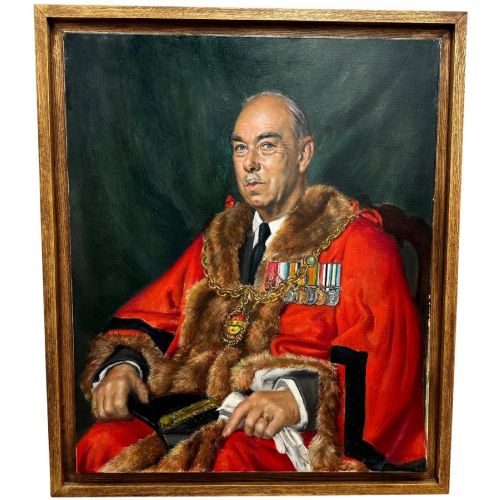
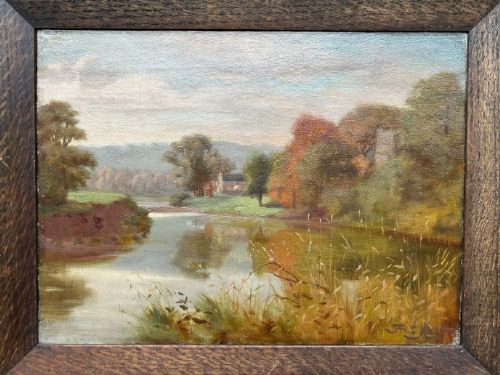
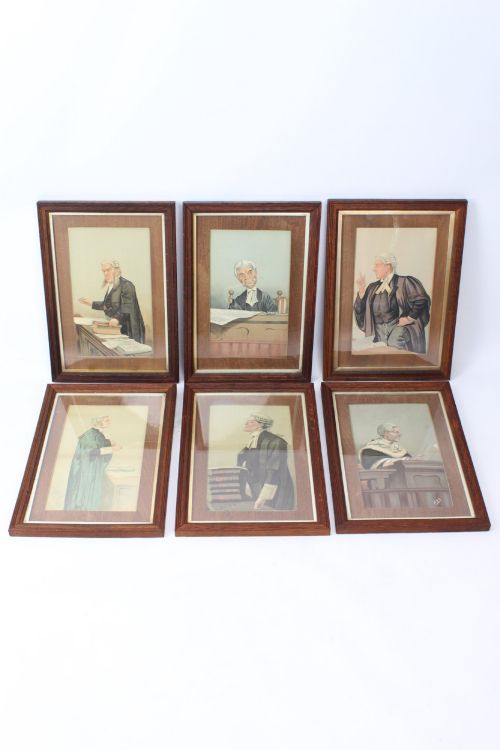
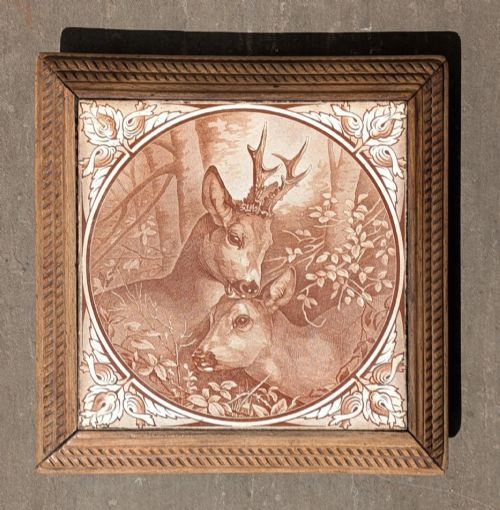
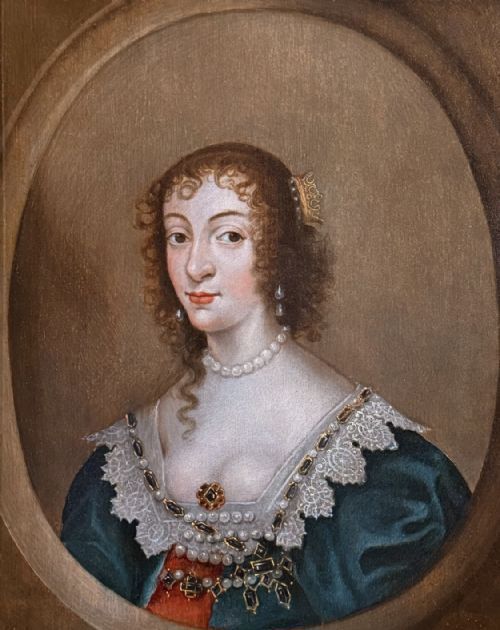
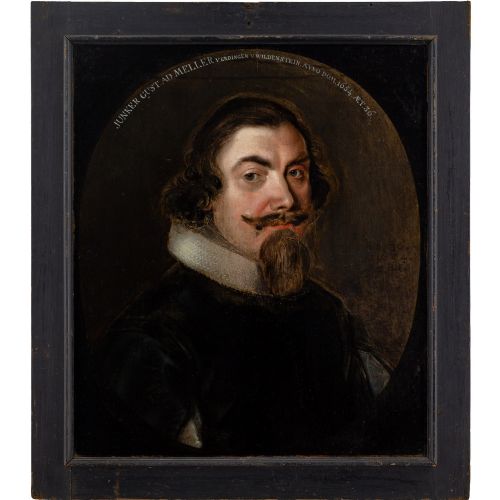
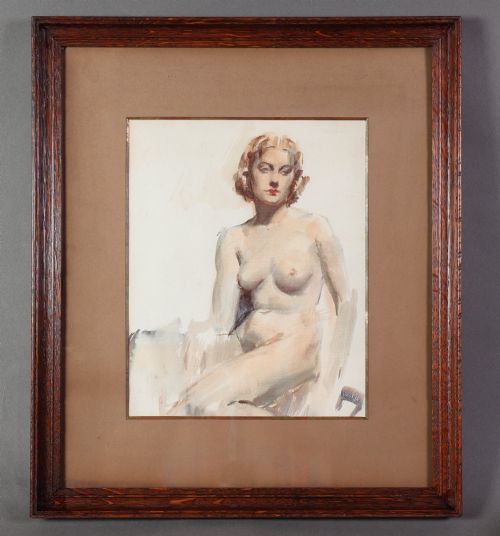
When you search for antique oak framed art, you encounter a diverse collection of wall art, oil paintings, watercolours, prints and engravings housed within wooden surrounds. These pieces span multiple centuries, ranging from seventeenth-century oil panels and seventeenth-century portraits to Victorian seascapes and early twentieth-century watercolours.
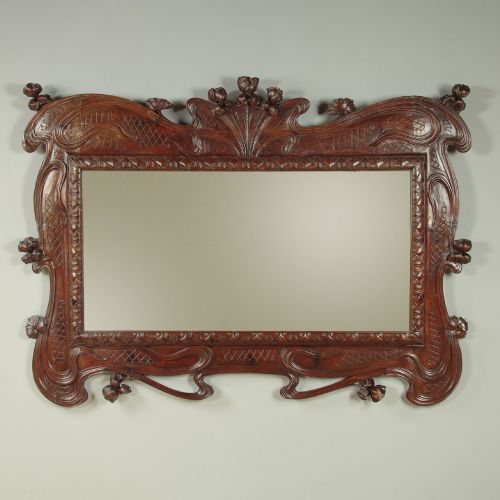
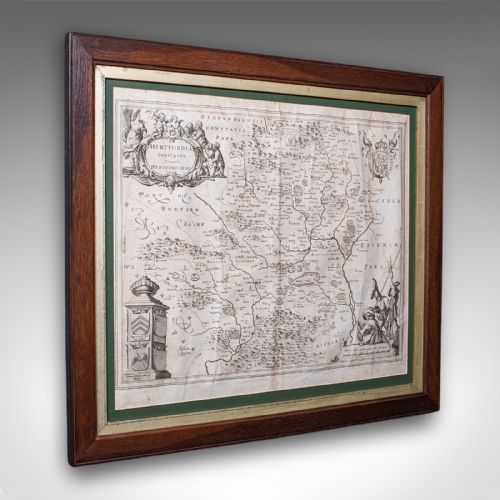
The objects on this page reflect various artistic movements, including Arts and Crafts, Art Nouveau, Art Deco, Gothic Revival and twentieth-century realism. Alongside traditional paintings on canvas and board, the selection includes cartography, charcoal drawings, gouache works and photogravures.
Buyers seeking antique oak framed art will find that the frames themselves often match the era of the artwork, utilising timber moulded, carved or polished to house the composition securely. The inventory bridges formal portraiture, landscape studies, maritime scenes and decorative prints.
Factors influencing quality
Quality in these pieces rests upon the skill of the artist and the integrity of the framing partnership. Original works by listed artists or identifiable schools command attention through disciplined brushwork, proportion and tonal balance.
The construction of the oak frame itself dictates a level of distinction, where hand-carved detailing, period-appropriate joinery and surface preservation elevate the object beyond mass-produced alternatives. The harmonious relationship between the artwork and its wooden border determines the overall standard.
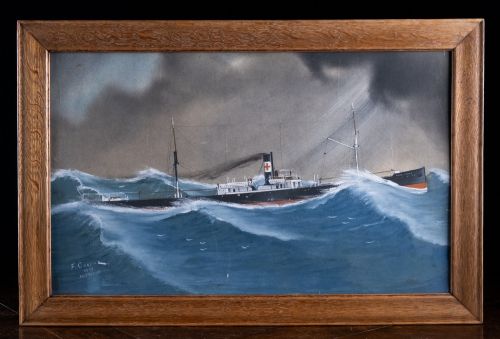
Several pieces capture maritime history, including a steamship navigating off the coast of Italy and a blue cross steamer weathering a storm.
Bernard Hailstone·Frederick Marriott·Michelangelo Meucci·T B Hardy·Herbert Dicksee·Henry Martin Pope·David Roberts·Louis Haghe
The Antique Oak Framed Art Glossary
- Oak
- A durable hardwood characterised by a visible, open grain that was widely utilised for sturdy furniture and protective picture frames across multiple centuries.
- Canvas
- A heavy woven fabric stretched across a wooden stretcher frame to serve as a primary support for oil paintings.
- Gouache
- An opaque water-based medium that produces flat, vibrant colour fields and was frequently employed for twentieth-century landscapes and maritime scenes.
- Engraving
- A printmaking technique where an image is incised into a metal plate, allowing multiple impressions to be transferred onto paper.
- Stumpwork
- A raised form of embroidery popular in the seventeenth century, creating three-dimensional textile art featuring figures and motifs.
Antique Oak Framed Art: Frequently Asked Questions
How do I date an oak frame?
Dating an oak frame involves examining the joinery, backboards, and tooling marks visible on the timber. Hand-cut mitres and traditional corner blocks generally point towards earlier craftsmanship.
Changes in moulding profiles and finishing techniques across the Victorian and Edwardian eras also help establish a reliable timeframe for the piece.
Are the frames original to the artwork?
Many pieces retain their original frames, particularly when the proportions, wood patina and mounting style match the period of the artwork. Framing styles often evolved alongside artistic movements like Arts and Crafts.
Matching wear patterns between the artwork and the timber surround often indicate that they have remained together since creation.
How should I care for antique oak frames?
Antique oak frames require stable indoor humidity and protection from direct sunlight to prevent the timber from drying out or splitting. Gentle dusting with a dry, soft cloth preserves the surface finish without stripping natural oils.
Avoid using modern liquid polishes or chemical cleaners, which can damage aged wood and compromise any applied wax or polish.
What is the difference between an oil painting and a print?
An oil painting is a unique, hand-painted artwork created directly on canvas, wood panel or board using pigment suspended in oil. Brush texture and impasto are typical characteristics of these original works.
Prints and engravings are mechanical or hand-pulled reproductions on paper derived from an initial plate, block or photographic source.