



Vintage Soldier Portrait
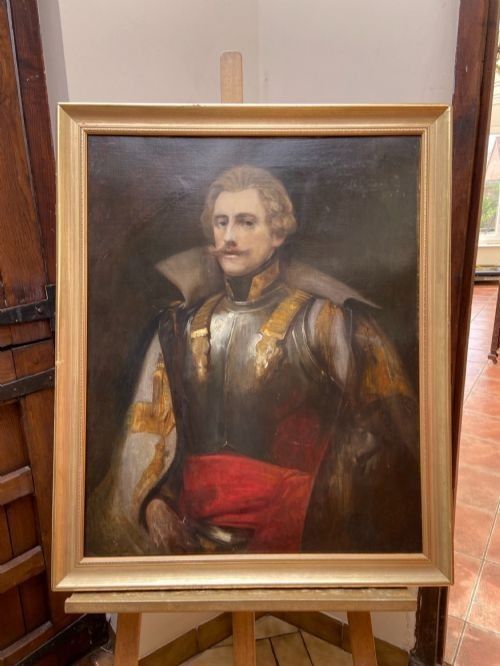
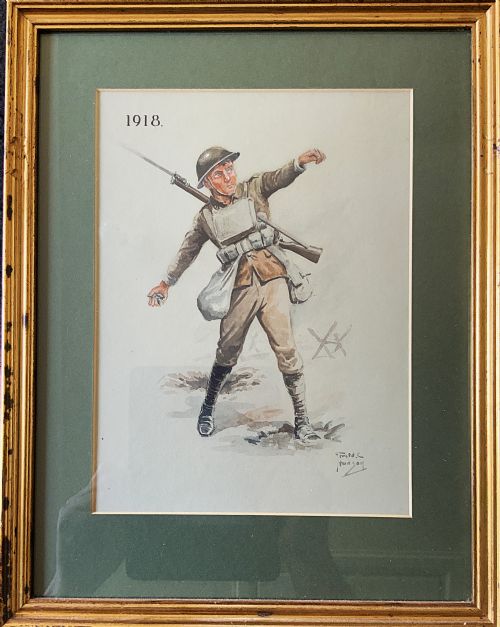
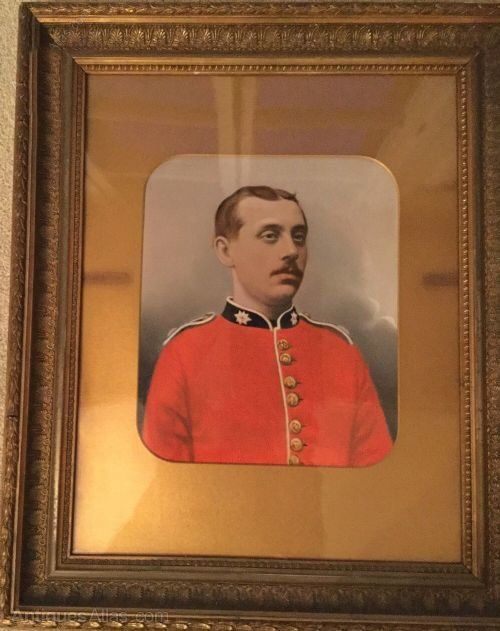
A vintage soldier portrait captures an individual military figure in watercolour, oil or pencil, offering a direct window into past conflicts and personal histories.
Vintage Soldier Portrait
When you search for a vintage soldier portrait, you encounter framed artwork, wall art and paintings depicting military personnel from various eras. These pieces range from detailed watercolour and wash studies to oil paintings on board and canvas.
The selections span multiple periods, most frequently showing early twentieth century, First World War and Second World War subjects. You also find nineteenth century examples alongside occasional depictions of earlier historical figures like seventeenth century cavaliers.
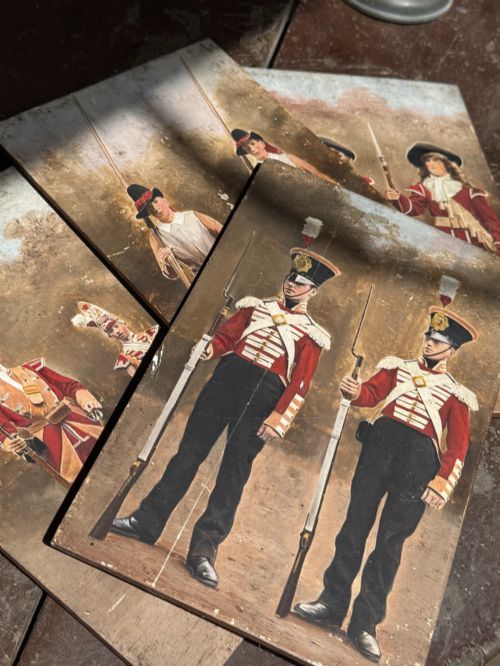
Forms include single framed portraits, painted wooden panels and porcelain wall plaques. Some pieces present formal military commissions while others offer intimate sketches of soldiers in uniform.
How they were made
Artists utilised traditional media such as oil, watercolour, pencil and pastel applied to canvas, paper, wood panel and board. These materials reflect the standard practices of military artists and portraitists working in the field or studio.
Frames typically consist of oak or gilt wood, often glazed with glass to protect the delicate paper works and watercolours. Panel paintings on wood frequently incorporate fitted wooden surrounds or mountings.
Vintage Soldier Portrait Retail Price Guide 2026
Typical asking prices for vintage soldier portrait among the pieces listed under this phrase on Sellingantiques today, from the lower quarter to the upper quarter. They describe what is for sale here now, not the wider market.
Listings feature paper, wood, glass, watercolour, canvas, oil, oak and gilt wood across multiple centuries.
What varies in quality
The distinction between standard works and finer pieces rests upon the artist's ability to capture likeness, expression and uniform detail with precision. Signed works and dated studies by recognised artists generally demonstrate superior draughtsmanship.
Condition of the surface medium, whether oil, watercolour or pastel, influences the visual impact. Well-preserved paper under glass and stable oil on canvas or panel retain their original clarity far better than compromised examples.
G Hindle·Frederick Gore CBE RA
The Vintage Soldier Portrait Glossary
- Watercolour
- A painting method where fine pigment is suspended in water-based solution, commonly applied to paper. It allows for translucent washes and delicate detail in military uniform studies.
- Gilt Wood
- Timber treated with gold leaf or metallic gold paint for a decorative finish. Frames made from this material frequently surround fine art portraits.
- Cavalier
- A horse soldier or cavalryman from the seventeenth century, often depicted in historical revival artwork. These subjects appear in period paintings and watercolours.
- Panel
- A flat piece of wood used as a rigid support for oil or painted artwork. Panels provide a durable surface alternative to stretched canvas.
Vintage Soldier Portrait: Frequently Asked Questions
What periods do these portraits cover?
The available selection spans several centuries, ranging from eighteenth century depictions through nineteenth century realisms to twentieth century wartime pieces. You will encounter works produced during specific conflicts alongside historical revival pieces.
Creators utilised various styles typical of their era, including Edwardian approaches and early twentieth century techniques. This diversity allows collectors to focus on particular historical campaigns or artistic movements.
What materials appear in these works?
Artists employed paper, canvas, wood panels and board as primary supports for their compositions. Pigments and drawing media include oil paints, watercolours, pencil, wash and pastel.
Display housings frequently incorporate glass protection alongside timber frames. Each combination reflects the prevailing artistic methods of the portrait's creation date.
Are these portraits signed by artists?
Certain pieces feature visible signatures or attribution details inscribed by the creator. Signed watercolours and dated oil paintings provide clearer provenance for collectors.
Unsigned works also appear frequently, representing anonymous military documentation or studio output. Both categories offer distinct insights into historical portraiture traditions.