

British Rural Landscape Painting
When you search for british rural landscape painting, you encounter visions of fields, rivers, and cottages captured by artists across the nineteenth and twentieth centuries.
British Rural Landscape Painting
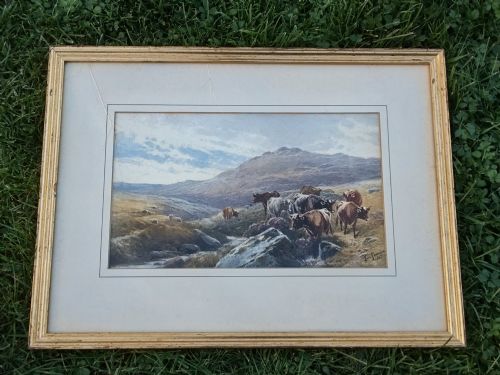
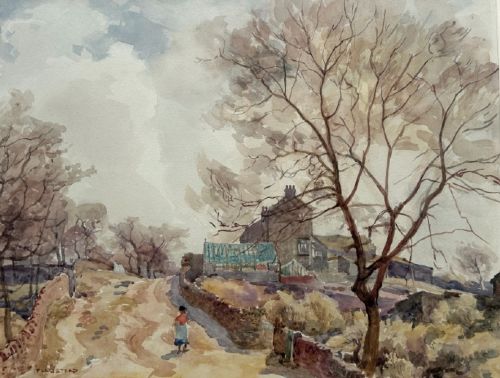
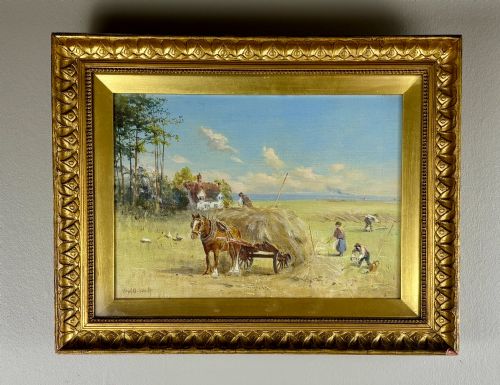
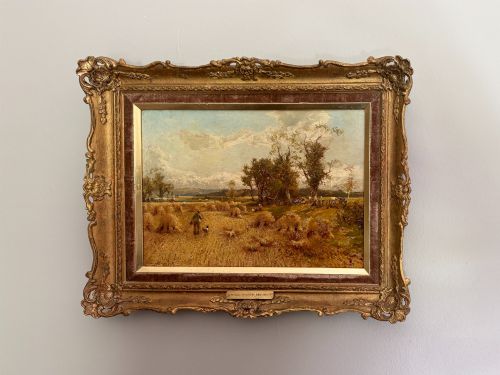
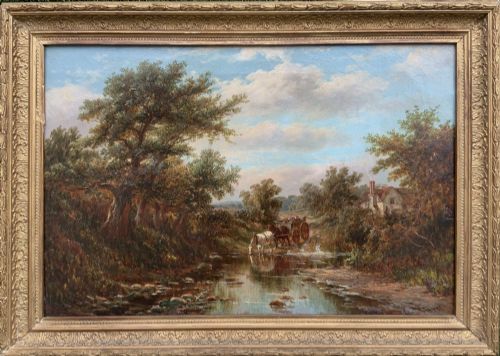
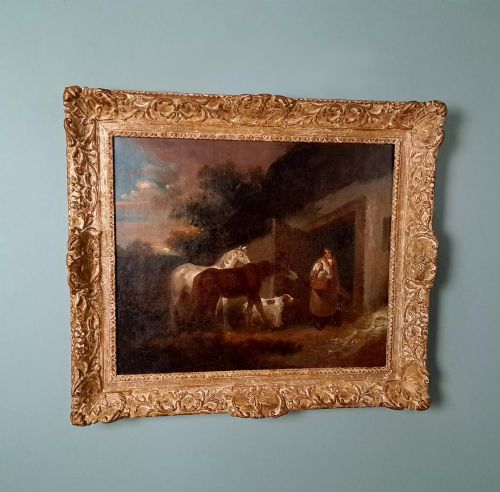
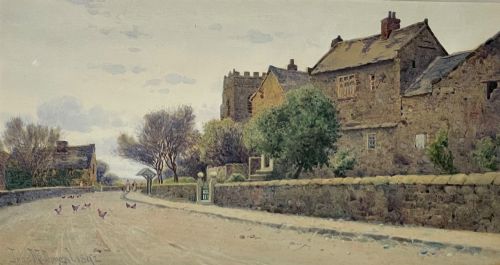
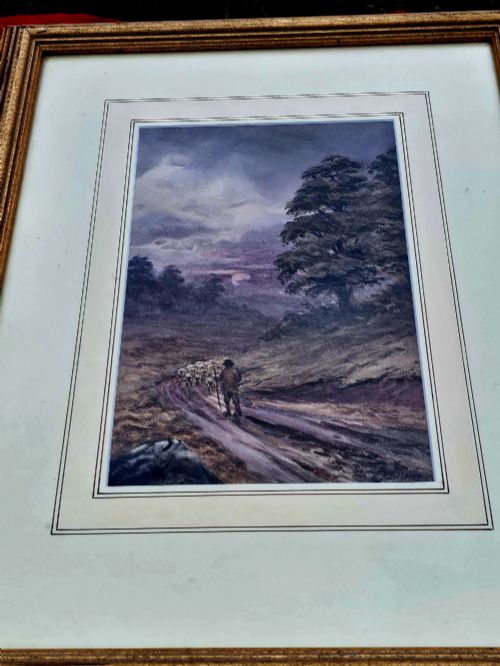
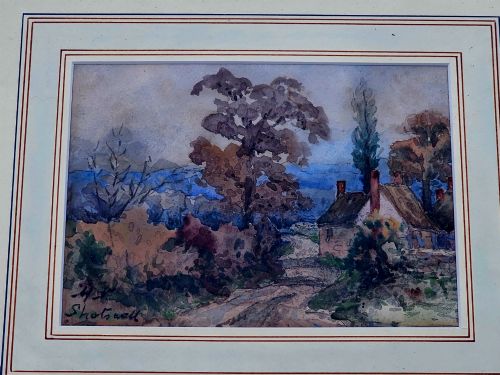
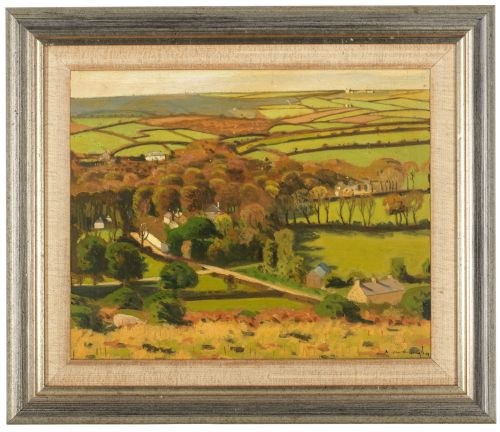
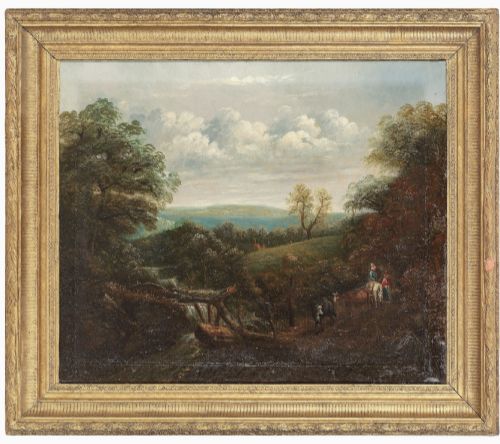
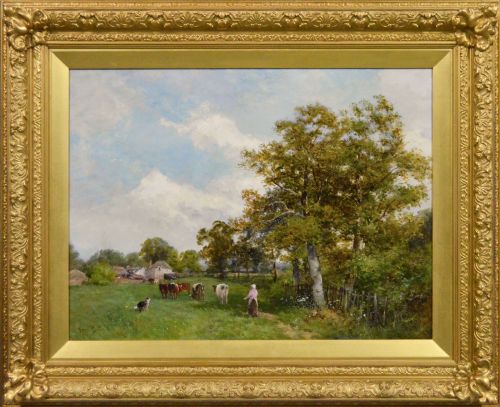
A british rural landscape painting depicts the countryside, encompassing agricultural fields, winding rivers, country paths, and pastoral farmyards. These works serve as a visual record of rural life, often featuring figures herding sheep, harvesting crops, or tending to livestock.
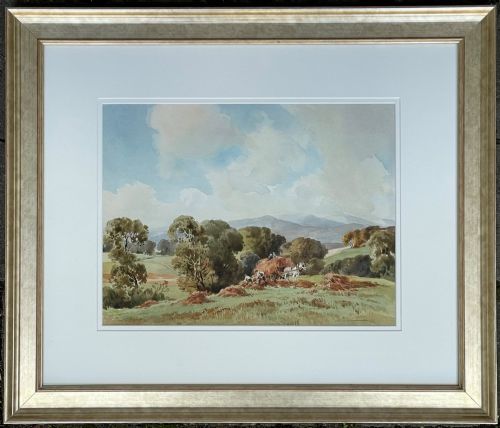
The pieces available span from the Victorian and Edwardian eras into the early twentieth century, including mid-century examples. You will frequently encounter watercolours on paper alongside oil paintings executed on canvas, wood panels, or boards.
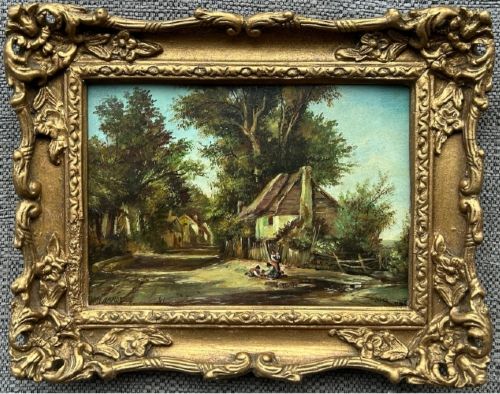
Many of these artworks are tied to specific regional locations across Britain, capturing identifiable villages, dales, and coastal countryside. They range from intimate watercolours to substantial framed oil paintings created by both named artists and the broader British School.
Materials and technique
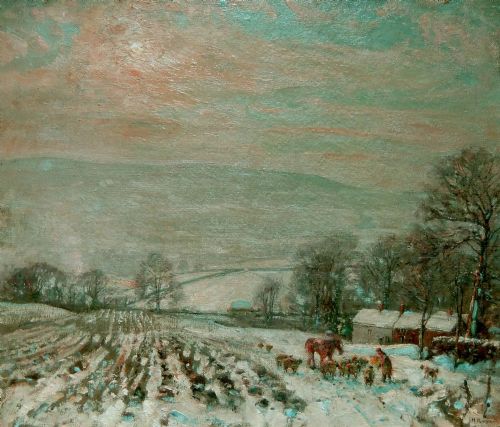
Artists painted primarily with oil paint on stretched canvas, wooden panels, or boards, or applied watercolours onto paper. These mediums allowed painters to capture varying atmospheric effects, from bright afternoon sunlight to winter snow scenes.
Paintings were typically finished with protective frames made of wood, often complementing the style of the period. Pigments were brushed with varying degrees of texture, showing both smooth academic application and the looser strokes characteristic of British impressionist influence.
Regional depictions span Yorkshire, Cornwall, Dorset, and Wales, recording agricultural life, rivers, and country cottages.
Factors of distinction
Quality rests upon the artist's ability to handle light, atmosphere, and natural perspective within the composition. Works by established regional painters or members of recognised schools demonstrate a surer command of tone and detail than anonymous studio pieces.
The preservation of the pigment and the integrity of the original support, whether canvas or paper, influence the visual impact of the artwork. Framed pieces that retain their period character without excessive overpainting or restoration stand higher in the range.
George Graham·Percy Lancaster·William Howard Hardy·William Joseph Shayer Senior·John McDougal·EJ Letheren·Herbert Royle·Robert Morson Hughes·David Bates·Robert John Hammond·Walter Heath Williams·John Horace Hooper·Raymond Booth·Eric Brown·Ernest Higgins Rigg·George Oyston·Frederick James Kerr·William Greaves·Frederick Hines·Sydney Yates Johnson·Owen Bowen·Edgar Woollatt·Oswald Garside·Harry Freckleton·Henry Charles Fox
The British Rural Landscape Painting Glossary
- Watercolour
- A painting method where fine pigment is suspended in a water-based, translucent solution applied to paper. It was widely used for plein-air sketching and finished countryside views.
- Panel
- A rigid wooden support used by artists instead of canvas. Wooden boards and panels were common bases for rural oil paintings during the nineteenth and early twentieth centuries.
- Barbizon influence
- An artistic approach originating from the French school that emphasised direct observation of nature and tonal harmony. This style shaped how many British landscape painters rendered rural light and shadow.
- Provenance
- The documented history of a painting's ownership and origin. Studio sales and exhibition records help confirm the authenticity and background of regional British works.
- Impressionism
- A style characterised by visible brushstrokes and an emphasis on the shifting qualities of light. British practitioners applied these techniques to domestic fields, coastal scenes, and agricultural valleys.
British Rural Landscape Painting: Frequently Asked Questions
What periods do these paintings come from?
The available works primarily date from the nineteenth and twentieth centuries, spanning the Victorian and Edwardian periods through the 1920s and 1930s. Artists working during these decades recorded changing agricultural practices and rural scenery across Britain.
You will find pieces marked by distinct historical movements, including late nineteenth-century realism and early twentieth-century British impressionism. Dates are often recorded through signatures, exhibition labels, or documented artist lifespans.
How were these landscape artworks displayed?
These paintings were traditionally framed in wood to protect the edges of the canvas or paper and to complement domestic interiors. Many retain their original or period-appropriate frames which match the aesthetic of the era in which they were painted.
Framing styles varied from simple mouldings to more ornate gilded designs, depending on the scale and ambition of the artwork. Collectors generally keep these historical frames to preserve the complete presentation of the piece.
Where did the artists find their subjects?
Painters travelled across British counties such as Yorkshire, Cornwall, Dorset, and Cheshire to capture local farms, villages, and coastal views. Rural industries, including hay harvesting, sheep driving, and fishing, provided recurring motifs for their compositions.
Many works document specific rural landmarks, such as country paths, village cottages, and riverbanks. This regional focus means paintings often carry local historical significance alongside their artistic value.
How do I distinguish watercolours from oil paintings?
Watercolour paintings are executed on paper, often displayed behind glass to protect the delicate water-based pigments from moisture and dust. They typically feature transparent washes of colour that allow the texture of the paper to show through.
Oil paintings utilise thicker paint applied to canvas, wooden panels, or boards, creating visible texture and rich colour depth. These works are rarely glazed, allowing the distinct finish of the dried oil paint to remain exposed.