
Antique Oak Folk Art
These pieces of antique oak folk art are utilitarian household objects shaped by hand, offering a direct link to domestic history.
Antique Oak Folk Art
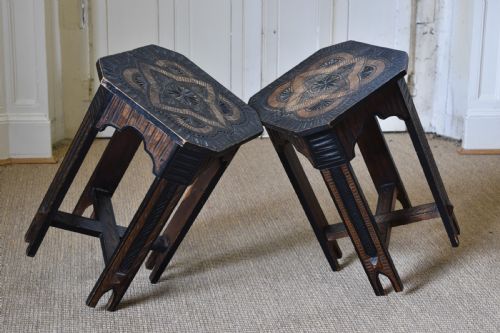
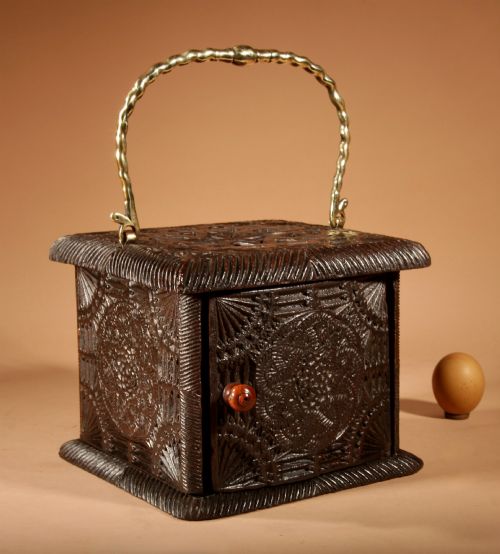
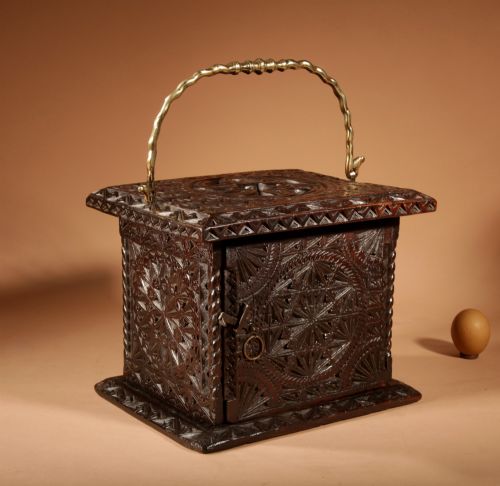
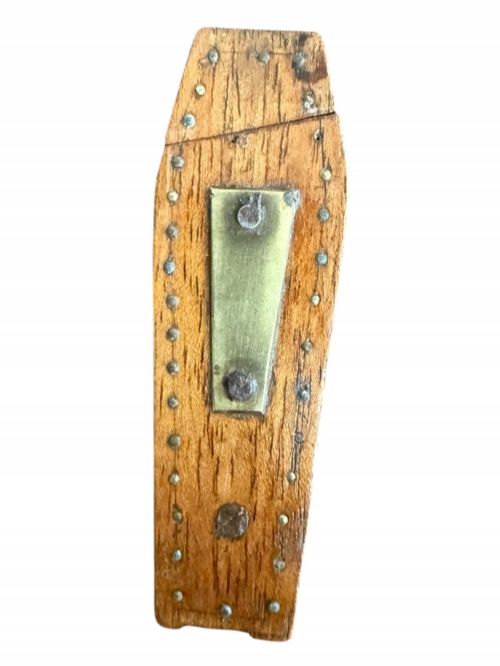
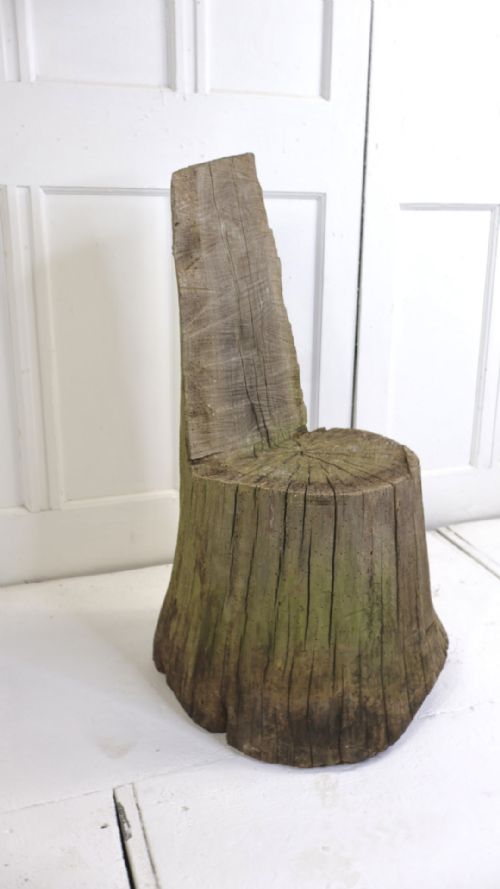
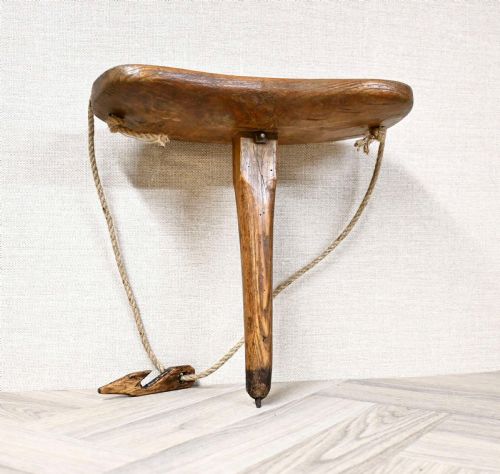
When you search for antique oak folk art, you encounter domestic items like foot warmers, snuff boxes, and milking stools shaped by regional hands. These objects bridge the gap between utility and visual expression, emerging from British, Dutch, Frisian, and Alpine traditions.
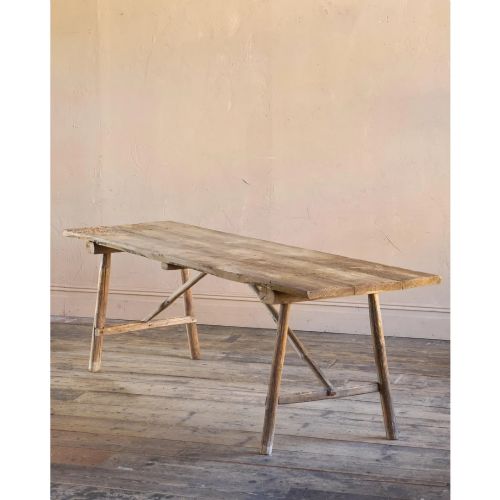
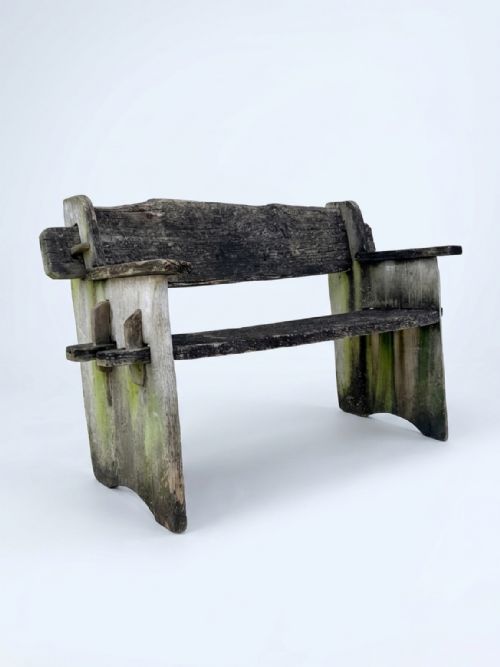
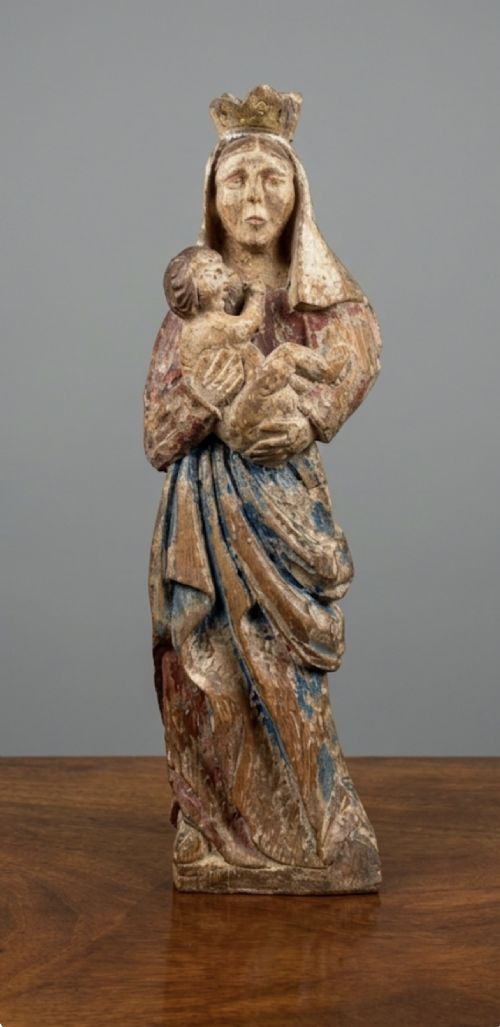
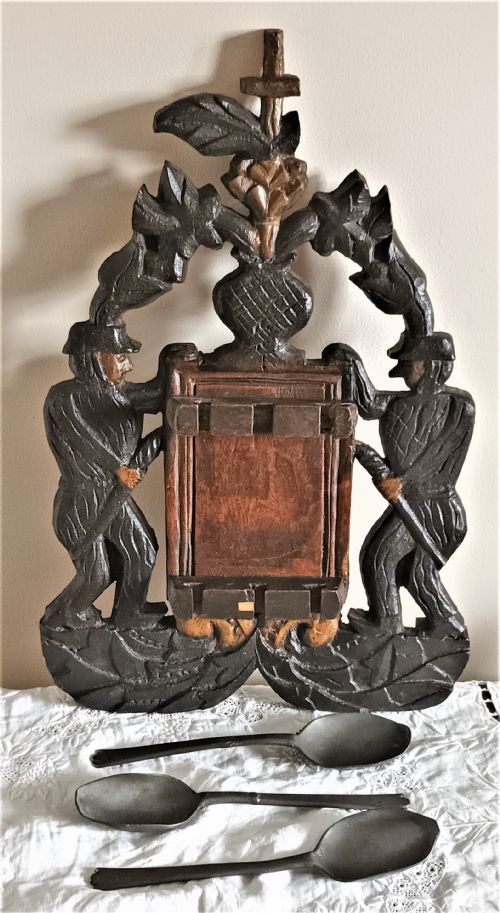
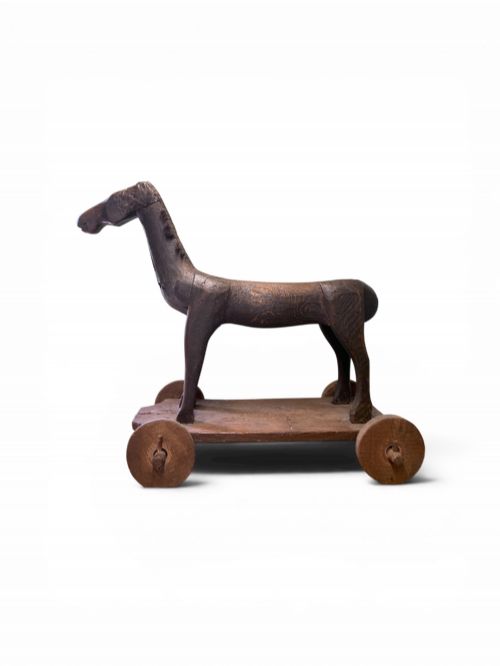
The pieces on this page span from the eighteenth century through the Edwardian period, incorporating hardwood timber alongside brass and iron elements. Chairs, small tables, and carved figures dominate the selection, reflecting rural life and domestic habits.
Materials and construction
Makers relied primarily on solid oak and associated hardwoods, supplemented by pine and accented with iron or brass hinges and handles. Surfaces frequently display chip carving, painting, and incised initials or dates.
Construction methods remain straightforward and direct, utilising pegged joints, primitive turning, and hand-cut surfaces rather than factory machinery.
Among the rustic stools and benches sits a hand-carved owl acting as an inkstand.
Judging quality
Quality rests upon the depth and confidence of the hand carving, where assertive tool marks distinguish expressive works from stiff imitations. The integrity of the timber and the preservation of original paint or surface patination carry equal weight.
Proportion and utility dictate the standing of a piece, separating utilitarian items of strong sculptural presence from later, lesser copies.
Franz Keller
The Antique Oak Folk Art Glossary
- Chip carving
- A technique of removing small chips from a wooden surface with a knife or chisel to form geometric patterns. It appears frequently on small domestic boxes and panels.
- Mangle board
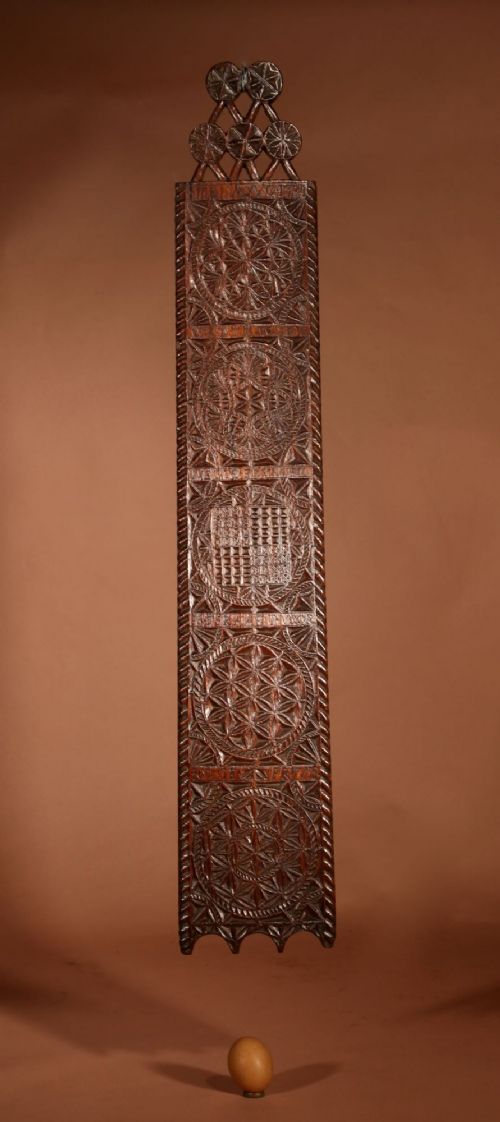
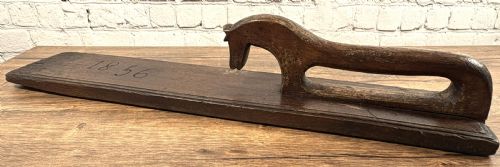
- A flat wooden board with a handle, historically used with a roller to smooth linen in northern Europe. Many surviving examples feature elaborate carving.
- Vernacular
- Architecture or objects built by local craftspeople to traditional local patterns, using available materials without academic design. These items reflect regional habits rather than metropolitan tastes.
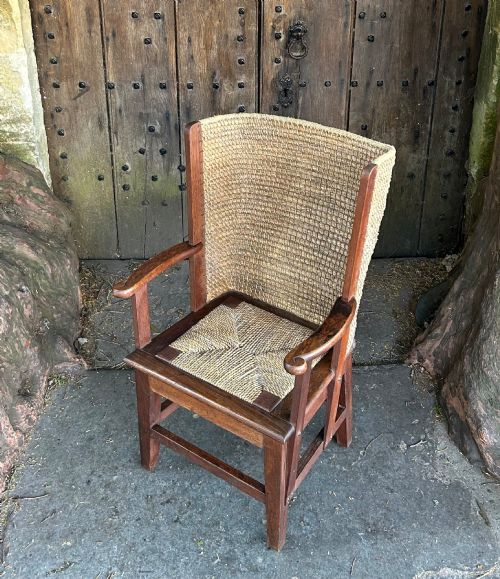
- Orkney chair
- A traditional chair type from Scotland featuring a low wooden base and a distinctive woven straw back. They were designed to protect against draughts in stone-built croft houses.
Antique Oak Folk Art: Frequently Asked Questions
What is folk art?
Folk art encompasses utilitarian objects and decorative pieces created by self-taught or locally trained makers outside academic traditions.
These works prioritize function and personal expression, utilising traditional regional motifs and locally available timbers.
How were foot warmers used?
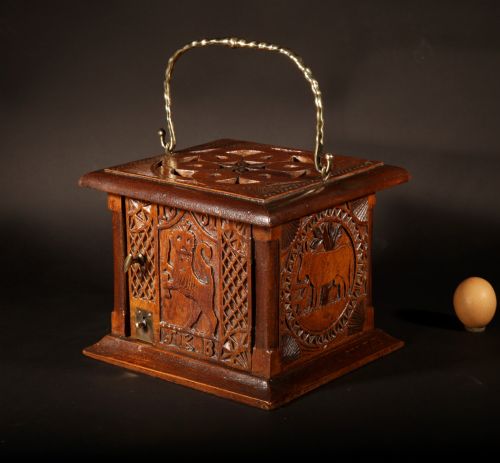
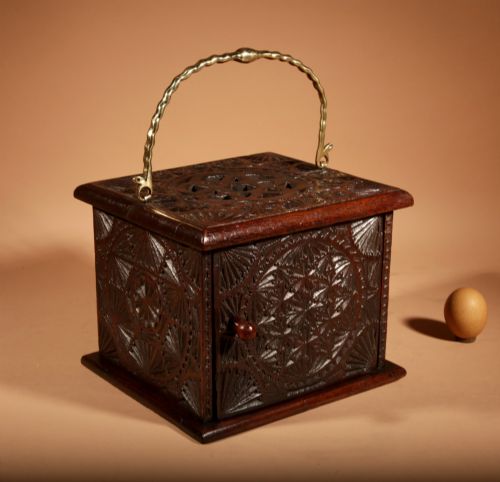
Foot warmers served to heat domestic spaces or church pews during cold weather by holding hot embers inside a perforated wooden box.
Users placed their feet atop the pierced lid, allowing warmth to circulate while enjoying decorated surfaces carved with initials and dates.
How do I date these pieces?
Dating relies upon construction methods, tool marks, timber characteristics, and occasionally inscribed dates or initials carved directly into the wood.
Comparing regional styles and joinery details helps establish the likely period of origin.
Where were mangle boards used?
Mangle boards originated in northern European households, particularly in regions like Frisia and Norway, where they functioned as laundry tools.
Today, their carved panels and handles survive as decorative wall art and sculptural objects.